REVIEW · KATHMANDU
Everest Base Camp Trek with Helicopter Return – 10 Days
Book on Viator →Operated by Breakfree Adventures Pvt. Ltd. · Bookable on Viator
Everest Base Camp in 10 days sounds impossible—until it’s planned right. This trek hits the Everest region classics on a tight schedule, then rewards you with a helicopter return that saves you from hiking all the way back the way you came. I really like how much is handled for you up front: all tea house lodging, meals on the trek, Lukla flights, permits, guide, and porters are included so you can focus on the trail. The main thing to weigh is weather and flight timing—this plan depends on aircraft schedules, so delays can happen when the mountains don’t cooperate.
I also appreciate the pacing choices that make altitude feel more manageable, especially the acclimatization day in Namche plus the chance to get big views from Everest View Hotel. And the small group cap (up to 15 people) matters here: you keep the trip social without feeling like you’re shuffling through a crowd. One consideration: the trek is still a serious high-altitude hike, and the itinerary is “fast by Everest standards,” so you’ll want solid moderate fitness and good trekking habits from day one.
If you’re comfortable with the mountains doing what they do—wind, cloud, and occasional schedule changes—this is a strong-value way to see Everest without doubling back. The route threads through Sherpa towns, pine forests, suspension bridges, monasteries, and glacier terrain, ending with Kalapathar’s sweeping panoramas before you swap hiking boots for a seat on a helicopter.
In This Review
- Key points I’d plan around
- Entering the Everest region: the 10-day structure that works
- Kathmandu Day 1: arrive, reset, and keep your day light
- Lukla to Phakding: green valleys and your first test steps
- Namche Bazaar Day: the Sherpa gateway you’ll feel in your bones
- A bonus cultural moment: Sherpa Museum
- Acclimatization at Namche: the day that saves you later
- Tengboche: monasteries, prayer flags, and serious mountain drama
- Toward Dingboche: Pangboche and the higher-altitude rhythm
- Chola Lake and Lobuche: where the days start feeling longer
- Everest Base Camp and Gorakshep: the main event day
- A note on tea houses
- Kalapathar and the helicopter return: fast exit, huge views
- Price and logistics: what $3,400 gets you (and what doesn’t)
- Guides and porters: the human factor behind “smooth”
- Weather, flights, and your real expectations
- Who this Everest Base Camp plan is for
- Should you book it?
- FAQ
- How long is the Everest Base Camp trek with helicopter return?
- Where does the trip start?
- How do flights work during the trek?
- Where do we stay during the trek?
- Are meals included?
- What permits are required, and are they included?
- What trekking gear is provided?
- Is there an English-speaking guide and porters?
- What’s included in Kathmandu?
- Do I need a visa for Nepal?
Key points I’d plan around
- Helicopter return from the Everest side: you cut the worst part of the return hike and get back to Kathmandu fast.
- Small group size (max 15): more personal attention from your guide and less chaos at checkpoints.
- Acclimatization built in: a dedicated day around Namche and a steady climb rhythm reduce “rush and suffer” risk.
- Tea house lodging plus trek meals included: you won’t be scrambling to find food or pay for basics each day.
- Real logistics support: flights to/from Lukla, permits, transfers, and a porter system are handled.
- Gear included: down jacket, sleeping bag, walking pole, and a duffle bag mean lighter packing.
Entering the Everest region: the 10-day structure that works
This trip is built for people who want Everest Base Camp but don’t want a long out-and-back trek. You’ll start with a Kathmandu hotel night, fly to Lukla, then hike through the Khumbu region step by step—villages, forests, bridges, and viewpoints—until you reach Everest Base Camp and Gorakshep. The finish is the big twist: after Kalapathar, you fly back by group-sharing helicopter to Kathmandu instead of re-tracing the route to Lukla.
That structure is the value. Hiking to Everest Base Camp is memorable, but the “repeat the whole thing downhill” part is less fun for most people. By planning your return this way, the itinerary puts your energy into the climb and the views, not into logistical grind.
You can also read our reviews of more hiking tours in Kathmandu
Kathmandu Day 1: arrive, reset, and keep your day light
On arrival, you’ll meet at the airport and transfer to your hotel. The rest of the day is free—perfect for doing the basics: water checks, small shopping, SIM setup, and getting your body into Kathmandu rhythm. Kathmandu at the start of the trip is useful because you’re not rushing into altitude immediately.
This also gives you time to double-check your documents for permits and flights. The trek requires TIMS and an Everest Trek permit, and those are included—still, you want everything ready so you’re not stuck at a counter later.
Lukla to Phakding: green valleys and your first test steps
The trip drives you to the domestic airport early, then flies to Lukla, which is the starting point for entering the Everest region. From there, you trek to Phakding, with a route filled with greenery and views of Kusum Kangaru in the mix.
Why this day matters: it’s your “getting used to boots” phase. It’s not the hard grind yet, but you will feel the altitude and the hiking pace. You’ll also start moving through the same kind of paths that define the Khumbu—tea house villages, yak traffic, stone steps, and trail crossings.
Namche Bazaar Day: the Sherpa gateway you’ll feel in your bones
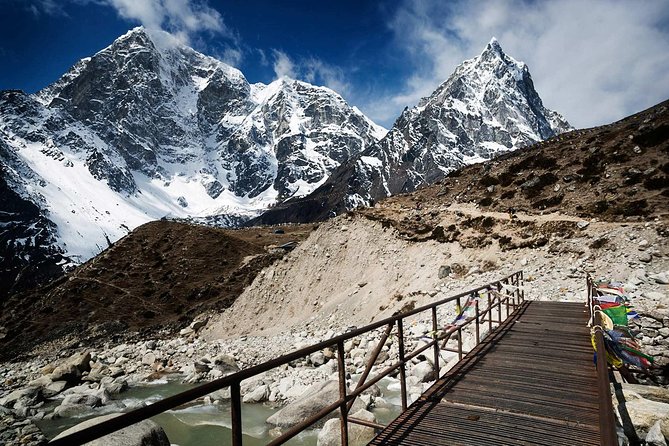
As you continue, the trail brings you through pine forest beside the Dudh Koshi River, plus a key moment: crossing the Hillary suspension bridge. That bridge is the kind of detail that makes the whole region feel real—this isn’t just a line on a map, it’s a living network of villages and travel routes.
You’ll reach Namche Bazaar, the Sherpa capital and the gateway into the Everest zone. This is one of the most important stops on any Everest trek because it’s a hub: you’ll see the culture up close and you’ll start to feel how the mountains shape daily life.
A bonus cultural moment: Sherpa Museum
Your schedule includes time at the Sherpa Museum, which focuses on Sherpa culture and traditions. It’s not a long stop, but it’s a good way to frame what you’re seeing. When you understand the community that lives and works around this region, the views feel deeper and the route feels less like a checklist.
You can also read our reviews of more tours and experiences in Kathmandu
Acclimatization at Namche: the day that saves you later
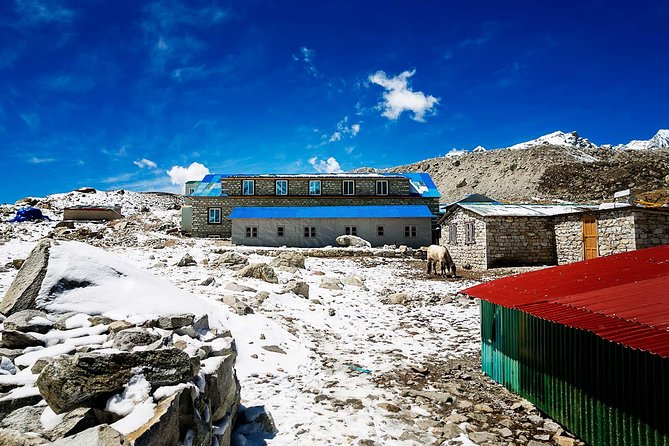
Day 4 is set for acclimatizing in Namche. You’ll hike up toward Everest View Hotel for big views of Mount Everest. This is smart planning: you get altitude exposure and perspective without going “all in” on a steep push that your body might not handle.
A practical tip for this day: treat it like training, not a victory lap. Go steady, drink water when you can, and don’t race. Even if your legs feel good, your system may not. That’s the whole point of acclimatization days—building tolerance before the bigger effort.
Tengboche: monasteries, prayer flags, and serious mountain drama
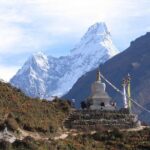
The trek continues with a move toward Tengboche, a classic Everest-region stop with the largest monastery in the Khumbu area. You’ll get a day of trail ups and downs, and the scenery typically turns dramatic as the valleys open and peaks start to show more clearly.
Why Tengboche matters: it’s one of the places where the trek feels spiritual and visual at the same time. Monasteries aren’t just pretty buildings here—they’re tied to the rhythm of the community and the trekking season. If you’re the kind of person who likes stopping to watch, breathe, and soak in details, this is a good day to do it.
Toward Dingboche: Pangboche and the higher-altitude rhythm
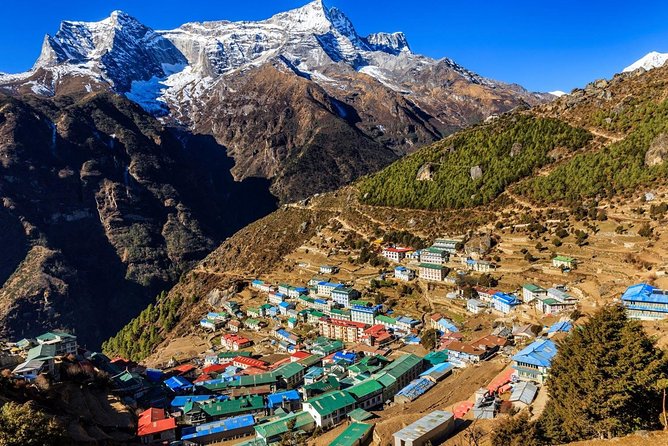
On the way up, you’ll pass through Chortens and Mani walls and small villages, and cross the Imja Khola near Pangboche, which sits at around 3900m. Then you descend to Dingboche, which is another acclimatization stop.
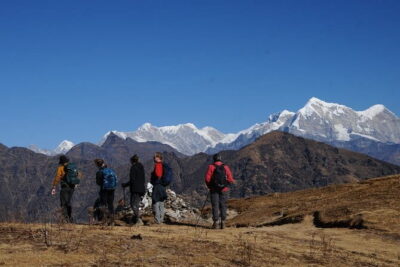
This part of the trek tends to feel “more altitude, less comfort.” The air gets thinner, and every step asks for slightly more effort. The upside is that the terrain becomes more glacier-facing, and your sense of being in the high country strengthens fast.
Chola Lake and Lobuche: where the days start feeling longer
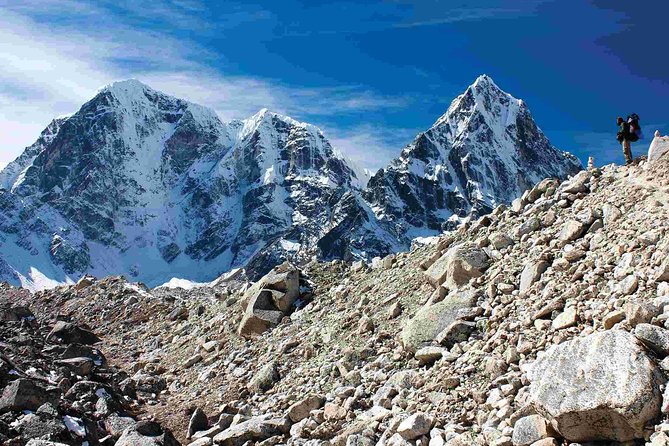
Day 7 climbs toward Duglha through Khumbu Khola Valley, with stops along the way including Dusa and Phulung Karpo, and then Chola Lake. You’ll cross a small bridge and continue ascending to Duglha.
Then your plan moves you on to Lobuche, which is near the Khumbu Glacier. The Lobuche area is where Everest starts to stop being a concept and starts becoming a wall you can almost touch. Also, the schedule mentions more ups and downs at high altitude, which is normal out here—expect your legs to work in uneven terrain.
Everest Base Camp and Gorakshep: the main event day
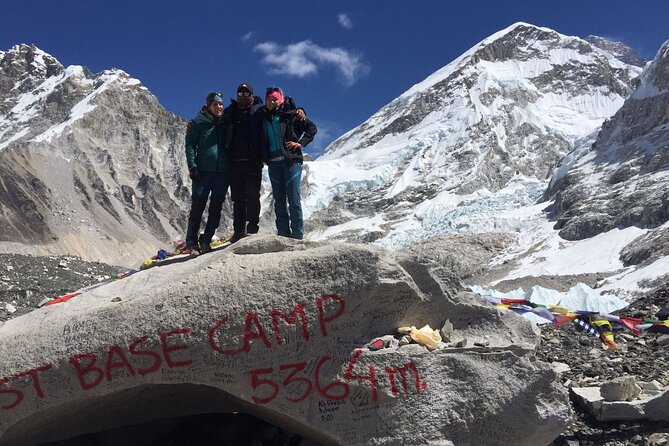
Day 8 is your Everest Base Camp day. The route includes ups and downs, and after about 3 hours of steady hiking, you’ll reach Everest Base Camp. From there, you’ll witness the Khumbu Glacier and the icefall, which is an unforgettable sight if you’ve ever wondered what “glacier” really means in motion.
Then you continue to Gorakshep, which is the last stop for the trekking portion that day. Gorakshep is your practical base: you’re high, you’re tired, and you want to rest and fuel up for the Kalapathar payoff next.
A note on tea houses
You’ll be sleeping in tea house accommodation during the trek, so meals and warmth tend to follow the rhythm of each village. Hot meals may be available at tea houses, but in high-altitude air, you’ll appreciate simple fuel, not fancy food.
Kalapathar and the helicopter return: fast exit, huge views
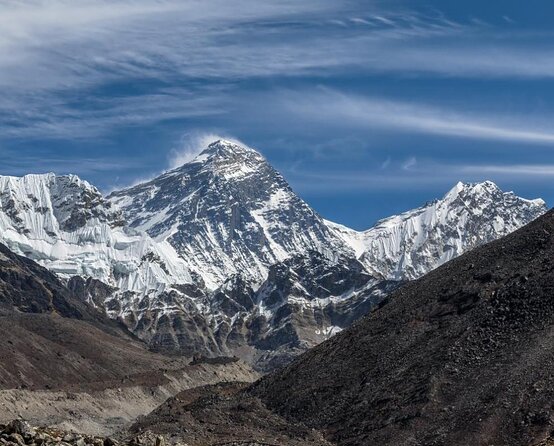
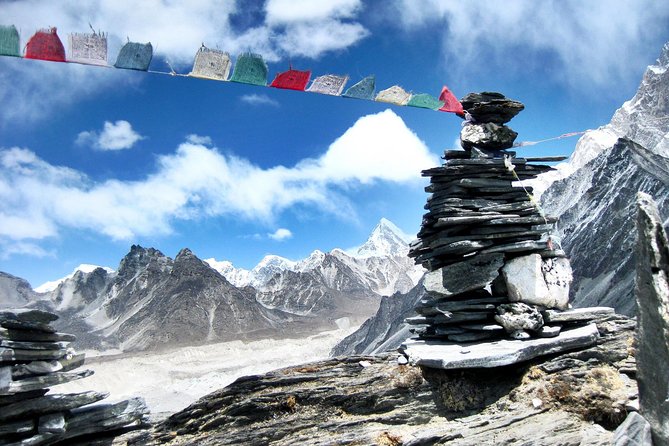
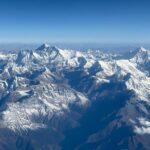
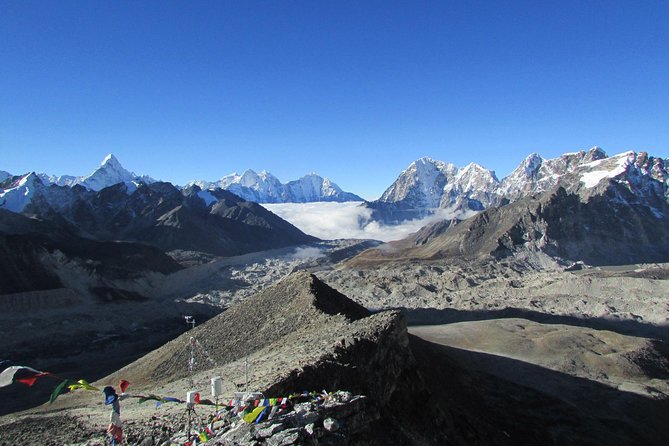
The final hiking day takes you to Kalapathar, one of the region’s best-known viewpoint spots for 360-degree panoramic views of the Khumbu mountains, including Everest. This is where your route pays you back. You’ll see the terrain you’ve been hiking toward, and it all clicks at once.
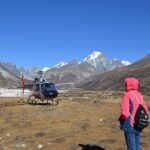
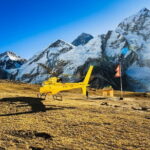
After Kalapathar, you’ll fly back to Kathmandu by group-sharing helicopter. This is the defining feature of this trip—the big reason it feels different from standard Everest Base Camp treks. Instead of spending your final day(s) repeating lower-altitude steps, you shift from hiking effort to a bird’s-eye perspective that ends in Kathmandu.
For many people, that’s the emotional highlight: finishing the day with Everest views, then dropping back into the city rather than grinding out the long trek home.
Price and logistics: what $3,400 gets you (and what doesn’t)
At $3,400 per person, this isn’t a bargain-basement deal. But when you look at what’s included, it becomes easier to judge. You’re paying for a package that covers:
- All tea house accommodation during the trek
- Flights to Lukla and helicopter return to Kathmandu (group sharing)
- Meals (breakfast, lunch, dinner) during the trek
- Guide and porters, including their food, accommodation, salary, and insurance
- Permits (Everest Trek permit and TIMS)
- Airport transfers in Kathmandu by private vehicle
- A key “packing light” bundle: duffle bag, down jacket, sleeping bag, and walking pole
That’s a lot to include on a trek at this altitude. The helicopter is the headline cost driver, and it’s also the feature that most strongly changes your experience. If you’re comparing it to slower itineraries that require multiple days of return hiking, this price starts to make sense as time-saving and energy-saving.
What’s not included is also clear, and it matters for budgeting:
- Lunch and dinner in Kathmandu
- Nepal entry visa fee
- Personal expenses like phone calls, internet, laundry, bar bills, hot shower, and bottled drinks
- Tips for guide and porters (expected but not mandatory, so you’ll decide)
One practical value note: having gear included can save you money and reduces stress. If you’ve ever shown up to a winter-weather trail under-prepared, you know how fast that adds up.
Guides and porters: the human factor behind “smooth”
This trip relies on coordination: flights, checkpoint timing, tea house arrangements, and keeping you moving at a safe pace. In the feedback I saw, guides like Dipak and Ram, plus assistants such as Rabi, are credited with making the route feel organized. Other names that came up include Binayak (with strong pre-trip communication) and Ramesh, who was praised for knowledge and safety care.
You’ll also have porters with a 1 porter for 2 trekkers ratio. That’s a huge deal because it lets you carry a more comfortable daypack instead of hauling everything yourself while acclimatizing. The porter team is included with transport, food, accommodation, and insurance—so the “support layer” is part of the package, not something you figure out on the fly.
Weather, flights, and your real expectations
Because this trip includes aircraft (Lukla flights and a group helicopter return), weather matters. The tour data says the experience requires good weather and may be adjusted if poor conditions cancel the trip. In practical terms: build in patience.
Also, remember the trek is still altitude. Even with acclimatization days, you should expect fatigue. Your best move is basic: pace yourself, drink when you can, and don’t treat the itinerary like a race.
Who this Everest Base Camp plan is for
I think this tour fits best if:
- You want Everest Base Camp in a short time (10 days approx.)
- You care about saving energy by avoiding a long return hike through the same villages
- You’re comfortable with high-altitude trekking and want a structured plan with guides and porters
- You like small-group travel (max 15) and don’t want a chaotic scramble
It might not be the best match if you want a slow, totally flexible trek with minimal pressure from flight schedules.
Should you book it?
If your goal is Everest Base Camp and you’re tempted by the helicopter return, this is one of the most straightforward ways to make it happen without repeating days of walking back down the trail. The package is strong on included logistics (permits, meals, tea house stays, guide/porters, flights, transfers, and gear), and that matters because Everest punishes sloppy planning.
I’d book this trip if you’re ready for a serious trek but you also want to finish with a fast, memorable exit from the mountains.
If you’re very sensitive to schedule risk or you’re not confident with altitude hiking, you might prefer a slower itinerary with fewer aircraft dependencies.
FAQ
How long is the Everest Base Camp trek with helicopter return?
It’s listed as 10 days (approx.).
Where does the trip start?
You’ll arrive in Kathmandu, meet at the airport, and then transfer to your hotel. The start time listed is 6:15 am.
How do flights work during the trek?
You’ll fly from Kathmandu to Lukla by plane, and return from the Everest side to Kathmandu by helicopter (group sharing basis).
Where do we stay during the trek?
You’ll stay in tea house / lodge accommodation during the trek.
Are meals included?
Yes. Breakfast, lunch, and dinner are included during the trek. Lunch and dinner in Kathmandu are not included.
What permits are required, and are they included?
The trek includes Everest Trek permit and TIMS card.
What trekking gear is provided?
You’ll receive duffle bag, down jacket, sleeping bag, and walking pole.
Is there an English-speaking guide and porters?
Yes. You’ll have an experienced English speaking trekking guide and necessary porters, with 1 porter for 2 trekkers, including their transportation, food, accommodation, salary, and insurance.
What’s included in Kathmandu?
Accommodation in Kathmandu including breakfast, plus airport pick up/drop off by private vehicle as per the itinerary. Lunch and dinner in Kathmandu are not included.
Do I need a visa for Nepal?
The Nepal entry visa fee is not included. You’re advised to bring accurate USD cash and two passport photographs for faster service.