REVIEW · KATHMANDU
Annapurna Base Camp Trek
Book on Viator →Operated by Mount Elegance Treks and Expedition · Bookable on Viator
One of the fastest ways to fall for Nepal is by heading toward the Annapurnas. This trek strings together village hiking, big mountain days, and cozy teahouse stays with an English-speaking, government-licensed guide. You’ll also get full-board meals during the trek plus hotel nights in Kathmandu and Pokhara, so you can spend your energy on walking and taking in the views.
I especially like how much is handled for you: the core logistics (drives, permits, guide, porters, meals) are built into the package. I also like the altitude plan on paper—climb to the 4,130m Annapurna Base Camp area, then descend the next day to help you recover. One drawback to plan for: you’re still trekking at moderate fitness levels, and comfort is “comfortable,” not spa—hot showers during the trek aren’t included.
Key highlights to watch for
- Licensed, English-speaking guide: you get real help navigating the route and managing day-to-day decisions.
- 1 porter for 2 trekkers: less load means you hike with more energy and fewer aches.
- Permits included: ACAP and TIMS are covered.
- Full-board trekking meals: breakfast, lunch, and dinner during the trek (plus tea/coffee).
- Premium-style lodge nights: twin sharing teahouses during the trek, plus 3-star hotels in cities.
- Clear altitude milestones: Kathmandu (1,400m), Deurali (3,200m), and Annapurna Base Camp (4,130m).
In This Review
- The “Luxury” Part: What Comfort Actually Means on This Trek
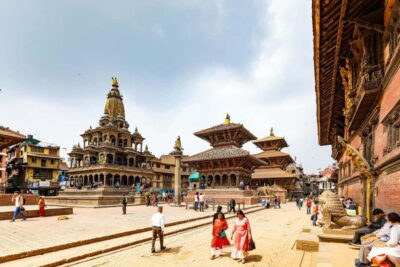
- Kathmandu to Pokhara: Getting Oriented Before the Main Climb
- Ghandruk to Sinuwa: Village Hiking With Big-View Payoffs
- Sinuwa to Deurali: Bamboo, Climbing, and a Reality Check
- The Annapurna Base Camp Day: Reaching 4,130m Without Losing Your Mind
- Base Camp to Bamboo: The Smart Move After the Big High
- Bamboo to Jhinu Danda: Lower Altitude, Longer Satisfaction
- Jhinu Danda Back to Pokhara, Then Home to Kathmandu
- Price and Value: Why $240 Can Make Sense (And When It Won’t)
- Daily Comfort Details You Should Plan Around
- What the Organization Is Getting Right (Based on Real Feedback)
- Who Should Book This Annapurna Base Camp Trek
- Should You Book? My Practical Take
- FAQ
- What altitude does the trek reach?
- Are trekking permits included?
- What meals are included during the trek?
- Do I get a guide and porter service?
- Is accommodation included in Kathmandu and Pokhara?
- Is hot shower available during the trek?
- Are transfers included?
- What’s not included in the price?
- Does the trip include gear like a sleeping bag?
- How physically demanding is the trek?
The “Luxury” Part: What Comfort Actually Means on This Trek
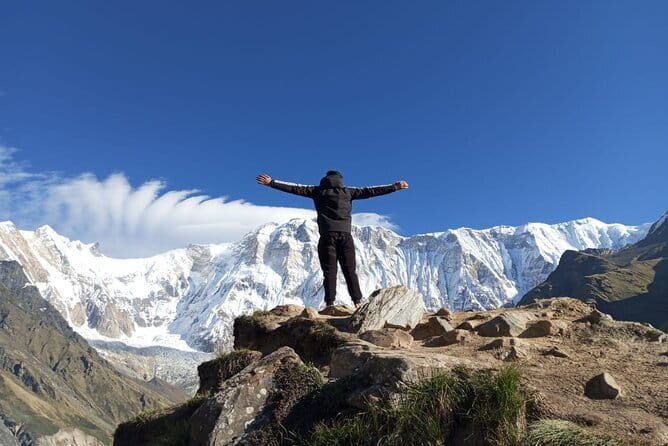
The biggest win with this Annapurna Base Camp package is that comfort is planned into the trip, not tacked on at the last minute. During the trek you’re in teahouses with the best available twin sharing setup included, and you’re not paying separately for every single meal.
You’ll also be eating well enough to keep your hiking engine running. The package includes breakfast, lunch, and dinner during the trek, with tea/coffee included. That matters more than people think, because good fuel is the difference between a cheerful climb and a cranky one.
One more practical comfort detail: you receive a duffel bag and sleeping bag, but they’re meant to be returned after the trek. That’s nice for people who don’t want to buy gear, but it also means you shouldn’t treat it like personal luggage you get to keep.
Kathmandu to Pokhara: Getting Oriented Before the Main Climb
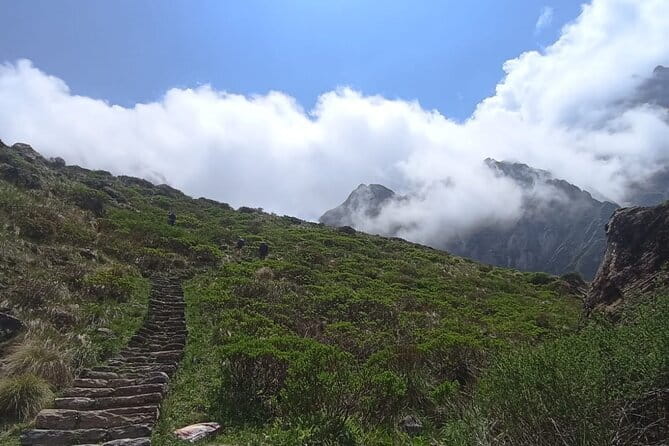
Your trip starts with an airport transfer in Kathmandu after you arrive at Tribhuvan International Airport. There’s no guesswork about getting to a hotel—just a representative greeting and then a direct transfer.
Then you move to Pokhara by tourist bus, a long day on the road (about 200 km, 7–8 hours). This part isn’t about “scenery tourism.” It’s about resetting your body for the trek—sleep, eat a real breakfast, and be ready for the next morning.
Pokhara sits at a much lower elevation (about 822m/2,697ft), which is helpful before you step into the higher villages and ridge walks. It’s also where you’ll feel the trip shift from city travel mode to mountain rhythm.
You can also read our reviews of more hiking tours in Kathmandu
Ghandruk to Sinuwa: Village Hiking With Big-View Payoffs
After breakfast, you drive toward Nayapul and begin a first hiking day that’s shorter by trek standards (about 5 km, around 3–4 hours). You finish at Ghandruk (about 1,940m/6,365ft), a classic trekking village stop where you can get a feel for daily life before the altitude climbs harder.
The next day’s hike takes you from Ghandruk to Sinuwa (about 12 km, 6–7 hours), climbing up to around 2,340m/7,677ft. This is the kind of day where your pace matters more than your distance. Walk steady, take short breaks, and don’t chase speed.
A detail worth valuing here: this section gives you time to adjust before you reach the higher sleeping altitudes. You’re not just “wrenching up” to base camp. You’re building your rhythm.
Sinuwa to Deurali: Bamboo, Climbing, and a Reality Check
Next comes a longer trekking day to Deurali (about 10 km, 6–7 hours). The highest point listed for this day is around 3,200m/10,498ft—a big jump compared to the village stops.
The route description includes bamboo forests on the climb, which is a good kind of busy. Trees mean you’re not staring at one straight slope the whole time, and the shade can make the day feel less punishing. It’s also easier to keep a steady tempo under forest cover.
This is also where the trek shifts from “pretty hikes” to “work.” If you’re someone who needs to feel in control, this is the day to use your guide’s advice on pacing and breathing. Moderate fitness is listed as the standard, and this is one of the days that tests it.
The Annapurna Base Camp Day: Reaching 4,130m Without Losing Your Mind
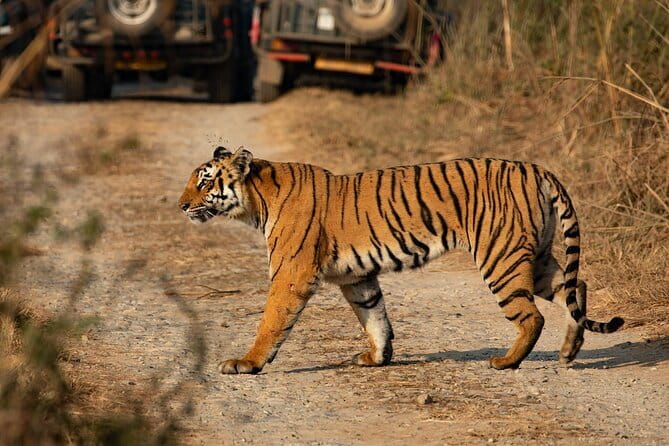
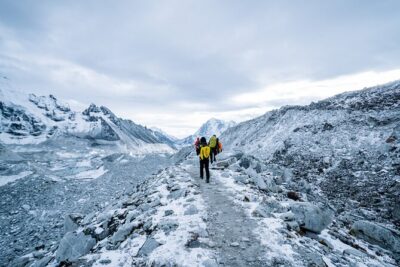
The most exciting day is the climb toward Annapurna Base Camp. You trek about 9 km in around 6–7 hours, with the day’s peak at roughly 4,130m/13,550ft.
Base camp days are emotionally intense. You’ll likely spend more time looking around than you expected. The good news: the package builds in the structure you need—meals included and a guide who can help keep you moving at a safe pace.
After you reach base camp and take in the views, you’re not done. You still have the emotional payoff of being up there, and then you transition into the recovery plan for your altitude.
Also note: the package includes a first aid medical kit. That doesn’t replace good judgment, but it’s one more sign the trip is organized for real trekking conditions.
Base Camp to Bamboo: The Smart Move After the Big High
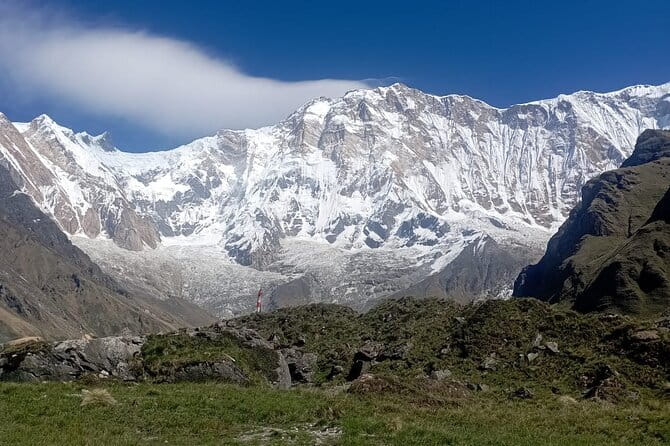
The next day starts with a morning at Annapurna Base Camp and then a descent begins. You trek about 13 km in 6–7 hours, ending around Bamboo (about 2,310m/7,580ft).
This is a key part of why this route feels manageable on paper. You go up to base camp and then you come down to a lower altitude, which helps your body catch up. It’s not just about saving your legs; it’s about altitude stress.
Bamboo is also a nice change from the highest points. You’ll likely feel more normal breathing and a better ability to eat. With meals included, you can focus on recovery instead of searching for food.
Bamboo to Jhinu Danda: Lower Altitude, Longer Satisfaction
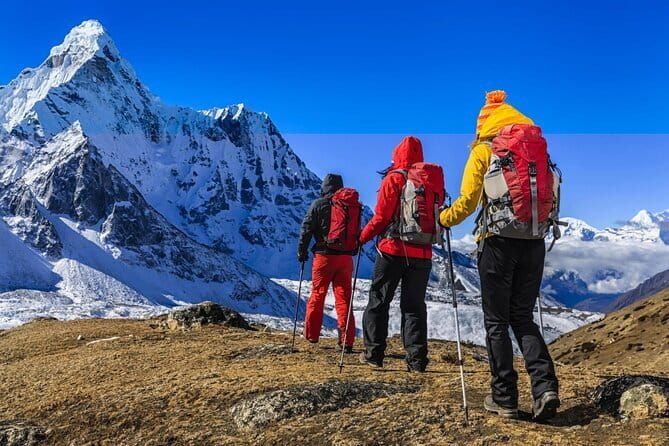
You’ll move from Bamboo to Jhinu Danda with a trek of about 11 km over 5–6 hours. The listed altitude at Jhinu Danda is about 1,780m/5,839ft, which is a welcome drop after a high-altitude night.
This segment is a “get your feet back” day. It’s still hiking, but you’re no longer in the thin-air zone that makes every step feel heavier.
And because this is later in the trek, you tend to walk a bit more confidently. You’ve learned your pace, you know how to plan breaks, and you’ve got a clearer sense of how your body responds.
Jhinu Danda Back to Pokhara, Then Home to Kathmandu
From Jhinu Danda you get a short trek (about 6 km) and then drive back toward Pokhara (a 2–3 hour segment). The package keeps things efficient: you’re not stuck overnight in limbo after the final hiking day.
Then you do the long drive back to Kathmandu (about 200 km, 7–8 hours). That’s a ride day again, and it’s where you’ll appreciate having the driving handled. No renting, no navigating, no guessing road times in a new country.
Your final day includes a hotel breakfast and then some buffer time before your flight, depending on your schedule. It’s a good way to avoid the classic trek problem: being exhausted and still trying to pack and rush.
Price and Value: Why $240 Can Make Sense (And When It Won’t)
This package is priced at $240 per person, and the real question is what you’re getting for it. The included items are the major “can’t skip” parts of trekking: permits (ACAP and TIMS), guide service, porter support (1 porter for 2 trekkers), teahouse lodging during the trek, and full-board meals while hiking.
You’re also not missing the big transport days. Drives between Kathmandu and Pokhara are included, and you get airport transfer in Kathmandu. On top of that, Kathmandu and Pokhara nights are handled in 3-star hotels with breakfast.
What’s not included is where most people run into budget surprises. International airfare isn’t included, and Nepal visa fees aren’t included. Travel and rescue insurance are also excluded, and tips for the trekking staff and driver aren’t included. Alcohol and bottled water aren’t included either.
So here’s the blunt math in traveler terms: if you already have flights and you’re budgeting for visa, insurance, water, and tips, the package price can feel like strong value. If you need to add lots of uncovered costs, it becomes more average.
Daily Comfort Details You Should Plan Around
This trek includes twin sharing accommodation in teahouses during the hike, and 3-star hotels in the cities. That’s a meaningful comfort baseline, but it’s still mountain lodging, so don’t expect the same feel as a modern hotel room.
Hot showers during the trek are not included. If that’s a dealbreaker, plan your expectations early. You’ll probably manage with washing where you can and focusing on warmth and sleep.
Also, you’ll handle your own personal expenses like laundry and phone calls. Those add up slowly, so set a spending limit before you go.
One more practical note: the route is described as requiring moderate physical fitness. Distances like 10–12 km with 6–7 hour days show up, plus you climb up to 3,200m and then 4,130m. You’ll be able to do it if you train a bit and pace yourself.
What the Organization Is Getting Right (Based on Real Feedback)
The strongest praise tied to this experience is about organization and care. The available reviews highlight that everything ran smoothly and that the team offered warm hospitality and expert guidance.
That matters on an Annapurna trek, because the best trip isn’t just about reaching base camp. It’s also about how calm and clear your days feel: meals on time, logistics handled, and support when conditions shift.
If you like a trek where you can count on the basics—food, direction, and timing—this matches the feedback. It’s also a good sign that the guide and porter team are seen as genuinely helpful.
Who Should Book This Annapurna Base Camp Trek
I think this is a strong fit if you want the Annapurna Base Camp experience but you don’t want to micromanage every piece of it. You’ll like the structured plan, the included permits, and the fact that porter support reduces load.
It also works well for travelers who want “comfort within reason.” You’re getting quality lodge-style stays and full-board meals during the trekking days, but you still need to handle mountain basics like limited shower access.
If you’re an ultralight minimalist and prefer total self-planning, this might feel like more package than you need. But if you’d rather show up and let the route run with you, it’s a good match.
Should You Book? My Practical Take
Book it if you want a guided, meal-supported Annapurna Base Camp trek with permits and transfers handled, plus porter support. At this price point, the included items are the parts that usually cost real money and planning time.
Don’t book it if you absolutely need hot showers on the trail, or if you’re not ready for long hiking days and altitude up to 4,130m. Also be sure your budget includes the items that are explicitly not covered: visa, international flights, insurance, water/alcohol, and tips.
If you can handle that checklist, you’ll spend your energy on the best part: walking into the Annapurnas, staying warm and fueled, and seeing base camp from up close.
FAQ
What altitude does the trek reach?
The highest point listed is Annapurna Base Camp at about 4,130m (13,550ft).
Are trekking permits included?
Yes. The Annapurna Conservation Area Permit (ACAP) and TIMS card are included.
What meals are included during the trek?
Full board meals are included during the trek: breakfast, lunch, and dinner, with tea/coffee. In the included list, it shows breakfast 11 times, lunch 7 times, and dinner 8 times, plus a farewell dinner.
Do I get a guide and porter service?
Yes. You’ll have an experienced, English-speaking, government-licensed trekking guide, and porter service is included at a ratio of 1 porter for 2 trekkers.
Is accommodation included in Kathmandu and Pokhara?
Yes. The package includes accommodation in a 3-star hotel in Kathmandu and Pokhara, including breakfast.
Is hot shower available during the trek?
No. Hot shower during the trek is listed as not included.
Are transfers included?
Yes. You get airport transfers in Kathmandu and a drive from Kathmandu to Pokhara and back by tourist bus.
What’s not included in the price?
Not included are international airfare, Nepal entry visa fees, travel and rescue insurance, tips for staff and driver, alcoholic drinks, bottled water, personal expenses like laundry and phone calls, and meals in Kathmandu and Pokhara (besides breakfast at the hotels).
Does the trip include gear like a sleeping bag?
Yes. A duffel bag and sleeping bag are provided, and they should be returned after the trek completion.
How physically demanding is the trek?
It’s stated that you should have moderate physical fitness. Trek days include hikes of about 5 km up to 13 km and several days with 6–7 hours of trekking, plus high-altitude days up to 3,200m and 4,130m.