REVIEW · KATHMANDU
Day Trip to Bhaktapur and Panauti from Kathmandu
Book on Viator →Operated by Royal Mountain Travel · Bookable on Viator
A day trip to Bhaktapur and Panauti beats another Kathmandu taxi loop. You’ll spend time in medieval Newari city streets, then slow down in a quieter town threaded with temples, rivers, and local craft life. The pace feels made for photos, questions, and actual street-level Nepal.
What I like most is the two-town contrast. Bhaktapur gives you big, intricate Durbar Square sights in a living city-state, while Panauti feels more like a real neighborhood day, centered on rivers, agriculture, and restored historic homes. I also appreciate how the best guides turn architecture and religion into plain talk you can actually picture.
One thing to plan for: it’s a full day with a fair bit of driving, and some key costs (especially entry fees) aren’t included. If you hate spending time around ticket lines, budget a little patience.
In This Review
- Key Things You’ll Notice on This Day Trip
- Bhaktapur Durbar Square: a living UNESCO city-state, not a quick photo stop
- What you should expect at Bhaktapur
- A realistic drawback
- Panauti Community Home Stay: rivers, rice terraces, and restored Rana mansions
- The homestay angle (what it means for your day)
- One thing to keep in mind
- How the guide experience shapes what you get (and why names matter)
- Timing and transport from Kathmandu: 7 hours of driving, planned well
- What you should plan for
- Price and value: $34 is the start, not the whole number
- A practical tip to protect your budget
- Photo time, shopping, and pacing: how this tour avoids the rush
- Should you book this Bhaktapur and Panauti day trip?
- FAQ
- What is the duration of the Bhaktapur and Panauti day trip?
- What time does the tour start, and where do I meet?
- How much does it cost?
- Is hotel pickup and drop-off included?
- What’s included in the tour price?
- Is lunch included?
- Are entrance fees included?
- Is there a group size limit?
- Is the ticket mobile?
- Can I get a full refund if I cancel?
Key Things You’ll Notice on This Day Trip
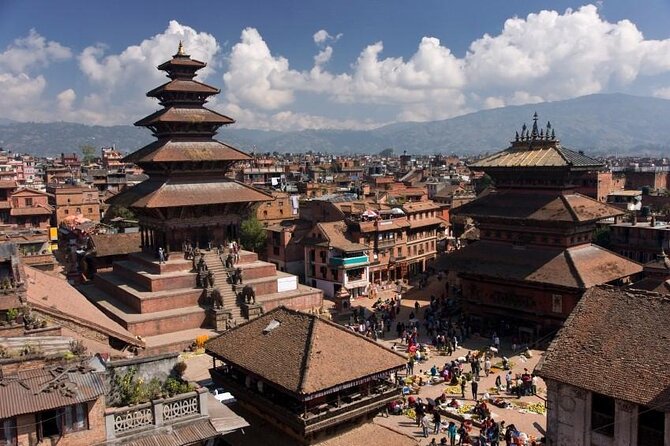
- Bhaktapur Durbar Square as a whole living heritage town, not just a single monument stop
- Panauti’s community home stay focus, including local entrepreneurs and a homestay-meal chance
- Small group size (maximum 10), which keeps questions flowing and photo stops from feeling rushed
- Entrance fees and lunch not included, so your final cost depends on what you choose to add
- English-speaking guide plus air-conditioned vehicle, making the day smoother in traffic and heat
Bhaktapur Durbar Square: a living UNESCO city-state, not a quick photo stop
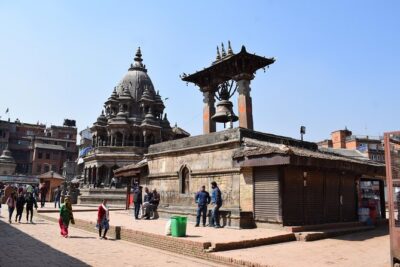
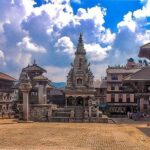
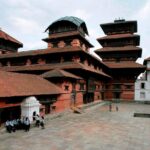
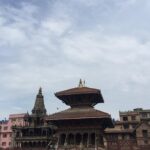
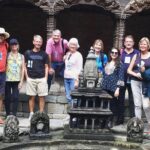
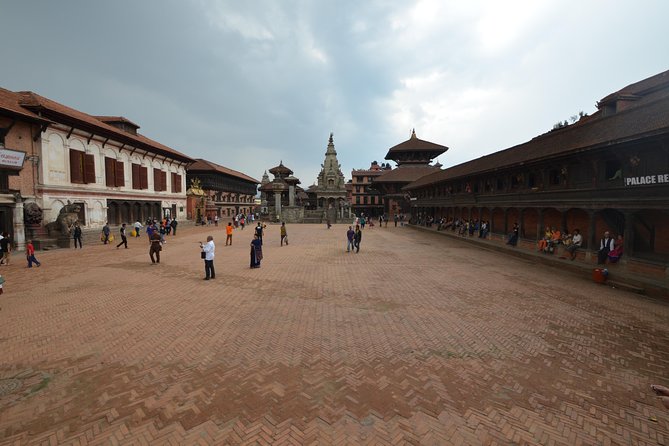
Bhaktapur is the first place you hit on this day, and it’s easy to see why it’s so often put on Nepal short lists. The Durbar Square area is more than one square: it’s made of multiple large squares filled with shrines, temples, and constant life. In other words, you get details. Lots of them. And they matter.
In your head, picture Bhaktapur in the 14th to 16th centuries, when it was a major power in the Kathmandu Valley and the capital for about 300 years. Now picture the present. Even with earthquakes and repeated rebuilding, the city still carries that medieval feel. That’s the magic here: it feels old, but it also feels lived-in.
A practical way to enjoy it is to slow down around the neighborhoods, not only the main sights. Bhaktapur’s social layout is still caste oriented, and daily focus can center around the old ponds or tanks—water storage areas built for drinking, washing, and religious ceremonies. If you like places where people actually do their normal routines in historic settings, you’ll feel it here.
You can also read our reviews of more tours and experiences in Kathmandu
What you should expect at Bhaktapur
- You’ll have about 3 hours in the Durbar Square area.
- Admission tickets are not included, so plan for that cost if you want to go into the heritage zones.
- The timing gives you enough space to walk, read guide explanations, and take photos without sprinting.
A realistic drawback
Bhaktapur is a “wear good shoes and accept crowds” kind of place. Even with a guide and a plan, you’ll still spend some time moving through busy lanes. If you only want quiet, empty streets, this is the wrong day for that.
Panauti Community Home Stay: rivers, rice terraces, and restored Rana mansions
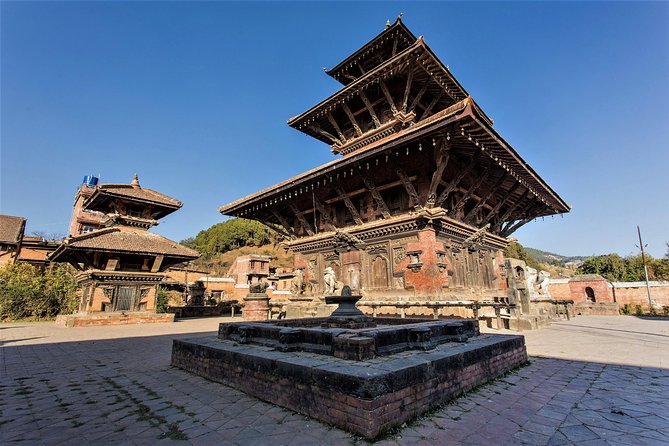
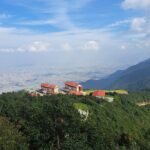
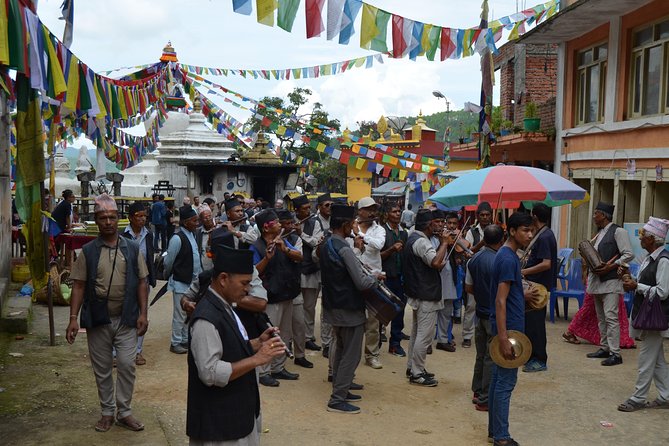
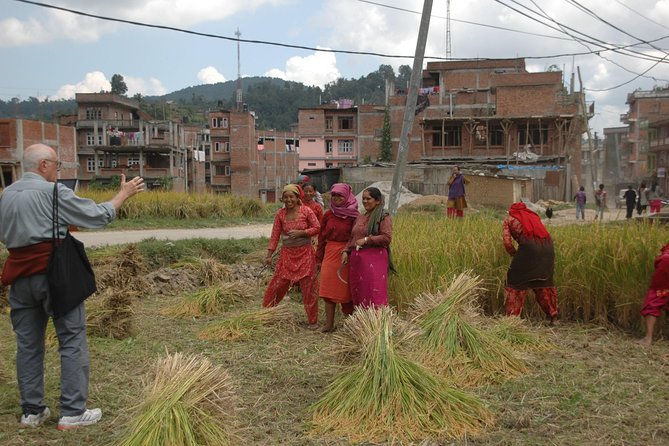
Then the day shifts gears. Panauti is described as a commercial town from medieval times, but it feels much calmer now. That calmness is your payoff. Instead of a major tourist magnet, you get a slower, community-centered town with temples, stupas, woodcarvings, and restored historic Rana mansions.
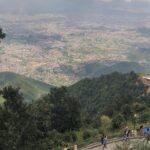
The town is tied to water. There are three rivers—Brahmayani, Roshi, and Punyabati—and Panauti’s name is connected to the holy river Punyabati. When your guide points out rivers and their cultural role, Panauti stops feeling like a scenic stop and starts feeling like a place where geography explains local life.
From there, the themes keep coming:
- Metal works and agriculture with rice terraces
- Festivals and fairs that shape the calendar
- Temples and stone art scattered through the town
And yes, you’ll also hear about religious landmarks, including the Indreshwor Maha Hindu temple.
The homestay angle (what it means for your day)
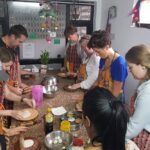
This stop is called a Panauti community home stay, and that matters because you’re not just observing from the sidewalk. You’ll have a chance to meet with local entrepreneurs, and you may be hosted in a community setting where people explain their day-to-day life.
A few practical notes:
- This stop also runs about 3 hours.
- Lunch isn’t listed as included, even though many tours in this format end up with a homestay meal. If food is part of what you care about most, confirm what’s covered when you book.
One thing to keep in mind
Panauti is less visited than Bhaktapur. That’s good for authenticity, but it can also mean fewer built-in tourist comforts. If you’re the type who needs everything labeled and organized, you might find the pace more casual than Kathmandu.
How the guide experience shapes what you get (and why names matter)
This tour is built around explanations. You’re getting an English-speaking guide, and the difference between a good outing and a memorable one is usually how the guide links buildings, symbols, and daily life.
From the guides people commonly mention—like Monica, Puspa, Kalpana, Anup, Raj, Zuna, Saruti, Dilip, Manju, and Sarita—the pattern is consistent: they spend time on architecture and the everyday culture behind it. Some guides also tailor the day to interests, such as focusing more on temple details, religious practices, or even shopping suggestions.
That tailoring shows up in a practical way. When you have time to explore and ask questions, you tend to notice more:
- Why a temple layout looks the way it does
- How sacred space connects to community routines
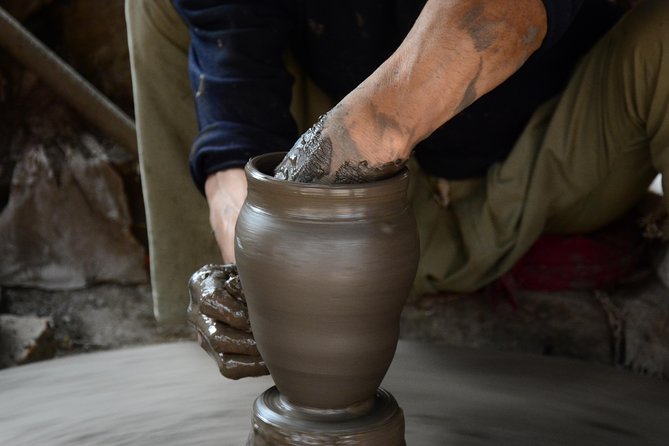
- Where the craftsmanship is visible, from woodcarvings to everyday workshop life
If you want the “I understand what I’m looking at” experience, this is exactly the format to choose.
Timing and transport from Kathmandu: 7 hours of driving, planned well
This day trip runs about 7 hours total, starting at 9:00 am. The meeting point is Royal Mountain Travel, Lal Durbar Marg, Kathmandu 44601. And there’s no hotel pickup or drop-off, so you’ll want to plan your morning ride to the meeting spot.
Once you’re in the vehicle, you’ll go by air-conditioned transport based on group size. Some people also note clean electric-vehicle experiences with female drivers, which usually means the ride feels smooth and comfortable in city traffic. Either way, the big value is comfort: Kathmandu roads can be stop-and-go, and a/c helps when the day warms up.
What you should plan for
- You’re signing up for a full day, not a “quick morning break.”
- Expect multiple hours of driving across the Kathmandu Valley.
- You’ll need to stay flexible if traffic changes.
If your travel style is energy-saving—sit, watch, learn, then walk—you’ll like this. If you only want to spend time walking and hate transit time, consider whether this length matches your mood.
Price and value: $34 is the start, not the whole number
The price is $34.00 per person, and that’s why so many people book this kind of day trip: it bundles transport and a guide, which are the two expensive parts you’d otherwise arrange separately.
But your final spending usually depends on what you add:
- Entrance fees are not included (Bhaktapur specifically notes admission tickets not included).
- Lunch is not included, even though a homestay meal can happen depending on the program on the day.
So here’s the honest way to judge value. You’re paying for:
- An organized day with English guidance
- A/c transport
- Enough time in each town (Bhaktapur ~3 hours, Panauti ~3 hours)
For many people, that’s a smart swap for spending your day on random tuk-tuk hops and then missing the context.
A practical tip to protect your budget
If you’re trying to keep the trip close to the base cost, decide ahead of time:
- Will you pay entry for Bhaktapur heritage areas?
- Will you add lunch in Panauti?
Once you choose those two, you can estimate your real total without stress.
Photo time, shopping, and pacing: how this tour avoids the rush
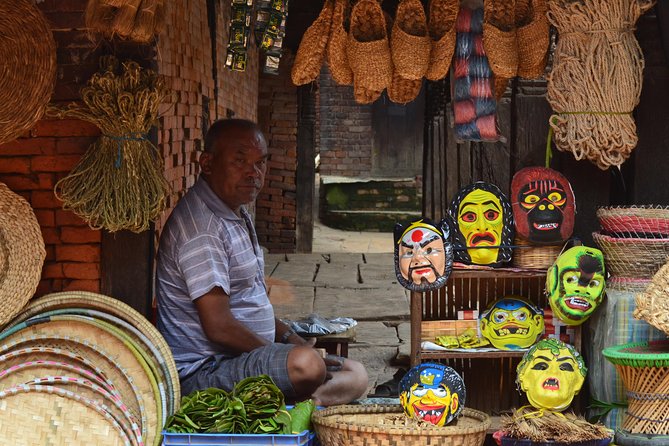
One reason this works well is the pacing. The stops aren’t designed to shove you through, and you’re given time to look around. People also mention getting some free time for photos and shopping—Bhaktapur in particular can include time for crafts, and guides may suggest places to shop for items like textiles.
Because the group is capped at 10 travelers, the guide can hold the flow without babysitting. That small group size matters when you want to:
- Ask one more question
- Walk two steps off route to see a detail
- Stop to photograph a doorway, temple carving, or pond edge
If you’re traveling solo, this format can also feel comfortable, because you’re not stuck in a big group where you disappear into the crowd.
Should you book this Bhaktapur and Panauti day trip?
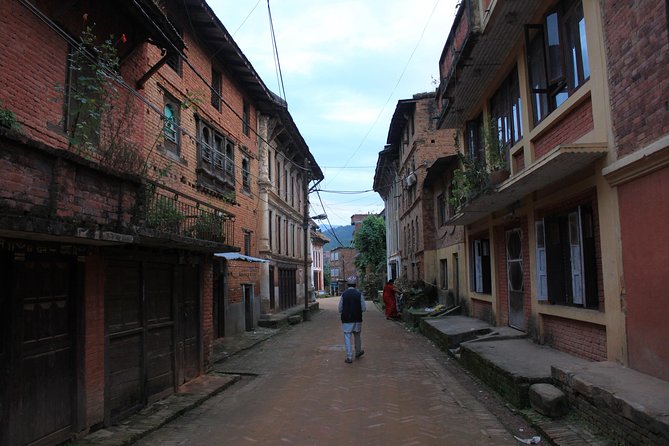
Book it if you want a strong heritage day that doesn’t feel like a checklist. Bhaktapur gives you medieval Newari city energy—temples, shrines, squares, and the daily rhythm around ponds and tanks. Panauti then turns the volume down with rivers, rice terraces, restored Rana mansions, and a community-focused home stay stop.
Skip it (or at least set expectations carefully) if you hate driving days. This is around 7 hours total, and entrance fees plus lunch can add to the budget.
If you’re in Kathmandu and you want to see more than the usual core sights, this is one of the better ways to spend a day: structured enough for history, human enough to feel real.
FAQ
What is the duration of the Bhaktapur and Panauti day trip?
It runs for about 7 hours (approx.).
What time does the tour start, and where do I meet?
The tour starts at 9:00 am at Royal Mountain Travel, Lal Durbar Marg, Kathmandu 44601, Nepal.
How much does it cost?
The price is $34.00 per person.
Is hotel pickup and drop-off included?
No. Hotel pickup and drop-off are not included.
What’s included in the tour price?
You get an English-speaking tour guide and transport by air-conditioned vehicle as per group size.
Is lunch included?
Lunch is not included.
Are entrance fees included?
No. Admission/entrance fees are applicable and are not included.
Is there a group size limit?
Yes. The tour has a maximum of 10 travelers.
Is the ticket mobile?
Yes, the tour uses a mobile ticket.
Can I get a full refund if I cancel?
Yes. Free cancellation is available up to 24 hours in advance for a full refund.