REVIEW · KATHMANDU
Upper Mustang Trekking
Book on Viator →Operated by Everest Trekking Routes Pvt. Ltd. · Bookable on Viator
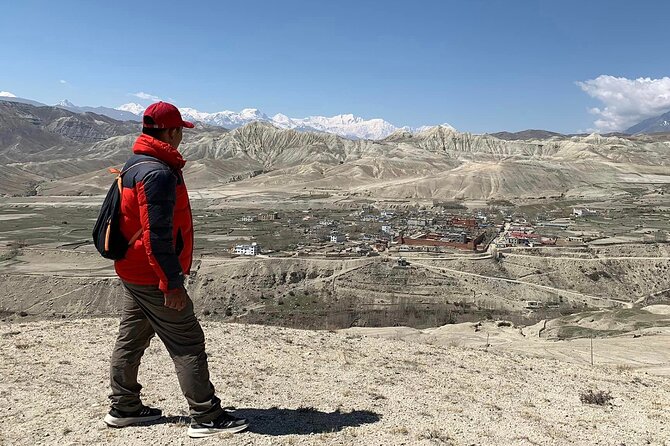
Upper Mustang feels like another planet. You get access to Lo Manthang via the Special Upper Mustang Permit, then walk through walled monasteries, ancient villages, and big mountain views on a route that stays relatively manageable in altitude.
What I like most is that the trip is built around real logistics: you travel with a government-licensed guide and a porter setup (1 porter for 2 people), and you sleep in lodge/tea houses all the way through. The one real drawback to plan for is practical comfort—this is a dusty, high-wind region, and timing on return legs matters a lot when the wind picks up after midday near Kagbeni.
In This Review
- Key things to know before you go
- Upper Mustang Permits and Kathmandu Setup: getting to the right door
- Getting from Kathmandu to Jomsom: flight day, then Kagbeni’s entry-gate feeling
- Kagbeni to Chhusang to Somare: managing climb and staying comfortable in lodge life
- Syangboche and Tsarang: big white peaks when the weather cooperates
- Reaching Lo Manthang: the walled city day you’ll remember
- Dhakmar, Ghami, and the turning point: when the trek starts to feel different
- Chhusang to Kagbeni and onward to Jomsom: wind after midday is real
- Pokhara and the final push back to Kathmandu: trade altitude for rest
- Price and value: what you’re really paying for at $2,400
- Who this Upper Mustang trek fits best
- Quick practical considerations before you commit
- Should you book this Upper Mustang trek?
- FAQ
- How long is the Upper Mustang Trekking experience?
- Where does the trip start and end?
- What permits are included for the trek?
- Are meals included in the tour price?
- What kind of accommodation do I get during the trekking days?
- What about accommodation in Kathmandu and Pokhara?
- How do you travel between Kathmandu and Pokhara, and back?
- How do you get to Jomsom and return from it?
- What fitness level do I need?
- What is the cancellation window for a full refund?
Key things to know before you go
- Special Upper Mustang Permit is part of the experience, not an extra headache, and it’s priced into the trip’s access plan.
- Lo Manthang’s core day includes visits to monastery and the king’s palace inside the walled city setting.
- Jomsom access by air (after flying in) keeps the trek focused on walking days instead of long drives.
- Lodge/tea house trekking means you’re not packing a tent, but you should expect simple rooms and basic meals.
- Wind and early starts can make or break some days, especially on the Kagbeni-to-Chhusang rhythm.
- Less crowd pressure is part of Upper Mustang’s appeal, which makes village stops feel more personal.
Upper Mustang Permits and Kathmandu Setup: getting to the right door
Your trip starts in Kathmandu, with pickup and a transfer to a hotel for the night after arrival. Day two is where the real gatekeeping happens: you can add sightseeing in the Kathmandu Valley in the morning, then you shift gears to get the Upper Mustang special access permit tied to your passport and visa.
If you’ve never handled a restricted-area permit, here’s what matters for your peace of mind: this day is for paperwork. The permit process takes a day, and you’ll want a calm schedule—no big detours, no last-minute changes. The trip also includes an Annapurna Conservation Area permit (ACAP), which is part of getting cleared for the trekking region beyond Kathmandu.
You’ll sleep in Kathmandu again after that permit day. So even though Kathmandu is busy and fast, your trekking timeline starts with a slower, more deliberate rhythm—exactly what you want before you head into a remote, rules-driven zone.
You can also read our reviews of more hiking tours in Kathmandu
Getting from Kathmandu to Jomsom: flight day, then Kagbeni’s entry-gate feeling
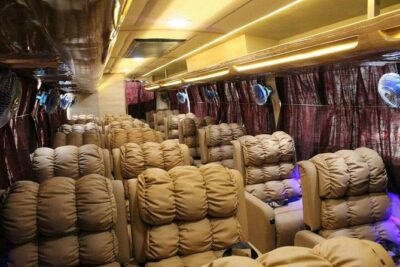
A morning bus ride takes you out of Kathmandu toward the highway corridor, with a breakfast stop along the way. The schedule is designed to get you to the domestic airport in time for your flight to Jomsom, which sits at about 2,715 meters.
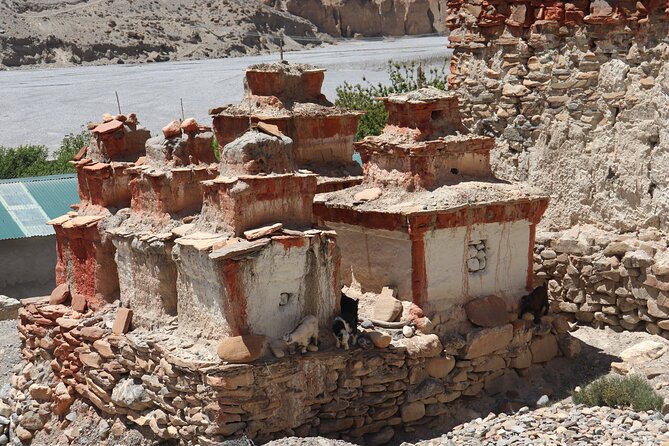
Then the trekking begins in the lower Mustang zone with the hike to Kagbeni. This is one of those stretches where scenery hits early, and the trail gives you a quick sense of the region’s high-desert character—dry ground, strong light, and villages that look built for defense and storms.
One detail you should treat seriously: Kagbeni is described as the main entry gate for the restricted area. You’ll need time for checking as you move into the special Upper Mustang zone. In practice, that means you shouldn’t assume a smooth “just walk” start—build margin into your mindset, even if your plan says 4–5 hours of hiking that day.
Kagbeni to Chhusang to Somare: managing climb and staying comfortable in lodge life
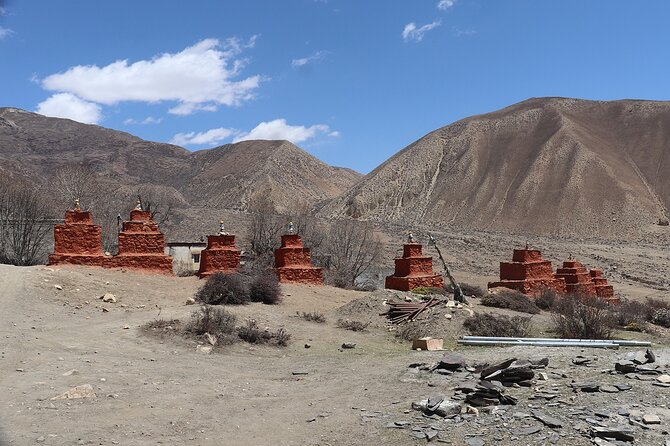
The next trekking day sends you toward Chhusang, with the trip explaining that you’ll descend to Kagbeni before continuing onward. The overall pattern here is classic Mustang pacing: don’t fight the terrain with ego, just follow the climb rhythm and let the altitude and sun set the tempo for you.
Chhusang is another checkpoint area on the way deeper into Upper Mustang. After you’ve handled that entry stage, the route opens into longer walking hours toward Somare. This day is described as normal trails—solid, mostly flat with some steps—and then a bigger climb toward Syangboche.
What I like about these mid-trek transitions is that they create a feeling of “working toward something” without turning every day into a grind. You get moments of steady walking, then you get a defined climb that sets you up for the higher viewpoints ahead. For readers who want a trek that feels challenging but not extreme, this rhythm is a big part of the appeal.
And yes, lodge life is part of the experience. You’ll rely on tea houses along the way, which means you trade carrying heavy gear for living with simple conditions—basic bathrooms, small dining rooms, and meals that are designed to keep you moving. If you like a predictable routine—eat, walk, sleep—this will suit you well.
Syangboche and Tsarang: big white peaks when the weather cooperates
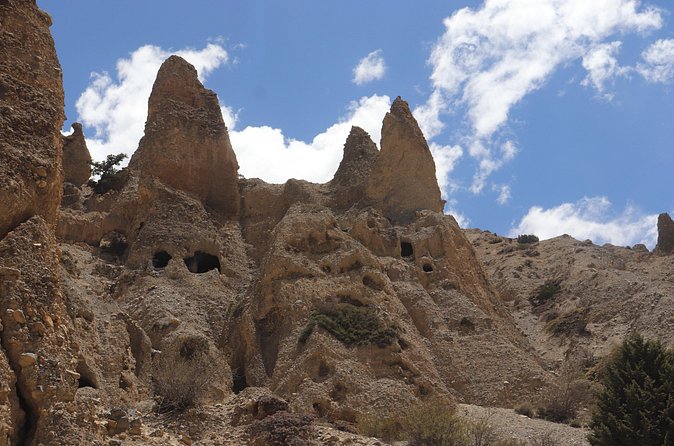
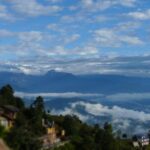
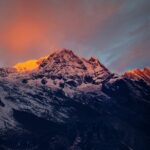
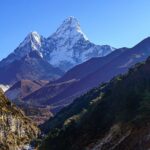
From Chhusang through to Somare and then up to Syamboche, you spend time on trails that lead you toward excellent Himalayan views. The trek calls out a standout theme: when the weather is clear, you can see major peaks—Dhaulagiri (8,167m), Annapurna (8,097m), and more—from the higher vantage zones.
You should treat “clear weather” as a variable, not a guarantee. Still, the route’s design matters: it repeatedly positions you for sightlines, so even partial clarity can feel rewarding. On clear days, the views can make you slow down without trying.
As you continue, the route follows toward Lo Manthang territory with stops that include Ghiling village and old monasteries, then pushes onward to Tsarang. The trek description frames Tsarang as a bigger village in the area, which usually means more than one place to pause, look around, and understand how daily life fits into the canyon-and-desert setting.
If you enjoy Tibetan Buddhist culture through what people actually do—rather than only what you read—these village and monastery segments are where you’ll feel the atmosphere most.
Reaching Lo Manthang: the walled city day you’ll remember
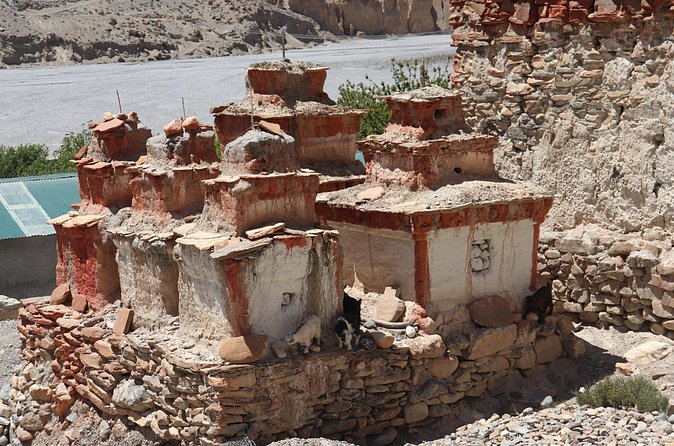
The walk to Lo-Manthan (Lo Manthang) takes about 5–6 hours, and the description emphasizes the approach: rivers and bridges, then a more deserted-feeling stretch as you near the city. That “approach moment” is important. You’re not just arriving—you’re changing environments, from open trails and village clusters into the structured, enclosed world of the walled city.
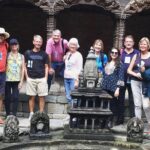
Once inside, your core Lo Manthang day is built around visits to the monastery and the king’s palace. That combination matters because it gives you both the religious and the historic civic story. You’re not only looking at buildings; you’re understanding how power, faith, and community were organized in a place designed to hold its shape.
This day is also a good time to take the pace down. Lo Manthang is not about speed. It’s about details: thick walls, colored village elements, and the sense that the city holds older rhythms more tightly than many places in Nepal do today.
A practical note: you’ll be sleeping in lodge/tea house accommodation during the trekking portion, and Lo Manthang is still a remote environment. Expect simple comfort, warm meals when available, and a calm evening with dust and footsteps instead of traffic noise.
Dhakmar, Ghami, and the turning point: when the trek starts to feel different
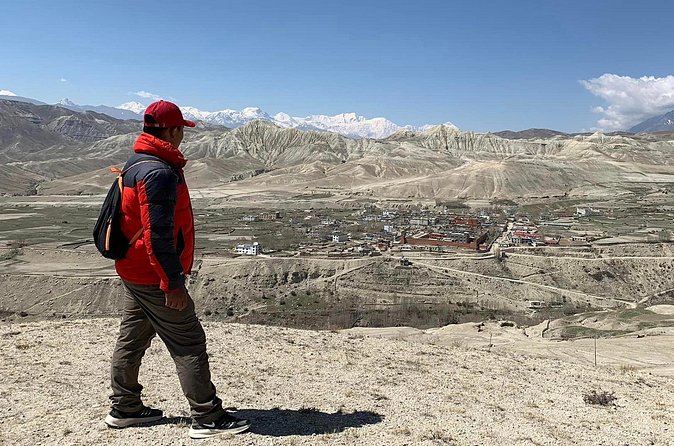
After Lo Manthang, your itinerary moves toward Dhakmar, with the day described as beginning uphill to the gompa. Again, the route uses a repeating pattern: start the day with a climb, then settle into walking as you move through the Upper Mustang valley.
The trek also emphasizes the Upper Mustang valley after Dhakmar as you go toward Ghami. Ghami is described as one of the biggest villages and monasteries on this route, plus it includes apple-garden type farm products connected to a foreigner. That’s a helpful detail: it’s a reminder that while Mustang can feel timeless, life still changes. People farm, trade, and adapt.
Then comes the big directional shift: you start descending more noticeably on the way back, including a thousand-meter descent to the Kaligandaki River described across the Chhusang return days. This kind of downhill changes how your body works. If you’re prone to knee fatigue, I’d take foot-care seriously here: slow steps, trekking poles if you use them, and don’t rush the long slopes.
Chhusang to Kagbeni and onward to Jomsom: wind after midday is real
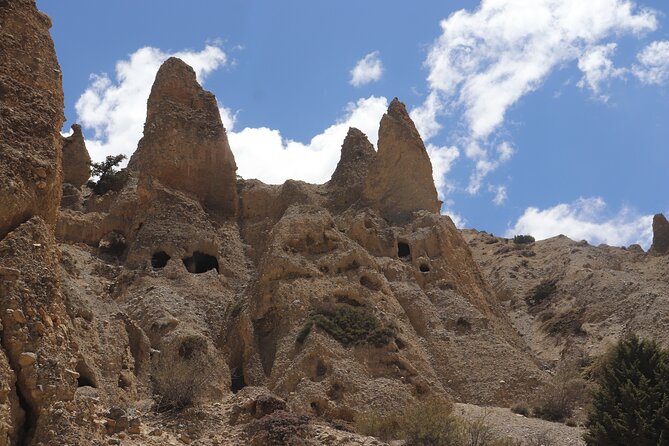
On the route back toward Kagbeni, the trek notes that you should leave a little early. The reason is direct: after 12:00 PM, strong windy conditions are expected until Kagbeni. That’s not the kind of thing you want to gamble on while you’re already tired.
Once you reach Kagbeni, the trip turns toward Jomsom with an easier, shorter hike. Jomsom is a bigger hub in practical terms: you’ll check your flight schedule for the next day, and you can visit the city for basic supplies and souvenirs. The trek description even mentions apple brandy from apple makers, which tells you something about the local economy—small producers exist here, and you can actually buy from them rather than just through a chain store.
The second part of this stage is the flight itself. Depending on your schedule, you might either eat in Jomsom or head early to the airport and wait for a domestic connection to Pokhara, described as about 25 minutes by flight.
Then you transfer to your Pokhara accommodation and settle for rest.
Pokhara and the final push back to Kathmandu: trade altitude for rest
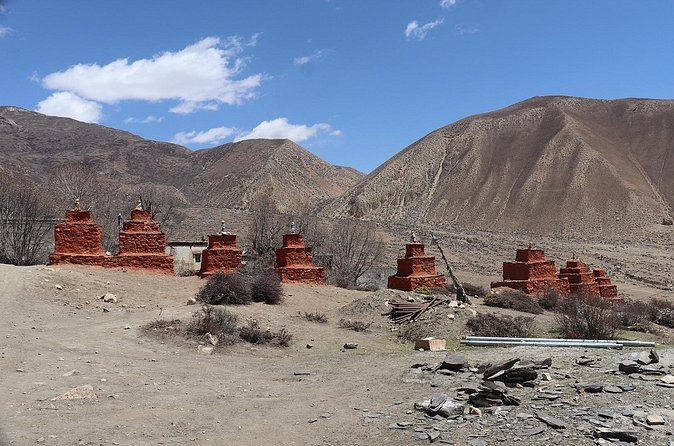
Pokhara becomes your recovery base with two nights and breakfast included. Then you take a tourist bus back to Kathmandu, described as about 7 hours once you reach the tourist bus park and catch the drive.
After days of lodge dining and trail walking, bus time can feel long. But it’s also a clean landing pad. You’ll get your bearings back and do the final logistical wrap-up before your departure.
On the last day, you’re dropped to TIA for your final flight. That final transfer is simple and helpful, especially after you’ve already handled airports and trekking-day timing.
Price and value: what you’re really paying for at $2,400
At $2,400 per person for an 18-day trip, the headline number looks steep until you break down what’s included. This price covers a lot of high-cost items that independently can add up quickly in Nepal:
- Permits: ACAP is included, plus the Special Upper Mustang Permit is listed at $500 per person for 10 days.
- Transport: you get private vehicle transfers in Kathmandu and Pokhara, a tourist bus connection between Kathmandu and Pokhara, and domestic flights between Pokhara and Jomsom.
- Guides and staffing: a government-licensed guide and porters are included, with a clear porter ratio (1 porter for 2 people).
- Lodging and food: you stay in 3-star accommodation in Kathmandu for 3 nights and in Pokhara for 2 nights, while the trekking portion uses lodge/tea houses. Meals are also mostly covered, with breakfast 17 times and 16 lunches and 16 dinners stated in the inclusions.
What’s not included is also clear: personal expenses and tips for guide/porters/drivers. If you know your group’s tipping style and budget that ahead of time, the total cost becomes easier to manage.
My take on value: this price pays for access, routing, and staffing. Upper Mustang isn’t a casual hike where you can wing it. You’re paying to get through checkpoints, move with domestic flight timing, and keep the trek run smoothly without turning your days into admin.
Who this Upper Mustang trek fits best
This trek is best for people who want a remote, culturally focused walking trip without the technical climbing side of high-mountain expeditions. The tour notes that you should have strong physical fitness for trekking, which makes sense given the combination of ascents, long walking days, and a return descent that can feel hard on knees.
It’s also a good fit if you like:
- a calmer route with fewer people (the region’s remoteness is part of the attraction),
- lodge-based trekking instead of camping,
- and a focus on Lo Manthang’s monastery and palace rather than chasing summit days.
If your goal is pure adventure for the sake of it, this isn’t a scrambling expedition. But if your goal is a steady, story-rich trek through one of Nepal’s most distinct restricted areas, this plan is built for that.
Quick practical considerations before you commit
A few things I’d plan for from day one:
- Wind and timing: you’ll get guidance that after 12:00 PM it can get strongly windy until Kagbeni on the return leg. Start early when your plan says early.
- Dust exposure: the Mustang trekking vibe can be dusty, and it’s worth bringing lip balm, sunglasses, and something to cover your face if you’re sensitive.
- Altitude awareness: you start at Jomsom around 2,715m, and the trekking route described in feedback tends to stay mostly under 4,000m. Still, you should treat acclimatization seriously because you’re sleeping in high elevations and walking daily.
- Simplicity of lodge life: expect basics. This is part of the authenticity, but it helps to travel with the right expectations.
If you need a flexible decision window, note that cancellations are allowed up to 6 days in advance for a full refund (and lower refund amounts apply if you cancel closer in).
Should you book this Upper Mustang trek?
If you’re choosing between “a normal Nepal trek” and “a restricted, culturally specific high-desert route,” I’d lean Upper Mustang for the second one. You get access through a real permit process, a meaningful Lo Manthang city day with monastery and palace visits, and a trek structure that uses lodge/tea houses so you can focus on walking, photos, and people.
I’d only hesitate if you dislike wind, dust, and the idea that travel days include domestic flight timing and checkpoint time. Also, if you don’t feel confident about daily trekking fitness, the trek’s length and ups/downs will be too demanding.
If you want your Nepal trip to feel different in both scenery and culture, this one has a strong case.
FAQ
How long is the Upper Mustang Trekking experience?
The duration is listed as 18 days (approx.).
Where does the trip start and end?
It starts with arrival in Kathmandu and ends with a drop-off at TIA (Tribhuvan International Airport) for your final departure.
What permits are included for the trek?
The trek includes the ACAP permit (Annapurna Conservation Area Project) and a Special Upper Mustang Permit priced at USD 500 per person for 10 days.
Are meals included in the tour price?
Yes. The package includes 16 lunches and 16 dinners, plus breakfast 17 times.
What kind of accommodation do I get during the trekking days?
During the trek, you stay in lodge/tea houses.
What about accommodation in Kathmandu and Pokhara?
The package includes 3 nights of 3-star accommodation in Kathmandu with breakfast and 2 nights of accommodation in Pokhara with breakfast.
How do you travel between Kathmandu and Pokhara, and back?
Kathmandu to Pokhara and Pokhara to Kathmandu are done by tourist bus.
How do you get to Jomsom and return from it?
Pokhara to Jomsom and Jomsom to Pokhara are included by domestic air ticket (described as about 25 minutes in the itinerary).
What fitness level do I need?
The tour notes that travelers should have a strong physical fitness level.
What is the cancellation window for a full refund?
You can cancel up to 6 days in advance of the experience’s start time for a full refund.