REVIEW · KATHMANDU
14 Days Everest Base Camp Trek
Book on Viator →Operated by Eco Nepal Trekkers · Bookable on Viator
Everest Base Camp gets real fast on this trek. You’ll follow a guided route that mixes classic high-altitude checkpoints with practical logistics, from Lukla to Kala Patthar. I especially like the licensed guide setup and the way the schedule builds in acclimatization days in Namche Bazaar and Dingboche. One thing to consider: your itinerary hinges on weather, especially the Lukla flight.
What makes this feel worth the time is the blend of mountain time and real Sherpa culture. I like that you pass through Sherpa communities like Benkar and Chumoa, eat regular trek meals along the way, and get time at Tengboche with its ancient monastery. And you don’t have to manage permits or route paperwork yourself because Sagarmatha/Everest National Park and TIMS are handled.
You also get a porter system designed for sanity on the trail. I like that you’ll have a porter available during the trek, with one porter shared between two clients, so you can keep your energy for the hills. The overall value depends on your willingness to train for moderate uphill days and accept early mornings when the views are waiting.
In This Review
- Key highlights to know before you go
- Why this Everest Base Camp trek feels built for real hikers
- Kathmandu warm-up in Thamel (Day 1)
- The Kathmandu to Lukla handoff: where the trek really begins (Day 2)
- Phakding to Monjo and onward: entering Sagarmatha National Park (Day 3)
- Namche Bazaar acclimatization: the “go slow on purpose” day (Day 4)
- Tengboche monastery time: the spiritual landmark and the view landmark (Day 5)
- Dingboche and the rest day that still keeps you moving (Days 6–7)
- Lobuche and the road toward Gorakshep (Day 8)
- Gorakshep to Everest Base Camp: the day you’ve been training for (Day 9)
- Kala Patthar morning: the highest point and the biggest panorama (Day 10)
- The descent back: forests, Namche, and getting your breath back (Day 11)
- Lukla again: finishing the hike with a real night’s rest (Day 12)
- Back to Kathmandu: flight timing, weather, and a final day of normal life (Day 13)
- Day 14 departure: airport transfer when you’re actually ready (Day 14)
- Price and logistics: what $2,200 buys (and what you still must plan)
- Food, lodges, and comfort level on the trail
- Fitness reality check: moderate effort, high-altitude patience
- Who should book this trek
- Should you book?
- FAQ
- Where do you pick me up in Kathmandu, and where do I stay on the first night?
- Is this trek private, and what is the minimum number of travelers?
- Are flights included, and how do the Lukla flights work?
- Are permits included for the Everest region?
- Do I get a guide and a porter?
- What meals are included, and what should I pay for in Kathmandu?
- What is the cancellation policy for refunds?
Key highlights to know before you go
- Licensed guide + porter support so you focus on walking, not organizing.
- Acclimatization stops in Namche Bazaar and Dingboche to help your body adjust.
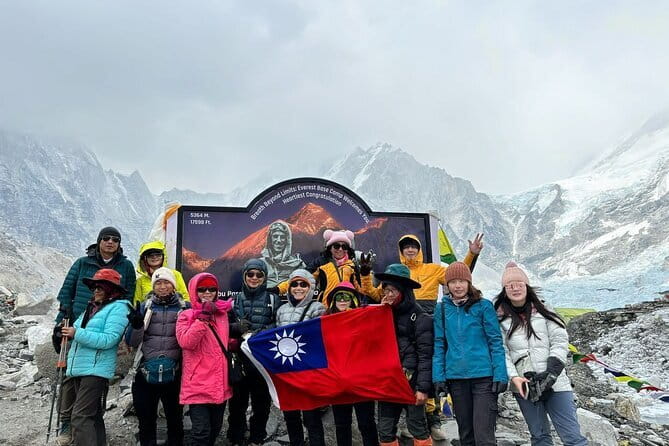
- Tengboche monastery time for prayer flags, stupas, and big Everest-region photo moments.
- Kala Patthar sunrise-style timing with a 360-degree panorama at the highest point on the route.
- All permits included for Sagarmatha/Everest National Park plus TIMS.
- Meals covered on the trek (breakfast, lunch, dinner) plus a farewell Nepali dinner.
Why this Everest Base Camp trek feels built for real hikers
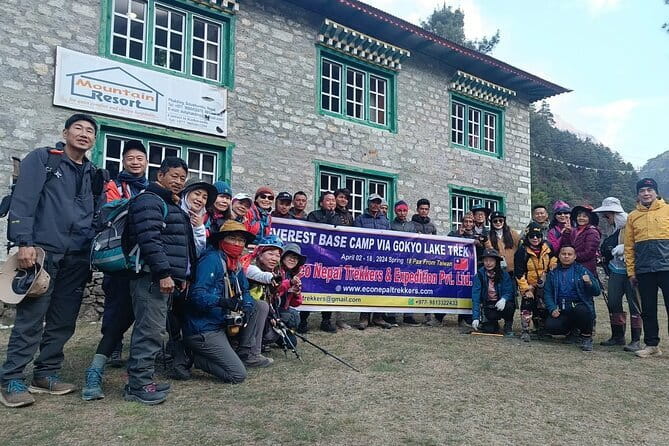
This is the kind of Everest Base Camp trek where the mountain is the main event, but the mechanics are sorted. You’re not left to figure out permits, park paperwork, or daily logistics on your own. The tour includes all necessary permits for Sagarmatha/Everest National Park and TIMS, and you’ll travel with an experienced trekking guide who’s licensed by the government.
The schedule also respects altitude. You don’t just go up, suffer, and hope for the best. You build in key rests in Namche Bazaar and Dingboche, plus a shorter active day to help you adjust rather than freeze up. If you want the classic Everest Base Camp experience without turning it into a random endurance test, this is a solid fit.
You’ll notice the tour is also set up for ease on logistics in Kathmandu. You’re picked up from the airport and housed in Thamel, which makes it easier to handle the small stuff like gear checks and last-minute questions without stressing travel day chaos.
You can also read our reviews of more hiking tours in Kathmandu
Kathmandu warm-up in Thamel (Day 1)
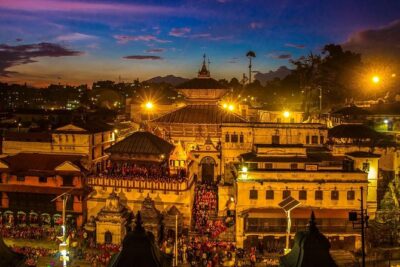
On Day 1, your representative meets you at the airport and transfers you by private vehicle to a convenient hotel in Thamel. This matters more than it sounds. Thamel is where you can calmly get oriented: shops, restaurants, and a quick feel for the city before the mountains start taking over your schedule.
You’re given time in the afternoon to explore around your hotel area. That’s useful because tomorrow starts with a longer travel chain toward Lukla. You’ll want your Kathmandu day to be functional, not a sightseeing marathon. Also, the hotel package includes two nights in a 3-star hotel on twin sharing with breakfast, so you’re not scrambling for meals before the trek begins.
The Kathmandu to Lukla handoff: where the trek really begins (Day 2)
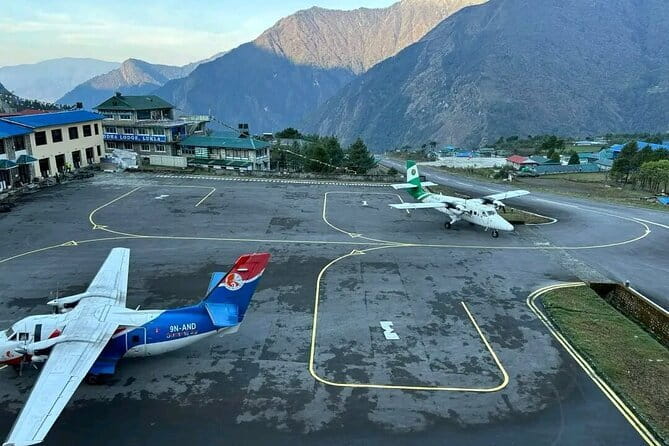
Day 2 is where Everest Base Camp turns from a plan into physical effort. The day starts with driving from Kathmandu to Manthali / Ramechhap (about 4–5 hours), followed by a short flight to Lukla (about 20 minutes).
This is a big part of the trek experience. The short flight is the gateway, but it still requires patience: weather affects schedules in the Himalayas. Then, once you land, you start walking toward Phakding. Even if you’re fresh, this day sets the tone for what’s ahead: steady hiking, narrow trails, and the rhythm of going uphill in short sections without panic.
Practical tip: pack for comfort first. Your trek bag should be organized so you’re not hunting for essentials while you’re breathing harder than you planned.
Phakding to Monjo and onward: entering Sagarmatha National Park (Day 3)
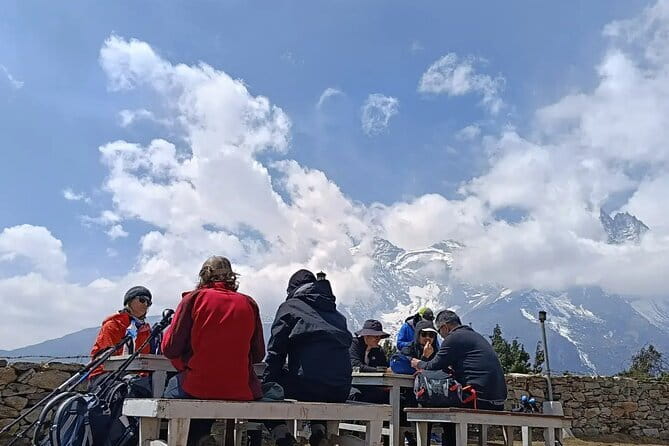
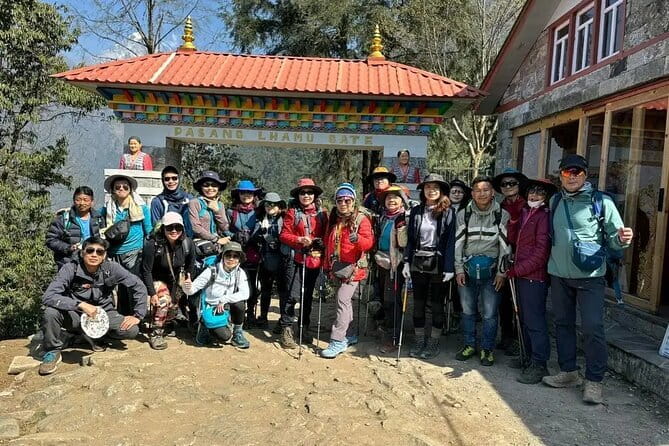
The walking day to Namche Bazaar starts after breakfast and passes through Sherpa communities like Benkar and Chumoa. You arrive at Monjo, the entrance to Sagarmatha National Park. This is more than a checkpoint box to tick. It’s a clear moment where you feel the trek become official and protected.
The route description points to uphill and steep terrain on this day. Translation: expect work. But it’s also the day where the Everest region starts to feel like a living system: villages, fields, and trail culture all moving in the same direction you are.
You finish the day at Namche Bazaar, the main hub for the Everest region and the gateway town where most trekkers reset their pace for acclimatization.
Namche Bazaar acclimatization: the “go slow on purpose” day (Day 4)
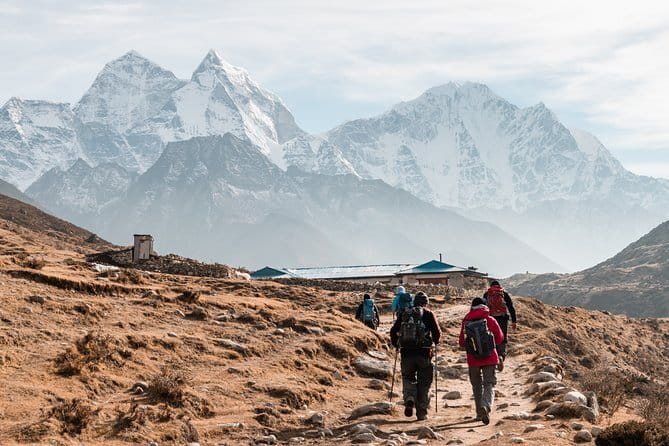
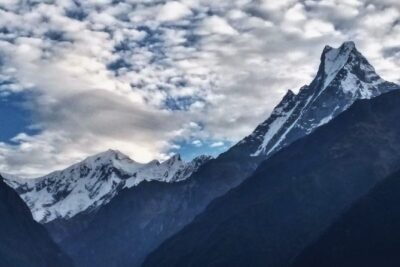
Day 4 is a key acclimatization day in Namche Bazaar. You’ll walk to the Everest View Hotel for 360-degree views, including peaks like Ama Dablam, Thamserku, Everest, and Nuptse (plus more in the broader panorama).
This day is useful because it teaches you how acclimatization works in real life. You’re not trying to break records. You’re moving enough to help your body adjust, then staying smart about recovery. The view payoff is real too. You get a wide-angle sense of the massif that makes the next days feel more meaningful.
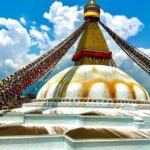
Photo note: prayer flags and stupa details show up throughout the region, and the Namche area is a great place to notice that you’re not just hiking in a barren world. It’s full of belief, pattern, and everyday life.
Tengboche monastery time: the spiritual landmark and the view landmark (Day 5)
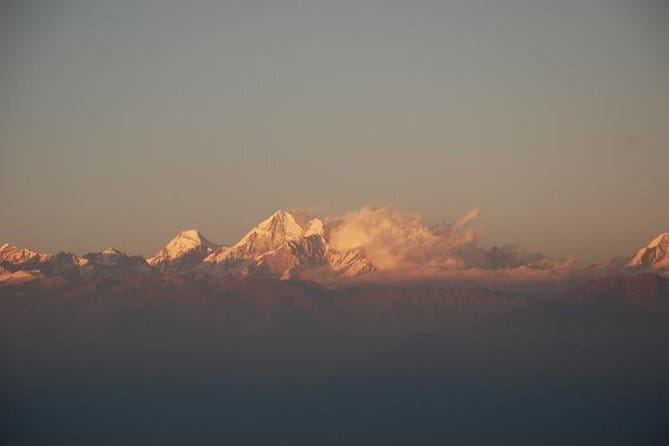
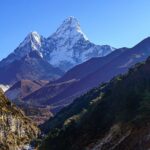
Day 5 brings you to Tengboche with a more leisurely walking feel. The idea here is fewer steep sections, which is perfect if your legs are feeling the last climb. It’s also a photographer’s day in the best way: you have time to look up at Ama Dablam, and the trail gives you lots of prayer-flag and stupa moments along the route.
Tengboche is known for its ancient monastery, and the tour frames it as a highlight for a reason. It’s a place where you can slow down and watch how the community and the mountains share the same skyline. The tour also points to sunrise and sunset views of Everest from this area, which is exactly the kind of timing that makes you understand why people keep coming back.
If you’re the type who plans your hikes around the light, this is one of your best days to do it.
Dingboche and the rest day that still keeps you moving (Days 6–7)
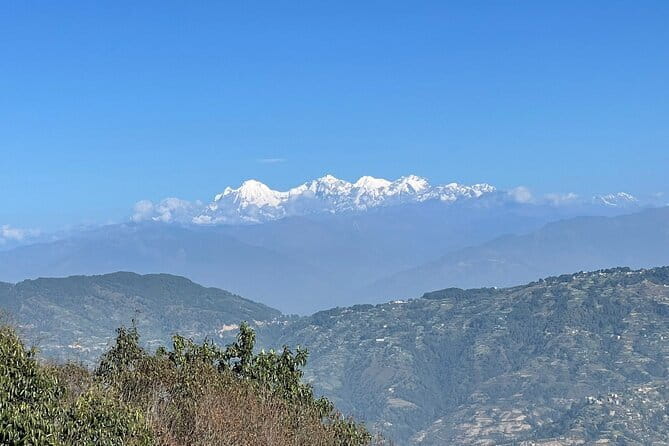
By Day 6, you head toward Dingboche, passing through settlements like Pangboche along the way. You’ll see Ama Dablam views, plus chortens and mani walls (another reminder that the Himalayas are threaded with local culture, not just altitude).
Day 7 is your rest and acclimatization day in Dingboche. Even though you take it easier, you stay active with a hike to Nagarjun Hill at about 5,100 meters. You get the best of both worlds: rest to recover, and movement that helps your body adapt.
This is the kind of schedule that works for most people with moderate fitness. You’re not resting in a way that makes you stiff and cranky. You’re resting in a way that keeps your hike muscles awake.
Lobuche and the road toward Gorakshep (Day 8)
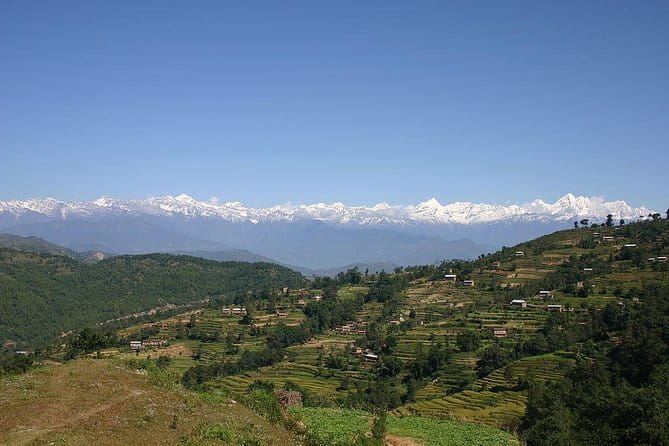
Day 8 shifts the mood toward higher country. The journey to Lobuche begins with a gradual ascent through alpine brush and yak pastures, and the views open up toward big peaks like Ama Dablam, Tawoch, and Cholotse.
This day is important psychologically. You’re no longer just walking through foothills and village trails. You’re entering the zone where the scenery feels harsher and the air feels thinner. If you keep your pace steady and your effort controlled, you’ll arrive ready for the next days, which are the ones most people dream about.
Gorakshep to Everest Base Camp: the day you’ve been training for (Day 9)
Day 9 is described as arriving at Everest Base Camp. You trek to Gorakshep, a village encircled by snow-capped mountains along the lateral moraine of the Khumbu Glacier. Then you move on to Base Camp itself.
This is one of the most meaningful days because it changes your perspective. Up to this point, you’re working your way toward a concept. Then suddenly the concept becomes a place with people, gear, and a very specific feeling in the air.
Expect a full-on dose of effort and emotion. Even if you’ve seen Everest photos before, the physical presence of the region makes your brain process it differently. You’ll understand why it’s so iconic.
Kala Patthar morning: the highest point and the biggest panorama (Day 10)
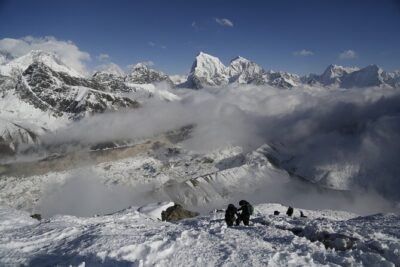
Day 10 starts before dawn with a strenuous trek to Kala Patthar, described as the trek’s highest point at about 5,545 meters.
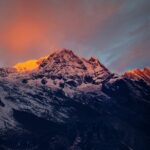
The payoff is a 360-degree panorama that includes Everest, Nuptse, Lhotse, and Ama Dablam, among others. This is not just about height. It’s about clarity. On a good morning, you see far enough to realize how the peaks relate to each other rather than just staring at one giant skyline feature.
Practical reality: this is a cold morning kind of day. Dress for it, move steadily, and keep your breathing controlled. If you’ve paced yourself well earlier, you’ll feel like you earned the view instead of survived it.
The descent back: forests, Namche, and getting your breath back (Day 11)
On Day 11, you move back toward Namche Bazaar. The trek declines in the description, though there are still uphill stretches. The scenery shifts as well: the forests and flora start to return, which makes the route feel less like a high-alpine corridor and more like a living trail system again.
This is often when people feel torn. You’re closer to the end, but the legs can still be tired. Focus on stable footing and controlled downhill effort. Even when the altitude is lower, knees still notice.
Lukla again: finishing the hike with a real night’s rest (Day 12)
Day 12 returns to Lukla. This is the last day of hiking, so the goal becomes finishing strong and then letting your body recover instead of pushing for extra sightseeing.
Once you arrive in Lukla, you relax and sleep well. After days of thin air and steep trails, a proper night is part of the experience, not an add-on.
Back to Kathmandu: flight timing, weather, and a final day of normal life (Day 13)
Day 13 is all about the exit from the mountains. Depending on flight availability and weather, you either fly to Kathmandu or to Manthali Airport, then continue back.
You’ll also have time to shop around once you’re back. That’s useful because you’ll likely want to pick up small Nepali gifts and remember the trail through objects, not just photos.
This day helps you transition from hiking mode to city mode without feeling rushed.
Day 14 departure: airport transfer when you’re actually ready (Day 14)
Three hours before your scheduled departure, a staff member takes you to the airport. Then you say goodbye to Nepal with the kind of memory that doesn’t need constant explanation.
After an Everest Base Camp trek, even a simple airport transfer feels like luxury. You’ve earned the calm ending.
Price and logistics: what $2,200 buys (and what you still must plan)
At $2,200 per person for 14 days, the key value is what’s already included. You get:
- Airport pickup and drop-off via private vehicle in Kathmandu
- Domestic flight ticket (LUK-RMH-LUK) and domestic airport tax
- 2 nights 3-star hotel in Kathmandu (twin sharing) with breakfast
- Meals on the trek: breakfast, lunch, dinner
- Permits: Sagarmatha/Everest National Park and TIMS
- Licensed trekking guide plus a porter (shared: 1 porter for two clients)
- Farewell dinner in a typical Nepali restaurant
- An achievement certificate
What’s not included is equally important for budgeting:
- Nepal entry visa fee
- International flights and international airport taxes
- Travel insurance, including high-altitude emergency evacuation coverage
- Personal trekking gear
- Lunch and dinner meals in Kathmandu
- Hot showers, WiFi, bar and beverage bills
- All drinks during the trek (including water/tea/coffee unless you arrange otherwise)
- Tips for guide, porter, and driver
So yes, $2,200 can feel like a lot until you break it down. When you see the flights, permits, guide, porter, and most meals are already handled, it starts to look less like a random price tag and more like paying for risk reduction and convenience in one of the hardest places on earth to improvise.
Food, lodges, and comfort level on the trail
The trek includes breakfast, lunch, and dinner, which helps a lot because you don’t have to track meal costs daily. You’ll also have a farewell dinner at a typical Nepali restaurant, which is a nice cultural bookend.
Comfort-wise, expect basic. The tour specifically notes that hot shower, WiFi, and beverages bills are not included. That doesn’t mean you’ll have a rough time; it means you’re choosing an active mountain experience over hotel comfort. Bring that mindset and you’ll enjoy it more.
Fitness reality check: moderate effort, high-altitude patience
The tour says you should have a moderate physical fitness level. That’s fair, but it’s not the same thing as being comfortable with steep climbs and thin air. Even if you feel fit in normal life, you’ll likely need time to adjust once you reach higher elevation.
Your best strategy is simple:
- Go slower than you think you should
- Keep walking steadily, not aggressively
- Plan for cold mornings, especially near the highest points
Kala Patthar and the pre-dawn timing on Day 10 are proof that this trek asks for effort where you least feel like giving it. The schedule’s rest and acclimatization days are there so you can meet those moments with less drama.
Who should book this trek
This is a good match if you:
- Want the classic Everest Base Camp route with culturally meaningful stops like Tengboche
- Prefer a private tour format where it’s just your group
- Appreciate a plan that includes acclimatization rather than constant uphill pressure
- Like the idea of having a porter so you can carry the essentials and keep your energy for the climb
If you’re chasing luxury or guaranteed weather, this won’t be your style. But if you want a guided, structured Everest trek that’s focused on real trail days and real mountain views, it fits nicely.
Should you book?
If you want Everest Base Camp with permits handled, a licensed guide, and real acclimatization built into Namche Bazaar and Dingboche, I’d put this trek high on your list. The itinerary also hits the right moments: Tengboche’s monastery area, then the big view day at Kala Patthar.
Your main decision factor is your comfort with uncertainty. Weather can affect flights, and altitude demands steady patience. If you’re okay with that trade, this trek is a strong value at $2,200, because the big logistics pieces are already taken care of.
FAQ
Where do you pick me up in Kathmandu, and where do I stay on the first night?
You’ll be picked up from the airport in Kathmandu and taken by private vehicle to a hotel in Thamel. The trek includes 2 nights in a 3-star hotel in Kathmandu with breakfast.
Is this trek private, and what is the minimum number of travelers?
Yes, it’s a private tour/activity, and it requires a minimum of 2 travelers. Only your group participates.
Are flights included, and how do the Lukla flights work?
The price includes a domestic flight ticket (LUK-RMH-LUK) and domestic airport tax. On Day 2, you drive from Kathmandu to Manthali/Ramechhap and then fly to Lukla. On Day 13, your return to Kathmandu depends on flight availability and weather.
Are permits included for the Everest region?
Yes. The tour includes all necessary permits for Sagarmatha/Everest National Park and TIMS.
Do I get a guide and a porter?
Yes. An experienced trekking guide licensed by the government is included. A porter is available during the trek to carry your luggage, with 1 porter assigned to two clients.
What meals are included, and what should I pay for in Kathmandu?
Meals during the trek include breakfast, lunch, and dinner. Lunch and dinner meals in Kathmandu are not included, and drinks are also not included.
What is the cancellation policy for refunds?
You can cancel up to 6 days in advance for a full refund. Canceling 2–6 days before the start time gives a 50% refund, and canceling less than 2 days before the start time is not refundable.