REVIEW · KATHMANDU
10 Days Manaslu Circuit Trek in Larke La Pass
Book on Viator →Operated by Himalayan Scenery Treks and Expedition - Private Day Tours · Bookable on Viator
Larke La feels like the circuit’s finish line. This 10-day Manaslu Circuit trek builds toward Larke La Pass at 5,160m, with guided support, tea-house lodging, and a route that mixes river valleys, Gurung villages, and real high-altitude trekking.
I especially like the safety rhythm built into the trek, including an oximeter check twice daily and a medical kit on hand.
Two things I really like: an acclimatization day in Sama Gaon with clear options (Pungyen Gompa or Manaslu Base Camp walk), and the way the guides run the trip with practical pacing. In past departures, guides such as Narayan Ntc and Gopal have been described as dependable and attentive to different fitness levels, and support in Kathmandu has included Naresh, who is noted as easy to deal with.
The one consideration: you are still doing a serious high-altitude trek, and some stretches are long (with a notably long walking day around the Larke La approach). Add in shared tea-house rooms and long drive days, and you will want to be comfortable with a bit of basic trekking life.
In This Review
- Key things that make this trek work
- Manaslu Circuit’s Larke La moment at 5,160m
- What’s included (and why it matters more than you think)
- From Kathmandu to Machha Khola: the travel day you can’t skip
- Day 2–5: Jagat, Deng, Namrung, Sama Gaon—villages and steady altitude building
- Day 2: Machha Khola to Jagat
- Day 3: Jagat to Deng (via Philim)
- Day 4: Deng to Namrung
- Day 5: Namrung to Sama Gaon
- Sama Gaon acclimatization: Pungyen Gompa or Manaslu Base Camp walk
- Dharamsala to Bhimtang: the longest day and the approach to Larke La
- Bhimtang to Dharapani and the long way back to Kathmandu (or Pokhara)
- Price and logistics: is $1,049 worth it here?
- Should you book this 10-day Manaslu Circuit with Larke La Pass?
- FAQ
- How long is the Manaslu Circuit trek with Larke La Pass?
- Where does the trek start, and how do you get there?
- What is the highest point of the trek?
- Are permits included?
- What kind of lodging do you get on the trek?
- Is the guide and porter included?
- How is altitude safety handled?
- What meals are included?
- What is the maximum group size?
Key things that make this trek work
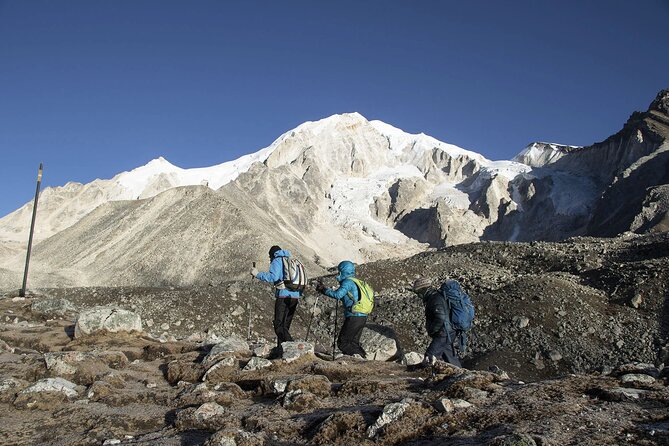
- Permits handled in advance (ACAP, MCAP, and restricted area entry permits)
- Safety checks on altitude with an oximeter twice daily plus a medical kit
- An acclimatization day in Sama Gaon with options like Pungyen Gompa or Manaslu Base Camp walk
- The Larke La push to 5,160m during the longest walking segment
- Porter support (1 porter for every 2 trekkers) to keep your load manageable
- Small group size up to 20 trekkers for a more controlled experience on trail
Manaslu Circuit’s Larke La moment at 5,160m
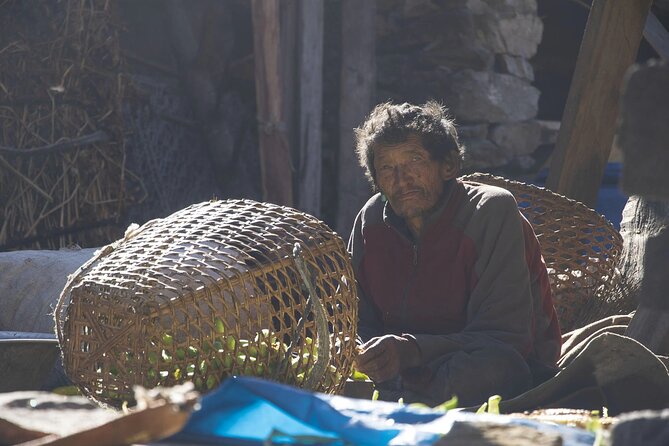
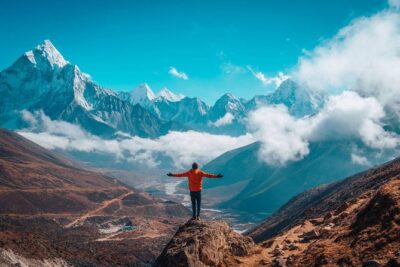
If you like your trekking rewards to feel earned, this one lands well. The headline is Larke La Pass at 5,160m. That altitude matters because it is the point where weather can change fast and your legs notice every meter. On this trek, you are not just walking for photos. You are working toward a big, high pass view, with the rest of the days staged to get you there as safely as possible.
The other reason the Larke La goal feels special is the overall feel of the Manaslu region. You move through smaller settlements and valley paths tied to real village life, not just a single scenic corridor. You see Gurung villages along the Budi Gandaki river bank early on, then the route gradually shifts into more remote terrain as you gain altitude.
One practical detail I appreciate: the trek is set up for trekking lodges (tea houses) rather than camping. That means your day after the pass can still be normal in the sense of having a place to sleep and eat without extra logistical stress.
Still, respect the pass day. Even if you are fit, you are dealing with thinner air, possible wind, and tired legs from the long walking schedule. Your best strategy is simple: follow your guide’s pacing and take altitude monitoring seriously.
You can also read our reviews of more hiking tours in Kathmandu
What’s included (and why it matters more than you think)
This trek is priced at $1,049 per person, but the value comes from how many of the real trip essentials are handled for you. You are not just buying a route. You are buying reduced decision-making on your part.
Here is what you get that directly affects your day-to-day stress level:
- Permits included: ACAP, MCAP, and restricted area entry permits
- Guide included: government licensed, with salary, food, drinks, accommodation, transport, and insurance covered
- Porter included: 1 porter for 2 trekkers, with food, accommodation, transport, insurance, and salary
- Lodge lodging included: trekking lodges (tea houses), shared with other trekkers
- Meals included: breakfast (10), lunch (9), dinner (9)
- Altitude safety support: medical kit available and an oximeter used twice daily to monitor pulse, oxygen saturation, and heart rate
- Emergency support planning: severe case evacuation management is included
That oximeter detail is worth highlighting because it is not just a token. It signals that the trek is managed as a health-and-safety process, not only a schedule process.
What you do not get is also important. Drinks are not included, and battery charging, internet, and hot shower are not covered. Tipping for guide/porter/driver is not included either, so plan for that cost separately.
And yes, you also get a few trip extras that help on the trail: a trekking map, trekking hat, duffel bag, and an achievement certificate. Small stuff, but they reduce friction and give you a cleaner start.
From Kathmandu to Machha Khola: the travel day you can’t skip
Day 1 starts with a long drive out of Kathmandu to Machha Khola. Expect about 8 to 9 hours on the road. This matters because it sets the tone. You will likely arrive tired, not in trekking shape yet, and that is normal. The first walking day is usually where people overestimate their energy after sitting for hours. Your best move is to keep Day 1 easy and treat it like a warm-up, not a workout.
The trek also includes shared vehicle transportation for this leg. That is a value point because it handles a big logistical chunk for you. You also get pickup offered, and the tour uses a mobile ticket, which tends to simplify day-of verification.
One more practical note: you are in Nepal doing a high route, so road conditions can affect timing. In past departures, guides have been praised for organizing around issues like road or weather disruptions. That is exactly what you want on a trekking start day: a guide who stays calm, keeps the group moving, and reduces chaos before you even hit the trail.
When you reach Machha Khola, you are transitioning from city time to river-valley trekking time. This is where you start to feel the rhythm: walk, rest, eat, sleep, repeat. Early on, the route along the Budi Gandaki river corridor is the foundation for later days. You are building stamina gradually while your body adjusts to a more active schedule.
Day 2–5: Jagat, Deng, Namrung, Sama Gaon—villages and steady altitude building
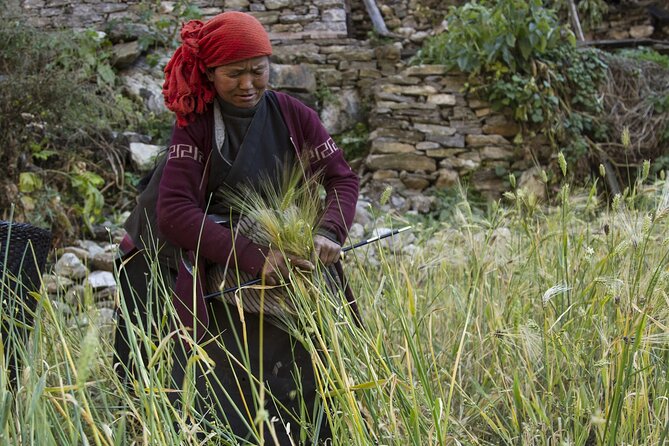
These middle days are where the trek starts feeling like a true circuit, not just a sequence of uphill walks.
Day 2: Machha Khola to Jagat
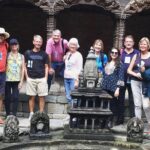
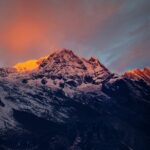
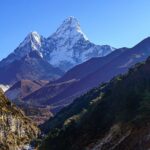
You trek about 6 hours along the Budi Gandaki river bank. The big draw here is the human scale: you pass Gurung villages, and the trail feels connected to everyday life rather than only dramatic mountain walls. If you enjoy culture while you walk, this is a good day to slow down and look around.
Day 3: Jagat to Deng (via Philim)
The walk is around 6 to 7 hours. You cross a river and continue through terrain that starts to feel more remote. The day includes a mention of moving toward Philim as part of the route, which signals you are traveling through a network of small settlements rather than a single track.
Day 4: Deng to Namrung
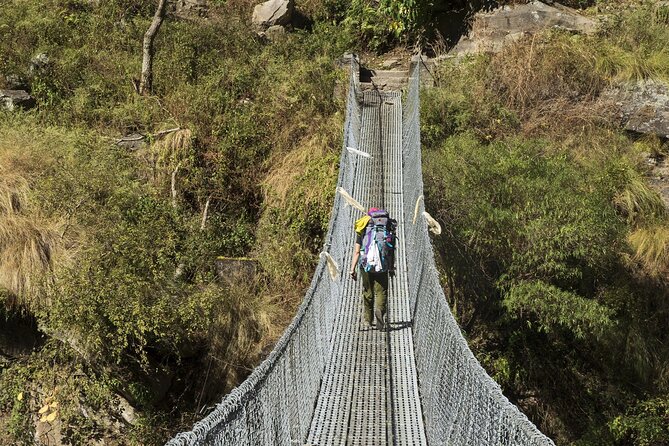
This day takes about 7 to 8 hours. The route includes a suspension bridge and an ascent toward Rana and Bihi Phedi. Suspension bridges on trekking routes can be a fun mental marker: you feel the movement, you notice the river depth, and you understand you are in real Nepal trekking territory. If you get nervous with heights, it is still manageable, but it is worth keeping your pace steady and your focus on footing.
Day 5: Namrung to Sama Gaon
This leg runs 6 to 7 hours and covers about 15.5 km. That distance makes it feel like a proper trekking day rather than a quick hop. At the end of the day, you reach Sama Gaon, which becomes the base for acclimatization.
By Day 5, you should have a rhythm: longer steady segments, short breaks, and enough rest to handle the pass later. If you pace well, you will arrive at Sama Gaon feeling like you have control over your energy.
Sama Gaon acclimatization: Pungyen Gompa or Manaslu Base Camp walk
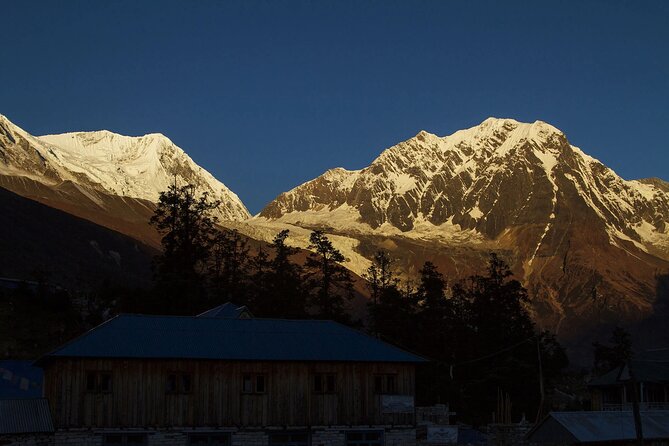
Day 6 is a key reason this trek works for real people, not just hardcore trekkers. You get an acclimatization day in Sama Gaon. It includes two day-trip options:
- Pungyen Gompa to the east of the Nubri Valley
- Manaslu Base Camp area walk (the trek description notes this as a possible option)
Why this matters: altitude gains are not linear. Your body needs time to adjust so you do not pay for speed later. A planned acclimatization day also reduces the risk of starting the Larke La approach already depleted.
What I like about having options is that you can match the day to your mood and your body. If you feel strong and steady, you have a target. If you feel tired or cautious, you still get movement without having to commit to a full extra pass-style push.
Also, this is where you will likely notice weather differences. At these elevations, clouds can roll in and out quickly. If visibility improves, it can make the views feel extra sharp. If it is hazy or cold, it is still worth going slowly and keeping your focus on oxygen, warmth, and hydration.
This is also where the guide’s coaching matters. The trek support system includes safety monitoring, and a good guide will help you choose the option that fits how you are feeling that morning.
Dharamsala to Bhimtang: the longest day and the approach to Larke La
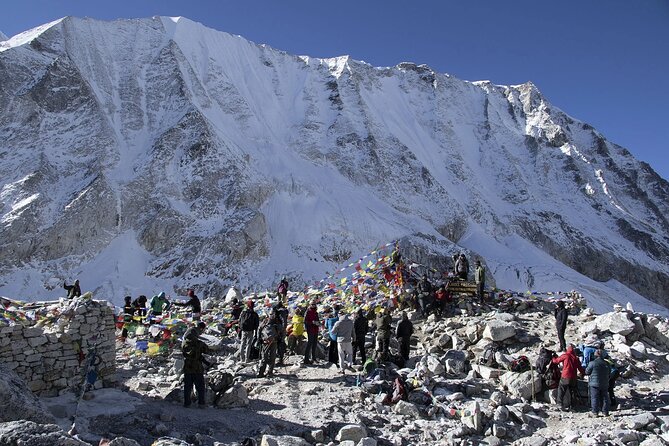
Day 7: Sama Gaon to Dharamsala is about 6 to 7 hours. You enter a zone described as yaks territory, and that detail is more than flavor text. It hints that you are moving through a more working mountain environment, with livestock and seasonal patterns affecting the feel of the trail.
Day 8 is the longest walking day: Dharamsala to Bhimtang takes about 8 to 9 hours. The description specifically points you toward the Larkya La pass. That means Day 8 is the day you should mentally prepare for the high-altitude push even if the exact summit moment feels like it happens at a certain point within that segment.
What makes Day 8 different:
- It is long enough that foot fatigue becomes a real issue.
- It is high enough that breathing feels different, even when you are fit.
- It is psychologically important because it is the lead-in to the pass goal.
This is also where I trust the included safety approach. The trek setup includes an oximeter used twice daily, and having that check framework usually helps the guide manage rest stops and pace. In past experiences, guides like Narayan Ntc and Gopal have been described as considerate about fitness levels, which is exactly what you want here.
If you are new to altitude trekking, do not treat this day like a speed trial. Your job is to keep moving without spiking effort. You want consistent breathing, consistent pace, and minimal panic if weather changes.
Bhimtang to Dharapani and the long way back to Kathmandu (or Pokhara)
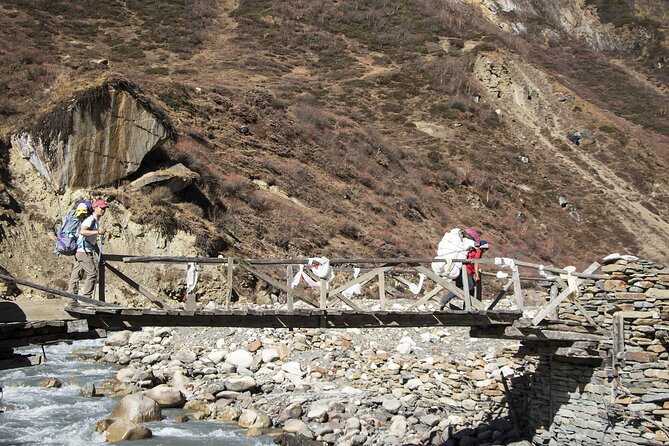
Day 9: Bhimtang to Dharapani takes about 8 hours and includes a gradual descent. The route goes through Karche village, and the description notes that the surroundings start to open up as you descend. That can feel like a relief, but it can also bring a different kind of strain: knees and ankles working on downhill.
Downhill sounds easy until you have 8 hours of it. Your best approach is steady steps, not fast downhill bursts. If you feel sore, ask your guide to help adjust the break rhythm. Even small timing changes can save you for Day 10.
Day 10 is the exit: Dharapani to Besisahar is listed as about 1 hour, then you drive onward back to Kathmandu or Pokhara depending on your travel plans. The drive is about 8 to 9 hours in the description, which means your last day is not short on travel. Plan to treat it like recovery mode rather than sightseeing mode.
This final transfer piece matters for trip value. Many treks stop at the last village and leave you to arrange everything else. Here, the return transportation is included as part of the package, with shared vehicle handling the journey back.
Price and logistics: is $1,049 worth it here?
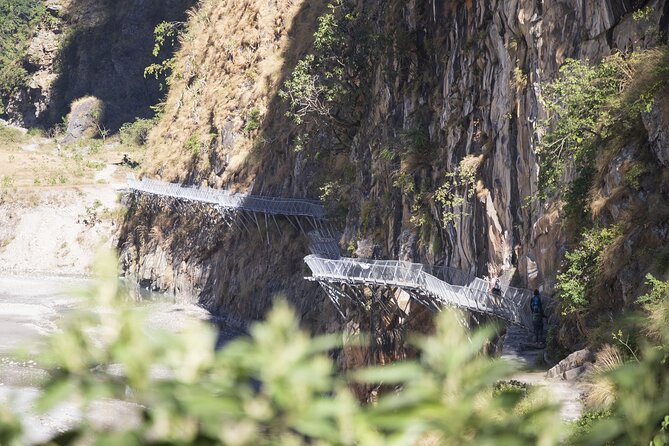
For $1,049 per person, you are paying for a managed trek where the heavy lifting is done for you: permits, licensed guide support, porter service, tea-house lodging, and a lot of meal coverage. That is the part you feel every day.
If you try to self-arrange this trek, the permit work (including restricted area entry) and the coordination burden can be the headache. Here, the trek includes permits such as ACAP and MCAP, which removes a major planning risk.
The value also comes from the human support structure:
- A government licensed guide who handles route planning, daily decisions, and group management.
- A porter for 1–2 trekkers, which is a big deal if you want to finish the pass day without carrying an extra weight burden.
- An oximeter check twice daily, plus a medical kit and severe case evacuation management.
Your extra costs to plan for:
- Nepal entry visa fee (listed as $15 to $125)
- Tipping for guide, porter, and driver
- Meals and hotel in Kathmandu (not included)
- Alcohol, soft drinks, charging, internet, and hot showers (not included)
So is it worth it? If you want a smooth, guided, permit-supported trek with built-in altitude monitoring and porter help, it often is. If you are extremely budget-only and plan to do your own logistics, you might find cheaper routes elsewhere—but you would be trading away a lot of the support system that helps you handle the high point at 5,160m.
Should you book this 10-day Manaslu Circuit with Larke La Pass?
You should book if:
- You want the Manaslu Circuit without taking on permit and logistics work yourself.
- You like the idea of tea-house trekking with meals included, not camping complexity.
- You appreciate health-minded support, especially oximeter monitoring twice daily.
- You want a real challenge day (the long segment toward Larke La) but with an acclimatization day in Sama Gaon first.
You might think twice if:
- Long travel days and shared lodging do not fit your comfort level. Day 1 starts with an 8–9 hour drive, and Day 10 includes a drive back to Kathmandu or Pokhara.
- You dislike high-altitude trekking pacing. This trek reaches 5,160m, so you need to follow guidance closely.
If you want an adventure that feels authentic, organized, and geared toward finishing the pass safely, this one makes strong sense. The guide experience matters a lot here, and the fact that guides such as Narayan Ntc and Gopal have been praised for dependability and fitness-aware pacing is a good signal for how the trek is run in practice.
FAQ
How long is the Manaslu Circuit trek with Larke La Pass?
It runs for about 10 days.
Where does the trek start, and how do you get there?
The experience is based in Kathmandu, Nepal, with shared vehicle transportation from Kathmandu to Machhkhola at the start.
What is the highest point of the trek?
The highlight is Larke La Pass at 5,160 meters.
Are permits included?
Yes. The package includes necessary permits, including ACAP, MCAP, and restricted area entry permits.
What kind of lodging do you get on the trek?
You stay in trekking lodges (tea houses) that are shared with other trekkers.
Is the guide and porter included?
Yes. A government licensed guide is included, and there is a porter (1 for 2 trekkers), with their support and related costs covered.
How is altitude safety handled?
You get access to a medical kit and an oximeter that monitors pulse, oxygen saturation, and heart rate twice daily.
What meals are included?
Breakfast is included for 10 days, and lunch and dinner are included for 9 days each.
What is the maximum group size?
The trek has a maximum of 20 travelers.