REVIEW · KATHMANDU
Spiritual Journey to Kailash Manasarovar 16 Days Overland Trip
Book on Viator →Operated by Kaleidoscopic Nepal · Bookable on Viator
Kailash has a way of changing your pace. I love the evening Pashupatinath aarti in Kathmandu, and I love the careful altitude support with oxygen and daily blood-oxygen checks. One possible drawback: this is not a walk-in-the-park trip, and the Kora days plus high passes demand real stamina, plus a few extras may still pop up.
You’ll travel in a small group (up to 10), with fixed departure dates for easier planning. The itinerary blends spirituality (pujas, monasteries, circumambulation) with practical rhythm (private transport, full-board meals, and frequent check-ins), so you’re not left guessing what comes next.
In This Review
- Key points at a glance
- Why this Kailash–Manasarovar route starts in Kathmandu
- Pashupatinath aarti and the UNESCO stops that set your mindset
- Visa day, Chandragiri Hills, and Bhaktapur’s Shiva connections
- Kathmandu sightseeing plus Shivapuri National Park hiking
- Crossing into Tibet: Kyirong, Saga, and the altitude rhythm
- Lake Manasarovar puja: the moment the journey turns
- Darchen and the Kora trek: Darchen to Diraphuk, then over Dolma La
- Support that matters: team care, oxygen access, and daily health checks
- Return days: Saga back to Kyirong, then a long drive to Kathmandu
- Price and value: what $3,999 covers (and why it can be worth it)
- Who should choose this tour (and who might want a different fit)
- Fixed departure dates to plan around
- Should you book this Kailash Manasarovar overland trip?
- FAQ
- What documents do I need for the Tibet entry permit?
- Where does the tour start and what time?
- How many people are in the group?
- What’s included, and what should I expect to pay extra?
- Is there a fitness requirement for the trek?
- What’s the cancellation window for a refund?
Key points at a glance
- Small group size (max 10) keeps the experience calmer and easier to manage on long travel days
- Altitude help is built in: oxygen cylinder available plus daily monitoring of blood pressure and blood oxygen
- Tibet permits and visa fees are included, saving you from the hardest part of the paperwork
- Real ritual time, including a puja at Lake Manasarovar and Hindu and Tibetan spiritual stops en route
- Kashyap’s team support (chef/porter/guide) is a standout strength for comfort and follow-through
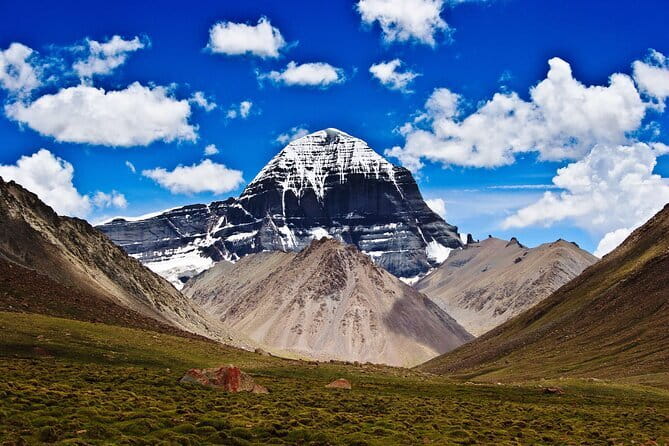
- You do the Kora on foot for multiple days, with the Dolma La pass as the big spiritual-and-physical highlight
Why this Kailash–Manasarovar route starts in Kathmandu
Most Kailash trips jump straight into Tibet. This one gives you a strong spiritual warm-up first, and that matters, because the Kora later feels like it has weight—physically and mentally.
Kathmandu also helps you settle into the trip pace. You’ll do temple moments and UNESCO sites before the border crossing, so your trip isn’t all road time right away. That first taste of faith, bells, chants, and prayer flags gives you context for why people come out here in the first place.
Also, this tour is overland. That means you get long stretches of Himalayan foothills, plateau views, and village life. It’s slower than flying, but it can feel more connected, especially once you start moving toward the Tibetan plateau.
You can also read our reviews of more tours and experiences in Kathmandu.
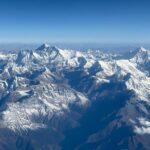
Pashupatinath aarti and the UNESCO stops that set your mindset
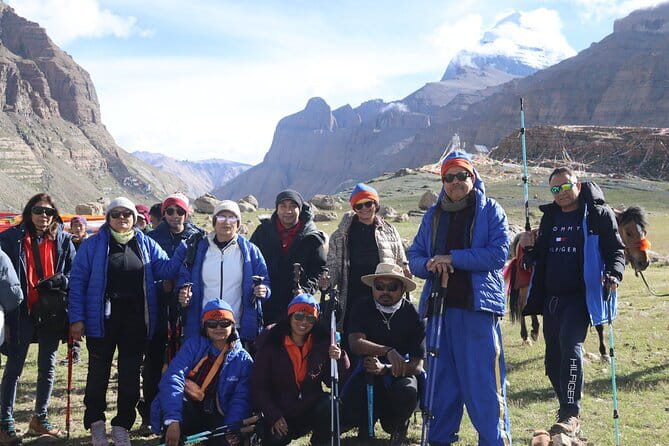
Day 1 is all about the evening aarti at Pashupatinath Temple on the Bagmati River. The ritual centers on prayers to Lord Shiva, with devotees offering lamps and singing hymns as the chanting carries along the river. If you care about the human side of spirituality, this is the moment that often turns a trip from sightseeing into something more personal.
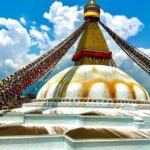
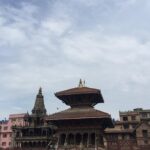
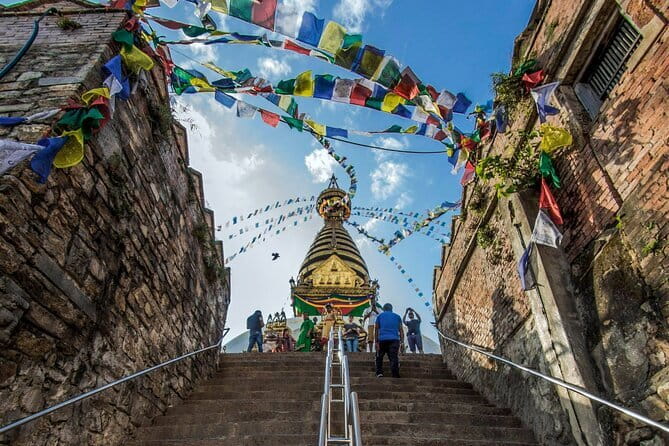
From there, the tour builds in major UNESCO landmarks: Swayambhunath (Monkey Temple), Boudhanath Stupa, Pashupatinath again within the city loop, and Patan Durbar Square. You don’t just see the buildings—you get a feel for how religion shapes daily life here. Even the architecture reads like a map of beliefs and power.
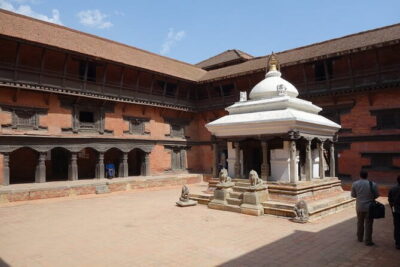
Then come Bhaktapur Durbar Square and its medieval details, plus stops tied to Shiva worship. The point isn’t to collect stamps. It’s to understand the symbolism you’ll later see around Kailash and the lake.
If you’re sensitive to crowds or early mornings are hard for you, keep this in mind: temple areas can get busy and camera-friendly. Plan to move at a steady pace, and don’t over-schedule your own energy before Tibet.
Visa day, Chandragiri Hills, and Bhaktapur’s Shiva connections
In Kathmandu, you’ll handle the Tibet visa process with time built in before heading to the border route. There’s a dedicated segment for the Chinese Visa Centre, then later time for collecting the visa. For many people, this is the least spiritual part of the whole journey—but it’s also what makes the rest possible.
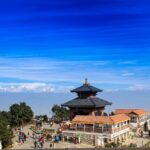
After visa formalities, the itinerary sends you to Chandragiri Hills. It’s a simple break from paperwork, with views over the Kathmandu Valley that help you get your bearings. If you’re feeling tense about altitude and the long drives ahead, this is a good reset: fresh air, open sightlines, and a chance to slow down.
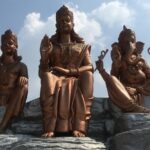
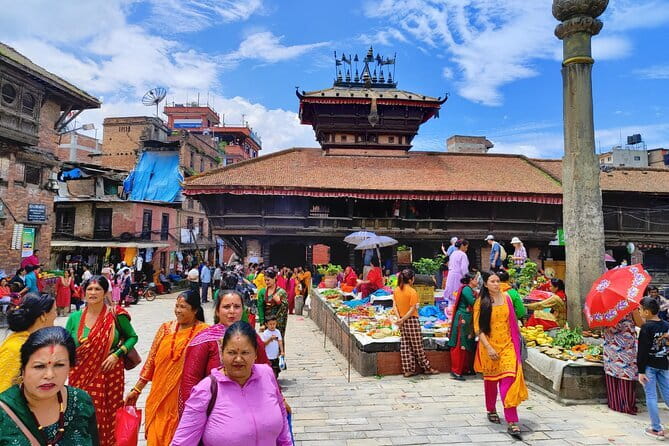
Bhaktapur is where the day turns more cultural again. You’ll visit the Durbar Square and also Doleshwor Mahadev, a sacred pilgrimage site connected with Shiva mythology and a lingam where devotees seek blessings. Then there’s the Standing Mahadev statue in Sanga area, a very large Shiva representation that reaches 143 feet. From the hill position, it gives panoramic views and a strong sense of scale—like someone built a faith landmark into the skyline.
This mix works because it’s not one-note. Kathmandu isn’t just temples. It’s temples plus craftsmanship plus myth.
Kathmandu sightseeing plus Shivapuri National Park hiking
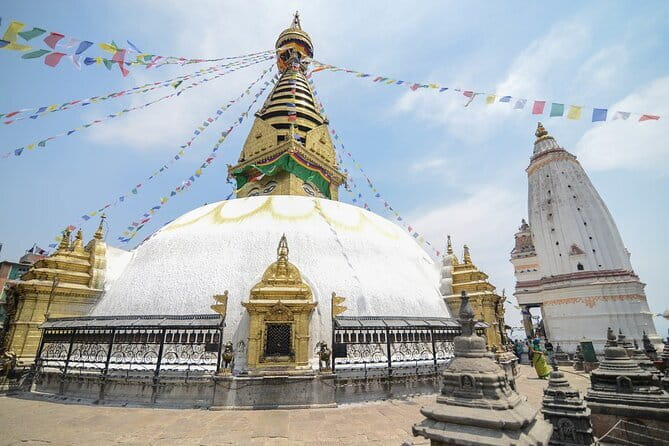
You’ll also get Kathmandu sightseeing alongside a hike in Shivapuri National Park. This part is valuable even if you’re not a hardcore hiker. It’s not about going far. It’s about building body awareness and learning how you’ll pace yourself when the air gets thinner later.
In a trip like this, pacing is everything. You want to practice moving slowly, taking short stops, and not treating every uphill like a race. That mindset can help during the Kora trek and especially on the pass day.
And because this is a small-group tour with private transportation, you’re not constantly waiting around for transfers or missing the plan. That matters when you’re trying to protect energy.
One more practical note: the trip runs on full-board pure veg meals. That’s great for consistency, but if you have dietary needs beyond vegetarian food, you’ll want to discuss them clearly before departure.
Crossing into Tibet: Kyirong, Saga, and the altitude rhythm
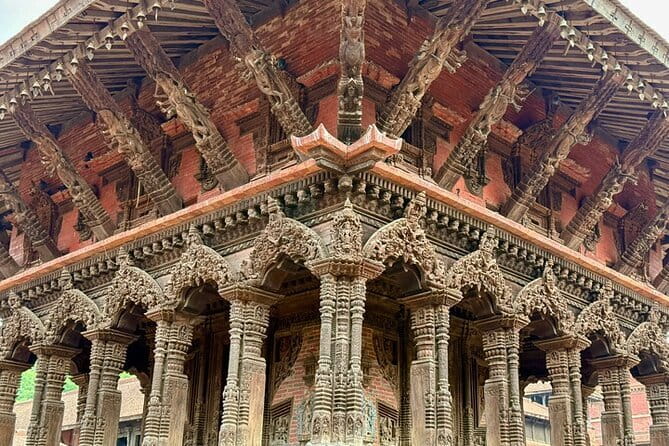
Once you cross the Nepal–Tibet border, you start shifting into plateau mode. The first major base is Kyirong, reached after the border crossing, with time for acclimatization as you drive through Tibet’s higher elevations.
Then you continue toward Saga, riding through rugged plateau terrain. This is where you’ll likely feel the trip’s real tempo: long drives, big altitude changes, and plenty of time for quiet reflection. You’ll also pass nomadic herders and traditional villages in the wider travel window.
Here’s the key value of this setup: you’re not dropped into the Kora immediately. The route gives you transition days so your body can adjust. Combined with the tour’s oxygen cylinder availability and daily health checks, it creates a safety net that many independent travelers would struggle to replicate.
Still, the consideration is simple: you can’t outdrive altitude. Even with support, you should take symptoms seriously and report them early. If you get headaches, nausea, or unusual fatigue, don’t tough it out.
Lake Manasarovar puja: the moment the journey turns
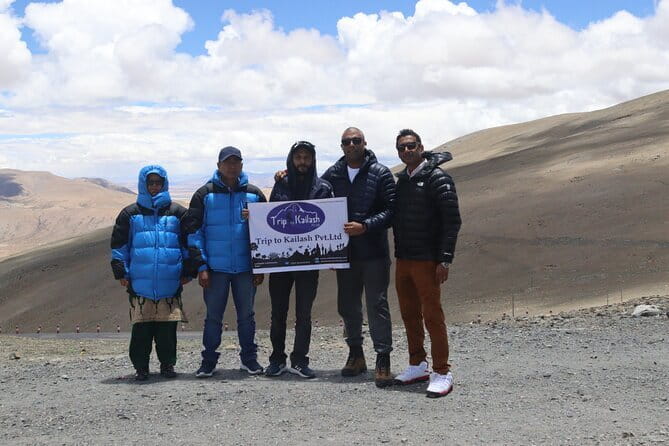
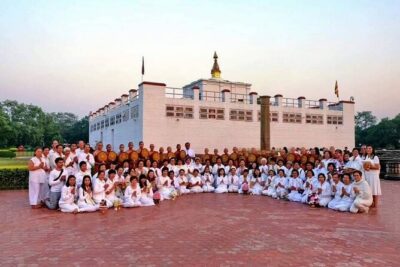
When you reach Lake Manasarovar, the trip finally lands on its central spiritual target. The lake sits at very high altitude and is sacred for both Hindus and Buddhists. Your arrival includes a drive to the lake area and then a spiritual puja on the shores.
This is one of the best places to slow down. You’re not just getting photos—you’re participating in ritual time while taking in the lake’s stillness and the view toward Kailash. Even if you don’t know the prayers word-for-word, the structure and intent come through.
The Manasarovar moment also makes the earlier Kathmandu stops feel connected rather than random. Shiva worship, purification themes, and the symbolism of the sacred circuit all start to make more sense once you’re standing in the right place.
Practical tip for this day: keep your layers ready and your breathing calm. High-altitude days can feel deceptively cold even when the sun is out.
Darchen and the Kora trek: Darchen to Diraphuk, then over Dolma La
Darchen is where the Kora begins. This town acts as the base for pilgrims preparing to circumambulate Mount Kailash. The altitude is high, and the feeling is focused—people arrive here not to relax, but to get ready for work that’s spiritual as well as physical.
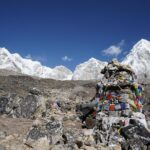
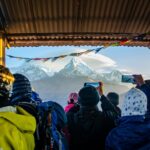
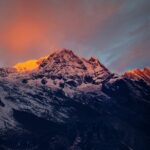
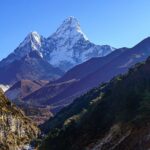
The first trekking segment takes you from Darchen to Diraphuk. Expect rugged terrain and a steady effort where you’ll likely spend more time watching your own pace than you do chatting. You’ll get Mount Kailash views along the way and also the sense that the route is built for contemplation: fewer distractions, more sky.
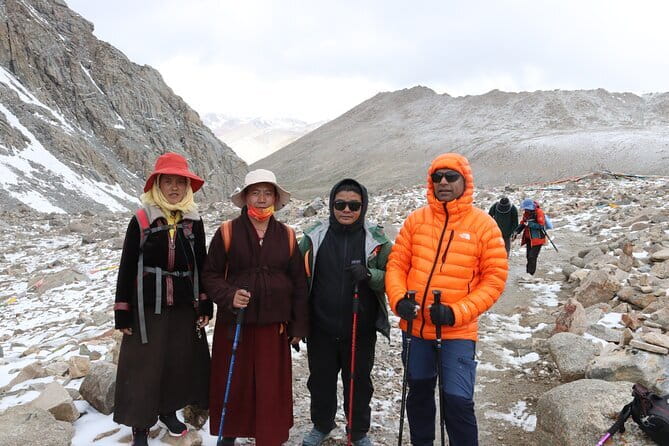
The second day’s Kora leg goes from Diraphuk to Zuthulphuk and includes crossing the Dolma La Pass, described as the highest point of the trek. This is the make-or-break day for many people: altitude plus steep effort plus the emotional intensity of the sacred site.
The final leg returns from Zuthulphuk back to Darchen. By then, the experience often feels less like a challenge and more like completion. You’re finishing the circuit you came for, and you’ll likely feel mentally wrung out in a good way.
Two practical considerations for the Kora: first, horse and pony fees during the Kora are not included, so if you want the option, plan for extra cost. Second, you should arrive with moderate physical fitness, not just good intentions. This is a trek that rewards careful pacing and patience.
Support that matters: team care, oxygen access, and daily health checks
The best thing about this tour is not just the temples and roads. It’s the human support around it.
From the reviews, Kashyap’s team comes through as thoughtful and attentive, including the chef, porter, and guide roles. That kind of coordination matters in the real world: when you’re tired, when food timing matters, and when logistics get complicated by weather or altitude.
The tour also builds in daily health checkups, including blood pressure and blood oxygen monitoring. An oxygen cylinder is part of the safety plan in case of altitude sickness. That doesn’t remove risk, but it does help you catch problems sooner instead of later.
If you’ve never done high-altitude travel before, you’ll appreciate that the trip doesn’t treat health as a personal responsibility only. It’s actively managed as part of the experience.
For you, the payoff is simpler: you spend less mental energy worrying and more energy staying present.
Return days: Saga back to Kyirong, then a long drive to Kathmandu
After the Kora, you’ll drive back toward Saga for rest and reflection time on the Tibetan plateau. The itinerary gives you a breather before heading back toward Kyirong, including an overnight stay there so you can decompress.
On the final overland leg, you’ll handle immigration formalities at Rasuwa Gadhi and then drive back to Kathmandu. This part is a long day by road—about 9 to 11 hours over roughly 265 km—so treat it like a reset rather than sightseeing.
Back in Kathmandu, you’ll do a final airport transfer and depart after breakfast. By then, the trip feels like it’s moved through different worlds: prayer areas, visa paperwork, plateau driving, sacred lake calm, and then the trek circuit around Kailash.
It’s also when a lot of people realize they don’t actually want more noise. They want quiet, water, and a good bed.
Price and value: what $3,999 covers (and why it can be worth it)
At $3,999 per person for about 16 days, this tour isn’t cheap. But value is about what’s included, not just the sticker.
Here, the big-ticket items are covered: Tibet visa and permit fees, private transportation, accommodations (3-star hotels in Kathmandu and best possible options during the parikrama period), and full-board pure veg meals. You also get daily health checks and oxygen cylinder support. On top of that, many of the logistical headaches are handled for you, including sightseeing and the Shivapuri National Park hike.
When you compare that to doing a similar route on your own, the biggest friction tends to be permits plus coordinating transport end-to-end. This tour wraps those pieces together. That can easily matter more than a lower headline price.
What you should budget for separately: horse and pony fees during the Kora if you choose that option, tips/personal expenses, and Kathmandu monument entry fees roughly around $30. If you know you’ll want extra help on the trek, factor it in early so you’re not surprised.
Who should choose this tour (and who might want a different fit)
This trip is best for people who want a spiritual journey with structured support. If you like rituals, temple atmosphere, and the meaning behind the Kora circuit, you’ll feel at home here.
It’s also a strong fit if you want comfort and safety systems. The combination of small-group size, private transportation, full-board meals, oxygen availability, and daily monitoring is a practical package.
You should think carefully if you’re dealing with limited stamina or you hate long drives. The trek legs and the high-altitude pass day are not optional for the main experience, and the schedule includes plenty of road hours.
For families with very young kids or people who prefer flat, easy walks, this may feel like too much. For moderately fit adults who take pace seriously, it can be a life-changing kind of demanding.
Also, because it’s a max of 10 travelers, it won’t feel like a huge factory tour. That helps with attention and comfort.
Fixed departure dates to plan around
If you’re booking around 2024, fixed departure dates were listed as 12th May, 10th June, 8th July, 11th August, and 9th September. If your travel window matches those dates, it’s often easier to plan around visa timing and equipment.
Even if you’re traveling in another year, it’s worth asking whether your preferred month has a fixed departure or if flexibility is possible.
Should you book this Kailash Manasarovar overland trip?
If your goal is to do Kailash Manasarovar with a mix of ritual depth and real support, I’d say this is worth serious consideration. The inclusion of Tibet visa/permit fees, private transport, full-board meals, and the daily oxygen-and-blood checks makes the trip feel engineered for safety, not just spirituality.
I’d book if you’re comfortable with the idea of high altitude and you can handle a moderate fitness requirement plus multi-day trek effort. I’d also lean toward this tour if you value a team that shows up for you—Kashyap’s group approach comes through as genuinely caring.
I’d pause if you’re hoping for a fully relaxed trip or if you’re sensitive to crowds at major temples. You’ll spend real time traveling, and a few extra costs for monument entry or possible Kora horse/pony help could apply.
FAQ
What documents do I need for the Tibet entry permit?
You need to book at least 20 days in advance so the team can apply for the Tibet entry permit. After confirmation, you’ll be asked to send a passport photo within 2 days, and your passport should be valid for at least 6 months.
Where does the tour start and what time?
The tour starts at Tribhuvan International Airport in Kathmandu, Nepal, with a start time of 10:15 am. Pickup is offered.
How many people are in the group?
This experience runs with a maximum of 10 travelers, keeping the group intimate. A private tour can be organized for groups above 5 people.
What’s included, and what should I expect to pay extra?
Included: private transportation, all fees and taxes, Tibet visa and permit fees, accommodations, full-board pure veg meals, Kathmandu sightseeing plus Shivapuri National Park hiking, oxygen cylinder for altitude sickness, and daily health checkups (blood pressure and blood oxygen monitoring). Not included: horse and pony fees during the Kora, personal expenses and tips, and Kathmandu monument entry fees roughly $30.
Is there a fitness requirement for the trek?
The tour says you should have moderate physical fitness. The main trek includes multi-day Kora segments around Mount Kailash, including crossing Dolma La Pass, so pacing and stamina are important. Oxygen support and daily monitoring are included, but you still need to be physically ready for the trek days.
What’s the cancellation window for a refund?
You can cancel up to 6 days in advance for a full refund. If you cancel 2–6 days before the start time, you get a 50% refund. Canceling less than 2 days before the start time does not receive a refund.