REVIEW · KATHMANDU
Island Peak Climbing | Summit 6,189m with Expert Guides
Book on GetYourGuide →Operated by Accessible Adventure Pvt. Ltd · Bookable on GetYourGuide
That first flight into the Khumbu region grabs you fast.
This 14-day Island Peak climb mixes Sherpa villages, classic Everest views, and proper pre-summit practice so you’re not guessing at altitude.
I particularly like two things: the plan builds step-by-step acclimatization (Namche to Dingboche to Chhukung), and the technical support is real, not hand-wavy. You’ll also get glacier walking training before the big push, plus a dedicated Island Peak ascent guide.
One thing to think about: the trek is high and long, and the total cost can rise because key items (like the climbing permit and Lukla flights) are not included.
In This Review
- Key points worth knowing before you go
- Why Island Peak (6,189m) Works as Your Everest-Region “Big Day”
- Price, value, and the costs that can surprise you
- Kathmandu to Lukla: land gently, then start earning altitude
- Namche Bazaar acclimatization: the Everest region’s “smart pause”
- Tengboche: monastery stop, big views, and a mental reset
- Chhukung to Island Peak base: where the climb starts to feel real
- Summit day to 6,189m: a long day with technical support
- Contingency day and the descent back to Namche and Lukla
- Guides, Sherpa culture, and why the small safety details matter
- Gear, weather, and the practical reality of altitude
- Who should book this (and who should skip it)
- Should you book Island Peak Climbing with Expert Guides?
- FAQ
- How high is Island Peak on this trip?
- What’s included for the climbing gear?
- Is there glacier training before the summit?
- Are flights to Lukla included?
- What about travel insurance?
- Do I need a sleeping bag and down jacket?
- Is there a contingency day for the summit attempt?
- Are drones allowed?
Key points worth knowing before you go
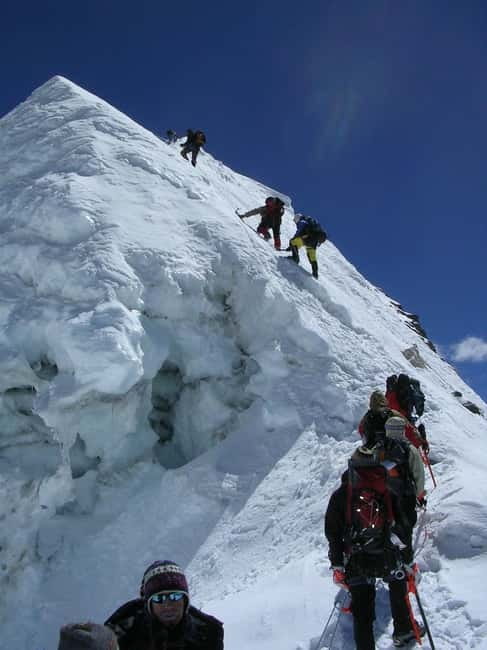
- Summit on day 9 (6,189m) with a full buffer day queued up in case weather or conditions slow you down
- Base Camp training at 5,200m includes glacier walking practice, with climbing gear handled by the group
- Everest region, but not rushed: acclimatization stops are built into the route, not added as an afterthought
- Monastery day in Tengboche gives you a cultural reset and some of the best photo angles in the Khumbu
- Guide + porter ratio is planned: one porter for every two clients, including food, accommodation, salary, equipment, and insurance
- Heli rescue assistant is included to help you contact your insurance if something goes wrong
Why Island Peak (6,189m) Works as Your Everest-Region “Big Day”
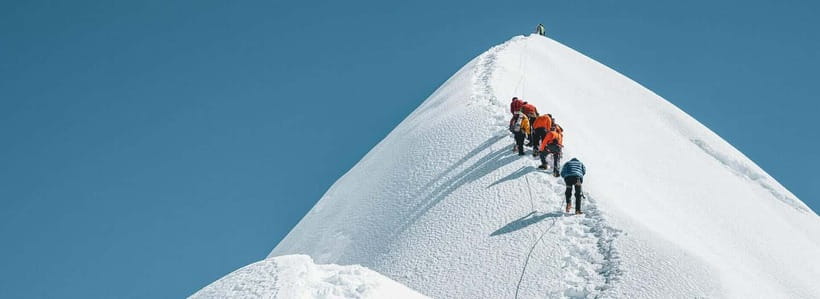
Island Peak sits at 6,189m and it’s a popular step-up climb for strong trekkers who want real mountaineering technique without going full expedition mode. The key is that this trip doesn’t treat altitude like a roller coaster. It treats it like training.
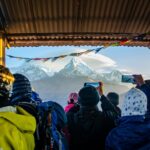
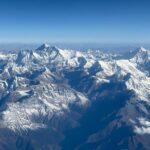
You’ll also be climbing in one of the most rewarding backdrops on Earth: on clear days you can see Everest, Lhotse, and Ama Dablam from parts of the route, and Island Peak views come alive around Chhukung and the base area. The itinerary is built so you see major peaks more than once, which helps if weather moves in on you.
The best part is how practical the progression feels. You trek up, rest up, and only then you climb. That’s what keeps the summit day from feeling like a random guess.
You can also read our reviews of more tours and experiences in Kathmandu.
Price, value, and the costs that can surprise you
The listed price is $1,699 per person for a 14-day package. That’s a respectable starting point for a guided climb that includes a lot of the “infrastructure” stuff most people underestimate: private transfers in Kathmandu, multiple nights of lodging, trekking meals, group climbing equipment, tented accommodation during the climbing portion, and a porter plan that’s tied to safety and logistics.
That said, two big items are not included:
- Island Peak climbing permit (listed as USD 350 or USD 175 depending on the category)
- Round-trip flights Kathmandu ⇄ Lukla (listed as USD 440 per person)
Add personal expenses and you can see why it’s smart to budget a little extra. Also note the package doesn’t include tips for guides, porters, and drivers. In Nepal, tipping is customary, so I’d plan for it instead of hoping it disappears.
Where this package looks strong on value is support: group gear like ropes and anchors, an experienced Island Peak guide with 20+ summits, acclimatization and pre-climb training, and ongoing 24-hour support from the company.
Kathmandu to Lukla: land gently, then start earning altitude
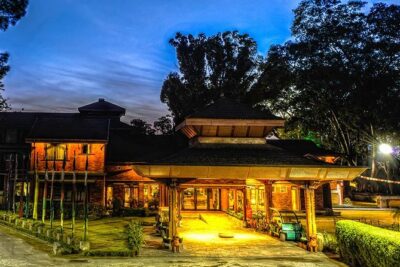
Day 1 is Kathmandu (around 1,338m). You get transfers and two nights in a deluxe suite-type hotel. I like this because Kathmandu is where you can sort the small stuff: gear checks, cash, and making sure you’re not trying to fix problems in a high-altitude supply chain.
Day 2 is the classic jump to Lukla, flying about 35 minutes, then hiking to Phakding (to 2,800m). Expect a short walking day by Everest standards: about 3–4 hours of hiking, around 8 km, with descent around -300m.
What makes this first trek day useful isn’t distance. It’s rhythm. You’ll settle into the cadence of the Khumbu trail, and you get those first views while your body is still relatively fresh.
Namche Bazaar acclimatization: the Everest region’s “smart pause”
Day 3 climbs to Namche Bazaar (3,438m). It’s about 5–6 hours and roughly 10 km with a gain of +600m. You’ll cross suspension bridges and get your first real look at Everest in the distance.
This day matters because it sets expectations. You’re not “racing” for a summit. You’re building lungs and legs at altitude while the route slowly turns more alpine.
Day 4 is an acclimatization day in Namche. You’ll have 2–3 hours of walking with optional hikes. The best part of a built-in rest day is that it helps you avoid the common mistake of treating every day like a march. If you feel good, you can do extra short hikes; if you feel tired, you can still make the most of the day and recover.
Also, Namche is where you typically see key peaks like Everest and Ama Dablam in clearer angles from surrounding viewpoints.
Tengboche: monastery stop, big views, and a mental reset
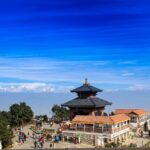
Day 5 hikes to Tengboche (3,870m) for about 5–6 hours over 9 km, gaining +430m. The highlight here is the Tengboche Monastery. Even if you’re not chasing temples as a life hobby, it’s a helpful cultural pause in the middle of a physical program.
You’ll continue stacking view time for major mountains, including Everest, Lhotse, and Ama Dablam.
Day 6 pushes higher to Dingboche (4,360m): about 5–6 hours, around 10 km, gaining +490m. It’s a longish day, but the payoff is the way the valleys and approach start to feel more “mountain serious.” You’re now in the altitude zone where rest and pacing stop being optional.
Chhukung to Island Peak base: where the climb starts to feel real
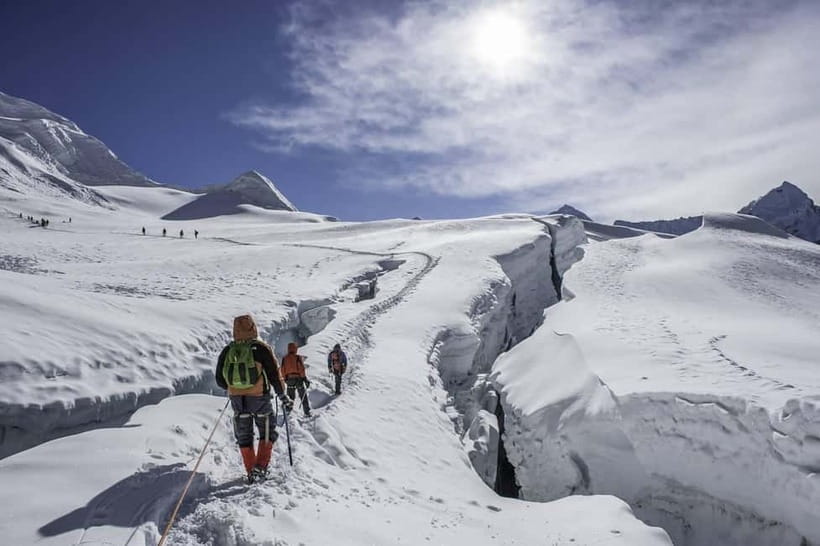
Day 7 goes to Chhukung (4,730m) in about 3–4 hours over 6 km (gain +370m). This shorter day is valuable. Chhukung is high enough that the air feels different, but the hike gives you time to adjust without draining you.
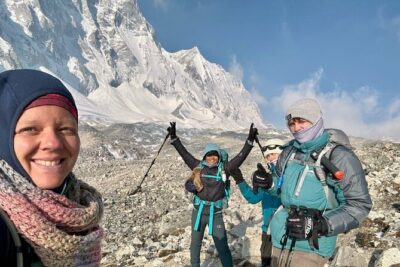
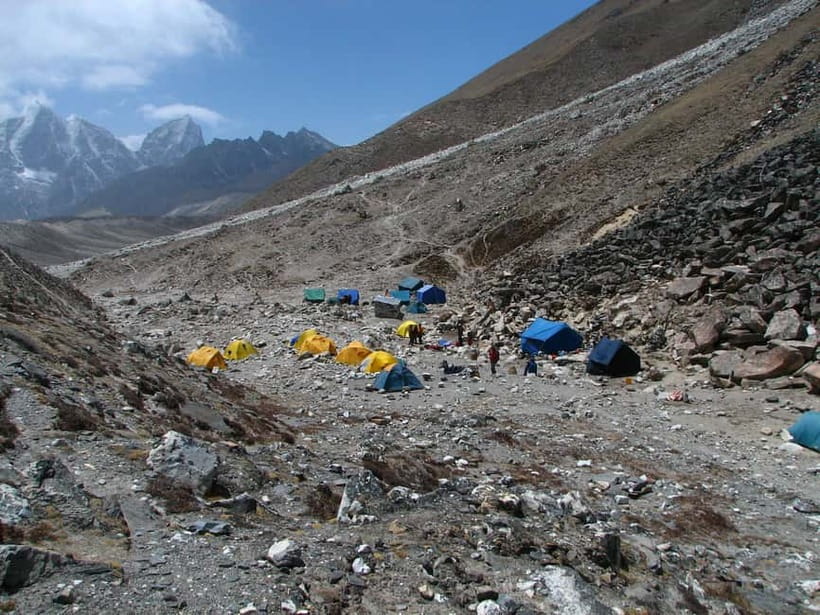
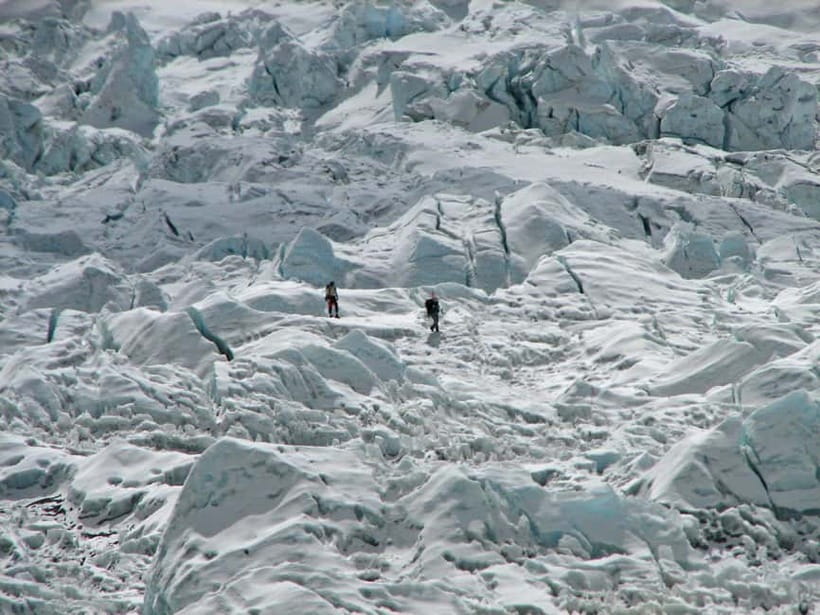
Day 8 is the push to Island Peak Base Camp at 5,200m, about 3–4 hours and around 5 km (gain +470m). This is also when you do pre-climb training. The big training item listed is glacier walking training, which is exactly what you want before ropes and steeper angles appear.
If you’ve never walked on glacial terrain, the training day helps you learn how to move with intention: step placement, pacing, and how your cramponed or booted feet behave on uneven ice.
Summit day to 6,189m: a long day with technical support
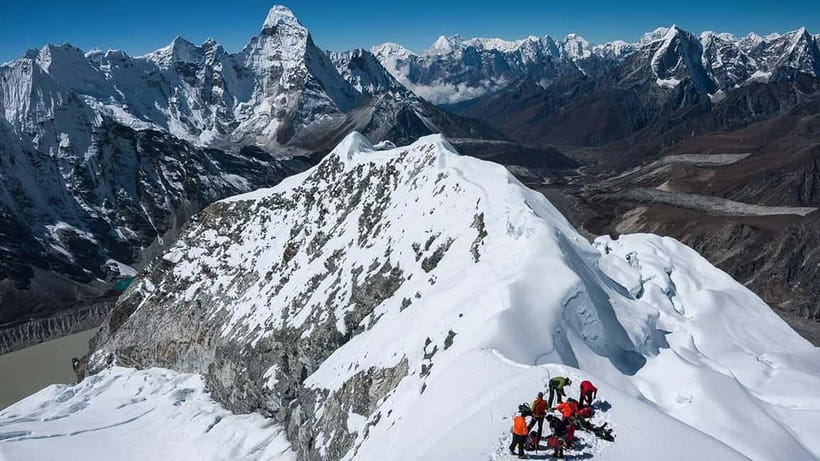
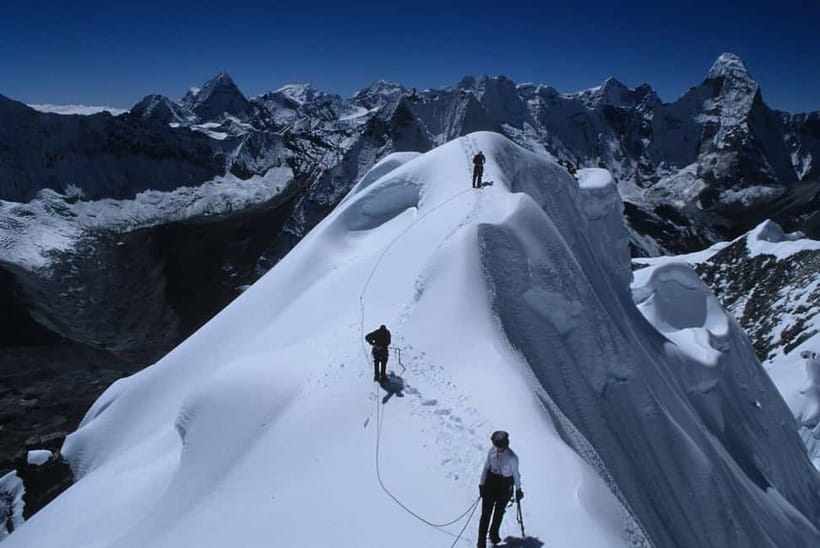
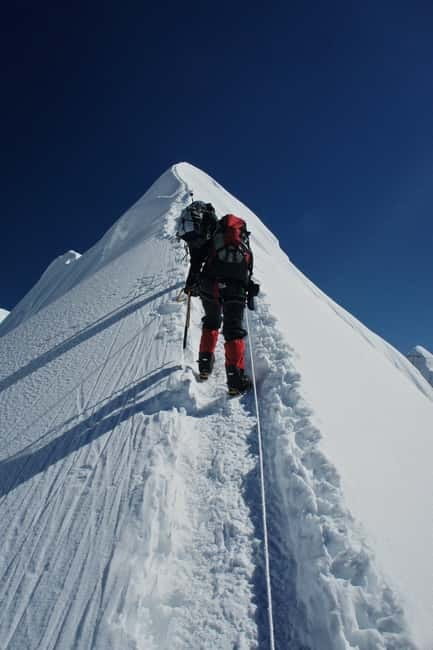
Day 9 is the summit day: start at base area, push up, then return to base the same day. It’s listed as 8–10 hours, about 10 km, with a gain of +989m and descent of -989m. Expect a long, focused effort.
You’ll climb to 6,189m (Island Peak’s summit) and the route listings include views of Everest, Makalu, and Island Peak from key points, depending on weather and conditions.
The most important “value” point here is not the number 6,189m. It’s the support structure:
- You have an experienced Island Peak ascent guide (minimum 20+ summits)
- Group equipment is provided (including items like ropes, ice screws, snow bars, and ice hammers)
- You’re not showing up cold; you did glacier training already
That’s how you keep summit day from becoming chaotic. It becomes work with a plan.
Contingency day and the descent back to Namche and Lukla
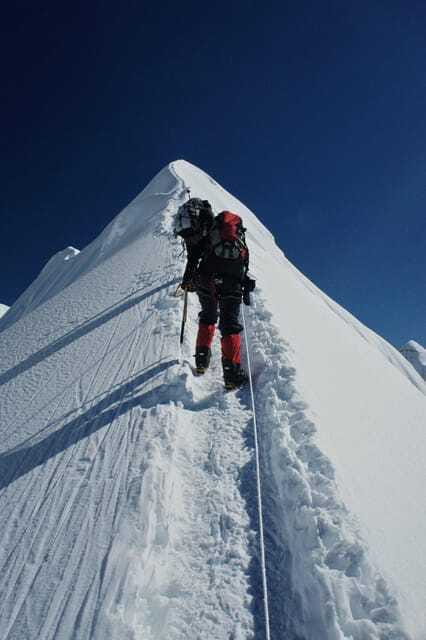
Day 10 is a contingency day. This is one of those inclusions that feels boring in theory and brilliant in practice. Weather can shift fast in the Himalaya. A buffer day means you’re not forced to gamble the summit on a single short window.
Day 11 is a long descent trek from Chhukung back to Namche Bazaar, listed at 5–6 hours and 18 km, descending about -1,292m (with highest elevation back at 3,438m). This is where your knees get a vote. Going down is often harder than going up because your body absorbs impact for hours.
Day 12 returns to Lukla (2,800m) in about 6–7 hours over 19 km (descent -638m). This is your farewell day to the higher Khumbu air.
Day 13 is the flight back to Kathmandu (again about 35 minutes). Day 14 is departure.
Guides, Sherpa culture, and why the small safety details matter
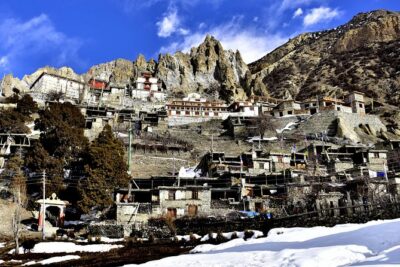
You’ll travel through remote mountain villages and spend time with the Sherpa culture that shapes daily life in the Everest region. Even though the trip is a climb, it’s also a people experience—practical, communal, and rooted in mountain work.
On the service side, this package leans heavily into support:
- A government-licensed English-speaking guide
- One porter for every two clients, including their food, accommodation, salary, equipment, and insurance
- Group-provided climbing and kitchen gear
- A garbage deposit of USD 500 plus fees connected to national park and local administration
One detail I like from a verified booking is the emphasis on local help and “real problem-solving” when things get tense—like when you’re dealing with Lukla logistics. The porter name Mijan came up as someone who supported beyond standard duties, which tells me the team tries to keep you moving, not just carrying.
And the included heli rescue assistant is there to help contact insurance if you need urgent support. That doesn’t replace good decision-making in the mountains, but it’s a reassuring layer.
Gear, weather, and the practical reality of altitude
The essentials you should bring are listed as passport, climbing gear, cash, and a flashlight.
The tour also notes you should bring your personal trekking gear, while key items like a duffle bag, sleeping bag, and down jacket will be provided. That’s helpful if you’re arriving from abroad and don’t want to haul heavy winter layers.
Weather can be variable, and one practical note is that in peak season, Lukla flights may operate from Ramechhap Airport. That means your travel day plan might shift. The fix is simple: stay flexible and pack for a bit of uncertainty.
Also, plan around altitude:
- You’re going to 3,438m, 3,870m, 4,360m, 4,730m, 5,200m, and then 6,189m
- That’s why the acclimatization stops and the rest day exist
- You’ll want valid travel insurance covering high-altitude trekking and climbing
If you’re the type who pushes through fatigue at home, this is a place to learn a new habit: listen early, slow down, and let the mountains do what they do.
Who should book this (and who should skip it)
This trip is best for you if you:
- Want a serious climb to 6,189m with structured acclimatization
- Are comfortable with long trekking days and high altitude
- Want technical training for glacier travel before summit day
- Prefer a private group setup with English guidance
It’s not suitable for:
- Children under 14
- Pregnant women
- Wheelchair users
- People over 95 years
If you’re unsure about your fitness, be honest. The route includes many days at 3,800m to 5,200m, plus the summit day effort that runs 8–10 hours. No amount of guide charisma replaces your body’s ability to handle altitude.
Should you book Island Peak Climbing with Expert Guides?
If your goal is a well-supported “mountaineering with training” experience in the Everest region, I think this is a solid choice. The combo of pre-climb glacier training, a guide with 20+ summits, a summit attempt on day 9, and a contingency buffer on day 10 is exactly what you want for reducing randomness.
But I’d only book if you’re ready for the big basics: long trekking hours, real altitude exposure, and the extra costs that come from permits and flights. Budget for the climbing permit and Lukla round-trip flight, and plan tips.
If that fits your style, you’ll come away with the kind of summit achievement that feels earned, plus days full of Sherpa culture, monastery stops, and repeated mountain-view payoff.
FAQ
How high is Island Peak on this trip?
Island Peak is climbed to 6,189m. The summit day is scheduled for day 9, and you return to base camp the same day.
What’s included for the climbing gear?
You get group climbing equipment such as ropes, ice screws, snow bars, ice hammers, and tents, plus kitchen equipment. You’re also guided by an expert climbing guide for the ascent.
Is there glacier training before the summit?
Yes. After trekking up to Island Peak Base Camp at 5,200m (day 8), the itinerary includes pre-climb training with glacier walking practice.
Are flights to Lukla included?
No. Round-trip flights Kathmandu to Lukla are listed as not included, with a price of USD 440 per person.
What about travel insurance?
The trip specifically asks you to ensure you have valid travel insurance covering high-altitude trekking and climbing.
Do I need a sleeping bag and down jacket?
Those key items are provided. You still need your personal trekking gear, and the itinerary mentions that essential items like a duffle bag, sleeping bag, and down jacket will be provided.
Is there a contingency day for the summit attempt?
Yes. Day 10 is a contingency day to provide a buffer for the summit attempt if conditions aren’t ideal.
Are drones allowed?
No. Drones are not allowed.