REVIEW · KATHMANDU
Private Half-Day Tour of Boudhanath and Pashupatinath Temples in Kathmandu
Book on Viator →Operated by Pigeon Travel And Tours Pvt Ltd · Bookable on Viator
Two temples, one four-hour rhythm. This private half-day loop is interesting because you get a guide to translate what you’re seeing, then spend real time at Pashupatinath’s riverfront setting and Boudhanath’s stupa atmosphere. I like that the route is tight and practical, so you’re not stuck negotiating Kathmandu traffic just to see two UNESCO sites. I also love that you get time at each place instead of rushing through. One consideration: the Bagmati River area around Pashupatinath involves intense Hindu ritual scenes, and that may feel too much for some people.
You’ll start at 10:00 am and finish the same day feeling oriented in Kathmandu’s religious world—Hindu practice at Pashupatinath, Buddhist worship at Boudhanath—without burning energy on transit. The tour is designed so your guide can point out details like prayer wheels and Buddhist statues at Boudhanath, plus what’s happening along the ghats at Pashupatinath.
Finally, it’s worth planning for the practical stuff: there’s no food included. You’ll get mineral water bottles, but you’ll still want to think about when you’ll eat afterward, especially if you’re the type to linger.
In This Review
- Key points to know before you go
- Why this half-day pairing makes sense in Kathmandu
- Pashupatinath Temple: riverbank views and the kind of scenes you can’t unsee
- Boudhanath Stupa: prayer wheels, statues, and a slower rhythm
- What the private vehicle and guide really change
- Price and value: is $47 per person a good deal?
- Dress code and respectful viewing without stress
- Who this tour fits best
- Should you book this tour? My take
- FAQ
- What time does the private half-day tour start?
- How long is the tour?
- Do I get hotel pickup and drop-off?
- Is this tour private or shared?
- Which sites are included in the tour?
- Are entrance fees included?
- What language is the guide?
- Is food included?
- Is there a dress code?
- Is free cancellation available?
Key points to know before you go
- Private guide and vehicle: only your group rides together, so the day stays calm and coordinated.
- Two UNESCO World Heritage sites: Pashupatinath Temple and Boudhanath Stupa in one compact itinerary.
- Pashupatinath riverbank viewing: spend dedicated time seeing temple activity along the Bagmati River ghats.
- Boudhanath worship details: look for prayer wheels and Buddhist statues during your second 2-hour stop.
- Entrance fees included: you’re not juggling ticket lines or surprise add-ons for site entry.
- Modest dress code: plan clothes that meet temple standards, since it’s required for worship and selected museums.
Why this half-day pairing makes sense in Kathmandu
Kathmandu is busy in the way that can make planning feel like a full-time job. This tour is built to remove that headache. You get hotel pickup and drop-off, a private vehicle, and an English-speaking local guide. That means you can spend your brainpower on the places, not on navigating roads, finding entrances, or arguing with taxi math.
The timing also works. With about 4 hours total and roughly 2 hours at each site, you’re not just ticking boxes. You get enough time to watch, read the cues your guide gives you, and still feel like you had a moment to take it in before moving on.
This is also a good fit if you’re trying to understand Nepal as both Hindu and Buddhist traditions living side by side. At Pashupatinath, you’re looking at the country’s national deity connection—Lord Pashupatinath—at a holy pilgrimage destination. Then you shift to Boudhanath, a sacred place of Buddhist worship for both Nepalis and Tibetans, where the atmosphere is guided by the stupa’s scale and the surrounding devotional details.
You can also read our reviews of more private tours in Kathmandu
Pashupatinath Temple: riverbank views and the kind of scenes you can’t unsee
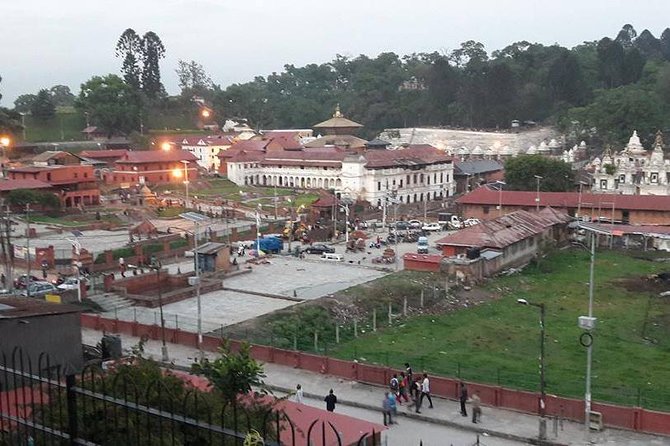
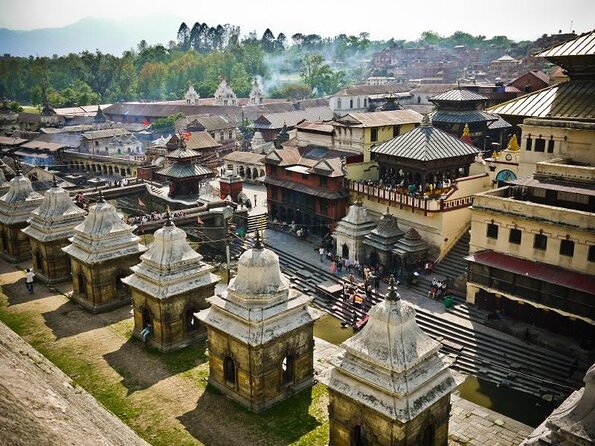
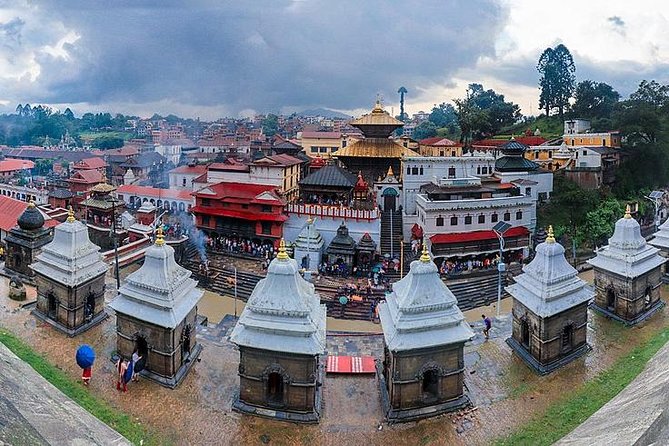
Pashupatinath is a famous Hindu temple complex on the banks of the Bagmati River, about 5 kilometers northeast of Kathmandu. It’s also the seat of Nepal’s national deity, Lord Pashupatinath. In other words, this is not a casual stop. You’re there because it matters to people.
What you’ll likely notice first is the riverfront layout and the way the temple activities relate to the ghats. This tour’s structure helps: you’ll spend a full 2 hours here, with an admission ticket included, and your guide can explain what you’re seeing as it unfolds along the river edge.
One reason this experience can be unforgettable is also the reason it’s a potential drawback. The Bagmati riverfront is part of Hindu ritual life, and you might encounter cremation activity there. A guide-led look makes a difference because you’re not just watching; you’re understanding the context behind what you’re seeing. Still, if you’re sensitive to intense ritual scenes, this is the part to consider carefully.
Practical tip: wear shoes you don’t mind getting a little dusty or wet. You’ll be near a river, and you’re moving around a heritage complex. Also, the modest dress code requirement isn’t optional here—plan clothing that fits the worship setting.
Boudhanath Stupa: prayer wheels, statues, and a slower rhythm
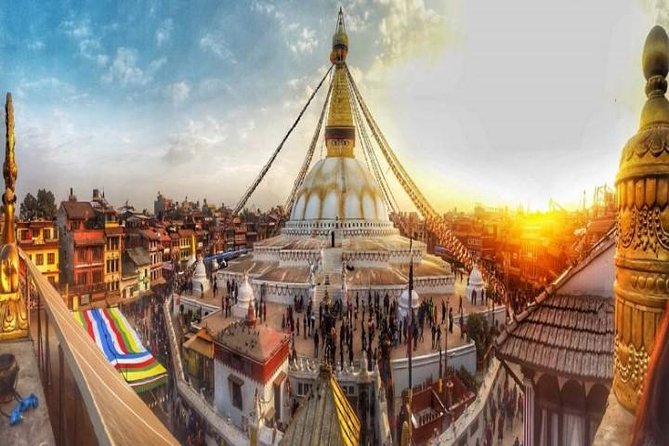
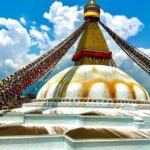
After Pashupatinath, you’ll head to Boudhanath Stupa, about 11 kilometers from the center on Kathmandu’s northeastern outskirts. This stop is a different kind of energy: historic, devotional, and visually striking.
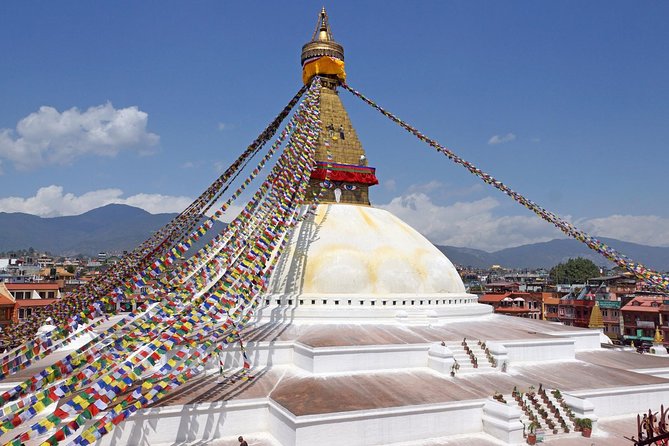
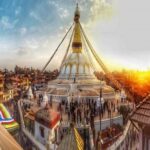
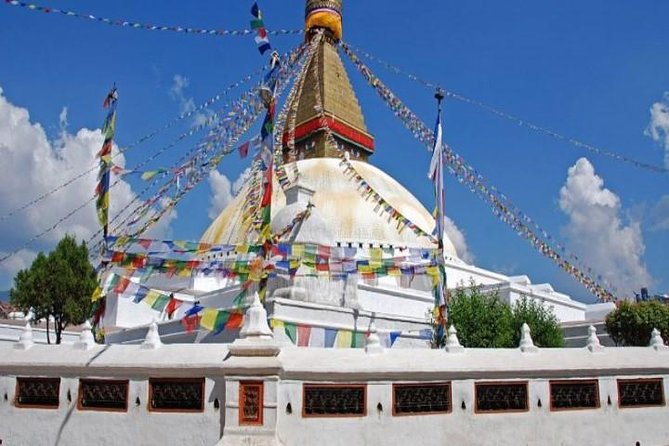
Boudhanath is known for its massive mandala and is described as one of the largest spherical stupas in Nepal. When you’re standing close to it, the scale tends to do the job that words can’t. This tour also sets you up to look beyond the architecture. You spend another 2 hours here, and the experience includes time to view prayer wheels and Buddhist statues, with your local guide helping you connect what you see to Buddhist traditions in Nepal.
One reason people like this second half of the day is that it gives you space to switch gears from Pashupatinath’s riverbank intensity to a more focused worship environment. You’re still seeing religion at work, but the tone changes. The stupa is a sacred place of Buddhist worship for both Nepalis and Tibetans, which adds layers to how you might interpret the objects and rituals around you.
If you’re the type who likes to watch how people move through a sacred space—pausing, circling, interacting with the devotional elements—this 2-hour window is a good length. It’s enough time to settle in instead of constantly checking the clock.
What the private vehicle and guide really change
In a city like Kathmandu, transport can quietly eat your day. This tour avoids that by handling pickup and drop-off from your hotel or airport and using a private vehicle. You don’t have to coordinate multiple taxis or worry about how long it’ll take to get between sites.
The guide matters too. You’ll have an English-speaking local guide, and the tour is private for your group. That’s not just a comfort perk. It means your guide can tailor explanations to your pace—slowing down when you’re taking photos or asking questions, and moving forward when you want to see more.
Based on guide examples from past tours, you may meet someone like Mr. Bishnu, who has been noted for arriving on time and explaining history and background in great detail while making sure people understood. If you prefer French, there’s also a chance of getting Pawan, who has been praised for speaking French. You can’t count on a specific language every time, but the overall idea is clear: expect a guided experience, not a walk-by.
One more practical detail I appreciate: the tour includes mineral water bottles—two per person. It’s simple, but on a day that includes two major sites, staying comfortable can keep the experience enjoyable.
Price and value: is $47 per person a good deal?
At $47 per person for about 4 hours, the value comes from how much is bundled into the price. You’re not just paying for someone to show you around. Entrance fees are included at both stops, and you also get:
- private vehicle transport
- pickup and drop-off from your hotel or airport
- an English-speaking local guide
- two mineral water bottles per person
In practice, that means you’re spending money on fewer moving parts. If you were doing this independently, you’d likely spend time sourcing tickets, figuring out the smoothest route between sites, and aligning your schedule to site entry times. Here, the itinerary structure does that work for you.
Two small value checks for you to consider:
- No food or drinks are included. Water is covered, but you’ll still need to plan meals before or after.
- Entrance fees being included is a real advantage if you hate last-minute costs. It keeps the day predictable.
Also, the tour lists group discounts. If you’re traveling with friends or family and can keep the group together, the per-person value can feel even better. Just note the activity is private for your group, so you’re not sharing the day with strangers.
You can also read our reviews of more tours and experiences in Kathmandu
Dress code and respectful viewing without stress
The tour requires a dress code for worship sites and selected museums, with the instruction to dress modestly. That’s all you need to know to plan correctly. Don’t show up in anything too revealing or too casual for a temple environment.
You should also set expectations for the atmosphere. At Pashupatinath, you’re near active Hindu pilgrimage life on the Bagmati River ghats, and that can involve intense ritual scenes. At Boudhanath, you’re entering a sacred Buddhist worship setting around a major stupa, where prayer wheels and statues are part of the visual language.
If you keep one mindset—slow down, watch with respect, and let your guide translate—this feels like a meaningful day rather than a checklist.
Who this tour fits best
This is a strong match if you:
- want to see both Pashupatinath Temple and Boudhanath Stupa in one half-day
- prefer a private setup with hotel pickup and drop-off
- like having a guide explain what you’re seeing, especially at Boudhanath with prayer wheels and Buddhist statues
- are traveling with a group that wants an organized route instead of hunting for transport
It may be less ideal if you know you’re uncomfortable with intense Hindu ritual scenes around cremation activity at the riverfront. If that’s you, go in with eyes open and decide based on your own comfort level.
Should you book this tour? My take
Book it if you want a straightforward way to connect Kathmandu’s Hindu and Buddhist landmarks without spending your day on logistics. The combination of private pickup, private vehicle, English-speaking guide, and entrance fees included makes the $47 per person feel more like an organized package than a gamble.
I’d think twice only if you’re strongly sensitive to ritual scenes near the Bagmati River at Pashupatinath. If you can handle that part with respect and keep an open mind, this is one of the more practical half-day ways to understand why these sites matter.
FAQ
What time does the private half-day tour start?
The tour start time is 10:00 am.
How long is the tour?
The duration is approximately 4 hours.
Do I get hotel pickup and drop-off?
Yes. The tour includes pickup and drop-off from your hotel or airport.
Is this tour private or shared?
It’s private. Only your group will participate.
Which sites are included in the tour?
You’ll visit Pashupatinath Temple and Boudhanath Stupa.
Are entrance fees included?
Yes. Entrance fees are included for both stops.
What language is the guide?
The tour includes an English-speaking local guide.
Is food included?
No. Food and drinks are not included.
Is there a dress code?
Yes. A dress code is required to enter places of worship and selected museums, and you should dress modestly.
Is free cancellation available?
Yes. You can cancel for a full refund up to 24 hours before the experience’s start time.