REVIEW · KATHMANDU
Everest Base Camp Trek
Book on Viator →Operated by Himalayan Recreation Treks & Expedition Pvt.Ltd · Bookable on Viator
One flight to Lukla sets the tone. I love that domestic airfare to Lukla and back is included, so you don’t have to juggle schedules. I also love the tea-house nights along the route, because it keeps the trek practical as you climb.
The main drawback to plan for is altitude and weather: you’ll be walking at demanding heights up to about 5,364m, and cold, wind, and health slowdowns are real possibilities—talk with your doctor before you go.
In This Review
- Key highlights worth paying attention to
- Everest Base Camp without the chaos: what you’re really buying
- Price and logistics: where the $999 really lands
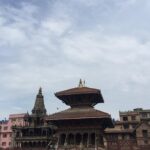
- Kathmandu first: temples, warm beds, and permit prep
- The Lukla flight: thrilling, and not fully in your control
- Tea houses included: what “covered lodging” means day to day
- Walking the route: what each key stop is likely doing for you
- Day 1: Kathmandu orientation and Thamel time
- Day 2: Classic Kathmandu sights, then movement toward the trek
- Day 3: Namche Bazaar and the river valley
- Day 4: Namche again, plus Everest View Point time
- Day 5: Tengboche and the gompa
- Day 6: Dingboche
- Day 7: Dingboche and Chukhung
- Day 8: Lobuche and the Khumbu Glacier area
- Day 9: Toward Everest big views and Gorak Shep
- Day 10: Kala Pattar, plus Pheriche and Pangboche
- Day 11: Return toward Namche Bazaar
- Day 12: Lukla and back down to the city flow
- Day 13: Kathmandu hotel recovery
- Day 14: Kathmandu buffer
- Guide support and real safety habits (not just words)
- What to pack: light bags, warm layers, and fewer regrets
- Who should choose this trek (and who should reconsider)
- Should you book Everest Base Camp with Himalayan Recreation?
Key highlights worth paying attention to
- Licensed trekking guide included, with first aid basics and awareness of nearby medical options
- Round-trip Lukla flights built into the package (with the reality of possible delays)
- Tea houses included for 10 nights, so lodging logistics are handled for you
- 3 nights in a 3-star Kathmandu hotel, giving you real recovery time before and after the trek
- Small group size (max 8) and private group setup, which usually means fewer surprises on the trail
- Strong on-the-ground coordination, including support from Bishnu and a guide like Basu who keeps things on track
Everest Base Camp without the chaos: what you’re really buying
Everest Base Camp is the kind of trek that can go smoothly—or turn stressful fast—depending on details like flights, guides, lodging, and permits. This package is trying to remove the big moving parts. For you, that usually means less time on problem-solving and more time walking the route with someone who knows what to watch for.
Two choices stand out for practical reasons. First, the Kathmandu–Lukla–Kathmandu airfare is included, along with airport tax. In the Khumbu area, flights are not a minor detail. Second, you’re not just sent into the mountains with a contact number—you get a government license holder trekking guide with full facilities. That matters on days when weather shifts, paths get icy, or you need to adjust your pace.
Now the reality check. This is not a gentle stroll. The trip is designed around walking at altitudes around 5,364m and dealing with extreme weather variations. If you’re not medically cleared for high altitude, this won’t be a fun “try it and see” vacation. Get advice before you commit.
You can also read our reviews of more hiking tours in Kathmandu
Price and logistics: where the $999 really lands
The advertised price is $999 per person, which is a decent chunk of what many people otherwise have to assemble themselves. In your case, the package covers the big-ticket items: domestic flights to Lukla, tea-house lodging for the trekking portion, and three nights in a Kathmandu 3-star hotel. It also includes taxes and service charges, plus a first aid kit and even a Himalayas Recreation t-shirt.
But don’t ignore the extras that are not included. You’ll need to budget for:
- Food and drinks (unless specified): listed at $350 per person
- Gratuities: $150 per person
So when you think about value, think “what’s handled” vs “what you still pay out of pocket.” The tour reduces your lodging and major transport burden, but you still own day-to-day meals, hot drinks, and tipping at the end. If you’re already the type who packs snacks, drinks, and eats simply, the extra food cost can feel manageable. If you’re picky about Western-style meals and frequent comfort buys, it can add up.
One more practical point: the operator notes the average booking window is 85 days in advance. That’s smart here. Lukla schedules can tighten up, and trekking gear in Kathmandu is much easier to arrange when you’re not scrambling.
Kathmandu first: temples, warm beds, and permit prep
This tour doesn’t throw you straight into altitude the moment you land. It gives you three nights in a 3-star Kathmandu hotel, including breakfast on day 1 and day 13. That hotel time is more than a perk. It’s your buffer for sleep, sorting documents, and doing the small tasks that make the trek smoother.
You also get scheduled time around some classic Kathmandu stops:
- Thamel (your typical base for trekking gear and meeting points)
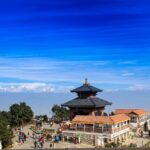
- Swayambhunath Temple
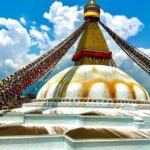
- Boudhanath Stupa
- Garden of Dreams
These aren’t just scenic add-ons. They also help you get oriented. Kathmandu can feel chaotic on arrival day. Spending a day with simple, walkable sights helps you learn the rhythms of the city before you leave for the mountains.
Also plan for permits. The operator lists the documents you’ll need for Nepal permit processing: a clear passport photo copy (color scan), passport validity of at least 6 months, two passport-size photos, plus occupation and home address details. Bring this seriously. Missing paperwork doesn’t make for a fun “let’s figure it out” moment.
One more small but useful detail: pick up and drop off assistance is included by private car for arrival and departure. Your meeting start point is Tribhuvan Airport, which means you’re not left hunting for a ride after a travel day.
The Lukla flight: thrilling, and not fully in your control
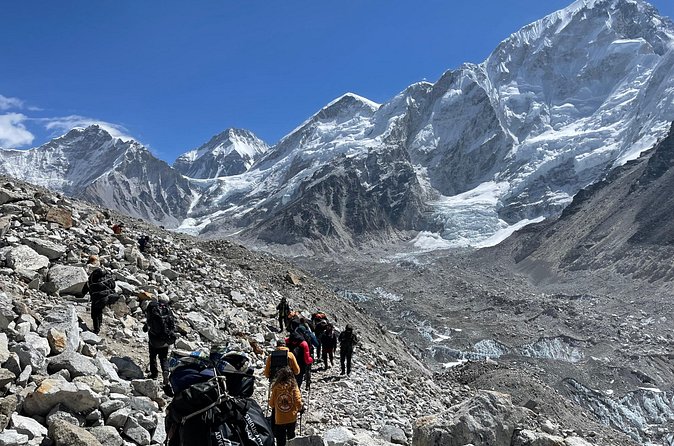
The package includes domestic airfare from Kathmandu to Lukla and back. That’s the big win. It saves you the long access hike and gets you into the trekking zone much faster.
But here’s the real story: Lukla flights can face delay and cancellation risk. The operator specifically requests that you consider having 1–2 extra days available. That’s not scare talk—it’s a planning rule. If you fly in with a tight return deadline, you’ll feel stress, not freedom.
Also, the tour is set up as a private group with a max of 8 people per booking. That tends to make it easier to coordinate if weather changes—everyone hears the same update, and your guide can keep the plan realistic.
Tea houses included: what “covered lodging” means day to day
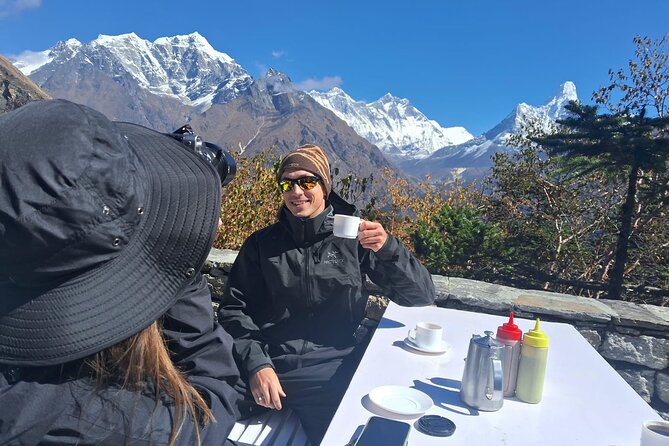
One of the best values in this package is that 10 nights of tea-house accommodation are included during your trek. That’s not just convenience. It’s how you avoid the worst-case scenario where lodging is unavailable, or you lose time searching at the end of a hard day.
Tea houses in this region usually mean:
- Simple rooms
- Heat sources that may be limited (bring layers)
- Shared dining space where you can get meals and hot drinks
This tour also includes breakfast on two days, but lunch and dinner are not included in the main price (you budget for meals and drinks separately). That’s normal for this trekking style, but it means you’ll want a light, steady routine: breakfast early, eat on the trail when it’s possible, and treat dinner as recovery time.
Your included tea-house lodging removes one major logistics question—where you sleep—but you still own the energy management. At altitude, that’s what matters most. You don’t want to arrive hungry and frustrated.
Walking the route: what each key stop is likely doing for you
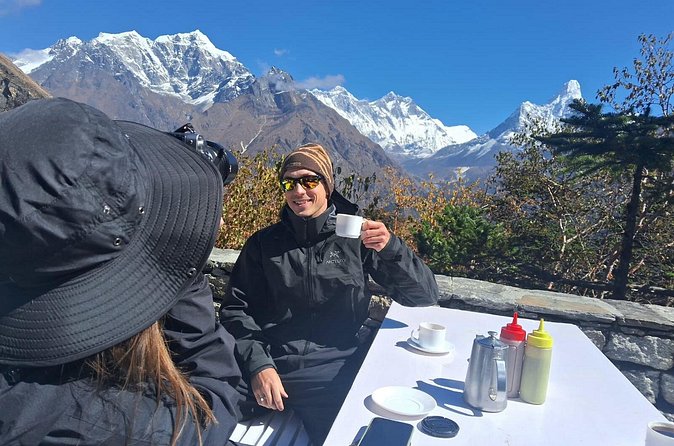
Below is how the route is paced in this package, based on the planned stops.
Day 1: Kathmandu orientation and Thamel time
You’ll be in Kathmandu on arrival day, with time connected to Thamel. This is your setup day: get your footing, confirm gear, and let your body settle.
Day 2: Classic Kathmandu sights, then movement toward the trek
This day includes time for Swayambhunath, Boudhanath Stupa, and Garden of Dreams, plus a flight to Lukla and onward time toward Phakding. The pacing here is basically: you get city landmarks in while you’re still low, then you switch your focus to the trekking start.
Practical tip: on a day that mixes sightseeing and flight time, don’t over-schedule your own plans outside the program. Save energy.
Day 3: Namche Bazaar and the river valley
You’ll reach Namche Bazaar and pass by the Dudh Kosi River area. Namche is a key hub—often where you notice how quickly “mountain life” changes from “city life.” The river valley views are part of the motivation, but the town itself is about orientation and rhythm.
Day 4: Namche again, plus Everest View Point time
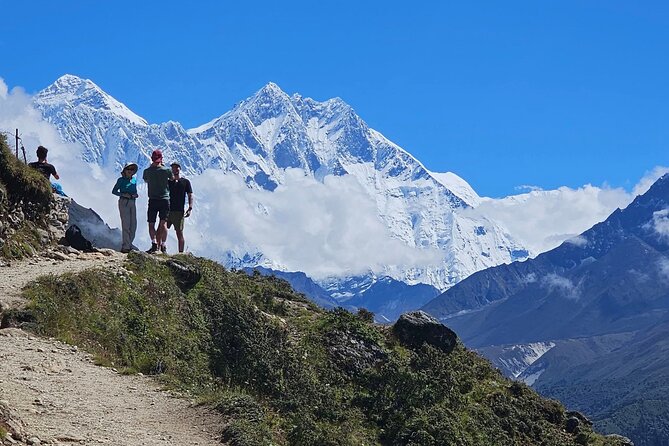
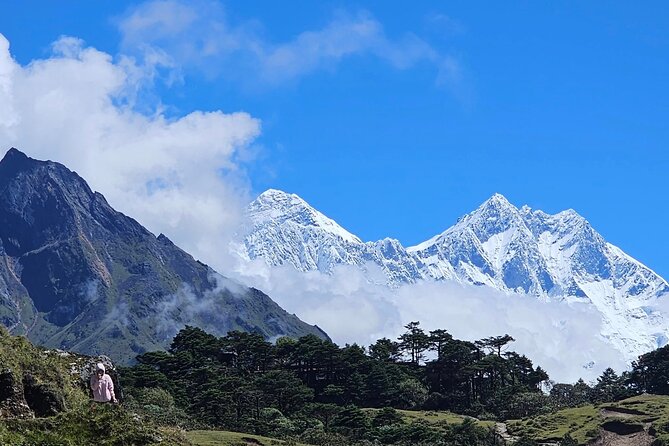
You’ll spend time in Namche Bazaar and also visit Everest View Point. This is one of those moments that makes the whole trek feel real. You also get a chance to judge your own pacing before the higher stretches.
Day 5: Tengboche and the gompa
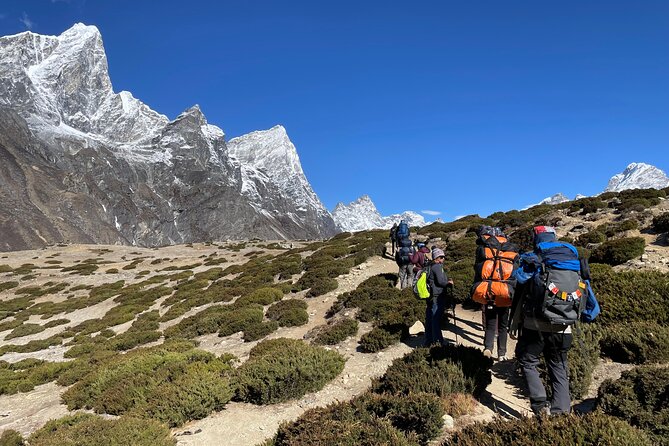
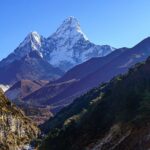
You’ll head to Tengboche, including time at Tengboche Gompa, with major mountain views in the wider area such as Ama Dablam and Mt. Taboche. This is where culture and scenery connect. The gompa stop tends to feel grounding after long uphill stretches.
Day 6: Dingboche
You continue to Dingboche. This is a serious step upward in altitude challenges, so it’s a day where you feel the thinning air more.
Day 7: Dingboche and Chukhung
You’ll return to Dingboche time and continue toward Chukhung. Expect the hike to feel less “flat and friendly.” This section is where trekking becomes a stamina game more than a sightseeing walk.
Day 8: Lobuche and the Khumbu Glacier area
You move on to Lobuche and the Khumbu Glacier region. It’s a day that makes you think about how harsh this environment is—and why a guide matters.
Day 9: Toward Everest big views and Gorak Shep
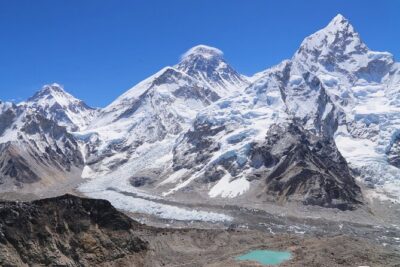
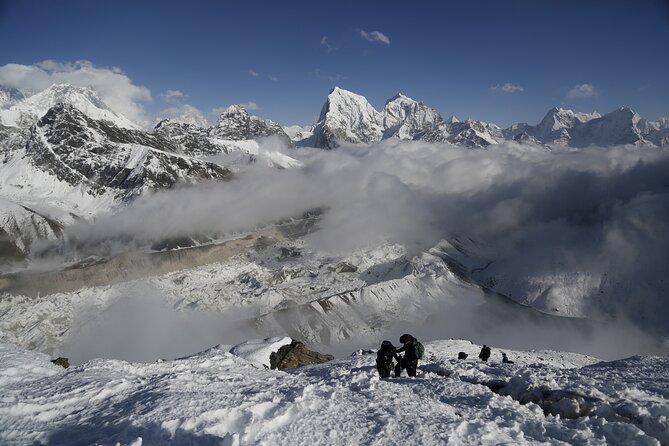
You’ll pass areas associated with Mount Everest and then reach Gorak Shep. This is a classic “you came all this way” day—where your body pays attention to every small effort, like breathing and pacing.
Day 10: Kala Pattar, plus Pheriche and Pangboche
You visit Kala Pattar and then head toward Pheriche–Dughlha Road and Pangboche. Kala Pattar is one of the most talked-about viewpoint moments for a reason. It’s usually a day you remember, even if your legs aren’t thrilled while you’re walking there.
Day 11: Return toward Namche Bazaar
You head back to Namche Bazaar. The return days can feel easier than the ascent, but altitude doesn’t disappear. You still need smart pace and steady hydration.
Day 12: Lukla and back down to the city flow
You reach Lukla. This is where you start shifting from mountain routine back to Kathmandu routine.
Day 13: Kathmandu hotel recovery
You’re back in Kathmandu with hotel time—your included 3-star lodging helps you reset after the trek. It’s also a good day to catch up on sleep and manage any leftover planning needs.
Day 14: Kathmandu buffer
The package leaves Kathmandu time on day 14. That’s consistent with the operator’s warning to consider extra days for possible Lukla flight delays.
Guide support and real safety habits (not just words)
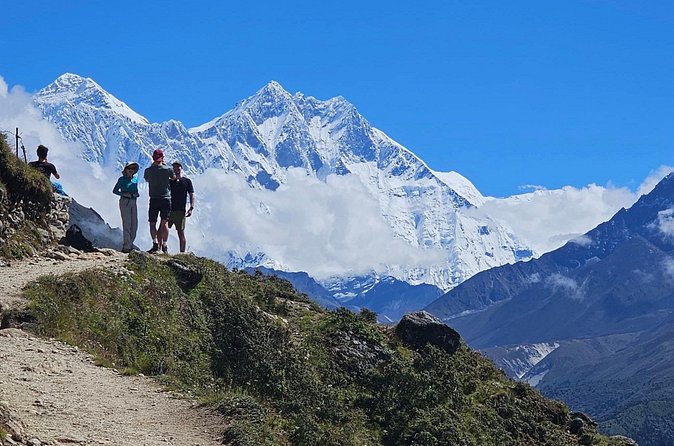
This trek includes a government license holder trekking guide with full facilities. The operator also states leaders have basic first aid training and are aware of closest medical facilities. There’s a first aid kit included, and you’ll get help with trekking gear purchasing or renting in Kathmandu.
What I like most about that setup is that it’s not only “find the route.” It’s the boring stuff done well: timing, staying on track, and making sure you have what you need when the mountain is doing mountain things.
One detail that feels reassuring from a real-world perspective: in one high-rated experience note, Bishnu was described as keeping everything moving, while Basu, the trekking guide, made sure the essentials were handled. That kind of hands-on coordination is exactly what you want in the Khumbu.
Also, plan for the medical paperwork side. The operator requires travel insurance that covers medical expenses and emergency repatriation, and you must show proof to the tour leader on the first day. Don’t show up without it.
What to pack: light bags, warm layers, and fewer regrets
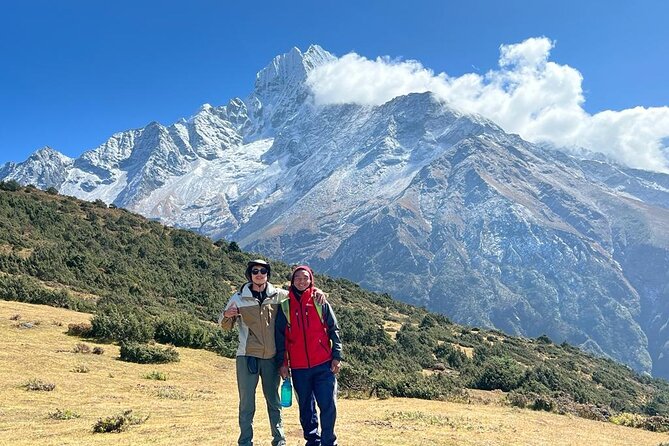
The operator asks you to pack lightly since you’re expected to carry your own luggage. They recommend keeping weight under 22 lbs (10 kg). This is common advice for this type of trek, but it’s especially important for Everest Base Camp style routes—carrying too much turns every uphill stretch into a slow grind.
They also allow extra luggage to be left at their office or hotel and picked up on return. Use that. Keep your trekking kit tight and functional:
- Layers for cold and wind
- Warm gear for higher altitudes
- Rain protection (because weather changes fast)
- Basic personal meds if you use them
And since the operator says some trekking gears are available to buy or rent in Kathmandu, you don’t have to arrive fully equipped. But you do need to arrive with enough time to get it right.
Who should choose this trek (and who should reconsider)
This package fits you best if you:
- Want a guided, structured Everest Base Camp trek
- Prefer lodging and major transport pieces to be handled
- Like small-group dynamics (max 8) with a private group setup
- Are comfortable walking demanding mountain days and can follow altitude safety rules
It might not fit you if you:
- Have medical limits that make high altitude unsafe (the operator strongly recommends talking with your doctor)
- Need a super rigid schedule with zero flexibility for flight delays
- Aren’t willing to budget for meals/drinks and gratuities on top of the tour price
Minimum age is 8 years, so if you’re traveling with kids, you’ll want to be extra strict about fitness and altitude comfort.
Should you book Everest Base Camp with Himalayan Recreation?
I’d book this package if you want Everest Base Camp done with fewer logistical headaches and you’re taking altitude seriously. The biggest value is not just the destination—it’s that Lukla flights, tea-house nights, a licensed guide, and Kathmandu hotel nights are baked into the plan. That’s how you protect your energy for the trek itself.
If you’re the kind of person who enjoys planning every detail yourself, you might compare costs and build your own version. But if you’d rather spend your mental energy on packing smart, walking steadily, and enjoying real mountain moments, this tour’s structure is a strong match.
Just do the boring pre-work: insurance, permit documents, and a doctor check for altitude. Then let the mountain handle the rest.