Langtang is the kind of trek that feels calm. This 8-day Langtang Valley route is interesting because you get top Himalayan views and Tamang culture without pushing very high altitude, and you start from Kathmandu with an easy drive to the trailhead.
I especially like the small-group attention (max 15) and the way the trip is built around 7 teahouse nights plus most meals so you’re not constantly doing logistics math.
One consideration: expect basic mountain lodges and a daily pace of about 6–7 hours of hiking, so you’ll want real hiking comfort, not city-level expectations.
In This Review
- Key Things I’d Pay Attention To
- Why Langtang Feels Different From Other Nepal Treks
- Price and What You Actually Get for $700
- Getting to Syabrubesi: The Easy Start From Kathmandu
- Daily Walking Rhythm: 6–7 Hours and Teahouse Nights
- What You’ll See: Langtang Range Views, Yaks, and Tamang Culture
- Guide and Porter Setup: Personal Attention and Real Safety
- Gear Support: Down Jackets and Sleeping Bags on Request
- Lodges, Meals, and Comfort Level (Basic, Not Fancy)
- Altitude and Difficulty: A “Relatively Easy” Trek With Real Work
- Who This Trek Fits Best—and Who Might Want Another Option
- Practical Tips for Booking and Packing Smart
- Should You Book This Tour or Not?
- FAQ
- FAQ
- How long is the Langtang Valley trek?
- What is included in the trekking accommodation?
- What meals are included?
- Do I have a guide and porter?
- Is transportation included from Kathmandu to the trail area?
- Is altitude a concern on this trek?
- Can I borrow cold-weather gear?
Key Things I’d Pay Attention To
- Max 15 in your group: easier conversations, less chaos at tea-house stops
- 7 nights of teahouse lodging included: you focus on hiking instead of nightly searching
- Guide + porter support: a local, English-speaking trekking guide with a porter setup (2 trekkers : 1 porter)
- Weather gear available on request: down jacket and sleeping bag can be borrowed during the trek
- Not a very-high-altitude route: a more approachable option if you want Langtang scenery without extreme altitude stress
Why Langtang Feels Different From Other Nepal Treks
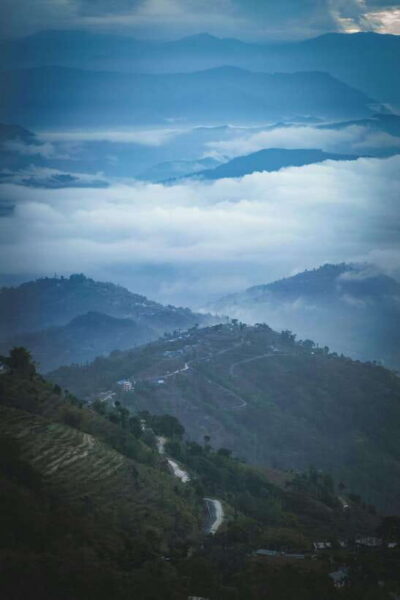
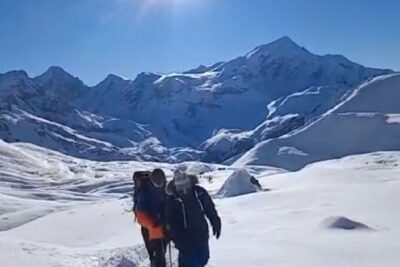
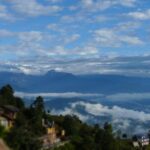
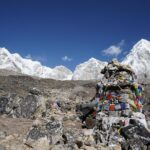
Langtang Valley has a quieter tone than some of the big-name trekking routes. You still get serious Himalayan drama—snowy peaks overhead and wide valleys around you—but the trek is designed to be relatively approachable for a short trip.
The big “why this works” is altitude. This route doesn’t go too high compared with some other Nepal treks, which matters because altitude is where many people feel the most stressed. Here, you’re more likely to stay focused on footing, rhythm, and the small cultural moments along the way, rather than fighting your body.
That combination—mountain scenery without the extreme altitude gamble—is ideal when you want a real trek but you’re short on time or you’re trying to keep things within a moderate physical level.
You can also read our reviews of more hiking tours in Kathmandu
Price and What You Actually Get for $700
$700 per person is not a bargain in Nepal trekking terms, but it’s also not “luxury price.” What makes it feel like decent value is what’s included versus what you still have to budget for yourself.
From the trip setup you get:
- 7 nights teahouse accommodation during the trekking portion
- Most meals during the trek (breakfast, lunch, dinner are covered as per the itinerary)
- Kathmandu to Syabrubesi and back by local bus
- National Park fees and TIMS fees
- A licensed English-speaking trekking guide and porter expenses
- Down jacket + sleeping bag + duffel bag available upon request (with return required)
What’s not included:
- Meals and accommodation in Kathmandu
- Personal insurance (including medical and rescue/evacuation costs)
- Your own trekking equipment and personal expenses (drinks, laundry, phone, etc.)
- Tipping for field staff
So the real question isn’t just the number. It’s whether you prefer paying up front for organization and support instead of spending time and energy arranging things yourself. If you want a smooth, guided experience with teahouse logistics handled, this pricing structure usually feels fair.
Getting to Syabrubesi: The Easy Start From Kathmandu
Most trekkers underestimate how much “arrival energy” affects the whole trip. This one helps you there: you’re in Kathmandu, and you take a short drive to the trailhead area via local bus to Syabrubesi and back.
That matters for two reasons:
- You avoid a long, complicated transfer day.
- You can start building momentum fast—sleep in Kathmandu, then roll into the trekking setup without spending hours on private transport or complicated connections.
Also, pickup is offered, and the tour notes you’ll have mobile ticket support. That’s small, but it reduces the “where do we meet?” friction that can make early days feel annoying.
Daily Walking Rhythm: 6–7 Hours and Teahouse Nights
The core hiking day is about 6–7 hours on the trail. You’ll explore Tibetan culture and high-mountain life in the broader Langtang region, and you’ll do it at a pace that’s meant to help you trek confidently with local guidance.
Here’s what that usually feels like in real life:
- Your morning is active: get moving early, settle into a steady rhythm.
- Midday is about breaks and food, not speed.
- Afternoon brings more uphill or uneven trail, then you reach a mountain lodge for a basic night.
The accommodation is described as basic teahouse lodging. Translation: you’re not booking a boutique hotel. You’re booking warmth, simplicity, and a place to recharge. The upside is that teahouse trekking is part of the experience—especially when you’re traveling with a guide and porter who help keep the whole system running.
If you like structured days where you know what to expect—walk, eat, rest—you’ll probably find this schedule relaxing rather than draining.
What You’ll See: Langtang Range Views, Yaks, and Tamang Culture
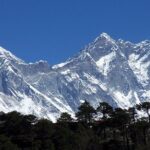
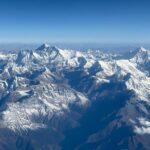
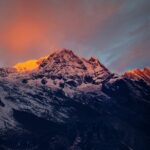
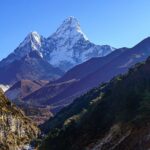
Langtang is a “see it and then keep looking” trek. The trail is known for stunning views of the Langtang range, and as you go deeper you get a stronger sense of how people live in high valleys.
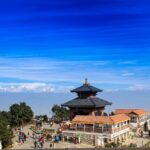
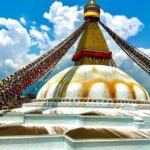
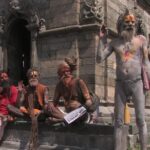
You can expect cultural learning along the way, including Tamang culture (and the broader Tibetan-influenced way of life you’ll see in the region). That’s not something you get only from a museum stop—it’s in daily rhythm: the way communities build and trade, the way religious symbols appear, and the way villages function around the mountains.
And yes, you’ll see yaks grazing in Himalayan meadows. That image sticks with people because it’s so “on the ground” and not staged. It’s not just scenery; it’s real working mountain life.
One more detail I appreciate in the way this trip is framed: it’s designed to balance mountain views with cultural context, not just check peaks off a list. If that’s your style, this trek fits.
Guide and Porter Setup: Personal Attention and Real Safety
Small groups matter on treks. With a maximum of 15 travelers, you’re more likely to get personalized attention from your guide and you’ll feel less like you’re part of a moving crowd.
The guide side is also a strong point. The trekking guide is licensed and English-speaking, and the support structure is clearly explained: 2 trekkers : 1 porter. That’s a practical ratio. It means your porter carries a lot of the group load, while you still hike under your own power.
In the feedback I reviewed, certain guide names came up—Ram Krisna is described as cheerful, caring, and especially attentive to a younger sister in the group. Lochan Gurung also shows up as a superb guide who helped make the trip feel well handled. Beyond names, the repeated theme is the feeling of being looked after: help when tired, knowledge about highland health concerns, and a general sense of safety.
A quick reality check: you still need to dress smart and hike carefully. But strong guide-and-porter teamwork reduces the “what do I do now?” stress.
Gear Support: Down Jackets and Sleeping Bags on Request
Packing is where many treks surprise people. Cold weather gear can be expensive, bulky, and annoying to carry—especially if you’re only doing the trek once.
This tour solves that with a borrowing system: you can request a down jacket and sleeping bag, plus a duffel bag. The important note is that these items must be returned after the trek.
That affects your planning:
- You can travel lighter to Nepal.
- You’re less likely to show up with inadequate insulation.
- You still need your core personal hiking gear, but the big cold-weather bulk is covered.
Just make sure you request the borrowed gear early enough. If you show up empty-handed without planning, you risk last-minute mismatches in size or timing.
Lodges, Meals, and Comfort Level (Basic, Not Fancy)
The food setup is one of the most practical parts of this trek. During the trekking days, breakfast, lunch, and dinner are included as per the itinerary, which means you’re not constantly negotiating menus, prices, or meals you don’t understand.
Because the lodges are basic, the meal routines become part of your daily structure:
- breakfast to start moving
- lunch during the hike (timed and practical)
- dinner at the lodge to warm up and recover
What you should expect for comfort:
- you’ll have a bed or sleeping space in a teahouse setting
- warmth may be limited compared with hotels
- your sleeping comfort depends on the gear you use and how cold the nights feel
The trip also notes laundry, alcoholic drinks, bottled drinks, bottled mineral water, and phone bills are personal expenses. In other words: plan on paying for those extras yourself.
This is classic teahouse trekking: simple lodging, steady meals, and the satisfaction of earning your day.
Altitude and Difficulty: A “Relatively Easy” Trek With Real Work
The trek is described as relatively easy for an 8-day option, and it doesn’t go too high in altitude. That’s a big reason it’s suitable for people who want Himalaya views without an extreme acclimatization plan.
But don’t mistake it for effortless. You still hike 6–7 hours per day, and trails in the mountains mean uneven steps, variable surfaces, and fatigue that builds over days.
Your best strategy is to prepare like you’re hiking, not like you’re sightseeing. Practice walking with a daypack. Build leg endurance. Make sure your footwear is already broken in.
If you’re coming from a low-activity lifestyle, this trek may still be doable, but you’ll want to choose a pace that respects your limits and listen to your guide when conditions slow you down.
Who This Trek Fits Best—and Who Might Want Another Option
This trek fits best if you want:
- small-group support and a local, English-speaking guide
- teahouse trekking rather than private lodge luxury
- a short, scenic Himalayan experience with less altitude pressure
- a culturally oriented route where you’ll see day-to-day mountain life
It may not fit as well if you want:
- hotel-level comfort every night
- a very low hiking day count or short walking sessions
- no-cold-weather concerns (even a “not too high” route can feel chilly)
There’s also a practical requirement: a minimum of 2 people per booking and a maximum of 15. So if you’re traveling solo, you’ll need a partner group or a plan to join a departure.
Children must be accompanied by an adult, so families can consider it if the hike pace and teahouse style are realistic.
Practical Tips for Booking and Packing Smart
A few tips can help you get the most out of this trip:
- Bring hiking-suitable clothes. The tour calls for clothing suitable for hiking. Don’t treat this like a city wardrobe moment.
- Plan your gear around the borrowed cold-weather items. You may not need to pack a heavy down layer if the down jacket and sleeping bag are provided to you, but you still need your core hiking basics.
- Budget for Kathmandu separately. Meals and accommodation there aren’t included.
- Don’t skip personal insurance. Emergency evacuation costs are specifically not included, so travel insurance that covers medical issues is a smart move.
- Expect teahouse reality. Basic lodging is part of the deal. If you’re okay with simple nights and using the warmth tools you’re given, you’ll likely enjoy the experience more.
One last practical note: tipping to field staff is not included, so you should plan for that.
Should You Book This Tour or Not?
I’d book this Langtang Valley Trek if you want an organized, small-group trek that balances Himalayan views, Tamang culture, and teahouse trekking, without pushing very high altitude. The support system—guide plus porter ratio, English-speaking guidance, and included teahouse nights and most meals—makes it a good choice when you value steady structure.
Skip or rethink if basic lodges sound too uncomfortable for you, or if you need a purely easy walk with minimal daily hiking effort. Also consider whether your personal packing load fits your travel style—because even with borrowed gear available, you still need your hiking fundamentals.
If you’re excited by the idea of mountains, yaks, and mountain-culture encounters—plus the peace of a well-run small group—this one is a strong match.
FAQ
FAQ
How long is the Langtang Valley trek?
It runs for about 8 days.
What is included in the trekking accommodation?
You get 7 nights of basic teahouse accommodation during the trekking portion.
What meals are included?
During the trek, breakfast, lunch, and dinner are included as per the itinerary.
Do I have a guide and porter?
Yes. The tour includes a licensed English-speaking trekking guide and porters, with a porter setup of 2 trekkers to 1 porter.
Is transportation included from Kathmandu to the trail area?
Yes. Kathmandu to Syabrubesi and back to Kathmandu are included by local bus.
Is altitude a concern on this trek?
The route is described as not going too high in altitude, which makes it a more approachable option compared with some other Nepal treks.
Can I borrow cold-weather gear?
Yes. A down jacket and sleeping bag can be borrowed during the trek upon request, and you must return them after the trek.