REVIEW · KATHMANDU
7 Days Langtang Valley Trek from Kathmandu
Book on Viator →Operated by Nomad Mountain Club - NMC · Bookable on Viator
A mountain trek with a city start. Langtang Valley is one of those rare Nepal treks where easy access from Kathmandu keeps you on the trail instead of stuck on long roads, and you still get the big sights at Kyanjin Gompa and nearby viewpoints. One heads-up: the overnight guesthouses are simple, and the food can feel average depending on where you end up each night.
I also like that this route threads together Tamang and Tibetan-influenced villages with high-mountain scenery, so the walk has both cultural stops and glacier-and-peak drama. Your guide can make a big difference on a trek like this, and NMC has examples like Biro and Amrit who focus on safety and day-to-day comfort.
In This Review
- Key things I’d circle before you book
- Why the Langtang Valley trek feels closer than most Nepal routes
- Pickup at 6:30 am and the drive to Shyafrubensi (Day 1)
- Days 2 to 3: Langtang Khola, woodlands, tea-houses, and peak framing
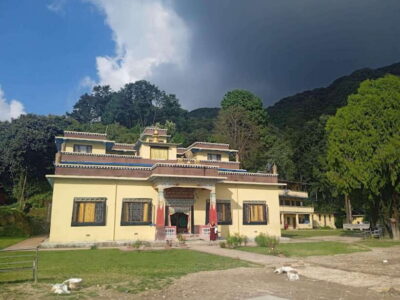
- Kyanjin Gompa on Day 4: yak pastures and monastery atmosphere
- Sunrise at Kyanjin Viewpoint (4,800 ft) and the downhill back to Lama Hotel
- Day 6’s Syabrubensi descent: simple guesthouses and a gentler finish
- Day 7: drive back to Kathmandu and a rest day in Thamel
- Price and logistics: what you’re really paying for at $410
- Guides matter: Biro and Amrit as examples of NMC support
- Who this trek suits best (and who should think twice)
- Should you book the 7 Days Langtang Valley Trek?
- FAQ
- What time is the pickup in Kathmandu?
- How long is the Langtang Valley trek?
- What’s included in the tour price?
- Are trekking permits and TIMS included?
- Is this tour private?
- What is the cancellation policy?
Key things I’d circle before you book
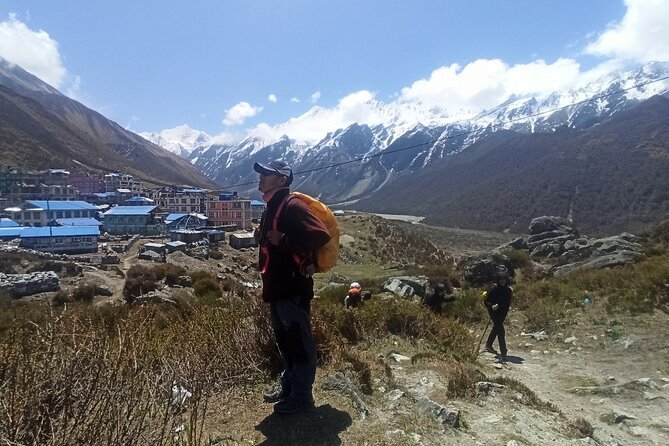
- Pickup at 6:30 am in Kathmandu so Day 1 starts fast and you’re not guessing how to get going
- Langtang National Park and TIMS included, which saves you hassle and keeps paperwork handled
- Kyanjin Gompa plus an early sunrise viewpoint (4,800/16,404 ft) for a top-moment in a short day
- 5 to 6 hours of walking most days, making it more manageable for people with moderate trekking fitness
- English-speaking guide with first-aid support, a comfort factor when elevations and weather turn
Why the Langtang Valley trek feels closer than most Nepal routes
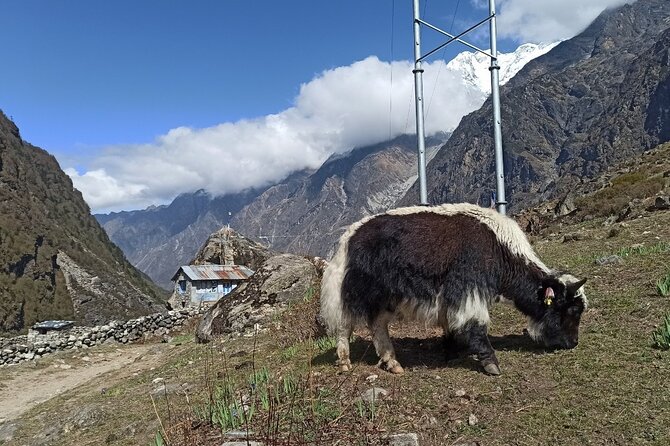
Langtang is the kind of trek that appeals if you want Himalayan drama without wasting half your trip behind a steering wheel. You’re based out of Kathmandu, and the schedule is built so the trek actually starts quickly and stays the focus. That means more time walking and less time in transit.
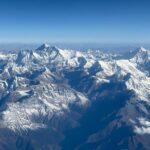
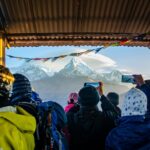
The other big draw is mix-and-match scenery and culture. You’ll pass through villages shaped by Tamang traditions and Tibetan-influences, then hit monastery country at places like Kyanjin Gompa. On top of that, you get framed views of major peaks such as Langtang Lirung, Dorje Lakpa, and Yala Peak, plus glaciers, waterfalls, and higher alpine terrain as you go.
My only caution is altitude awareness. The route climbs to strong viewpoint elevations (including that 4,800/16,404 ft sunrise stop), and you should take the pace seriously, even on days that look short on paper.
You can also read our reviews of more hiking tours in Kathmandu
Pickup at 6:30 am and the drive to Shyafrubensi (Day 1)
The experience starts early. A representative comes to your Kathmandu hotel door at 6:30 am, then you head out by vehicle. Day 1 is mostly road time, about 7 hours, and it sets your rhythm for the whole trek.
You’ll drive through lush green forest and meandering hills, which is a pleasant warm-up before the first hiking day. The destination is Shyfru Bensi, with the tour listing Hotel Garden inn Shyfru Bensi as the overnight base on the route.
What this does for you as a trekker: it reduces the stress of figuring out local transport on your own and gives you a clear starting point. It also means you’ll be physically ready sooner because the trek doesn’t wait until the next morning.
Days 2 to 3: Langtang Khola, woodlands, tea-houses, and peak framing
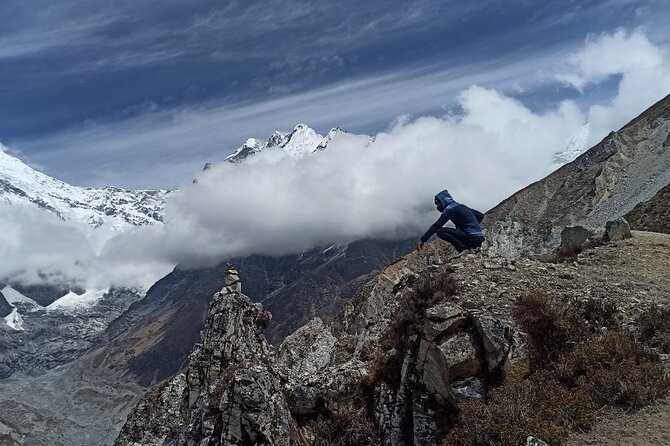
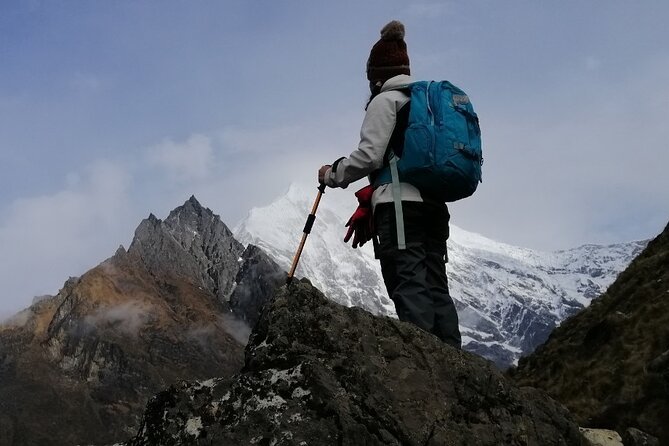
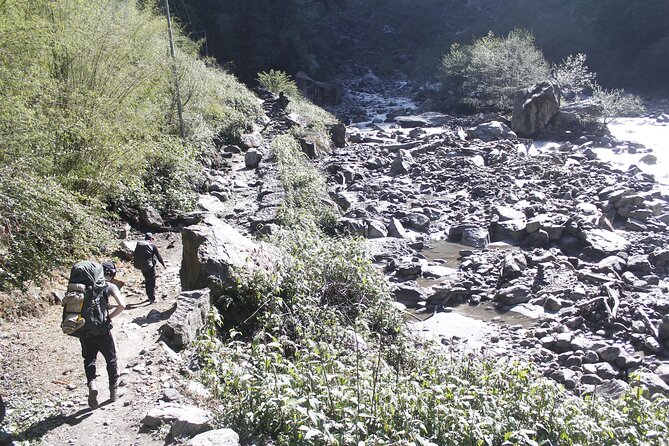
After Day 1’s drive, Day 2 begins trekking toward Lama Hotel. The trail follows the Langtang Khola (river) and spends time in thick woodlands. You’ll cross suspension bridges and pass tea-houses along the way.
Even if the path looks steep at moments, the route is described as not overly testing, while still feeling exciting. This is the kind of day that helps your body find a steady cadence. Also, river valleys tend to make the terrain feel more readable: water runs where the path wants to travel, and you get natural landmarks as you go.
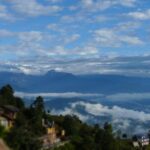
On Day 3, you keep moving through dense forest and the scenery shifts toward larger mountain views. You’ll get grand views of Langtang-Lirung and notice a few cultural-and-practical details in the valley, including water factories (real-world infrastructure near the trail), chortens, and hills that show how human life fits into the mountain setting.
Both days are listed at about 6 hours each, which is a comfortable length to settle into. You’re building effort gradually rather than forcing a huge push right away.
Kyanjin Gompa on Day 4: yak pastures and monastery atmosphere
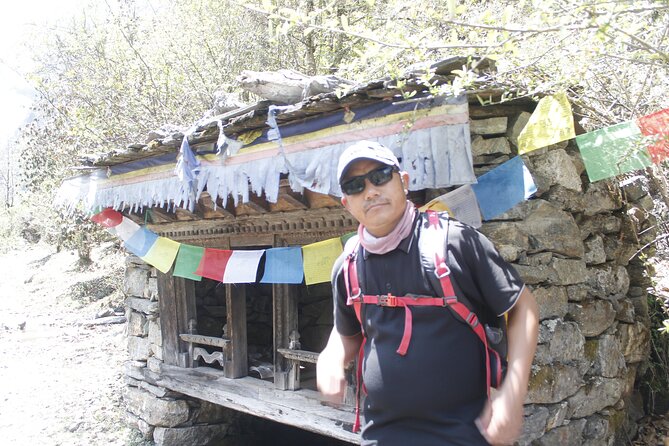
Day 4 is where the trek starts to feel more distinctly high-alpine and less “valley walk.” You leave towns behind and move through yak pastures, which gives the scenery a different texture. Instead of dense forest, you’re dealing with open stretches and a wider sky.
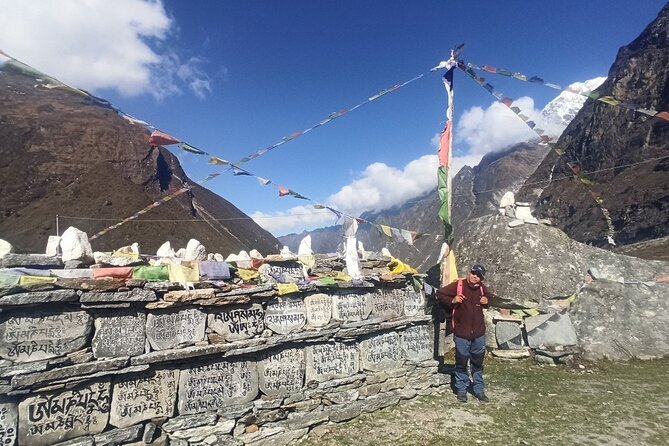
You’ll cross the biggest Mani divider in Nepal, then continue over wooden scaffolds as you work your way upward. After that, you reach Kyanjin Gompa.
This is the day that’s about more than just elevation. Kyanjin Gompa is tied to monastery life, so you get a real sense of how faith and daily rhythm show up in the mountains. The itinerary also hints that you may begin feeling the higher elevations here, so it’s a good day to pace yourself, drink water, and avoid turning your trek into a race.
Day 4 is about 5 hours, which helps because your body gets the climb without a super-long grinding session.
Sunrise at Kyanjin Viewpoint (4,800 ft) and the downhill back to Lama Hotel
Day 5 starts early with a visit to Kyanjin viewpoint for sunrise at 4,800/16,404 ft. If you’re the type who enjoys that quiet hour when mountains look razor-sharp, this is one of the standout moments on the whole route.
After sunrise and breakfast, the trek turns into a descent. You continue to Lama Hotel, described as a 4 to 5 hour walk since it’s downhill. The itinerary lists Day 5 at 6 hours total, so there’s time for the viewpoint stop, morning routine, and the move back toward lower elevations.
Practical consideration: sunrise viewpoints often depend on weather and visibility. When skies cooperate, it’s spectacular. When clouds roll in, you’ll still get a sense of place, but the dramatic payoff might be muted. Either way, it’s a structured day, not a random early morning scramble.
You can also read our reviews of more tours and experiences in Kathmandu
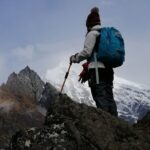
Day 6’s Syabrubensi descent: simple guesthouses and a gentler finish
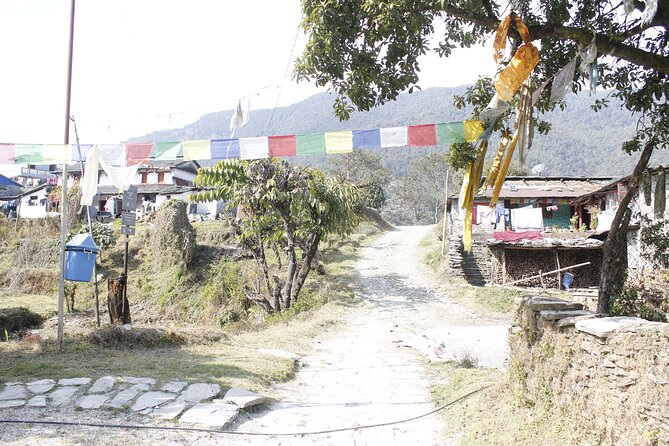
Day 6 brings you down to Syabrubensi. The walk is listed at about 5 hours, and it’s described as a simple downhill trail through lush green vegetation. That’s a nice change after a few days of moving from forest to higher terrain.
Once you arrive, you take lunch. The tour also suggests you may have some spare time on this day, which matters more than people think. A descent day is not just for legs; it’s when your mind catches up.
You then return to Hotel Garden inn Shyfru Bensi for the next overnight (based on the tour stop). Accommodation along the trek is in guesthouses, and one review noted that the accommodation and food were average, even while the overall trek felt worthwhile. I’d take that seriously: guesthouses are practical bases, not luxury hotels. Your “value” here is the route and the scenery, not five-star comfort.
Day 7: drive back to Kathmandu and a rest day in Thamel
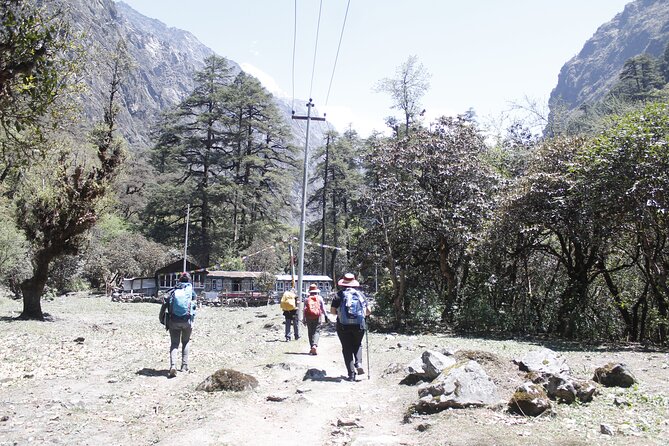
At the end of the trek, you’re back on the road. Day 7 includes a drive to Kathmandu and a transfer to your hotel, with the route listing Thamel, Kathmandu as the end area.
This is your reset day. The itinerary keeps Day 7 open for your leisure, which is smart because after several days of hiking, you’ll likely want a slow morning and a normal shower more than another big plan.
If your base is Thamel, you’re in a handy spot for meals and supplies, and it’s easy to unwind without feeling like you’re far from city life.
Price and logistics: what you’re really paying for at $410
At $410 per person, the key question is what’s bundled. This trek includes more than just a guide with a whistle.
Your package includes:
- Hotel pickup and drop-off
- A professional English-speaking guide
- Guesthouse accommodation during the trek
- Sharing bus transport to and from the starting point
- Langtang National Park / Conservation Area Permit and TIMS Card
- A first aid kit carried by the guide
- A private trip, meaning only your group participates
That permit and TIMS inclusion is a big value add for people who don’t want to sort paperwork while also trying to enjoy the trek. Same goes for pickup and drop-off, because it keeps the whole plan smooth from the first morning.
What’s not included is also worth knowing: personal expenses and optional gratitude. If you’re the kind of person who likes to budget carefully, plan for extra costs beyond the core fee.
Also note that the experience lists mobile ticket and mentions group discounts. Details on how that discount is applied aren’t spelled out here, but it suggests the operator may be flexible on group pricing.
Guides matter: Biro and Amrit as examples of NMC support
This is one of those treks where a good guide changes your experience fast. I like routes that have a clear structure, but the emotional part of the journey comes from how the day-to-day feels.
In the feedback, Biro is highlighted for deep area knowledge, a warm personality, and constant support. Another review points to Amrit as knowledgeable and kind, with a steady focus on safety and comfort.
Even beyond personality, you’re paying for operational competence: the guide is English-speaking, carries a first aid kit, and helps keep the trek moving at a realistic pace. When the trail shifts from forest to higher elevation, that kind of guidance becomes more than “nice to have.”
If you want a trek where you feel looked after without feeling babysat, this kind of guide style is a strong match.
Who this trek suits best (and who should think twice)
This trek fits well if you want:
- A 7-day plan with moderate physical fitness as the target level
- A route that’s accessible from Kathmandu, so the trip isn’t swallowed by travel days
- A mix of Tamang/Tibetan-influenced villages and monastery stops like Kyanjin Gompa
- Big views on a schedule that’s mostly 5 to 6 hours of walking most days
Think twice if you:
- Expect luxury comfort or gourmet food from guesthouses. Based on feedback, accommodation and meals can be average.
- Get frustrated by early starts, since sunrise at Kyanjin viewpoint is part of the rhythm.
- Want an ultra-technical trek. This route is described as steep-looking but not overly testing, so it’s more approachable than many Himalayan routes, but it’s still a mountain walk.
Should you book the 7 Days Langtang Valley Trek?
I’d book this trek if your priority is time on the trail, plus a real combo of culture and mountain scenery, without the long upfront travel that many Nepal treks require. The value is strongest in what’s included: permits (Langtang National Park / Conservation Area and TIMS), an English-speaking guide, guesthouse lodging, and the Kathmandu pickup/drop-off.
If you can handle basic guesthouse comfort and you’re okay with a simple, well-paced itinerary, this is a smart way to experience Langtang. If your idea of trekking requires consistently high-end food and hotel-style upgrades, you may feel disappointed by the “average” guesthouse reality.
In short: if you want a classic Langtang Valley experience with solid support, this package makes a lot of sense.
FAQ
What time is the pickup in Kathmandu?
Pickup starts at 6:30 am, with a representative coming to your hotel door.
How long is the Langtang Valley trek?
The trek is listed as 7 days (approx.).
What’s included in the tour price?
Hotel pickup and drop-off, a professional English-speaking guide, guesthouse accommodation during the trek, sharing bus transport to and from the starting point, Langtang National Park / Conservation Area Permit and TIMS Card, a first aid kit carried by the guide, and the option for a private trip.
Are trekking permits and TIMS included?
Yes. The Langtang National Park / Conservation Area Permit and the TIMS Card are included.
Is this tour private?
Yes. It’s listed as private, and only your group will participate.
What is the cancellation policy?
Free cancellation is available. You can cancel up to 24 hours in advance for a full refund. Canceling less than 24 hours before the start time is not refundable.