REVIEW · KATHMANDU
Annapurna Circuit Trek
Book on Viator →Operated by Adventure Bound · Bookable on Viator
Cold nights and big passes make this trek memorable. On this 14-day guided Annapurna Circuit, you hike between about 1,100m Jagat and Thorong La at 5,416m with a government-licensed guide. I like the built-in logistics—buses, permits, maps, and a first-aid kit are handled—so you can focus on walking and views.
Another win is the human support. In past departures with Adventure Bound, guides such as Rabin and Santosh are known for staying close, explaining choices, and helping you stay on track for the next day. I like that kind of personal attention in a trek with real altitude pressure.
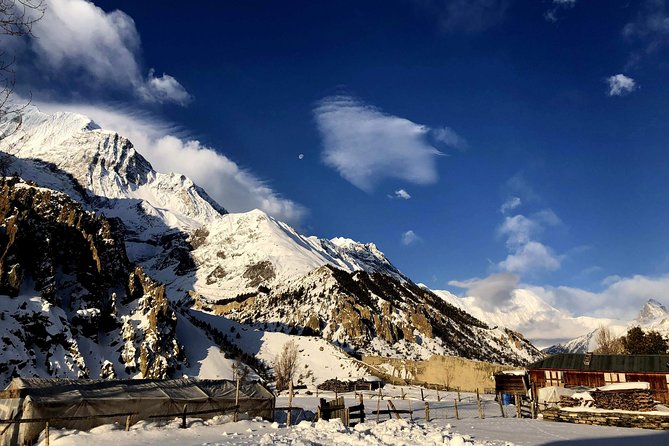
Your main consideration is the cold. One account notes nights dropping to around -20°C with strong wind, enough to freeze even a bottle. If you’re not excited about winter layers and slow, careful mornings, this trek will test you.
In This Review
- Key Things That Make This Annapurna Circuit Trek Worth Your Time
- Day 1 to Jagat: The Long Transfer That Sets Your Trek Pace
- Lower Annapurna Circuit Days 2–5: Dharapani to Manang, Step by Step
- Manang Acclimatization: Why the Rest Day Is Part of the Adventure
- Yak Kharka to Thorong Phedi: The Trek Gets Serious
- Thorong La and the Descent to Muktinath: High Altitude With Logistics Help
- Jomsom and Tatopani: Hot Springs Day That Breaks Up the Altitude Grind
- Ghorepani, Poon Hill, and the Pokhara Transfer: A Classic Sunrise Finish
- Price and Logistics: What $1,175 Covers (and Where You Still Need to Budget)
- The Kind of Trekker This Fits Best
- Should You Book This Annapurna Circuit Trek With Adventure Bound?
- FAQ
- What’s included in the tour price?
- Do I stay in tea houses on this trek?
- Is travel insurance provided?
- Is there a guide and what safety support is included?
- How fit do I need to be?
- How does transport work near the start and end?
- What’s the cancellation window for a refund?
Key Things That Make This Annapurna Circuit Trek Worth Your Time
- Guide-led safety and decision-making: You’re not just handed a route and wished luck.
- Permits and TIMS are included: Annapurna Conservation Park and TIMS paperwork are covered.
- A real acclimatization pause in Manang: You get a buffer day before the high pass push.
- Thorong La is part of the core plan (5,416m): Expect a long, high-stakes day.
- Tea house comfort plus included meals: Accommodation and standard meals during the trek are built in.
- Poon Hill finish and a Pokhara transfer: You end with sunrise views before heading to a city base.
Day 1 to Jagat: The Long Transfer That Sets Your Trek Pace
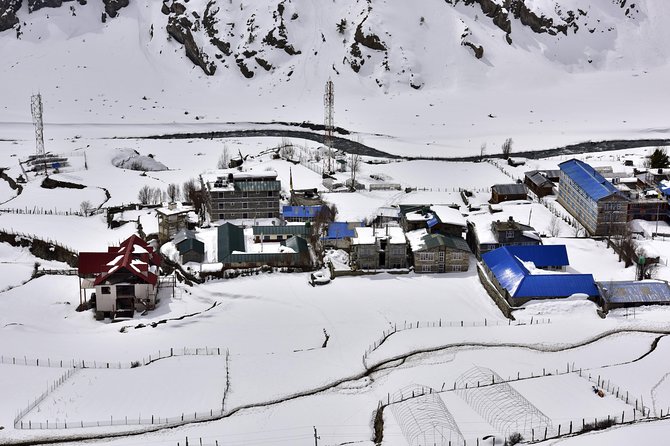
Most people underestimate how much Day 1 matters. You’ll drive from Kathmandu to Jagat via Besisahar, about 8–9 hours. It’s a long day, but it’s also a smart way to start: you’re not scrambling to gain altitude and hike hard on day one.
Jagat itself sits at about 1,100m, so this is your gentle on-ramp. You’ll be thinking about sleep, hydration, and layering before you ever see the higher villages. If you arrive tired, that’s normal. The goal is to settle in, eat, and prepare for the first real walking day.
The other practical benefit: pickup is offered and you’ll use mobile ticketing. If you share your arrival flight details in advance (as the trip requests), you’ll have fewer moving parts on the front end. For many trekkers, reducing early confusion is the difference between enjoying the start and feeling rushed.
You can also read our reviews of more hiking tours in Kathmandu
Lower Annapurna Circuit Days 2–5: Dharapani to Manang, Step by Step
After Jagat, the trek firms up. Day 2 is Jagat to Dharapani (around 1,960m), about 6–7 hours. This is where your legs start learning the rhythm of frequent small climbs and steady breathing. It’s not just training—it’s also the first day where the route starts showing its variety.
Day 3 brings Dharapani to Chame (about 2,710m) for roughly 5–6 hours. Chame is a classic circuit stop, and you’ll feel the altitude settling in. Expect mornings where you move slower than you want, then feel better after you warm up.
Day 4 takes you from Chame to Pisang (around 3,300m) in about 5–6 hours. Higher is higher here, and the air gets noticeably drier. This is often a day where you start paying attention to how you carry water and how often you snack, because your energy needs change.
Day 5 is Pisang to Manang (around 3,540m) for about 6–7 hours. You’re now in the altitude zone where mistakes feel bigger. The good news is the itinerary design: it doesn’t push you to grind straight into the pass. Instead, it sets you up for the real turning point.
Manang Acclimatization: Why the Rest Day Is Part of the Adventure
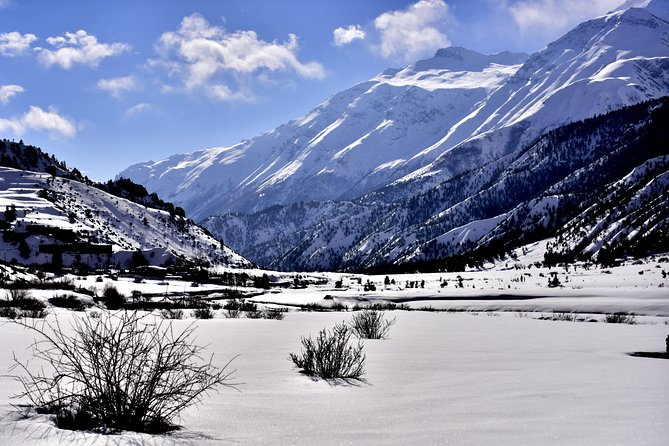
Your itinerary includes an acclimatization day at Manang. This isn’t wasted time. It’s how you reduce the odds of getting hit hard by altitude before the Thorong La crossing.
Manang sits high enough that your body is learning a new normal. Even if you feel okay, altitude can still catch up later. A rest day gives you a chance to adjust your pace, hydrate steadily, and keep your sleep from turning into a long night of restless breathing.
This is also where a strong guide makes a difference. In guides named in past departures—like Chakra (Ck) and others—the thread is consistent: helping you make day-to-day calls and staying available when conditions shift. With the pass ahead, you want that kind of support when you’re deciding how hard to go on a day that’s supposed to be easier.
If you’ve ever felt tempted to cram extra distance on a rest day, fight that urge here. Your reward comes after, and the pass day is not the place to prove you can ignore your body.
Yak Kharka to Thorong Phedi: The Trek Gets Serious
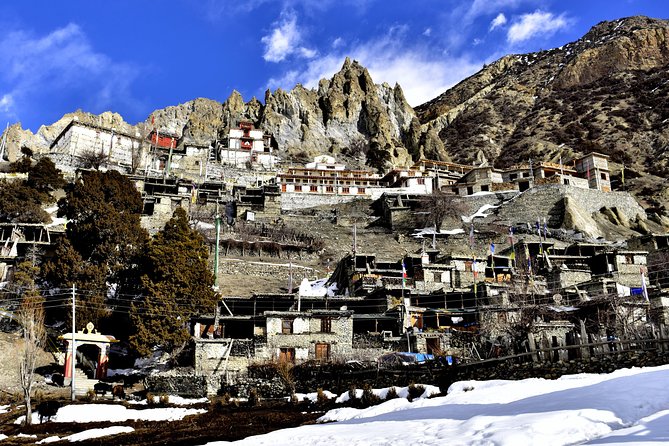
Day 7 is Manang to Yak Kharka (about 4,120m), roughly 4–5 hours. This is a step up, and it’s a warning sign in a helpful way: you’ll feel the thinner air before you’re at the highest points.
Day 8 goes from Yak Kharka to Thorong Phedi (about 4,450m) in about 4–5 hours. Thorong Phedi is essentially your staging zone for Thorong La. The hike may not look extreme on paper, but your body will be thinking differently at this elevation.
This is where cold can start creeping into the experience. Even when daytime walking feels manageable, exposed mornings and nights can be brutal. One account from the trip notes -20°C temperatures with wind, with water freezing solid. You don’t need to panic, but you do need to pack like cold is real. Layering and warm head coverage matter more than fancy gear.
A guide also helps here with pacing and timing. The point is to arrive before you’re exhausted and then recover properly. If you push too hard, the next day gets harder fast.
Thorong La and the Descent to Muktinath: High Altitude With Logistics Help
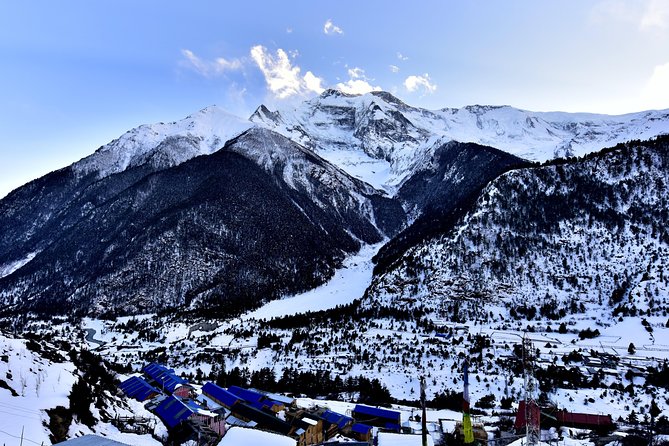
Day 9 is the big one: Thorong Phedi to Muktinath (about 3,802m) via Thorong La (5,416m), about 7–8 hours. This is the kind of day where altitude turns time into a moving target. You might walk slower than you planned, but you’ll keep moving in a controlled way.
Crossing Thorong La is the headline, but Muktinath is the payoff. After the high point, you transition into a lower elevation rhythm. That change often feels like relief in your lungs, but don’t get cocky—fatigue is still fatigue, and the terrain still asks for focus.
One of the most praised parts of this experience is how guides support the pass crossing. In accounts tied to this trek, guides like Ganesh Ji are specifically credited for encouragement and for making sure the group completes the trek, particularly at Thorong La. That matters. You want someone who can help you stay calm when you feel the air thinning and your pace slipping.
If you’re the type who gets anxious when plans stretch, you’ll likely appreciate the guide role here. The itinerary format is built for guidance, not guesswork.
Jomsom and Tatopani: Hot Springs Day That Breaks Up the Altitude Grind
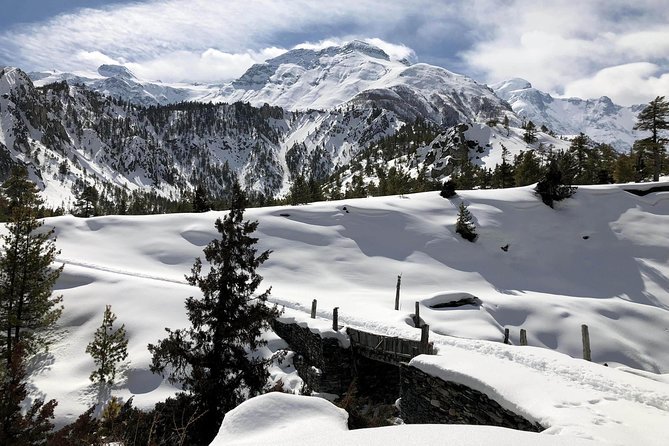
Day 10 goes from Muktinath to Jomsom (about 2,743m) for roughly 5–6 hours. This descent gives you altitude breathing room. Jomsom is also part of the rhythm shift: you’re leaving the highest zone and returning to a more workable hiking altitude.
Day 11 is Jomsom to Tatopani by drive (about 4–5 hours). Tatopani is known for natural hot springs, and that’s the practical magic of this day. After days where cold can freeze your water, warm springs can feel like a reset button—if you’re comfortable with the idea of soaking in a mountain town setting.
This day’s value is partly physical and partly mental. You get a break from walking while still keeping the trek moving forward. It’s also a reminder that not every day needs to be a grind to count as part of your circuit experience.
Ghorepani, Poon Hill, and the Pokhara Transfer: A Classic Sunrise Finish
Day 12 is Tatopani to Ghorepani (around 2,750m), about 7–8 hours. Expect a longer walking day than some of the mid-trek stages. Ghorepani is your base for the Poon Hill sunrise.
Day 13 starts with an early morning hike up to Poon Hill (3,210m), then you trek down to Nayapul (about 2,070m), and finish with a taxi to Pokhara. It’s a long day—around 7–8 hours—but it’s also a satisfying close. Poon Hill is timed for early light, when views tend to feel sharp and dramatic.
This final day also brings you to Pokhara for a night with normal comforts compared to the trail. It’s not the endpoint of Nepal travel, but it’s a good moment to recharge your body and process what you just did.
Day 14 is simply the drive from Pokhara (about 822m) back to Kathmandu (around 1,400m). After the altitude, that change in elevation feels like a relief. It’s also when you start planning what you’ll do with your remaining time in Nepal.
Price and Logistics: What $1,175 Covers (and Where You Still Need to Budget)
At $1,175, you’re paying for more than a guide and a route. The big value is that key trek costs are already wrapped in: tea house accommodation during the trek, and a standard set of meals (breakfast, lunch, dinner) while you’re on the trail.
You’re also getting transportation support: bus from Kathmandu to Jagat, and bus from Jomsom to Tatopani, plus private transportation from Nayapul to Pokhara. When you’re tired and slightly altitude-stressed, fewer transfers you need to figure out yourself is real value.
The administrative pieces are included too. Annapurna Conservation Park permits and TIMS fees are covered, and you also get a trekking map plus first aid medical kit. This matters because permits aren’t optional “nice extras” on the circuit—they’re part of being legally and practically set up to hike.
What you’ll still pay separately is clearly listed: travel and rescue insurance, personal expenses like phone calls, laundry, bar bills, battery recharge, and bottle or boiled water, plus tips for guides and porters. If you want a porter, you may need to arrange that separately. For most hikers, tips and personal spending are the most common budget surprises, so plan for those from the start.
The Kind of Trekker This Fits Best
This trek is listed for people with moderate physical fitness. That doesn’t mean it’s casual. It means you don’t need to be an elite athlete, but you do need steady hiking comfort and the willingness to slow down at altitude.
This is also set up as a private tour/activity, meaning only your group participates. If you’re traveling with friends or want a quieter experience with more direct guide attention, that privacy can be a plus. If you like meeting lots of random people on the trail, this setup might feel less social.
You’ll enjoy it most if you like real mountain travel details: teahouse nights, practical logistics handled for you, and a pass crossing that’s planned enough to feel supported. And if cold weather is a deal-breaker, take the warning seriously—-20°C and high wind are part of what this trek can throw at you on exposed days.
Should You Book This Annapurna Circuit Trek With Adventure Bound?
I’d book it if you want the Annapurna Circuit experience without turning it into a project. The itinerary structure has the right bones: a slow start from Kathmandu to Jagat, a climb through the villages, an acclimatization day at Manang, then a focused push toward Thorong La and Muktinath, followed by a Poon Hill sunrise finish into Pokhara.
I’d pause before booking if you’re uncomfortable with extreme cold and wind. This is not a trek where you can ignore winter layering. If you don’t have the gear or you hate freezing nights, you’ll feel it.
If you do book, use the guide smartly. Ask about clothing layers for -20°C type conditions, plan your water strategy for freezing risk, and trust the acclimatization day. The best part of this trek is getting you to the pass with support—so let that support do its job.
FAQ
What’s included in the tour price?
The price includes bus transportation (Kathmandu to Jagat and Jomsom to Tatopani), private transportation (Nayapul to Pokhara), tea house accommodation during the trek, a government-licensed guide, Annapurna Conservation Park permit fees, TIMS fee, a first aid medical kit, a trekking map, government tax, and three standard meals per trekking day (breakfast, lunch, dinner).
Do I stay in tea houses on this trek?
Yes. Tea house accommodation is included during the trek. You’ll be hiking between villages and sleeping at these trail lodges as part of the route.
Is travel insurance provided?
No. Travel and rescue insurance is not included, so you’ll need to arrange it separately.
Is there a guide and what safety support is included?
You’ll have a government licensed experienced helpful and friendly guide. The package also includes a first aid medical kit and the required permits (Annapurna Conservation Park permits and TIMS).
How fit do I need to be?
The trek expects moderate physical fitness. You should be comfortable with multi-hour hiking days at altitude and ready for an acclimatization day at Manang before the higher sections.
How does transport work near the start and end?
You’ll drive from Kathmandu to Jagat via Besisahar on Day 1. Later you’ll take bus transportation from Jomsom to Tatopani, then private transportation from Nayapul to Pokhara. Day 14 is a drive from Pokhara back to Kathmandu.
What’s the cancellation window for a refund?
You can cancel up to 6 days in advance for a full refund. Canceling 2–6 days before the experience start gives a 50% refund, and canceling less than 2 days before does not provide a refund.