REVIEW · KATHMANDU
12 Days Overland Tour to Upper Mustang
Book on Viator →Operated by Adventure Glacier Treks & Expedition · Bookable on Viator
Upper Mustang feels like another planet. This private jeep route threads together caves, monasteries, and Mustang villages in a region that still feels properly restricted. You spend your days following the Kali Gandaki corridor, then end with a calmer Pokhara finish.
I especially like that key access items are handled for you, including ACAP and the Lo Manthang Special Permit. I also like the structure: you ease into altitude and road conditions with Kathmandu Valley and Pokhara before committing to the higher-country driving days.
One thing to consider: this is a 12-day, long-drive style trip, and the off-road stretches can be rough on comfort, especially if you’re sensitive to bumpy rides.
In This Review
- Key things I’d plan around before Upper Mustang
- First, what you’re really signing up for: a jeep tour built for access
- Days 1–2 in Kathmandu: getting oriented before the long road
- The Kathmandu to Pokhara move: a practical on-ramp
- Pokhara to Mustang: following the Kali Gandaki River
- Jomsom, Kagbeni, and Muktinath: markets and sacred stops
- Ghami and Kagbeni Monastery: when tradition has a schedule
- Entering Lo Manthang: monasteries, gompas, and the old city
- Chhoser sky caves and Shija Jhong cave: a day that feels otherworldly
- Jomsom market evening and the return drive
- Pokhara lakeside: the decompression you’ll be glad you booked
- Permits and price: is $2,600 good value here?
- Comfort, season, and what your body should expect
- Who this Upper Mustang jeep tour suits best
- Should you book this tour with Adventure Glacier Treks & Expedition?
- FAQ
- How many days is the Upper Mustang tour, and how long is the driving?
- What permits are included for Upper Mustang?
- Is this a private tour?
- What’s the transportation style for the trip?
- What meals are included?
- Where do you meet, and where does the tour end?
Key things I’d plan around before Upper Mustang
- Permits are included (ACAP + Lo Manthang Special Permit), so you’re not scrambling at the last minute.
- A private, English-speaking guide helps the trip feel personal and makes the religious sites make sense.
- Kali Gandaki driving days include village stops, markets, and river views—great if you like moving through places rather than just sightseeing stops.
- Lo Manthang focus on day trips to major monasteries and cave sites, including Chhoser and Shija Jhong.
- Pokhara recovery time at the end gives you a real break before returning to Kathmandu.
First, what you’re really signing up for: a jeep tour built for access
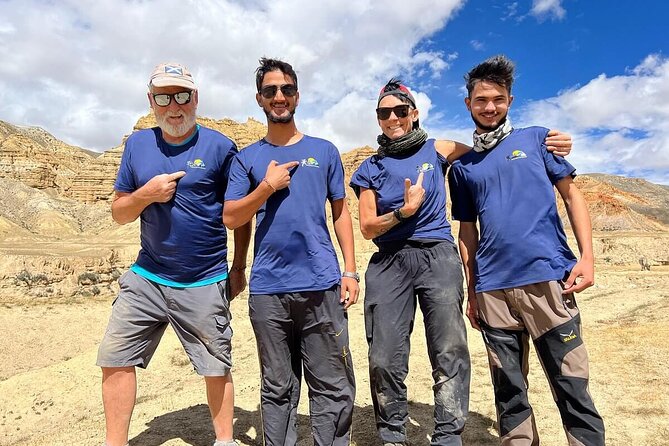
Upper Mustang is famous for its “forbidden kingdom” vibe, but the practical reality is this: access is managed, roads are uneven, and distances add up fast. This tour is designed for people who want the experience without committing to a full trekking pace every day. That matters, because it changes how you experience the region—you’re closer to the action of daily life, but you trade some of the quiet slow-walk moments.
The private jeep setup is also what makes the itinerary feel doable. You’re not waiting on a shared vehicle schedule, and your guide can shape small timing decisions around road conditions. Still, plan your mindset around travel time. A “12 hours” day on paper can feel longer when you add off-road sections and viewpoint pauses.
You can also read our reviews of more tours and experiences in Kathmandu.
Days 1–2 in Kathmandu: getting oriented before the long road
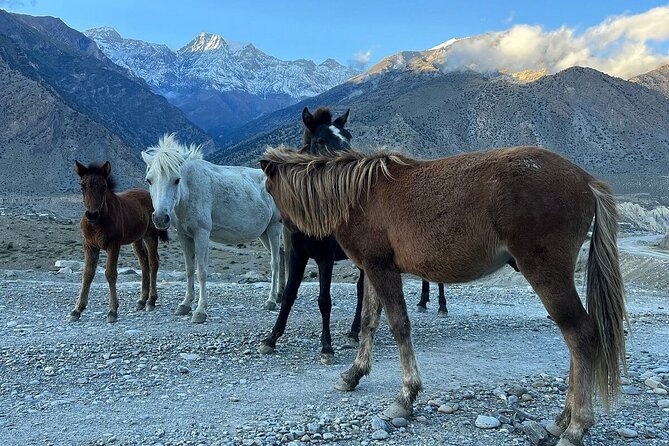
Your trip starts with pickup at Tribhuvan International Airport in Kathmandu. After a hotel transfer, you get a briefing—useful because it sets expectations for driving days, cultural stops, and the rhythm of permit-required travel.
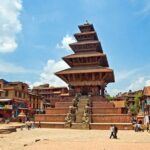
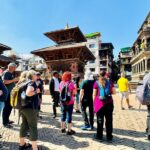
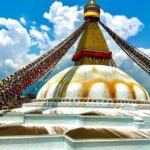
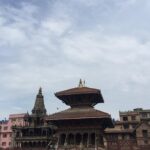
Day 2 shifts to Kathmandu Valley sightseeing with an English-speaking guide. This is a smart buffer day. You get to see famous monuments and get your bearings in a city that can feel intense, especially if you’re arriving from far away.
What I like here: you’re not thrown straight into high-country hardship. You warm up with culture and logistics, then move on to the road trip start in Pokhara.
The Kathmandu to Pokhara move: a practical on-ramp
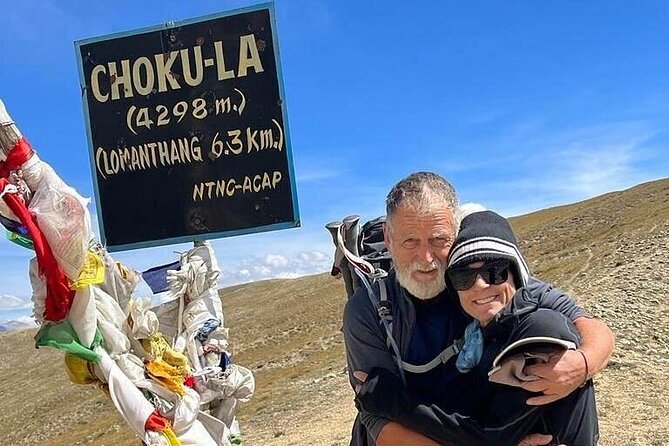
After breakfast on day 3, you head from Kathmandu to Pokhara by private jeep. The drive is described as a long day, and that’s the point: it helps you understand the pace you’ll maintain through Mustang.
On day 3 you also start spotting the “Nepal outside the big cities” feel: greenery, rivers, villages, and farms along the route. If you’ve only seen Nepal from Kathmandu streets, Pokhara is where the scenery starts to widen and the roads start telling their own story.
I’d treat Pokhara as more than a stop. Use it to rest, hydrate, and get your layers sorted for colder mornings. When you later drive higher and farther, those small prep steps pay off.
Pokhara to Mustang: following the Kali Gandaki River
Day 4 is your first big Mustang corridor day. You leave Pokhara after breakfast and drive toward Mustang, initially on a blacktop road to Beni, then switching to off-road after that. From there, the Kali Gandaki River becomes your guiding line through the valley.
This is the day where comfort planning matters. Off-road sections can mean slower speeds and more bumps, so pack for it: warmer clothes for temperature swings and a way to keep your essentials secure.
Why this route is worth it: the Kali Gandaki valley gives you a visual thread through the trip. Even when you’re not at a viewpoint, you’re still traveling through the same natural corridor that shaped Mustang life for generations.
Jomsom, Kagbeni, and Muktinath: markets and sacred stops
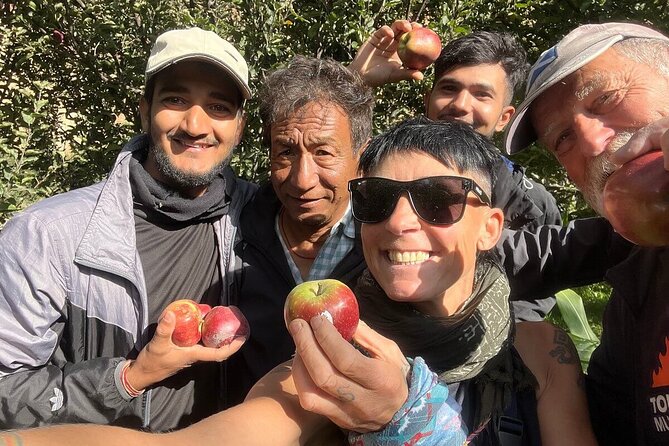
Day 5 brings you deeper into Mustang territory. You drive via Kalopani and Ghasa, with stops to see how apples are grown plus the local market in Jomsom. Then you pass through Kagbeni—one of the key Mustang settlements on this corridor.
A quick note on how to enjoy this day: don’t just rush from landmark to landmark. Markets and roadside farms are part of the lived-in Mustang story, and they often give you better context than a single monastery visit.
You also end up at or near Muktinath on this day. Muktinath is a major spiritual stop in the region. Even if you’re not religious, sacred sites help you understand why people live here and how travel and tradition are tied together.
Ghami and Kagbeni Monastery: when tradition has a schedule
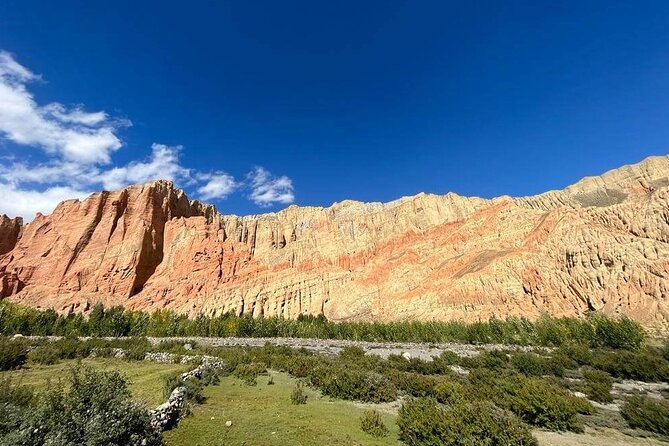
Day 6 focuses on Kagbeni, including a monastery visit after breakfast. Kagbeni is known for Pitri-Puja, also called Pitri-Moksastala—a ritual intended to help lost ancestors’ souls and guide them onward.
You might not see the full ritual (timing depends on the local calendar), but the key is that your guide is bringing you to a place where these traditions aren’t museum pieces. They’re part of the community rhythm.
If you like learning context, this day is strong. Monasteries and ritual sites make the region’s culture feel less like scenery and more like an ongoing way of life.
Entering Lo Manthang: monasteries, gompas, and the old city
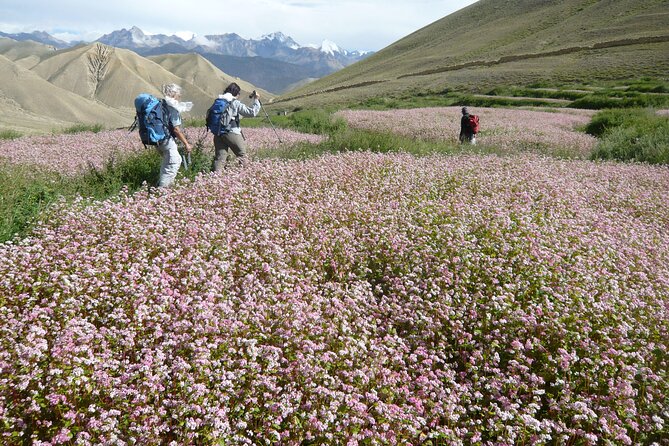
Day 7 is a big milestone: you reach Lo Manthang and visit several major monasteries. The names in your plan include Lo Gager Ghar Gompa, Charang Monastery, the Lo-mang Thang city area, and Jampa Gompa, plus the oldest monastery referred to as the God House.
This is where Upper Mustang starts to feel like a separate world. The city and monasteries are part religious center, part historic stronghold. Even without getting technical, you’ll notice the architecture and the way the sites sit in the terrain.
Practical tip: plan your photos and your time. Monastery visits can involve slow walking, quiet spaces, and respectful behavior, so don’t treat this as a quick “snap and go” day. You’ll get more out of it if you pause and let details register.
Chhoser sky caves and Shija Jhong cave: a day that feels otherworldly
Day 8 is all about the caves. You start with Namgyal Gompa, then move to Chhoser sky caves and the Shija Jhong cave, described as nearly 3,000 years old and explored by archaeologists from around the world.
Cave days can be a mixed bag depending on light, temperature, and how you handle uneven ground. Bring layers and keep your footing careful. If you’re wearing sneakers, you’ll likely be fine, but you still want stable shoes for rock surfaces and any steps.
Why caves belong on a Mustang trip: they connect you to the “survival geography” of the region—people didn’t just build here; they used the terrain in ways that still show up today.
Jomsom market evening and the return drive
Day 9 brings you back to Jomsom. The route passes villages, the Kali Gandaki River, Buddhist stupas, and monasteries. Then you get time to explore the local market in Jomsom in the evening.
This is a great end-of-trip style day because it’s less about hitting one more monumental sight and more about soaking up everyday life. Markets help you shop thoughtfully too—snack ideas, small gifts, and local crafts you can actually carry.
Day 10 continues the unwind: you drive back to Pokhara. It’s a long day, but it’s also a relief. You’re trading high-country detours for a more familiar valley drive.
Pokhara lakeside: the decompression you’ll be glad you booked
Day 11 is a Pokhara lakeside city tour with the option to rest if you prefer. After several days of driving and cave/monastery pacing, this day is more than “free time.” It’s where your body catches up—sleep, food, and stretching.
This is also when you’ll feel the contrast most. Mustang days are structured around restricted-access places and long travel corridors. Pokhara lets you slow down and process what you’ve seen.
Day 12 then returns you to Kathmandu, about 7 hours depending on road conditions, and the trip ends back at the meeting point.
Permits and price: is $2,600 good value here?
At $2,600 per person for a 12-day private jeep tour, you’re paying for more than transportation. The tour includes ground transport by private vehicle, an English-speaking guide, accommodation as listed, breakfast (11), and permits. Most importantly for this region, it includes ACAP and the Lo Manthang Special Permit, priced at USD 534.
That permit cost matters because Upper Mustang is restricted and regulated, and those fees are not optional if you want the full Lo Manthang access. Including them in the package saves you time and stress, and it prevents “surprise invoices” later.
So where does the value come from?
- Private logistics across long distances (not a shared group shuttle).
- Guide time across Kathmandu Valley, the Mustang corridor, and the Lo Manthang cave/monastery day(s).
- Access management via included permits.
- A full circuit that ends with Pokhara and Kathmandu rather than cutting off abruptly.
Your main cost awareness: the package lists personal expenses as not included. That means drinks, extra snacks, and any extra services need to be budgeted by you.
Comfort, season, and what your body should expect
One booking note included a heads-up that December may not be the best season for Upper Mustang. That’s not surprising in a region where temperatures can drop and roads can be harder. If you’re going in colder months, I’d treat warm layers as non-negotiable, not “nice to have.”
On the comfort side, this is mostly jeep travel with off-road sections. That’s the trade for avoiding trekking every day. If your body doesn’t love long bumpy rides, you’ll want to plan for it: hydration, pain-preventing posture during breaks, and compression or support if that’s your thing.
Finally, don’t forget the mental rhythm. This trip moves fast between cultural sites, cave entrances, and driving segments. If you prefer quiet, slow travel with lots of unstructured time, you might feel the schedule tighten. You can counter that by using Pokhara as your decompression day and treating monasteries/caves as your “slower moments.”
Who this Upper Mustang jeep tour suits best
This works well if you:
- Want Lo Manthang access and cave/monastery highlights without trekking every day.
- Prefer a private schedule with an English-speaking guide.
- Like the idea of seeing markets and villages along the Kali Gandaki corridor, not just far-away viewpoints.
- Appreciate the rhythm of “culture + driving + cave sites + recovery.”
It may be a tougher fit if you:
- Strongly dislike long driving days or off-road discomfort.
- Want lots of spare time each day to wander without plan.
A practical approach: match this tour to your travel style, not just your wishlist. Upper Mustang is easier to love when you’re aligned with the pace.
Should you book this tour with Adventure Glacier Treks & Expedition?
Based on the way this trip is put together, I’d book it if you want a smooth path through a regulated, logistically complex region. The big win is that permits are included, and the day-to-day structure guides you through Mustang without forcing you to manage the moving parts yourself.
Also, the agency is described as family-run and focused on giving first-hand information plus competitive pricing and excellent staff. That matters in places where local context improves the experience and keeps problems from becoming disasters.
One last decision helper: if you’re traveling in colder months like December, go in with realistic expectations and pack for comfort. The experience can still be special, but your gear and patience will shape how good it feels.
If you’re ready for a private jeep circuit with Lo Manthang monasteries and the caves (Chhoser and Shija Jhong), this is a strong fit.
FAQ
How many days is the Upper Mustang tour, and how long is the driving?
The tour runs for about 12 days. Several days are listed as about 12 hours, and the final drive back to Kathmandu is about 7 hours depending on road conditions.
What permits are included for Upper Mustang?
The package includes ACAP and the Lo Manthang Special Permits with a listed cost of USD 534.
Is this a private tour?
Yes. It’s a private tour/activity, so only your group participates.
What’s the transportation style for the trip?
It includes ground transportation by private vehicle, and the route is traveled by jeep overland.
What meals are included?
Breakfast is included for 11 days. Other meals and beverages are not listed as included.
Where do you meet, and where does the tour end?
You start at the Best Tour & Travel agency in Nepal – Adventure Glacier Treks at Chaksibari Marg, Kathmandu. The tour ends back at the same meeting point.