REVIEW · KATHMANDU
Everest Basecamp Trek: 14 days
Book on Viator →Operated by Iconic Holiday Nepal · Bookable on Viator
So you want the Everest version of a reality check.
This 14-day Everest Base Camp trek pairs high-altitude views with solid logistics, from a Kathmandu pickup to round-trip flights to Lukla. You’ll walk through classic Khumbu villages like Namche Bazaar and Tengboche, then work your way toward Everest Base Camp and the sunrise viewpoint at Kala Patthar.
I like how the itinerary builds in real acclimatization time, especially around Namche Bazaar, instead of rushing to altitude. I also like that your trek support is built in: an English-speaking, first-aid trained guide plus porters (1 porter for every 2 clients) so you’re not turning the climb into a backpack competition.
One possible drawback: this is a flight-based trek, and Lukla weather can affect schedules. If you’re the type who hates plan changes, bring extra patience and a flexible mindset.
In This Review
- Quick highlights
- Kathmandu first steps: Thamel, pickup, and getting oriented
- Lukla flight day: small plane, big views, serious logistics
- Phakding to Namche Bazaar: the acclimatization foundation
- Tengboche and the monastery morning: culture with mountain air
- Nangkartshang Peak rest day: why you pause before the real push
- Dingboche area trailwork: getting closer day by day
- Everest Base Camp day: the glacier approach and the big arrival
- Kala Patthar sunrise: the best view you earn slowly
- Descending back through Namche: legs recover, altitude lessons stick
- Fly home to Kathmandu: wrap-up without extra complications
- What you get for $1,650: value check that matters
- Altitude, fitness, and your best strategy for staying well
- Who should book this Everest Base Camp trek
- Should you book this 14-day Everest Base Camp trek?
- FAQ
- Where does the trek start?
- How long is the Everest Base Camp trek?
- Is the Kathmandu to Lukla airfare included?
- What permits and trekking support are included?
- Where do you stay in Kathmandu and during the trek?
- What meals are included in the price?
- Are beverages included?
- Do I need to bring travel insurance?
Quick highlights
- Lukla flight included: Round-trip airfare between Kathmandu and Lukla is part of the package, so your trek start isn’t a DIY problem.
- Namche acclimatization built in: You get time to adjust, including a guided rest day in Namche Bazaar.
- Tengboche monastery stop: You’ll include a morning visit to Tengboche Gompa, one of the Khumbu’s spiritual anchors.
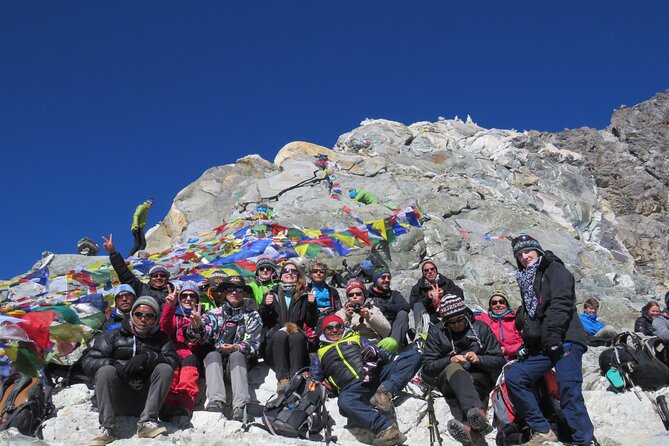
- Everest Base Camp plus Kala Patthar: The route targets the main payoff days, not just a far-off viewpoint.
- Trekking support included: Licensed English-speaking guide and porters help keep the focus on walking and altitude safety.
- Guesthouses during the trek: Twin-sharing accommodations for 11 nights keep things simple and budget-friendly.
Kathmandu first steps: Thamel, pickup, and getting oriented
Your trek begins in Kathmandu, with the Iconic Holiday Nepal team meeting you on arrival and transferring you by private vehicle. You’ll get to Thamel, the central area packed with travel shops, restaurants, and gear browsing. It’s not “quiet Nepal,” but it’s practical: you can sort last-minute essentials without getting stuck in the middle of nowhere.
This day is light by design. You’ll likely want to hydrate, eat something familiar, and set up your trek rhythm. Kathmandu can feel loud after a long flight, so treat tonight like the start of training: early sleep beats late wandering.
You can also read our reviews of more hiking tours in Kathmandu
Lukla flight day: small plane, big views, serious logistics
On day 2, you fly to Lukla early in the morning. Depending on flight status, the departure airport can be Kathmandu or Manthali, but the trek start is still the same. Either way, you’ll spend roughly 30 minutes in the air, and the approach into Lukla is famous for wing-level drama.
Lukla’s airport is busy during peak season and is known for challenging conditions due to its surroundings. That means your biggest job today is mental prep: don’t plan tight connections, and assume the schedule can flex. Once you land, you’re officially in trek mode, even if your legs are still negotiating with you.
Phakding to Namche Bazaar: the acclimatization foundation
Day 3 pushes you from Phakding toward Namche Bazaar, with an uphill hike, suspension bridge crossings, and past village settlements. It’s a “warm up with effort” day, not a flat stroll. You’ll also notice the trail getting more built-up as you approach the Namche area.
Namche Bazaar is the Khumbu hub with modern conveniences: hotels, restaurants, and tea houses. The itinerary plans for altitude adaptation, and that matters more than sightseeing here. You’ll normally stay two days in Namche, and the schedule reflects that smart idea.
On day 4, you get a rest day in Namche Bazaar with a hike to Syangboche for acclimatization. This is where the trek gets real: you’re not just climbing, you’re teaching your body how to cope. If you feel even slightly off (headache, nausea, unusual fatigue), this is the day to take it seriously and follow your guide’s cues.
Tengboche and the monastery morning: culture with mountain air
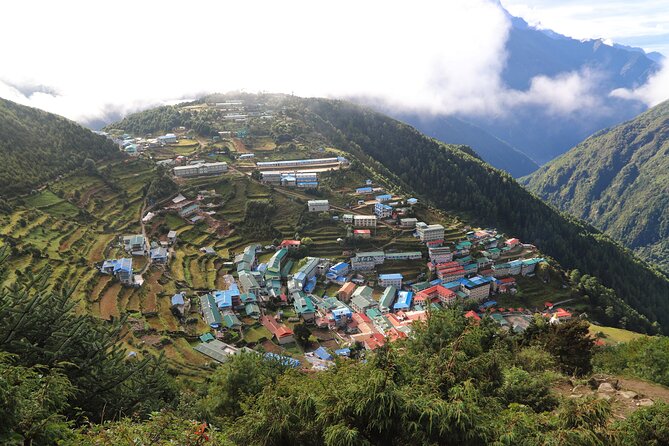
Day 5 heads toward Tengboche, with a route that dips toward the Dudh Kosi Valley before continuing upward. You’ll pass through sections of the Imja Khola area and keep climbing step by step. The walk is described as impressive, and it’s the kind of trail where you get changing views more often than a straight, repetitive grind.
Day 6 includes an early exploration of Tengboche Gompa (the monastery) before you descend. Monasteries in this region aren’t just sightseeing props; they’re part of daily rhythm for local communities. Even if you’re not a meditation person, it’s a good chance to slow down and get context for what you’re seeing.
After breakfast you descend toward the Imja River, walk through Pangboche, and continue with the trail’s mix of village life and mountain scale. This kind of day helps you move while letting your body recover a bit after the busier altitude days.
Nangkartshang Peak rest day: why you pause before the real push
Day 7 is a second altitude-management moment, tied to your first acclimatization at Namche. It’s a rest day, but not a total stop—your plan includes a short outing toward Nangkartshang Peak. The time is short in the itinerary, so think of it as a gentle check-in for your body rather than a big athletic challenge.
This is the hidden value of this trek schedule. If you skip acclimatization, you trade comfort for risk. The plan here keeps you moving, but not recklessly. I like that the itinerary makes altitude safety part of the experience, not an afterthought.
Dingboche area trailwork: getting closer day by day
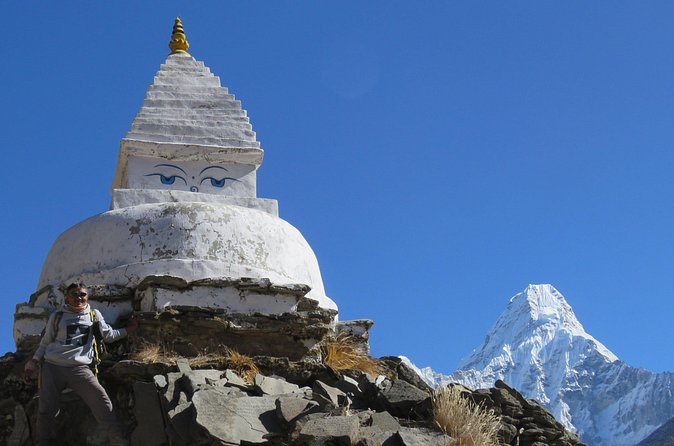
Day 8 leaves Dingboche and heads toward Dughla, following a glacial route portion as the trail becomes steeper. You’ll trek past bare fields as you gain altitude, and the walking is gradual but noticeable. This is the phase where the environment starts to feel harsher and the air thinner.
Day 8 is also a mental shift day: you’re no longer just working your way through villages. You’re approaching the Everest zone itself, and the trail reflects that with more exposed sections and bigger glacier context.
If you’re the kind of person who gets anxious when things feel different, this is a good time to stick to simple habits: steady pace, small snacks, and frequent water. Your guide will be the decision-maker if symptoms show up, but you’ll do your part by not racing the group ahead of you.
Everest Base Camp day: the glacier approach and the big arrival
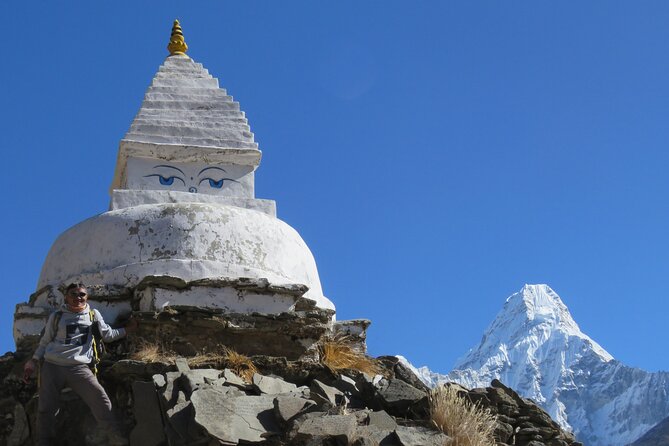
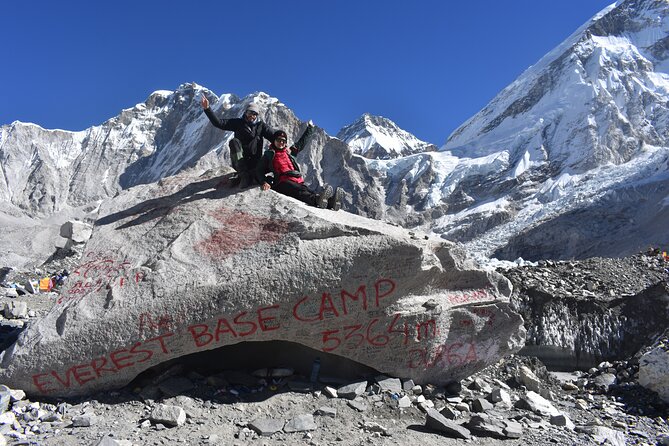
Day 9 is the target day: the walk to Everest Base Camp. From Lobuche, the trail ascends steeply along the Khumbu glacier. You reach Gorak Shep, a spot with strong historical ties as a former base camp area, before pushing toward base camp itself.
This is not a casual hiking day. It’s the kind of trek day where you notice every breath and every step, even if you feel okay in the morning. Once you reach Everest Base Camp, it’s the payoff for all the earlier climbing and patience.
Plan for the emotional rhythm here. People often expect one big feeling on arrival, but altitude and cold can change how you experience it. Keep it practical: take a few photos, drink something warm, and don’t rush the return to Gorak Shep.
Kala Patthar sunrise: the best view you earn slowly
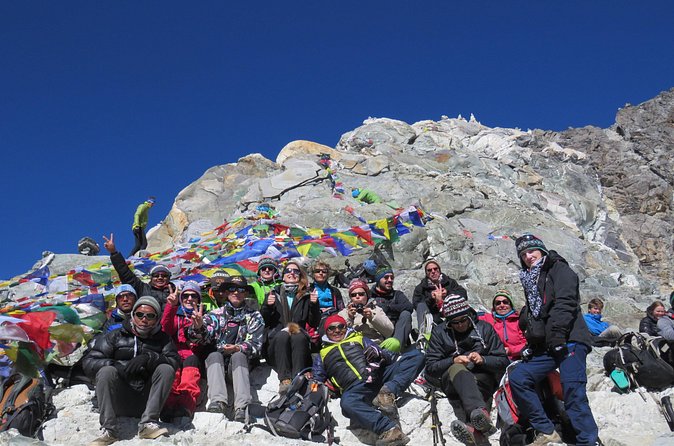
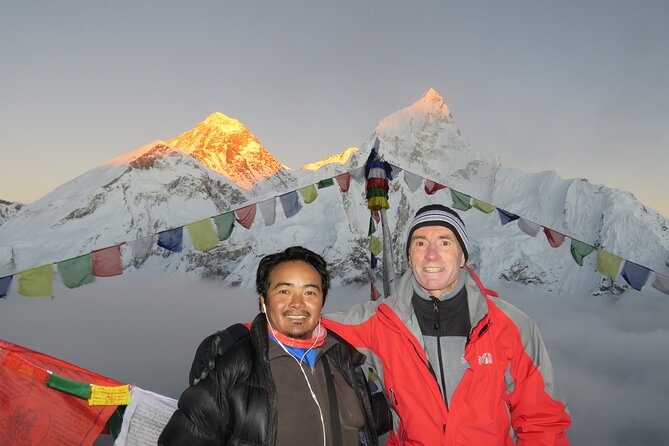
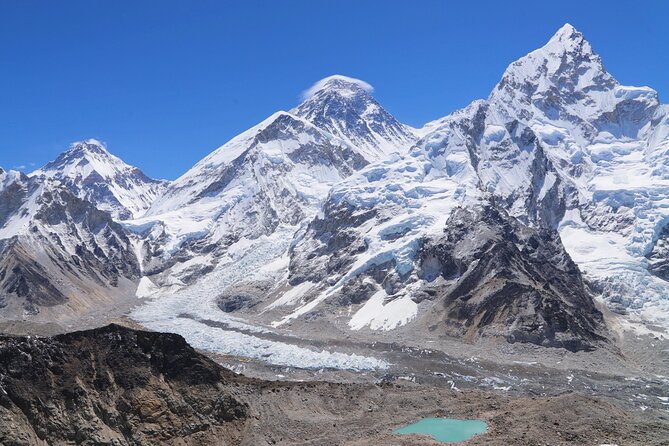
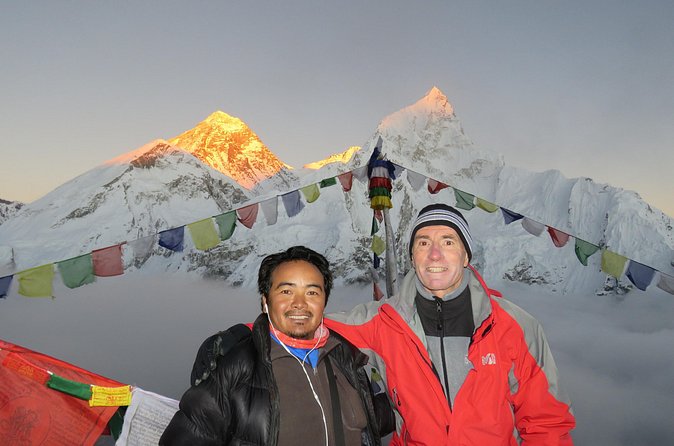
Day 10 hikes to Kala Patthar before sunrise to catch the closest Everest panorama. This is one of the most efficient “effort-to-view” moves on the whole itinerary. You’re going uphill in the dark, which sounds dramatic, but the route is famous for its reward when the sky clears.
Once you’re at Kala Patthar (above Gorak Shep), you’re set up for a panoramic mountain experience that usually stays in your memory longer than the photos. The trek schedule specifically places this day right after Everest Base Camp, so you’re not waiting forever to see the big angle view.
After the sunrise hike, you’ll head down. It’s a reminder that even the “best day” still requires energy management.
Descending back through Namche: legs recover, altitude lessons stick
Day 11 starts with a descent from the Everest area back toward Namche. You’ll walk along the trail used earlier, crossing back through Pangboche and continuing toward Tengboche. Suspension bridges are back in the mix, which can feel comforting after a few hard days of steeper trekking.
Day 12 continues the long descent. The itinerary notes you’ll leave Namche with steep downhill sections, then join a densely forested path through smaller settlements. You’ll also cross the Dudh Koshi River multiple times on suspension bridges. This is the part where your legs feel it, but your altitude stress usually improves as you descend.
These downhill days are where good trekking habits matter. I recommend keeping your stride shorter than you think you need, and using poles if you have them. Descents can beat you up if you let adrenaline turn into speed.
Fly home to Kathmandu: wrap-up without extra complications
Day 13 is your “goodbye” morning on the trail, followed by the flight back to Kathmandu. The itinerary notes the flight has phenomenal aerial views, and then your team drops you at your hotel.
Day 14 is simply your departure day. Your representative drops you at the airport based on your flight departure time.
This finish matters. Many treks leave you with a chaotic last day. Here, the plan stays orderly so you can actually sleep after a long stretch and then move on.
What you get for $1,650: value check that matters
At $1,650 per person for a 14-day Everest Base Camp trek, you’re paying for more than “guided walking.” The package covers several big cost drivers:
- Permits are included.
- Round-trip airfare Kathmandu–Lukla is included, which is often the most stressful part of planning.
- Accommodation: 2 nights in a tourist-standard Kathmandu hotel with breakfast, plus 11 nights in twin-sharing guesthouses in the Everest region.
- Support: a government licensed, English-speaking trekking guide with first-aid training.
- Porters: 1 porter for every 2 clients, so your pack stays reasonable.
- Meals included: breakfast every day (14), plus lunch (11) and dinner (11).
What’s not included is also clear. Lunch and dinner in Kathmandu aren’t included, and beverages (including bottled and boiled water) aren’t included. Travel insurance with high-altitude emergency evacuation coverage isn’t included either, and tips aren’t included.
My practical take: this price makes sense if you want the planning load carried for you, especially the Lukla flights, permits, and guide/porter team. If you’re the type who enjoys researching and arranging everything yourself, you may find cheaper options. But then you also inherit the stress.
Altitude, fitness, and your best strategy for staying well
The tour calls for moderate physical fitness. That doesn’t mean “easy.” It means you should be comfortable walking uphill for hours and handling a few steep days. The itinerary includes acclimatization time, but altitude doesn’t care about good intentions.
Your strongest strategy on this trek is to follow the schedule and your guide’s pace. The plan includes Namche acclimatization and rest-style time before the push toward Everest Base Camp. Use that time like training, not as “free time to overdo it.”
Also, remember this is a group experience. You’ll be walking with other clients, and it’s a good idea to be emotionally flexible. If you’re sick, cold, or simply not feeling great, your best move is to communicate early. Your guide is first-aid trained and will steer decisions based on how you’re doing.
Who should book this Everest Base Camp trek
This trek fits best if you want:
- A classic Everest Base Camp route with Kala Patthar as a planned highlight
- Solid support systems (licensed guide, porters, permits, major transfers)
- A schedule that prioritizes acclimatization rather than rushing
You might want a different option if you dislike flight-based starts, hate changes to timelines, or need fully guaranteed weather certainty. Lukla is the known variable, and no itinerary can make it feel like a train schedule.
Should you book this 14-day Everest Base Camp trek?
If your goal is the real Everest experience—Namche acclimatization, Tengboche monastery culture, reaching Everest Base Camp, and earning a Kala Patthar sunrise—this itinerary is built for that. The inclusion of Lukla flights, permits, and porter support makes it feel less like a project and more like a planned adventure.
With a 5-star rating from 4 reviews, the big question isn’t “will it be amazing?” It’s whether this pace and flight format match your tolerance for altitude and logistics.
If that sounds like you, book it with confidence, pack smart, and treat acclimatization days as part of the main event.
FAQ
Where does the trek start?
The start point is Tribhuvan Airport in Kathmandu, Nepal, with pickup and transfers arranged on arrival.
How long is the Everest Base Camp trek?
It’s listed as 14 days (approx.).
Is the Kathmandu to Lukla airfare included?
Yes. Round-trip airfare between Kathmandu and Lukla is included.
What permits and trekking support are included?
Permits are included, and you get an experienced, first-aid trained, government licensed English-speaking trekking guide. Porters are also included during the trek (1 porter for every 2 clients).
Where do you stay in Kathmandu and during the trek?
You get accommodation in a tourist standard hotel for 2 nights in Kathmandu (including breakfast). During the trek, you get twin-sharing guesthouse accommodation for 11 nights in the Everest region.
What meals are included in the price?
Breakfast is included for 14 days. Lunch is included for 11 days, and dinner is included for 11 days. Meals (lunch and dinner) in Kathmandu are not included.
Are beverages included?
No. Any beverages, including bottled and boiled water, are not included.
Do I need to bring travel insurance?
Travel insurance is not included, including high-altitude emergency evacuation coverage.