REVIEW · KATHMANDU
Kathmandu: Dhulikhel to NamoBuddha Day Hike with Lunch
Book on GetYourGuide →Operated by Cordial Trek Pvt. Ltd. · Bookable on GetYourGuide
Those thousand steps come with Himalayan payoff. This Dhulikhel-to-Namobuddha day hike (or overnight) pairs a scenic ride with a guided visit to the Thrangu Tashi Yangtse Monastery, where Buddhism becomes personal fast—especially with guides like Pratip keeping you moving at your pace.
I love two things about this outing. First, the Dhulikhel start is easy on the body: a smooth, scenic transfer out of Kathmandu, plus time to get your bearings before the hike. Second, the walk isn’t just scenery. You pass key stops like the Kali Temple, and you’ll spot everyday farming and Newari life along the way.
One drawback to plan for: it’s a steep climb with about a thousand steps, so if your legs aren’t great on stairs or you’re traveling with limited mobility, this may feel like too much.
In This Review
- Key highlights you’ll feel on the day
- From Thamel to Dhulikhel: the calm start that matters
- Zipline in Dhulikhel: fun add-on without hijacking the hike
- The hike to Namobuddha: thousand steps, Kali Temple, and village rhythm
- How hard is it?
- A note on weather
- Thrangu Tashi Yangtse Monastery at Namobuddha: the story you’ll remember
- Lunch and timing: making a 5-hour day feel unhurried
- Overnight option near Namobuddha: when staying is actually worth it
- Price and value: what you’re really paying for
- Who this hike is for (and who should skip it)
- Practical tips so the day goes smoothly
- Should you book the Dhulikhel to Namobuddha hike with lunch?
- FAQ
- Where are the pickup and drop-off locations?
- How long is the experience?
- What hike time should I plan for?
- Is lunch included, and what will I eat?
- Is ziplining included?
- Is Bhaktapur included?
- How long is the monastery visit?
- What language will the guide speak?
- What should I bring?
- Is free cancellation available?
Key highlights you’ll feel on the day
- A scenic drive out of Kathmandu to Dhulikhel
- A 3-hour hike with the famous thousand steps
- Stops that mix religion and daily life, including Kali Temple and local village areas
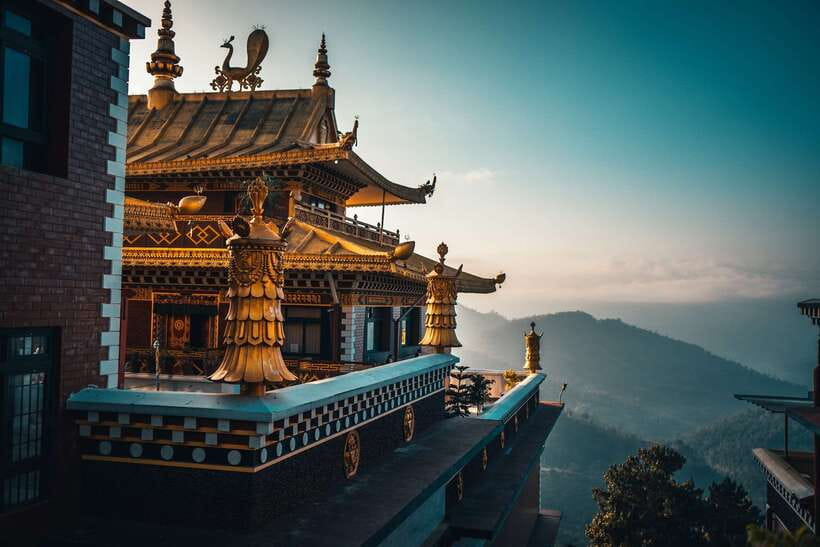
- A guided monastery visit focused on Thrangu Tashi Yangtse and the Prince Mahasattva legend
- Lunch included (Nepali thali set or momo) to keep energy steady
- Optional upgrades: Dhulikhel zipline and an overnight monastery-area stay
From Thamel to Dhulikhel: the calm start that matters
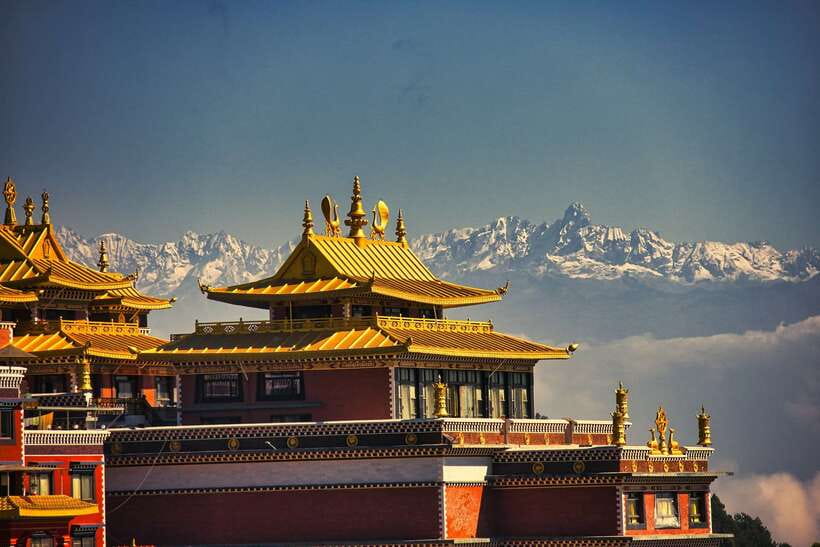
Most Kathmandu days begin with noise and traffic. This one starts smoother. You get picked up from the Thamel area in Kathmandu (or a Kathmandu hotel pickup), then ride out toward Dhulikhel. The drive is about an hour, and it’s one of those transitions you can actually feel: the air changes, the views open, and the day shifts from city mode to mountain mode.
Dhulikhel itself is a hill station with easygoing vibes. The schedule leaves you a short window to look around—just enough time to relax, take in the early views, and be ready for the walk. You’re not forced to sprint. The whole point is to set you up for a steady hike, not a frantic rush.
Practical note: the tour includes an air-conditioned vehicle and bottled water. That’s a small thing, but on the first leg it helps you stay comfortable and not waste energy fussing with logistics.
You can also read our reviews of more tours and experiences in Kathmandu
Zipline in Dhulikhel: fun add-on without hijacking the hike
If you’re choosing the optional upgrade, you’ll add a Dhulikhel zipline stop. It’s short—about 30 minutes—and it gives a burst of adrenaline before your legs get the real workout.
I like zipline add-ons like this because they’re time-limited. You’re not trading away your hike. You’re just adding a different kind of Nepal moment: one that’s modern and easy to enjoy even if you’re not a hardcore outdoor person.
If you take the zipline, expect a more active start. Then you’ll head into the climb with fresh energy—and yes, you’ll still end up using your calves later.
The hike to Namobuddha: thousand steps, Kali Temple, and village rhythm
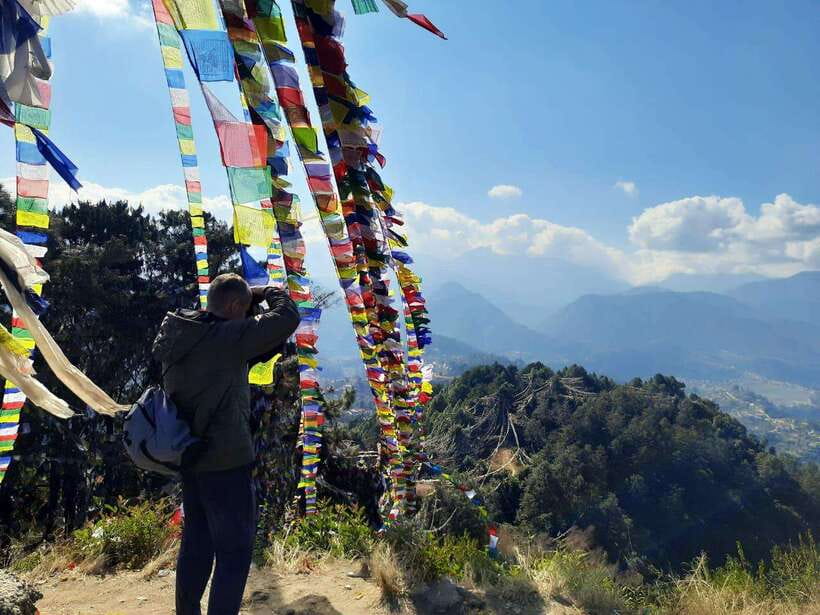
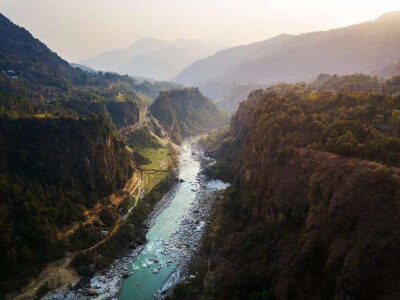
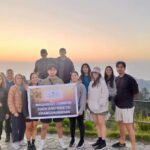
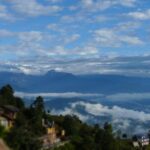
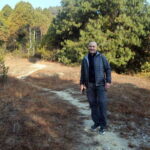
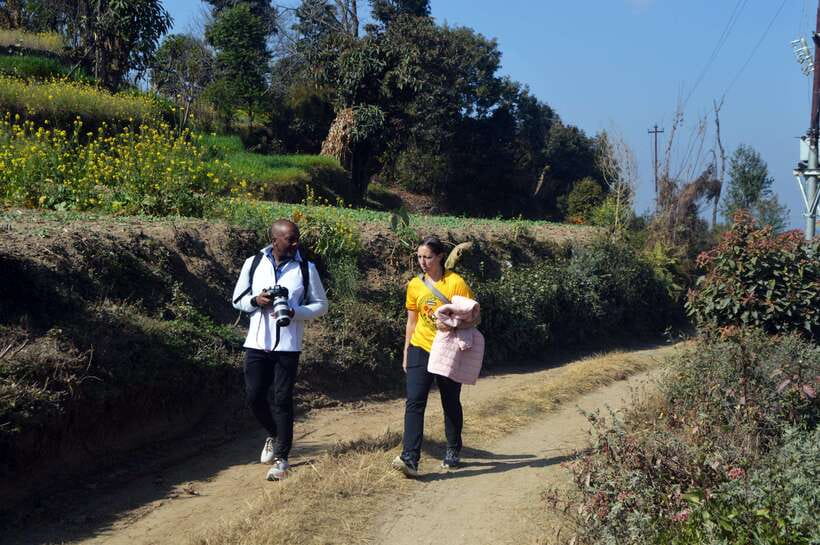
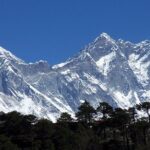
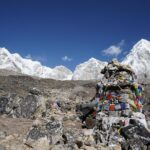
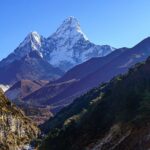
The hike portion is where the experience earns its name. From Dhulikhel, you walk toward Namobuddha along a trail that includes the famous thousand steps. The hike time is around 3 hours, and in practice that means you’ll get plenty of short breaks—either for photos, breath-catching, or simply pausing to enjoy the mountain views when the clouds cooperate.
The route also passes spiritual and cultural landmarks. One of the key stops is the Kali Temple. Even if you’re not fluent in the story behind every shrine, you’ll feel the mood shift when you reach it. Pilgrims and local visitors tend to treat these spots as part of everyday life, not just tourist stops. It gives the walk weight.
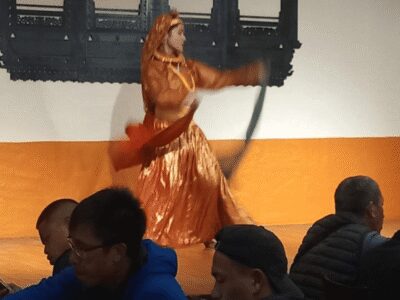
And then there’s the part many hikers love but don’t always expect: you get to watch normal life moving through the valley. You’ll pass through areas like Kavre Bhanjyang and see traditional farming methods, local culture, and Newari lifestyle. This is the stuff that turns a hike into a real day out with a sense of place.
How hard is it?
It’s a climb, period. The thousand steps mean your pace matters. Guides are important here. Multiple guides on this route are praised for pushing the right balance: encouraging you on the steps without making you feel rushed.
If you’re thinking about whether this is for you, use this simple test:
- If stairs make you feel wiped out, this may be tough.
- If you can walk steadily for 2–3 hours with breaks, you’ll likely be fine.
A note on weather
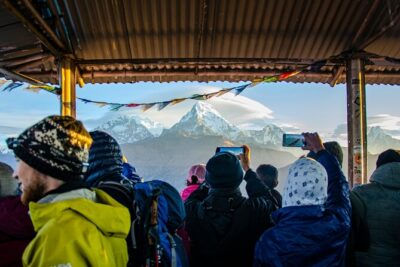
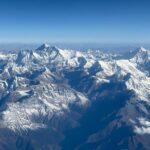
A clear day can make the Himalayan views spectacular. But even in rainy season conditions, the scenery can still be rewarding, just with different light and clouds. Bring clothes that handle changing weather, and don’t rely on perfect skies.
You can also read our reviews of more hiking tours in Kathmandu

Thrangu Tashi Yangtse Monastery at Namobuddha: the story you’ll remember
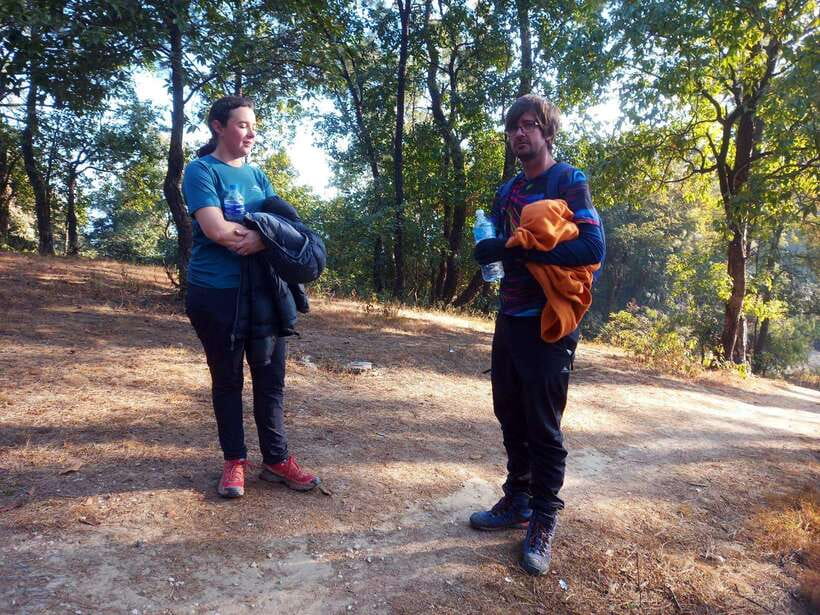
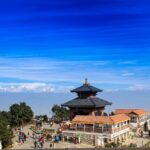
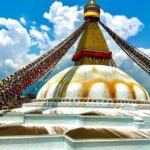
Reaching Namobuddha is the payoff. The monastery sits up on a hill, and the guided tour is about an hour. You’re not just wandering—you get context, and that changes how you experience the place.
The monastery you’ll visit is the Thrangu Tashi Yangtse Monastery, part of Tibetan Buddhist tradition. And the legend attached to Namobuddha is the kind of story that makes people pause and look longer.
It tells of Prince Mahasattva (Ngingdui Tshenpo), who saw a starving tigress with her five cubs. In an act of compassion and sacrifice, he offered his own life so the mother tigress could live and the cubs could survive. That theme—care, sacrifice, and compassion—is central to the spiritual meaning of the site.
I also appreciate how guides handle questions here. People often have different reasons for visiting: faith, curiosity, culture, or simply wanting a quiet break in the middle of a physical hike. Professional, patient guides like Nilakantha Acharya and Terence Tamang are praised for explaining what you’re seeing in ways that feel respectful rather than lecture-y.
One more practical detail: photos aren’t allowed inside the monastery, so plan on focusing with your eyes, not your camera.
Lunch and timing: making a 5-hour day feel unhurried
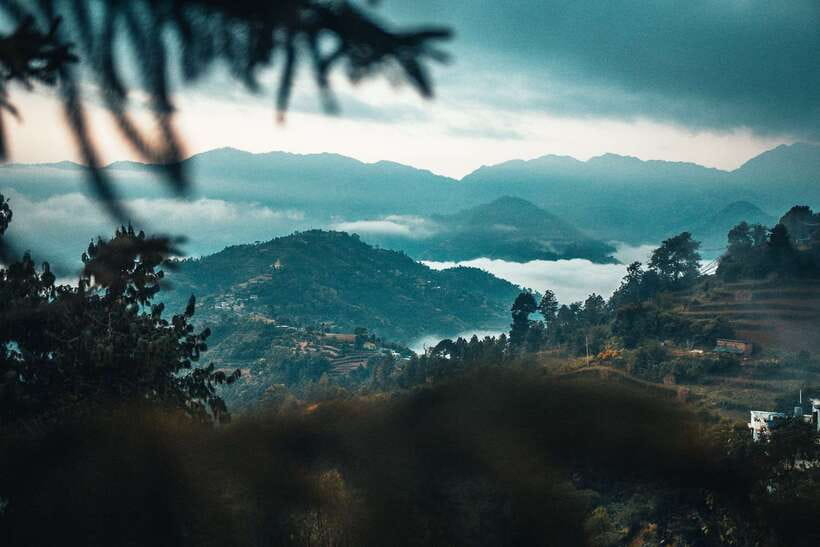
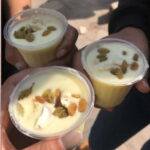
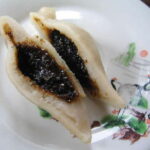
The schedule is built to avoid the classic Nepal-tour problem: hiking until you’re miserable, then eating something random at the end. Here, lunch is included. You’ll get a Nepali thali set or momos, and you can usually count on it arriving when your energy dips.
This matters because the hike is the main event. A good meal helps you enjoy the monastery without feeling like your stomach is doing its own climbing.
Timing-wise, think of this as a morning hike into early afternoon monastery time, followed by a drive back to Kathmandu arriving late afternoon for the day-trip option.
You’ll likely spend:
- Short initial stop in Dhulikhel
- About 3 hours hiking total
- Around 1 hour guided monastery visit
- Then the return drive
If you do the day trip, you’re not stuck in Nepal time all day. You get outdoors time plus a cultural stop, then you’re back before dinner plans get complicated.
Overnight option near Namobuddha: when staying is actually worth it
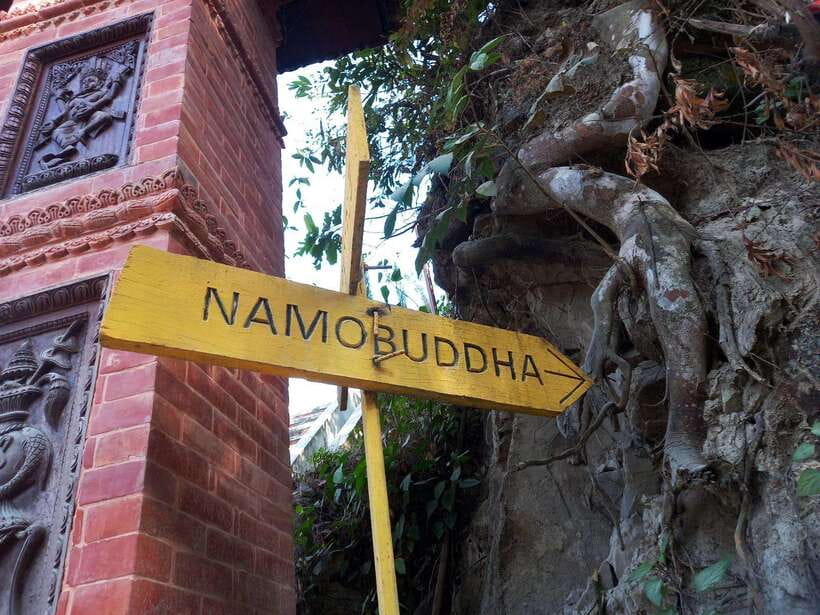
You have the option to extend the experience with an overnight stay at a guesthouse or resort in the Namobuddha area. If you choose it, the tour includes overnight accommodation at the monastery guest house plus full board meals.
Should you do this? Only if you like quieter travel moments. Staying near Namobuddha lets you experience the monastery atmosphere at different times of day. That’s when the place stops feeling like a checklist item and starts feeling like a retreat.
It also helps if you want to reduce pressure on the hike. Day trips can feel like a race against the clock. Overnight turns it into a slower rhythm: walk, visit, eat, and then let the site breathe.
If your travel style is all about early mornings, calm evenings, and reflection time, the overnight option can feel like the better decision—especially after climbing those steps.
Price and value: what you’re really paying for
The price listed is very low on paper—$4.66 per person—so I’d focus on what that cost is buying in practical terms.
Included for the basic experience:
- Hotel pickup and drop (from the Kathmandu/Thamel area)
- An experienced guide (English or Hindi)
- Lunch: Nepali thali set or momos
- Air-conditioned vehicle
- Bottled drinking water
Then the big “value lever” is that you’re not doing this solo. The guide helps with route timing, cultural context, and pacing on the steps. And the itinerary includes a structured guided monastery visit, which many independent visitors miss unless they speak with a local guide on-site.
Add-ons that affect cost:
- Ziplining in Dhulikhel (optional)
- Bhaktapur tour (optional)
- Overnight monastery-area stay (optional), with full board meals only for that option
So yes, the base price looks like a steal. The catch is the final cost depends on how many add-ons you select.
Who this hike is for (and who should skip it)
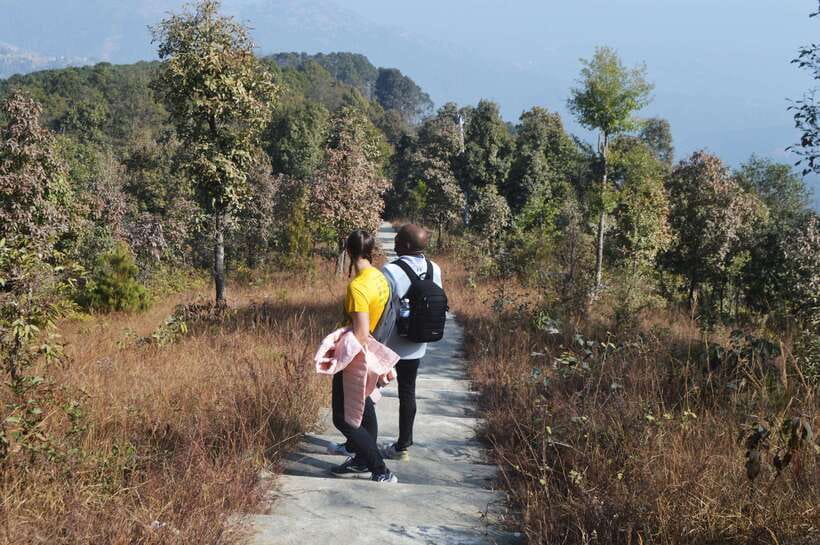
This is a great fit if you want:
- A moderate day hike with a clear goal
- Real cultural context at a major Buddhist site
- Village-life glimpses during the walk
- A guide who can explain what you’re seeing (not just point and move on)
It’s also a good match for couples, since the experience is suited to private group availability.
It may not be the right choice if:
- You can’t handle a steep climb with many steps
- You need wheelchair access (not suitable for wheelchair users)
- You’re traveling with very young children (not suitable for children under 6)
- You’re in the over-95 age bracket (not suitable for people over 95)
Practical tips so the day goes smoothly
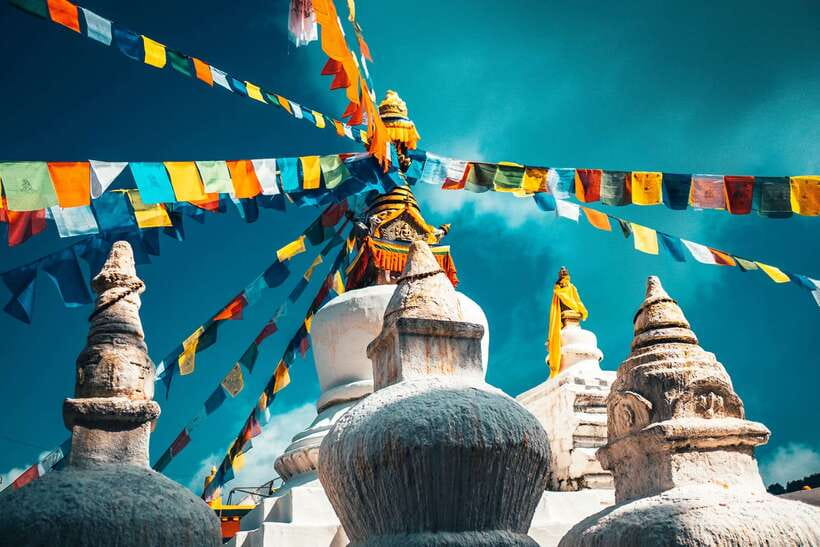
Here’s how to make the experience feel easier and more rewarding:
- Wear comfortable shoes with grip. The thousand steps mean you want stable footing.
- Bring cash. The tour data calls for cash, and in Nepal you’ll often need it for small on-the-spot purchases.
- Bring your camera—but accept that you won’t be photographing inside the monastery.
- If you’re sensitive to altitude or steep effort, slow your pace early. You’ll get the best views when you’re not rushing.
- Plan for weather changes. Clear views are amazing, but rain and cloud can still make the hike worthwhile if you dress for it.
If you’re picking between guides, look for the style you prefer. Some guides are especially praised for encouraging a steady climb (Pratip), while others focus on teaching and thoughtful conversation (Terence Tamang). Either approach can make the monastery visit more meaningful.
Should you book the Dhulikhel to Namobuddha hike with lunch?
If you want a day in the Kathmandu area that mixes mountain effort with spiritual context, I’d book this. It’s structured, it includes lunch, and the guided monastery visit adds meaning beyond the physical hike. The thousand steps sound intimidating until you realize guides are there to help you pace it—and the views plus Namobuddha’s story make the climb feel earned.
I’d think twice only if stairs are a serious problem for you or if you’re looking for a flat, easy stroll. For the rest of us, this is one of those Nepal outings where you walk through real village life and then reach a quiet place where the world slows down.
FAQ
Where are the pickup and drop-off locations?
Pickup and drop-off are available for the Thamel area in Kathmandu, and also for Kathmandu hotels. You’ll need to meet your guide in the hotel lobby or at your apartment entrance 5–10 minutes before pickup.
How long is the experience?
It runs for about 5 hours for the day trip. If you choose the overnight option, it can extend to 2 days.
What hike time should I plan for?
The hike portion is listed as 3 hours.
Is lunch included, and what will I eat?
Lunch is included. You can get either a Nepali thali set or momos.
Is ziplining included?
Ziplining is included only if you select the zipline add-on. It’s listed as a 30-minute activity in Dhulikhel.
Is Bhaktapur included?
Bhaktapur is included only if selected as an add-on.
How long is the monastery visit?
The guided tour at Namobuddha Monastery is listed as 1 hour.
What language will the guide speak?
The tour guide speaks English and Hindi.
What should I bring?
Bring your passport, comfortable shoes, a camera, comfortable clothes, and cash.
Is free cancellation available?
Yes. You can cancel up to 24 hours in advance for a full refund.