REVIEW · KATHMANDU
Everest Base Camp trek 12 days from Kathmandu
Book on Viator →Operated by Breakfree Adventures Pvt. Ltd. · Bookable on Viator
Everest calls, then your legs answer. This 12-day Everest Base Camp trek is a very practical way to chase the big sights—Everest Base Camp at 5,320m and the jaw-dropping viewpoint of Kala Patar—without needing mountaineering skills. I especially like the government-licensed guide plus the day-by-day plan that builds in acclimatization. I also like that your lodge nights and meals are included, so the logistics don’t eat your energy. The one real consideration: you’ll spend early mornings around flights, and in peak season you may face a Ramechhap road transfer.
This trek is designed for people with basic fitness. You’ll be walking mostly on trails between villages, staying in guest houses along the way, and learning how to handle altitude at a steady pace. If you want your Everest trip to feel organized but still very “local trail,” this is a strong option with Breakfree Adventures Pvt. Ltd.
In This Review
- Key things you’ll notice on this Everest trek
- Why Everest Base Camp still feels like the main event
- Kathmandu to Lukla: the 40-minute jump that changes everything
- What you’ll like
- What to watch
- Namche Bazaar and the Everest View Hotel day: acclimatization with style
- A practical takeaway
- Tengboche Monastery to Dingboche: where spirituality meets altitude
- What you’ll like
- What to watch
- Nagarjun acclimatization and the road to Lobuche
- My advice for this stretch
- Everest Base Camp and Kala Patar: the two-view payoff
- What you’ll like
- What to watch
- The long return: Pheriche to Namche and Lukla flight home
- Price and logistics: what $1,600 really covers
- What else is included
- What’s not included (plan for it)
- The Ramechhap wrinkle in peak season (and how to handle it)
- Your day-to-day reality in teahouses and guest lodges
- Gear note that matters
- Who should book this Everest Base Camp trek
- Should you book it?
- FAQ
- How long is the Everest Base Camp trek from Kathmandu?
- Where do you fly for the Lukla portion, and what happens in peak seasons?
- What are the key high points on the trek?
- What is included in the trek price?
- What is not included?
- What time is the meeting point?
Key things you’ll notice on this Everest trek
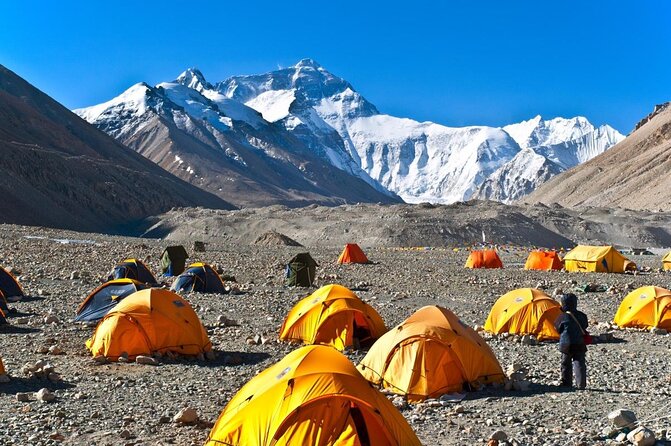
- Flights to Lukla (often from Ramechhap in peak season): expect an extra travel day element around airport logistics
- Acclimatization built into the route: Namche + an extra hike day help you manage altitude instead of rushing
- Kala Patar timing matters: you’re positioned for big panoramic views after the long trek day
- Monastery and culture stops: Tengboche Gompa adds more than scenery
- What’s included for the trek: guide, permits, lodge stays, and even major gear like a sleeping bag and down jacket
- Support culture: the company’s team leadership, including Bharat, gets repeated praise for smooth care
Why Everest Base Camp still feels like the main event
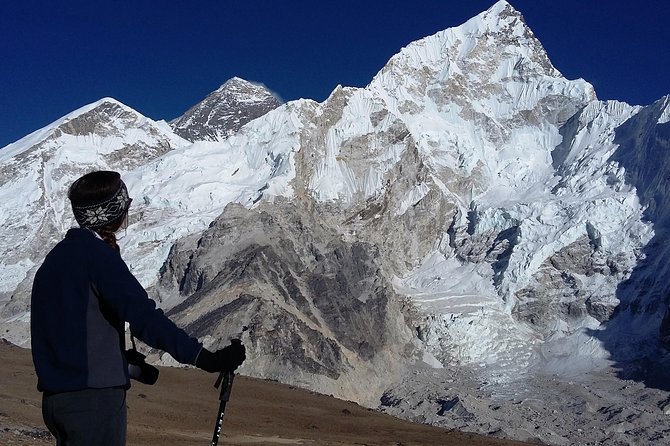
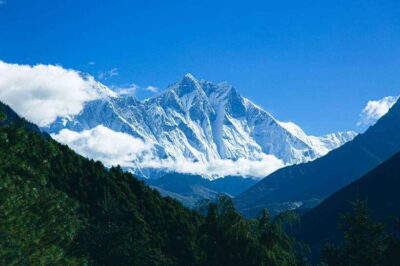
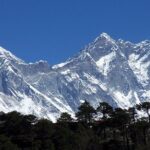
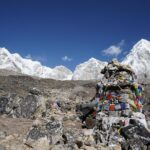
Even when you’ve seen the photos, Everest Base Camp lands differently in real life. It’s not just a dot on a map—it’s the end of a long, incremental climb through Sherpa villages, with glaciers and prayer flags starting to dominate your horizon.
This trek is also built like a guided training plan for the altitude. You gain height day by day, but you’re not only going up. You’ll pause to acclimatize (Namche, plus another dedicated hike day), and you’ll get a big viewpoint push near the top (Kala Patar). That mix is the difference between suffering and surviving with your sense of wonder intact.
You can also read our reviews of more hiking tours in Kathmandu
Kathmandu to Lukla: the 40-minute jump that changes everything
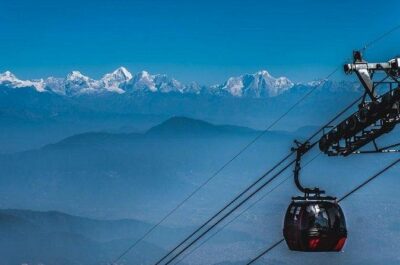
Your trip starts with an early meeting time (5:15am). Then it’s straight to the airport for the short flight to Lukla, about 40 minutes in the air. When you step out in Lukla, the trail immediately starts working your body—no time to mentally adjust.
From Lukla, you hike to Phakding (around 2,652m). It’s usually framed as an easier day, about 3–4 hours, but don’t treat it like a casual walk. Your legs will feel the altitude and the constant uphill/downhill rhythm. The payoff is you’re getting into the rhythm of teahouse trekking fast.
What you’ll like
- The quick flight means you’re hiking sooner, not burning days on transit.
- Phakding is a gentle start that helps you settle in.
What to watch
- Early wake-ups are real on Day 1. If you’re the type who hates rushing, plan to sleep early the night before.
Namche Bazaar and the Everest View Hotel day: acclimatization with style
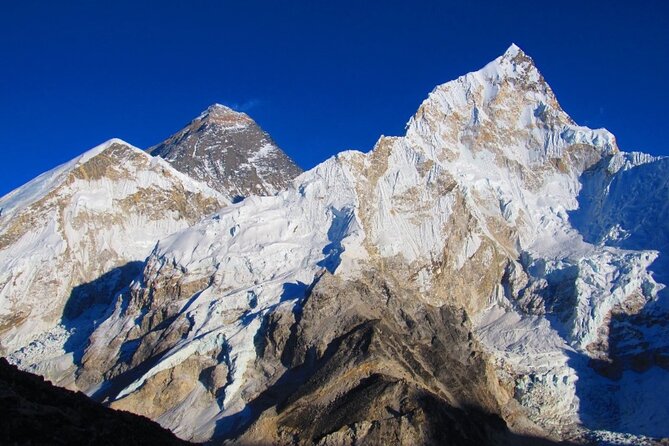
Day 2 is a longer hike to Namche Bazaar (around 3,440m), typically 6–7 hours. This is where the trek starts feeling like Everest country instead of a normal mountain hike.
Namche is also where you build altitude sense. Day 3 is your acclimatization day, and you’ll hike to the Everest View Hotel area (about 3,900m). That’s the key move: you gain elevation, get views, then you come back down enough to rest. You’re teaching your body what to expect later at higher elevations.
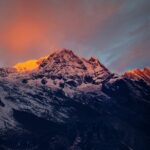
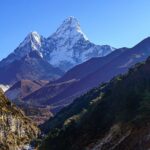
You’ll also get the feel of Namche as a gateway town. It’s one of the best places on the whole route to understand Sherpa life—markets, prayer flags, and the constant sense that bigger peaks are nearby even when you’re not looking up every second.
A practical takeaway
If you feel great in Namche, resist the urge to “make up time.” This is the part of the trek where patience pays off later—especially before the higher days.
Tengboche Monastery to Dingboche: where spirituality meets altitude
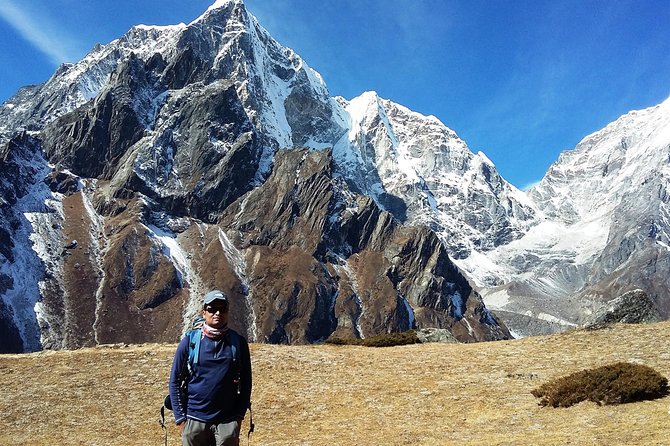
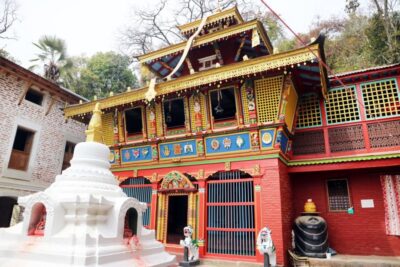
From Namche to Tengboche (around 3,860m) is about 5–6 hours. Tengboche Monastery (Tengboche Gompa) isn’t just a stop for photos. It’s a meaningful cultural moment in the middle of the climb, and it helps break up the trekking monotony when your mind starts to chase the next viewpoint.
Then Day 5 takes you onward to Dingboche (around 4,410m) for about 5–6 hours. Dingboche sits higher, so the pace tends to slow naturally. This is the stage where your breathing becomes the main conversation with your body.
What you’ll like
- Tengboche adds culture and quiet. It also gives you a reason to slow down and look around.
- Dingboche feels like a real “high village,” not a checkpoint.
What to watch
- In these mid-high stages, you might not feel dramatic sickness, but you can still feel “off.” Take it seriously and move with the guide’s pace.
Nagarjun acclimatization and the road to Lobuche
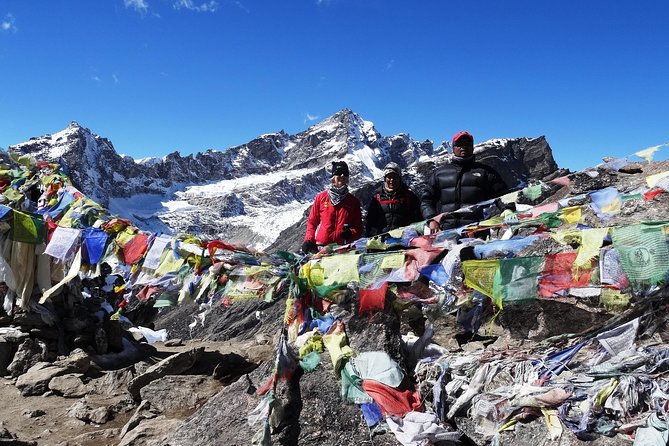
Day 6 is another acclimatization day with a hike to Nagarjun hill (about 5,100m), around 4–5 hours. This is important because after this, the trek gets more intense. You’re conditioning yourself for thinner air before jumping into the higher elevations toward Lobuche.
Day 7 hikes from Dingboche to Lobuche (around 4,910m), about 4–5 hours. Lobuche is higher, and it’s also closer to the glacier world that starts to dominate the trek later. It feels more exposed, colder, and less forgiving.
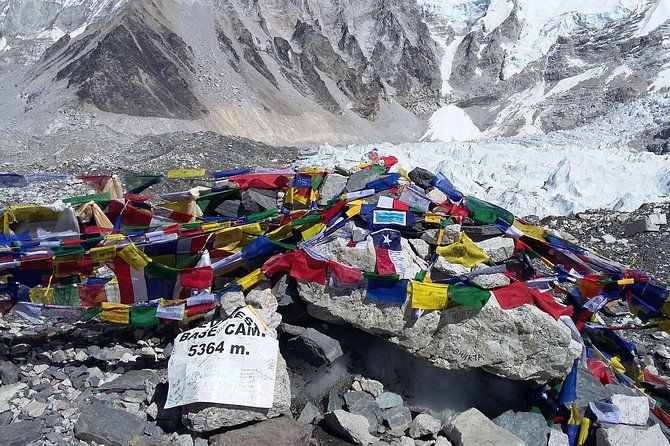
Then Day 8 takes you from Lobuche to Gorak Shep, and from there you hike up to Everest Base Camp (5,320m). This is one of the longest days on the route—about 7–8 hours total. You’ll feel it. But you’ll also feel the reward.
My advice for this stretch
Treat this section like you’re training for endurance, not sprinting for views. The people who do best are the ones who keep steps smooth and breathing steady.
Everest Base Camp and Kala Patar: the two-view payoff
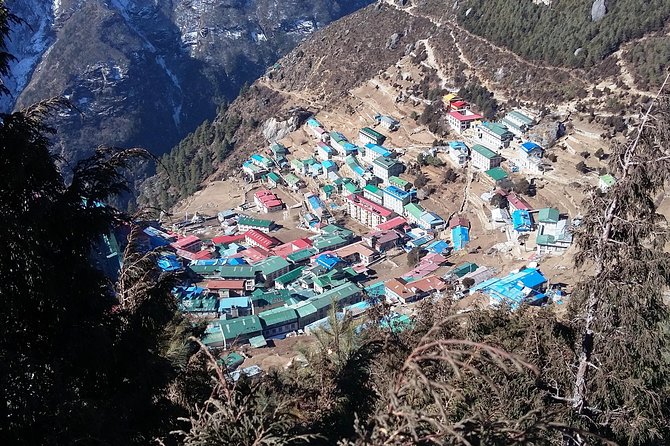
Everest Base Camp is the emotional anchor of the trek. You’re at high altitude, surrounded by a dramatic glacial environment, and you finally reach the place expeditions begin. Even if you’re not the sentimental type, this moment tends to hit.
Then comes Kala Patthar (about 5,550m) on Day 9. This is a viewpoint hike that often becomes a highlight because the views are wide and close at the same time. After reaching Gorak Shep, you’ll push higher toward Kala Patthar, then continue on to Pheriche (around 4,371m), about 6–7 hours.
The “why” behind this day is simple. Everest is not only about one point. Kala Patthar gives you perspective—how the whole Khumbu area fits together, and how close the peaks really feel from a human vantage point.
What you’ll like
- You get two major targets: Everest Base Camp and Kala Patthar.
- The route sets you up to see Everest country from multiple angles.
What to watch
- This is where weather can influence comfort most. Even if you can’t control it, you can control layering and pace.
The long return: Pheriche to Namche and Lukla flight home
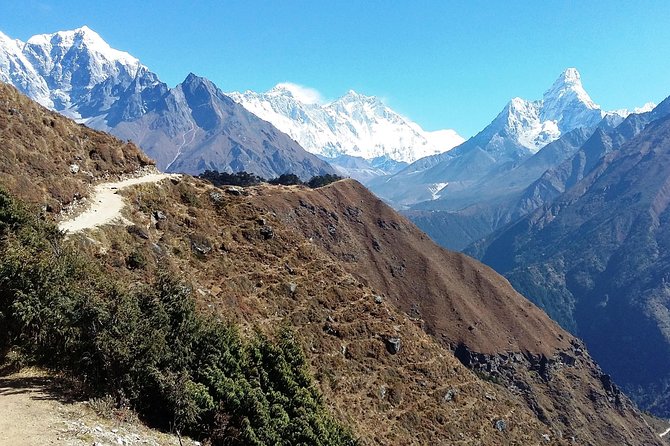
After Kala Patthar, Day 10 goes from Pheriche back to Namche Bazaar (around 3,440m), about 6–7 hours. Walking downhill can feel easier than climbing, but it can also be rough on your knees and ankles. Your legs will need attention—especially after days of altitude stress.
Day 11 is Namche to Lukla (about 2,860m), about 6–7 hours. By now, you might feel like you’ve already lived in the mountains for weeks. That’s normal. It’s also why this is a good day to keep your mind calm and focused on steady steps.
Day 12 is the final flight back to Kathmandu. The trek ends, but your body will still remember the altitude. Build in time to rest once you land.
Price and logistics: what $1,600 really covers
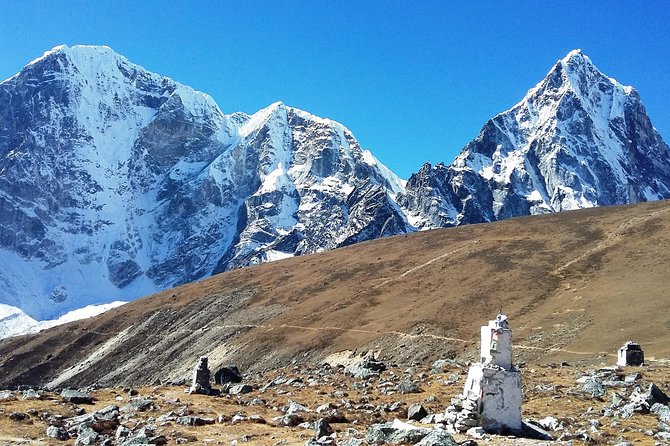
At $1,600 per person, you’re paying for more than a basic walking itinerary. This price includes flight fare between Kathmandu (or Ramechhap) and Lukla, plus the return flights. It also covers the big operational stuff: permits and fees, a trekking map and achievement certificate, and a licensed guide.
It’s also one of the rare trek packages that includes major gear: a duffle bag, down jacket, sleeping bag, and walking pole. That can lower your pre-trek shopping and packing stress a lot, especially if you’re traveling from abroad with limited baggage space.
What else is included
- Kathmandu or Ramechap airport pickup/drop-off on a sharing basis
- Accommodation in guest houses/lodges on twin sharing
- Meals during the trek: breakfast, lunch, and dinner
What’s not included (plan for it)
You won’t get rescue/helicopter coverage, insurance, or evacuation costs. You also won’t get personal expenses like phone/internet, hot showers, battery recharge, laundry, or bar bills. Drinks aren’t included either (tea/coffee, bottled water, and similar items).
The Ramechhap wrinkle in peak season (and how to handle it)
During peak seasons (March to May and September to November), flights to Lukla may run from Ramechhap instead of Kathmandu due to air traffic. Ramechhap is about a 5–6 hour drive from Kathmandu, and you have two options:
- Travel to Ramechhap the day before your flight and stay overnight
- Leave Kathmandu at 1:00am on the day of the flight
This matters because early departure is not a small inconvenience at altitude. If you choose the overnight option, you’ll usually feel calmer on flight day. If you choose the 1:00am departure, keep expectations realistic: you’re trading sleep for simplicity.
Your day-to-day reality in teahouses and guest lodges
This trek uses guest houses/lodges with twin sharing. That’s part of the value: you’re not searching for accommodations; you’re arriving, checking in, and eating the meals included in the trek plan.
Still, teahouse life is its own experience. Nights can be cold, rooms can be basic, and hot water may not always be what you want. You’ll also want to manage hydration carefully as your body works at altitude.
Gear note that matters
Since the package includes a sleeping bag and down jacket, you’re covered for major warmth needs. You’ll still want to bring personal layers and comfort items you prefer, because cold tolerance is personal.
Who should book this Everest Base Camp trek
This is a good match if you:
- Have moderate physical fitness and want a guided plan
- Want Everest Base Camp plus Kala Patthar, not just one major viewpoint
- Like the mix of scenery, village trekking, and a cultural stop at Tengboche Gompa
- Appreciate structure: experienced government-licensed guide, permits handled, meals and lodge stays included
You might think twice if you:
- Hate early mornings and strict schedules
- Are not comfortable with basic trekking discomfort like cold nights and long walking days
- Are sensitive to altitude and want a fully medicalized support setup (this trek excludes rescue/helicopter and insurance)
Should you book it?
I’d book this trek if you want a well-run, classic Everest Base Camp route that treats acclimatization as part of the plan, not an afterthought. The best value signals are the included guide, permits, lodge meals, and the major gear like sleeping bag and down jacket—those pieces reduce friction before you even start walking.
If the idea of an early 5:15am start doesn’t bother you, and you can handle a possible Ramechhap transfer in peak season, this is an efficient way to reach Everest Base Camp and earn the Kala Patthar views.
FAQ
How long is the Everest Base Camp trek from Kathmandu?
It’s listed as 12 days approximately, including the flights back to Kathmandu on the final day.
Where do you fly for the Lukla portion, and what happens in peak seasons?
You fly between Kathmandu (or Ramechap) and Lukla. During peak seasons (March to May and September to November), flights to Lukla are operated from Ramechhap Airport due to high air traffic in Kathmandu.
What are the key high points on the trek?
Everest Base Camp is at 5,320m, and Kala Patthar is at about 5,550m. You also reach areas like Everest View Hotel (about 3,900m) and Nagarjun hill (about 5,100m) during acclimatization.
What is included in the trek price?
The package includes airport pickup/drop-off on a sharing basis, flight fare Kathmandu/Ramechap to Lukla and back, twin-share guest house/lodge accommodation, breakfast/lunch/dinner during the trek, a government-licensed guide, permits and fees, and trek essentials like a duffle bag, down jacket, sleeping bag, and walking pole.
What is not included?
Not included are rescue or helicopter flights, insurance, cancellation costs, emergency evacuation, and personal expenses like phone calls, internet, laundry, bar bills, hot shower costs, and drinks. Tips for the trek crew and a porter (if needed) are also not included.
What time is the meeting point?
The meeting start time is listed as 5:15 am.