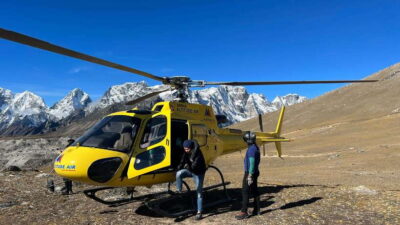
Everest, from the sky, in one morning. This helicopter tour of the Khumbu region is built for fast access to big sights, with landings at Everest Base Camp viewpoints and a short photo stop on Kala Patthar.
I especially like the chance to see Everest Base Camp sights from up close, then pivot to high-altitude photo time without committing to a full trek. You also get a breakfast window at Hotel Everest View, so the trip isn’t just flying past mountains.
I also like the tight pacing and small group setup: hotel pickup and a return flight mean you’re usually back in Kathmandu within 5–6 hours, and the helicopter seats are limited to a maximum of five people. The main consideration is cost and added fees: at $1,800 per person, you’ll still want to budget for park/permit fees and you’re entirely dependent on early weather.
In This Review
- Key highlights you’ll care about
- A helicopter circuit that swaps trekking time for altitude views
- Price and logistics: what you pay, and what you still need to budget
- Getting started in Kathmandu: the 5:45 am rhythm
- Lukla stop: the quick look at a serious airport
- Flying toward Everest Base Camp: what you’re really seeing
- Kala Patthar: 10–15 minutes of high-altitude photo time
- Everest View Hotel breakfast stop: where the mountains slow you down
- Pheriche shuttle reality: why your helicopter ride might split
- What’s included, and what to bring for comfort
- Guides and safety: the human part of a high-stakes day
- Weather is the boss: what happens if the morning changes
- Who should book this Everest heli tour (and who should skip it)
- Should you book it?
- FAQ
- What time does the tour start?
- How long is the helicopter tour?
- Where does the tour start and end?
- Is hotel pickup included?
- What are the main stops during the flight?
- How much time do you spend at Kala Patthar?
- What is included in the price?
- What extra fees might I need to pay?
- Is breakfast included?
- Is there a weight limit for passengers?
Key highlights you’ll care about
- Short, high-impact route: Kathmandu to Lukla to Everest region and back in one morning block
- Kala Patthar photo time (10–15 minutes) at around 5,500 m, close to the Everest views peak
- Everest View Hotel breakfast stop with major panoramic Himalayan visibility
- Lukla timing is tight (about 15 minutes), so it’s a look-and-go airport moment
- Pheriche can split groups (3 and 2) because of helicopter passenger limits at altitude
- Small helicopter capacity: up to five travelers total on the tour/activity
A helicopter circuit that swaps trekking time for altitude views
This is the “I want Everest, but I can’t spare weeks” option. Instead of walking to the Khumbu, you fly in a short arc that trades time on trails for time above the peaks.
The big win here is pacing. You start early (pickup and airport formalities begin around 5:30–6:30 am), you’re in the Everest area during the morning light, and you’re back in Kathmandu by around midday to early afternoon. For many people, that means you can keep the rest of your Nepal trip flexible.
You can also read our reviews of more tours and experiences in Kathmandu.
Price and logistics: what you pay, and what you still need to budget
The headline price is $1,800 per person for a helicopter flight route that includes round-trip between Kathmandu and the Everest Base Camp area, plus administrative costs and a fuel surcharge. That’s a lot of value bundled into one day, because helicopter costs are usually the hardest part of this kind of itinerary to predict.
But don’t skip the extras. The tour data lists these as not included:
- Sagarmatha National Park and Pasang Lhamu RM fees (noted as NPR 6,000)
- Airport tax (noted as NPR 500)
- Breakfast (listed under not included), plus alcoholic beverages
- Your personal gear and a down jacket
One practical takeaway: treat the breakfast line as a “confirm what’s covered” moment. The itinerary mentions landing at Hotel Everest View for breakfast time, yet the cost section says breakfast isn’t included. If breakfast is important to you (it usually is at altitude), I’d verify what you’ll actually receive versus what you might have to pay for on-site.
Getting started in Kathmandu: the 5:45 am rhythm
You’ll be picked up from your Kathmandu hotel and transferred to Tribhuvan International Airport (domestic terminal) around early morning. The start time listed is 5:45 am, with a short window to handle airport formalities.
This isn’t a relaxed “sleep in and see what happens” day. It’s closer to a flight day with mountain scenery as the reward. If you’re traveling from outside Kathmandu or had a late night the day before, I’d plan for an early bedtime.
Also note the time-and-airport reality: you’re heading out before the day has fully warmed up. That matters because helicopter schedules and flight safety are weather-driven. Good conditions get you the clean route; cloudy conditions can change timing.
Lukla stop: the quick look at a serious airport
Lukla is where many Everest treks begin, and it’s also known for being one of the toughest airports in the world. In this tour, Lukla is a short stop (about 15 minutes).
What you should do with that time:
- Don’t expect a long sightseeing break. Think of it as a brief moment to register the altitude and the dramatic setting.
- Use the time to get your body calm. Once you’re in the Everest flight circuit, you’ll want your focus on views rather than rushing around.
If you’re prone to motion sickness or get anxious around airports, this is the moment to settle. You’ll have a better experience if you stay steady and let the helicopter do the work.
Flying toward Everest Base Camp: what you’re really seeing
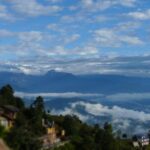
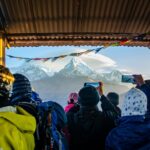
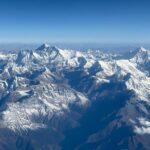
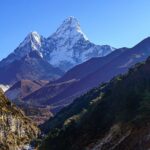
This part is the heart of the day: you fly toward the Everest Base Camp area and take in the Khumbu visuals from the air. The tour highlights Everest Base Camp at about 5,364 m, describing it as a world of its own with the steady stream of mountaineers and trekkers who visit each year.
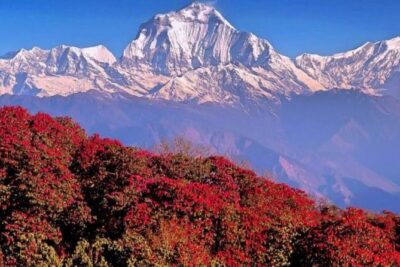
Now the practical truth: this is not a trek where you’ll wander slowly through a camp for hours. The value is visibility—glaciers, ridgelines, and the massive scale of the Khumbu that’s hard to fully grasp from anywhere else.
Also, altitude is part of the deal even without walking. If you get headachy or lightheaded, don’t ignore it. Drink water if you’re offered it, keep breathing steady, and tell your guide if you’re feeling off.
Kala Patthar: 10–15 minutes of high-altitude photo time
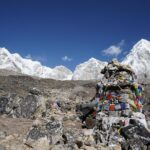
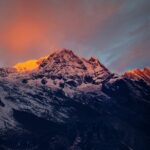
Kala Patthar is the big photo magnet in the Everest region—often described as the highest point reached during the Everest Base Camp trekking experience. In this tour, you’ll step out for photo ops for 10–15 minutes, with the area discussed around 5,500 m.
Ten to fifteen minutes sounds short. But that’s exactly why it works as a heli tour: you get the landmark moment without spending hours struggling for the perfect light.
What to plan for:
- Be ready quickly. Layers matter up high, and standing around without moving is cold business.
- Keep expectations realistic. It’s a quick stop, not a long exploration.
- Your best shots come fast. Get your photos early, then spend the remaining time just looking at the view.
Everest View Hotel breakfast stop: where the mountains slow you down
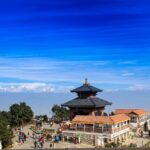
You’ll fly to Everest View Hotel (around 3,880 m) and have a stop described as 1–2 hours. This is where the tour shifts from “look up” to “sit down,” with breakfast time included in the experience description.
Why this matters: it’s not just a photo stop. Having time at a hotel viewpoint changes the feel of the day. You’re not constantly checking watches and schedules. You can also catch your breath and get a calmer look at the glacier lines and mountain silhouettes that you saw from above.
Two practical tips:
- If you’re hungry, prioritize food during that window. The day is built around that stop.
- If you’re tempted to ask for extra time for photos, do it politely. The schedule is tight for a reason: you still need the return flights to Kathmandu.
Pheriche shuttle reality: why your helicopter ride might split
One detail I really appreciate in the tour plan is the honesty about helicopter limits at altitude. The tour data explains that helicopters can’t land and take off with more than three passengers at altitudes above 4,500 meters. Because of that, groups of five may be shuttled from Pheriche into 3 and 2.
So what should you expect as a passenger?
- You might not all fly together for that specific leg.
- You could be briefly separated, then reunited when the schedule aligns.
This is one of those “small operational detail” items that can make or break your mood. If you go in expecting the possibility of split legs, you’ll feel less thrown off. Ask your guide how the split is handled for your specific group size.
What’s included, and what to bring for comfort
Here’s what’s covered based on the tour details:
- Airport pickup and drop-off by tourist vehicle from your Kathmandu hotel
- Helicopter seats limited to a maximum of five people
- Landing at Everest View Hotel for breakfast time
- Round-trip helicopter flight fare between Kathmandu and the Everest Base Camp area
- Administrative expenses and government taxes
- Fuel surcharge
And here’s what you should plan for:
- Breakfast (listed under not included)
- Alcoholic beverages
- Personal gear and a down jacket
- Sagarmatha National Park / Pasang Lhamu RM fees (NPR 6,000)
- Airport tax (NPR 500)
- Extra costs if flights are delayed
Also keep two constraints in mind:
- Total weight per passenger is listed at 176 lbs.
- Confirmation is received at booking time.
In plain terms: pack like it’s going to be cold and windy. Even if you don’t walk much, you’ll be at altitude and standing during photo stops.
Guides and safety: the human part of a high-stakes day
A helicopter Everest day still depends on people—planning, timing, and safety checks. In the experiences shared about this kind of service with Ace the Himalaya, the guide names that kept coming up included Madan, Raj, Narayan, and Nimesh. You also see mentions of Kaji in logistics support roles.
You should care about this because the tour is short. When you only have a few hours, good guidance matters more than ever:
- You don’t want confusion at the airport.
- You don’t want unclear info when the schedule changes.
- You want steady reassurance about what to do at each stop.
If you’re traveling with kids, older parents, or mixed abilities, this kind of guided attention tends to make the day more doable.
Weather is the boss: what happens if the morning changes
This is an experience that requires good weather. If it’s canceled due to poor weather, the listing says you’ll be offered a different date or a full refund. That’s the right kind of safety net for a trip like this.
My advice: if you only have one morning in Kathmandu, treat this tour as a “book with a plan B.” Give yourself flexibility in your schedule. High-altitude flights can be weather-sensitive, and the timetable starts early.
Who should book this Everest heli tour (and who should skip it)
This tour fits best if:
- You want Everest Base Camp and Kala Patthar views without trekking days
- You’re short on time but still want real high-altitude moments
- You value a small-group day with structured stops (max five on the activity)
It might not fit if:
- You get stressed by flight-day variability and early starts
- You’re hoping for a long, leisurely stop at each landmark
- You want a full trek experience with hours of walking and gradual acclimatization
In other words: if your goal is maximum mountain impact per hour, this makes sense. If your goal is a slow journey on foot, you’ll probably prefer a trek.
Should you book it?
If your bucket list says Everest and you want the quick, dramatic version, I’d consider booking. The value comes from the tight circuit: you’re not just flying past; you’re getting time at Kala Patthar for photos, time at Hotel Everest View for a break, and structured stops like Lukla and the Everest Base Camp area.
I’d think twice only if you’re on a tight schedule with no buffer for weather changes, or if you’re sensitive to altitude discomfort without much walking to help your body acclimatize. Also double-check what’s included for breakfast, since the cost section lists breakfast as not included.
If you can handle early mornings, cold air, and a short photo-focused cadence, this is a memorable way to see Everest without tying up your whole trip.
FAQ
What time does the tour start?
Pickup and airport formalities begin early morning, with the start time listed as 5:45 am. The short timeline also mentions 5:30 am to 6:30 am for pickup and airport processing.
How long is the helicopter tour?
The duration is listed as approximately 5 to 6 hours.
Where does the tour start and end?
The tour starts at Tribhuvan International Airport (Ring Rd, Kathmandu) and ends back at the same meeting point.
Is hotel pickup included?
Yes. The tour includes airport pick-ups and drops by tourist vehicle from your hotel.
What are the main stops during the flight?
You’ll fly from Kathmandu toward the Everest region with stops/landings that include Lukla, Everest Base Camp area views, a Kala Patthar photo stop, and a stop at Hotel Everest View for breakfast time, plus a shuttle-related stop at Pheriche.
How much time do you spend at Kala Patthar?
You step out for photo ops for about 10 to 15 minutes at Kala Patthar.
What is included in the price?
The price includes round-trip helicopter flights between Kathmandu and the Everest Base Camp area, landing for breakfast time at Hotel Everest View, airport transfers by tourist vehicle, administrative expenses and government taxes, and a fuel surcharge.
What extra fees might I need to pay?
The tour data lists Sagarmatha National Park and Pasang Lhamu RM fees (NPR 6,000) and an airport tax (NPR 500) as not included.
Is breakfast included?
The itinerary mentions breakfast time at Hotel Everest View, but the cost section lists breakfast as not included. I’d confirm what you’re expected to pay for on-site.
Is there a weight limit for passengers?
Yes. The total weight per passenger is listed as 176 lbs.