REVIEW · KATHMANDU
Kanchenjunga Circuit Trek 19 Days
Book on Viator →Operated by Nepal Nirvana Trails · Bookable on Viator
Kanchenjunga feels remote in the best way. I like how this trek stays quieter than the busier Nepal classics, and I also like that it pushes you for big mountain angles, including a climb to the North Base Camp area. One thing to weigh carefully: the trip mixes serious walking with long jeep rides and stays in basic tea-houses.
This is the kind of itinerary where the days are set up for steady altitude work, not constant heroics. You get guided support (and a porter ratio), plus permits and transport handled, so you can spend more energy on the trail and less on logistics.
From the operator’s past feedback, guide service comes up again and again—names like Raj, Jangbu, and Abinta show up in reviews as people who knew trails and cared about how the group handled each day. Just be aware the trek food is described as very basic, so plan for that reality.
In This Review
- Key highlights worth planning around
- North and South Base Camp angles on one circuit
- Price and inclusions: where the value really comes from
- Getting to the trail: Kathmandu flights and jeep drives
- Kathmandu prep days: Thamel and permits in plain English
- Taplejung to Sekathum: first climbs, more bridges, fewer crowds
- From Sekathum to Amjilosha: the long warm-up day
- Dense forest to Ghunsa: Gyabla (Kyapra) and wildlife odds
- Khambachen’s rest day: pine forest, glacier views, and altitude prep
- Lhonak and Pang Pema: reaching the North Base Camp approach
- After base camp: Ghunsa return and Sele Le’s pass energy
- High pass day: Sinion La, Mirgin La, and Sinelapche Bhanjyang
- Yalung Glacier and the final descent: from ice views to Kanyam
- Who this trek suits best (and who should rethink it)
- Guides and small-group service: what to watch for
- Should you book this Kanchenjunga Circuit Trek?
- FAQ
- Where does the trek start and where do we end?
- How do you travel from Kathmandu to the trekking area?
- How do you come back to Kathmandu?
- Are trekking permits included?
- What kind of lodging is included during the trek?
- Do you stay in a hotel in Kathmandu?
- Is there a guide and porter service?
- What meals are included?
- What’s not included in the price?
- Can I cancel for a full refund?
Key highlights worth planning around
- Small group size (max 8) for a calmer trek pace and quieter tea-house nights
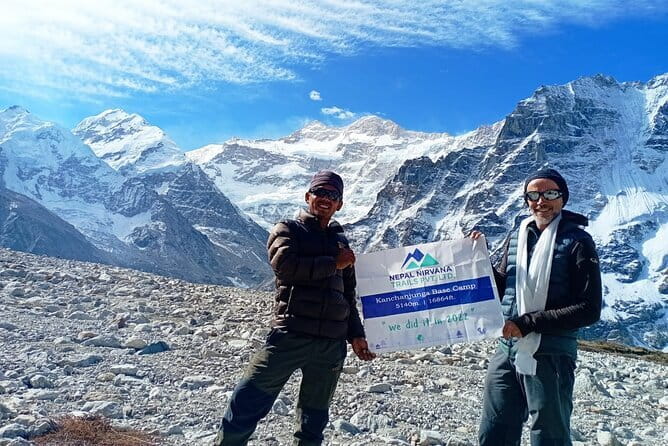
- North and South Base Camp angles for more than one view of Kanchenjunga
- Licensed, first-aid-trained guide plus porter support (2 trekkers to 1 porter)
- Jeep + flight logistics built in to reach the trailheads efficiently
- Newer, less-developed route means fewer crowds versus more famous circuits
North and South Base Camp angles on one circuit
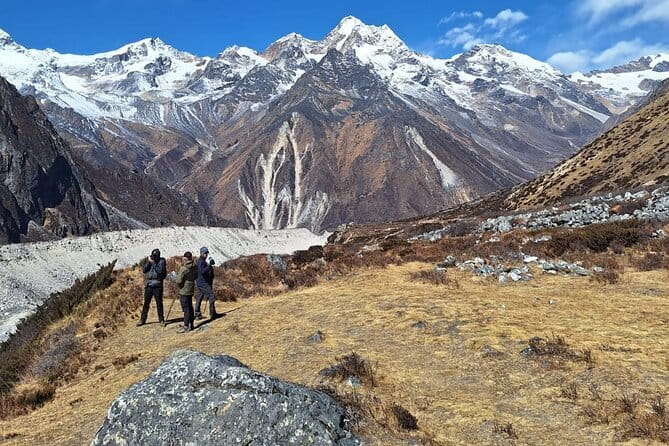
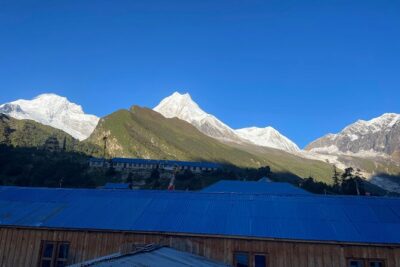
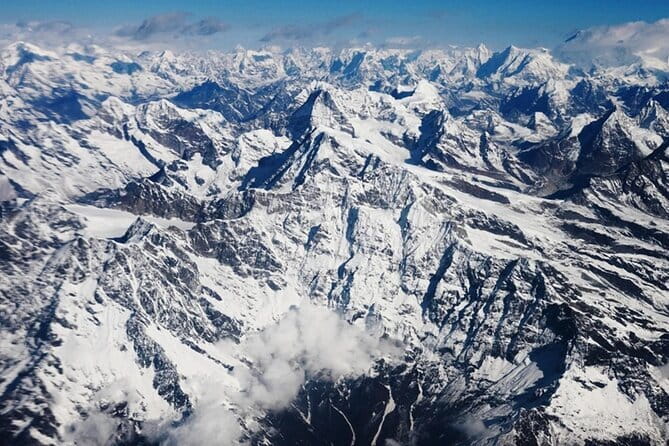
Kanchenjunga is the kind of mountain that rewards patience. This circuit is designed so you see it from more than one side, including stops tied to both north and south base camp approaches. That matters because one view of a big peak is never the same as another—light changes, glacier shapes show up differently, and the scale hits harder when you’re closer.
A lot of treks stop once they’ve checked a box. This route keeps working the terrain until you’ve had time to look at the mountain from multiple angles, which is exactly what you want when you’re paying attention to details like glaciers, ridgelines, and how valleys open and close.
You should also know the route is described as newly established compared with other major trekking routes. Translation: even in peak season, the trail tends to feel less crowded and more village-real. If your goal is solitude and authenticity over selfie traffic, this suits that vibe.
You can also read our reviews of more hiking tours in Kathmandu
Price and inclusions: where the value really comes from
At $2,000 per person for about 19 days, the price looks steep at first glance. But you’re not just buying walking time. You’re also paying for a big bundle of “invisible” costs that can ruin your budget if you try to DIY them.
What’s included in the base price:
- Trekking permits
- A 3-star hotel in Kathmandu for 3 nights, including breakfast
- Tea-house accommodations during the trek
- A government licensed, first aid-trained guide
- A porter system (between 2 trekkers: 1 porter)
- Flights: Kathmandu to Bhadrapur and Bhadrapur back to Kathmandu
- Private jeep transfers for the trailhead drives
- Basic medical support: a first aid kit with basic medication
- Local taxes and VAT coverage
- Meals during the trek: breakfast (18), lunch (17), dinner (16)
For trekking, meals and transport are a huge deal. You’re not hunting for food every day, and you’re not negotiating jeep availability in remote places. That’s part of the value here.
Where your wallet might still feel it:
- Personal expenses, snacks, extra drinks, charging, hot showers (if available)
- Tips for guide and porter (appreciated)
- Travel and health insurance that covers emergency rescues and evacuations
If you’re the type who hates surprise costs, this package style is usually easier than piecing everything together yourself.
Getting to the trail: Kathmandu flights and jeep drives
You start and end in Kathmandu, with pickup offered. The trail launch is built around a domestic flight, which saves you from spending whole days on the road.
Your big transport moments:
- Fly from Kathmandu (TIA) to Bhadrapur (Chandragadhi Airport) in about 45 to 50 minutes
- Then use a local jeep for the drive toward Taplejung and onward to Sekathum
- On the return, after trekking ends, there’s a drive from Yamphudin to Kanyam and back to Bhadrapur, then another flight to Kathmandu
One review specifically warned about the long 4×4 jeep ride because the trekking areas are remote from civilization. That’s the kind of thing you should plan for: expect rougher road time than you’d get on a city transfer, and pack something for comfort.
The upside is that you’re not wasting your trekking days in transit. You’re moving to the mountains fast, and then you stay there.
Kathmandu prep days: Thamel and permits in plain English
The tour begins in the Thamel area, and you’ll be met after you land at Tribhuvan International Airport. After that, you meet the team around 9 am the next day for permit preparation, and later you get your passport back after it’s handled.
You’ll also have a Kathmandu base with a 3-star hotel for three nights and breakfast included. This is practical. It gives you a chance to sleep well before the flight and jeep shifts start, and it keeps your gear sorted.
If you’re arriving on a red-eye or you hate paperwork while jet-lagged, this approach helps. Permits are handled, and the team collects your passport for prep and returns it on schedule.
Taplejung to Sekathum: first climbs, more bridges, fewer crowds
From Kathmandu you fly to Bhadrapur, drive onward, and reach Taplejung. The next push gets you to Sekathum via jeep, with the option that many trekkers prefer walking up from Taplejung—but this tour uses a mix of road and trail.
Sekathum is your first real “trail threshold.” It’s where you swap city life for river valleys, small settlements, and the start of the long rhythm: breakfast, walk, bridges, and the next tea-house night.
Your walking starts the day after Sekathum with a route that follows Ghunsa Khola and includes plenty of bridges along the way. That’s good news if you like variety. Trails that follow rivers tend to deliver consistent scenery, plus a sense of steady direction.
From Sekathum to Amjilosha: the long warm-up day
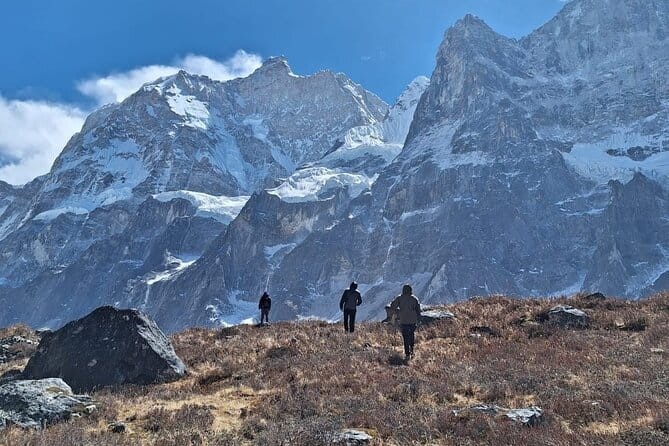
The hike toward Amjilosha starts after breakfast and builds your leg strength gradually. The route is described as an ascent along the Ghunsa Khola, walking over many bridges, with the trip framed as the beginning of the adventurous journey through the Himalayas.
This day is a useful reality check. You’ll learn how your body handles continuous movement, not just one big “climb day.” If you’re planning footwear and blister strategies, this is where you find out if your setup is ready.
Also notice the pattern: the tour days are written to keep you moving but not sprinting you up altitude constantly. That’s an advantage for comfort and pacing.
Dense forest to Ghunsa: Gyabla (Kyapra) and wildlife odds
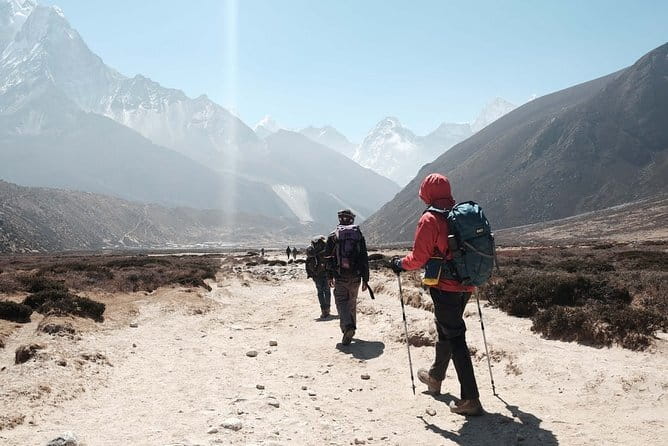
After Amjilosha, you move toward Gyabla, also called Kyapra. The description highlights walking through a dense forest and a trail without human settlement. That’s exactly what you want on a less-crowded circuit: the day can feel like you’re inside the ecosystem, not just passing through villages.
Then the trek continues to Ghunsa, reached after a woodlands walk that passes through Phale village. Many trekkers stop at Ghunsa for acclimatization, and this tour builds in that logic by having you reach Ghunsa as a key point before higher terrain.
Ghunsa is also where you start hearing the mountain in the background. Even without exact altitude numbers for every stage, you’ll feel the air shift as you move deeper into the route.
Khambachen’s rest day: pine forest, glacier views, and altitude prep
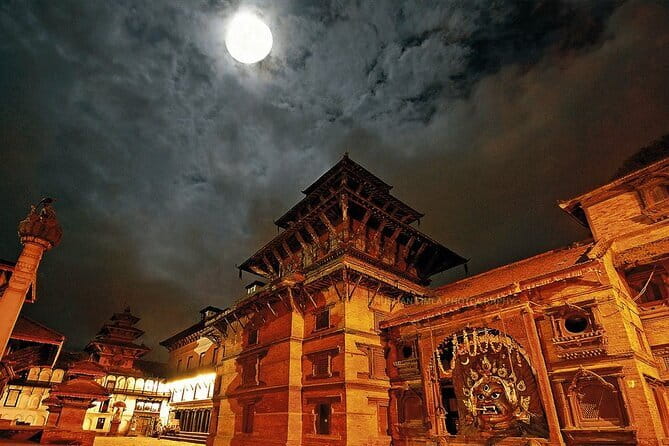
You reach Khambachen via a gradual ascent through an open pine forest. The route description mentions possible wildlife encounters like blue sheep and even a chance of snow leopards. Don’t plan your day around seeing them, but it’s a reminder this area has serious animal life.
There’s also a note that you pass through landslide-prone areas. That’s a good reason to walk attentively and accept that trail conditions can change.
Then comes a built-in rest day at Khambachen. You’ll do a short hike to nearby glaciers, viewpoints, and lakes. That’s smart for acclimatization because you get movement without the full strain of a big mileage push.
It also helps you mentally. Rest days can feel like wasted time on other trips. Here, it’s functional: you’re preparing your body for colder, higher terrain.
Lhonak and Pang Pema: reaching the North Base Camp approach
From Khambachen you move to Lhonak, described as part of the track toward the Kanchenjunga glacier. This is the area where you can meet trekkers in the main season who are walking toward and returning from the Kanchenjunga North Base Camp route.
Then Day 11 is the big focus: a hike to the north base camp area of Mt. Kanchenjunga, also known as Pang Pema. The route is described as a gradual climb following the moraines, reaching base camp after moving through that terrain.
This is where you’ll likely feel the highest effort of the trek. Base camp approaches can be mentally demanding even when the climb is “gradual,” because you’re working at thinner air and the ground underfoot can change.
If you’ve ever felt fine at sea level and then suddenly slow down at altitude, this day is where you learn your new pace. You’ll do it with a guide who knows the rhythm and can help you keep steady.
After base camp: Ghunsa return and Sele Le’s pass energy
After reaching north base camp, the trek heads back toward Ghunsa. The route description notes the return includes passing through stone huts and soaring views. That “backward” movement matters, because your legs get a different kind of workout on the descent and because you get fresh angles of the same ridges.
Then you continue onward to Sele Le, leaving the trail to Gyabla. This section includes a chance to see snow leopards as you pass through dense forest, and it’s described as having isolated human settlements with a few teahouses that may be open only in certain seasons.
So here’s your practical takeaway: pack for “basic and simple” as the norm. This is not a route built around comfort extras. It’s built around getting you to the places most people skip.
High pass day: Sinion La, Mirgin La, and Sinelapche Bhanjyang
One of the most demanding phases is the day after Sele Le Pass, where you hike up through high passes:
- Sinion La (4440m)
- Mirgin La (4480m)
- Sinelapche Bhanjyang (4645m)
The trek description promises spectacular panoramic views from these high pass areas. That’s the point, of course. But the more honest angle is that you’ll also feel the effort: these are high elevations, and the “distance” on paper doesn’t always reflect how tough it feels when the air gets thinner.
Also, pass days can be more weather-sensitive. You’ll want to keep your layers ready and your headlamp situation sorted for early starts, since you’re always moving against the mountain clock.
This day is the reason you picked a circuit instead of a short trek. You’re coming here for altitude and big viewpoints, not just greenery and villages.
Yalung Glacier and the final descent: from ice views to Kanyam
After the high pass segment, the trek moves toward Yalung Glacier. The description frames it as heading forward after early morning breakfast, getting higher and close to the vistas. It also calls out viewpoints of Rathong (6682m) and Kabru (7412m) as you pass by the Yalung.
Then you shift into a downhill finish phase, moving toward Tortong with Simbuwa Khola mentioned in the route description. After Tortong, you persist to descend to Amji Khola, passing areas like Lasiya/Lamite Bhanjyang (3415m) and Dhupi Bhanjyang (2665m) before reaching Yamphudin.
Finally you get to Kanyam, leaving mountain villages and trekking alongside the pathway of Kabeli Khola, then driving to Kanya and onward to Chandragadhi Airport (Bhadrapur) for your return flight to Kathmandu.
This end stretch is where you’ll appreciate good boots and careful footing. Descent days can be surprisingly hard on knees and ankles, even when you’re excited to see the route end.
Who this trek suits best (and who should rethink it)
This trek is built for people with strong physical fitness. That’s stated directly, and it matches what the route implies: long days, high passes, glacier-area walking, and cold conditions at elevation.
It also fits well if you:
- Want less crowd pressure on the trail
- Prefer authentic villages and simpler tea-house life over hotel comforts
- Like the idea of a guided trek with a small group cap of 8
You might want to rethink it if:
- You expect great food and lots of comfort options. The tour info says food is very basic, and you should opt for veg foods available while you’re in the trek
- You dislike long road segments. The jeep transfers are part of the deal, including the remote 4×4 ride experience noted in feedback
- You’re not comfortable with altitude days that reach into the 4400–4600m pass range
Guides and small-group service: what to watch for
The tour is set up with a government licensed, first aid-trained guide and a porter system (between 2 trekkers to 1 porter). That matters because on a high-altitude circuit, your pace and safety decisions are easier when someone who knows the terrain is calling the shots.
Past reviews for Nepal Nirvana Trails highlight guide quality with names like Raj, Jangbu, and Abinta. Even though your guide can differ, it’s a good sign the operator takes guidance seriously and doesn’t treat it like an afterthought.
Also, the group size cap of max 8 is not just a marketing line. Small groups tend to feel more flexible day to day, and they’re easier to manage in places where tea-house space is limited.
Should you book this Kanchenjunga Circuit Trek?
I’d book it if your dream trip is quieter than the big-name Nepal routes, and you’re excited about seeing Kanchenjunga from multiple base camp angles. The combination of permits, flights, jeep transfers, tea-house lodging, guide/porter support, and included meals is solid value if you want your time protected and your logistics handled.
I would hesitate if you’re mainly chasing comfort food, lots of charging options, or easy road transitions. This is a mountain circuit. The tradeoff is simple: you get remoteness and strong scenery payoff, and you accept basic living along the trail.
If you do book, go in with realistic expectations: pack for cold, plan for long days, and treat the high passes like the main event they are.
FAQ
Where does the trek start and where do we end?
The start is at Nepal Nirvana Trails in Kathmandu. The end is in Kathmandu, and you’ll be dropped off at your hotel.
How do you travel from Kathmandu to the trekking area?
You fly from Kathmandu to Bhadrapur (about 45 to 50 minutes), then take a local jeep to reach Taplejung and onward toward the trek start areas.
How do you come back to Kathmandu?
After the trek ends, you drive to Bhadrapur (Chandragadhi Airport), then take a flight from Bhadrapur back to Kathmandu.
Are trekking permits included?
Yes. All necessary trekking permits are included.
What kind of lodging is included during the trek?
Tea-house accommodations are included during the trek.
Do you stay in a hotel in Kathmandu?
Yes. The package includes a 3-star hotel in Kathmandu for 3 nights with breakfast.
Is there a guide and porter service?
Yes. A government licensed, first aid-trained trekking guide is included, along with a porter. Porter support is described as between 2 trekkers and 1 porter.
What meals are included?
Breakfast is included for 18 days, lunch for 17 days, and dinner for 16 days. The food during the trek is described as very basic, and veg options are suggested.
What’s not included in the price?
International flight tickets, Nepal entry visa, travel and health insurance (including emergency rescue/evacuations), personal expenses, extra snacks and drinks, and tips for the guide and porter.
Can I cancel for a full refund?
Yes. Free cancellation is offered if you cancel up to 24 hours in advance for a full refund.