REVIEW · KATHMANDU
Upper Mustang Trek 14 Days
Book on Viator →Operated by Trek Mania Nepal · Bookable on Viator
Forbidden Mustang feels very real. This 14-day route takes you from Kathmandu and Pokhara to Jomsom, then across arid villages to Lo Manthang, mixing Tibetan-influenced culture with cave visits.
I love how the trip balances slow moments and hard walking: the travel legs (drive + flights) help you arrive ready, then the trek days keep you moving through Mustang’s high, dry terrain. I also like that the essentials are handled upfront—an English-speaking licensed trekking guide and the required permits for the restricted Upper Mustang area.
One caution: the rate covers some meals (including dinner), but meals and trek accommodation aren’t included during the walking days, so you’ll need extra cash on the trail for food and lodging.
In This Review
- Key highlights at a glance
- Upper Mustang Trek: Why Lo Manthang Feels Like a Different World
- Getting There Without Spending Your Whole Trip
- Kathmandu to Pokhara: Thamel, Phewa Tal, and a Temple Stop
- Jomsom to Kagbeni: The Gateway With Mud-Brick Streets
- Kagbeni to Chele: Arid Trails and Cave Country
- Chele to Syanboche to Ghami: Big Views, Then a Bigger Village
- Ghami to Tsarang: Forts, Monasteries, and a Strong Cultural Stop
- Tsarang to Lo Manthang: The Walled Capital Moment
- Lo Manthang Day: Thubchen Gompa and Chhoser Cave
- Lo Manthang Back Down: Dhakmar and Kagbeni Return
- The Kathmandu Finish: Drive Back and a Last Day of Flexibility
- Price and Logistics: What Your $1,212 Covers (and What It Doesn’t)
- Permits and a Licensed Guide: The Real Reason This Trek Works
- Teahouses, Meals, and the Daily Budget You’ll Actually Feel
- Who Should Book This Trek (and Who Might Reconsider)
- Should You Book Upper Mustang Trek with Trek Mania Nepal?
- FAQ
- What’s included in the tour price?
- What’s not included?
- Are the permits included?
- Is the Upper Mustang restricted area permit fully included?
- Do I need to book a guide separately?
- Where do I meet the tour in Kathmandu?
- Is this a private tour?
- How is transport handled?
- What’s the cancellation policy for a full refund?
Key highlights at a glance
- Lo Manthang time with Thubchen Gompa and Chhoser Cave: two major cultural stops built into the schedule.
- Upper Mustang Restricted Area Permit included for 10 days: important, since Mustang is not open like a standard trek.
- Private group with airport pickup and hotel-based Kathmandu start: simpler logistics and less waiting around.
- A logical trek progression through Kagbeni, Chele, Syanboche, Ghami, Tsarang: the itinerary gives you villages to adjust and recover in.
- Trek kit extras plus first-aid support: you get a Trekking Map, T-shirt, duffel bag, and a first-aid medical box.
Upper Mustang Trek: Why Lo Manthang Feels Like a Different World
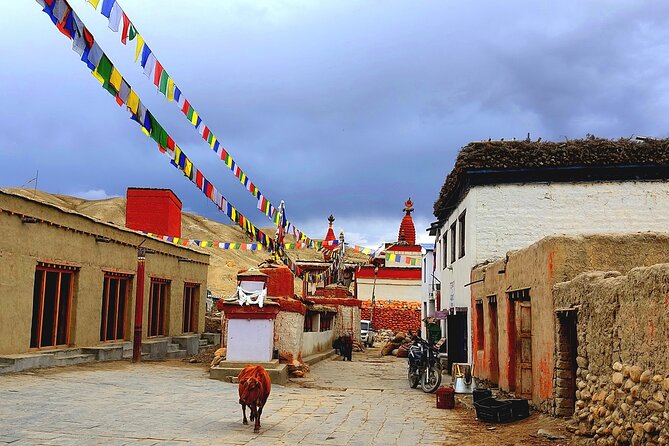
Upper Mustang is one of those places where the scenery and the culture match each other. You’re not just walking through hills—you’re moving through a former Tibetan-influenced kingdom with walls, monasteries, and old cave sites that make the region feel sealed off from modern noise.
What makes this trek especially interesting is the pairing of big views with specific cultural targets. You’re heading toward Lo Manthang’s walled streets and scheduling time at major religious sites like Thubchen Gompa, plus the Chhoser Cave stop near town. That mix matters because it gives your photos a story, not just a view.
The other big value is how the itinerary is built around practical rhythm: travel days to set you up, then trek days that step through key villages before and after Lo Manthang. If you want a trek where logistics don’t eat the whole trip, this one is designed to protect your energy.
You can also read our reviews of more hiking tours in Kathmandu
Getting There Without Spending Your Whole Trip
Most people imagine the trek starts on Day 1. In reality, the setup days are part of the experience—and part of the reason this route works.
You start in Kathmandu at Hotel Chhimeki and spend a day in Thamel, the busy gear-and-stroll zone where you can get oriented fast. Day 2 shifts you to Pokhara by a long scenic drive, then you get a classic lake break at Phewa Tal. The short visit to Tal Barahi Temple (on its small island) is also a nice change of pace—spiritual, quiet, and easy to fit into the schedule.
On Day 3, the itinerary switches gears with a flight from Pokhara to Jomsom. That short hop is more than convenience: it gets you into the Kali Gandaki Valley area where Upper Mustang begins, with the wind-exposed feel that comes with this part of Nepal.
Practical note: because these travel segments are scheduled (drive and flights), you’ll want to plan your arrival in Kathmandu so you don’t get stressed about timing. The itinerary is tight enough that delays could affect the flow.
Kathmandu to Pokhara: Thamel, Phewa Tal, and a Temple Stop
Kathmandu on Day 1 is intentionally light. You arrive, check in, and use the day to reset. Thamel is a smart place to do that because you’ll find enough activity to feel connected without needing a big plan.
Then Pokhara brings the “breathing room” element. Walking the shores of Phewa Tal helps you stretch your legs and clear jet lag before the trek starts in earnest. If you rent a boat, it’s a quick way to frame the Annapurna and Machhapuchare views across the lake (the tour gives you the option).
Tal Barahi Temple adds a grounded cultural moment. Even with limited time, the location—reachable by boat—creates a feeling of stepping into a different pace. It’s also short enough that it won’t drain your energy before Jomsom.
Jomsom to Kagbeni: The Gateway With Mud-Brick Streets
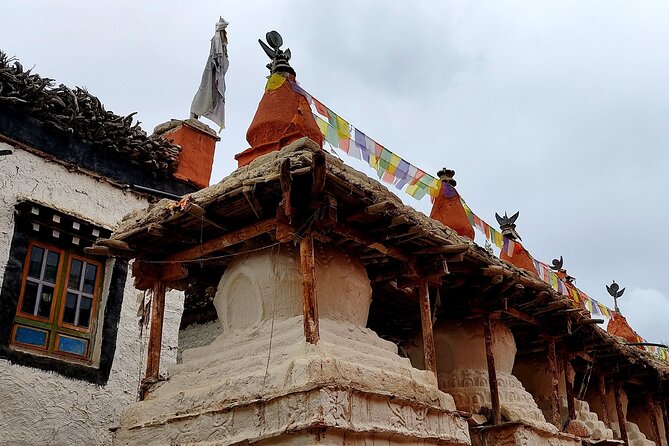
Jomsom functions as the launchpad for Upper Mustang. After landing, your trek begins with Kagbeni, a village known for mud-brick buildings, narrow lanes, and Buddhist monasteries. This is the first place where you start seeing the Mustang look: drier terrain, older-looking walls, and the sense of a remote region living by its own rhythm.
Day 3 also matters because it sets expectations. You’re going from valley-town arrival (Jomsom) into village-to-village trekking (Kagbeni). It’s not a long-sightseeing day—it’s the start of your walking routine.
A helpful mindset here: treat Kagbeni as your cultural warm-up. You’re not just passing through villages. The trek is designed so you’re gradually introduced to the style of settlement and the religious spaces you’ll keep returning to later, especially around Lo Manthang.
Kagbeni to Chele: Arid Trails and Cave Country
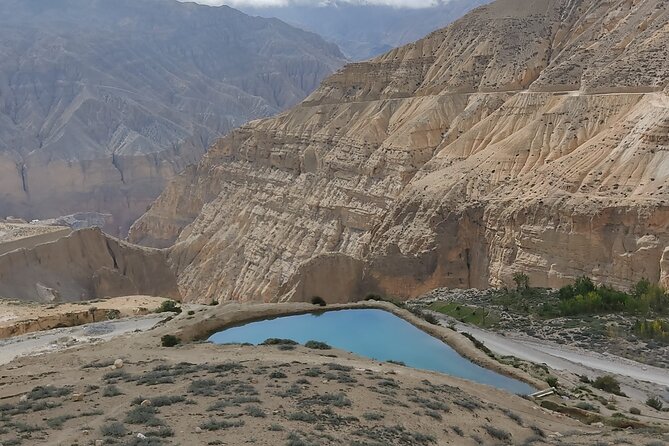
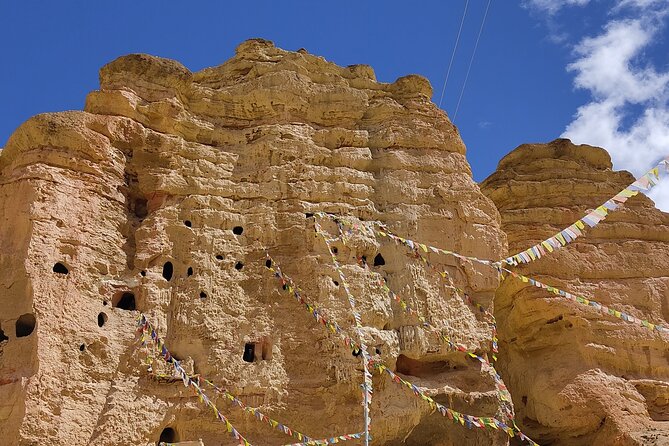
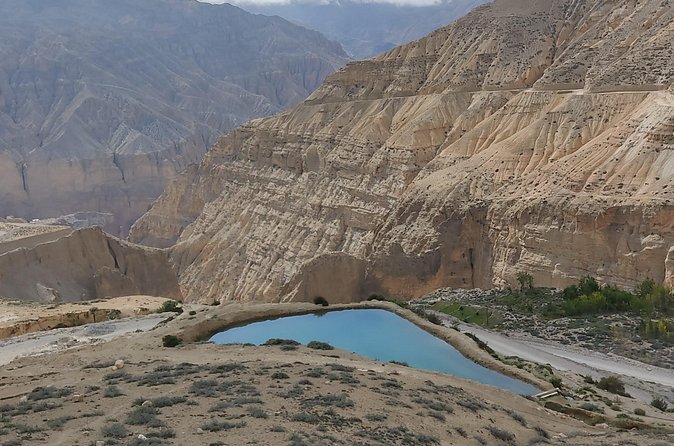
Day 4 moves you from Kagbeni toward Chele through arid landscapes and Mustang villages, with mentions of ancient caves along the way. This is part of what makes the route feel different from a typical mountain trek: the terrain is dry and stark, and the historical elements are never far away.
The upside is that the trail can feel raw and direct. You’re not trekking through dense greenery or constantly chasing waterfalls—this is about wide air, big shadows, and long stretches where the region’s age is obvious.
The possible drawback is also predictable: with limited “comfort stops” built around big tourist infrastructure, you’ll want to stay mentally flexible. Plan on a more basic rhythm once you’re fully on the trekking portion.
Chele to Syanboche to Ghami: Big Views, Then a Bigger Village
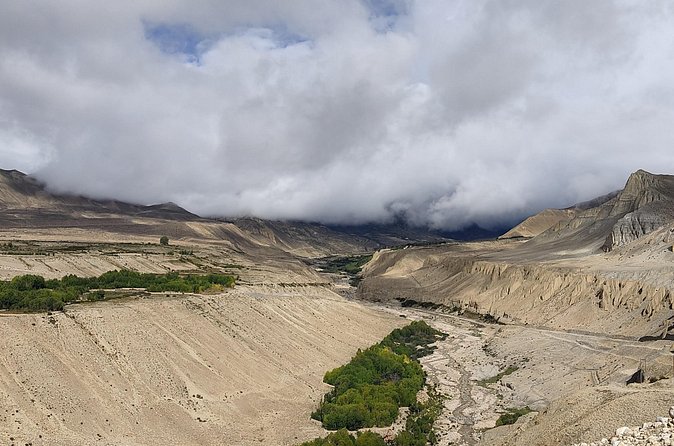
Day 5 continues across higher desert terrain toward Syanboche. The route description emphasizes raw, untouched beauty and remote atmosphere. Translation for you: expect long walking days and a sense of being out there, not in a developed corridor.
Day 6 brings Ghami, described as larger and more vibrant (in the sense of activity and village scale), and known for historical monasteries. Ghami is a key pivot in the itinerary because it gives you a more substantial settlement feel after the emptier, high-desert stretches.
Why that matters: after Syanboche-style remoteness, Ghami is the point where you can reset—physically and emotionally—before continuing deeper into Upper Mustang.
Ghami to Tsarang: Forts, Monasteries, and a Strong Cultural Stop
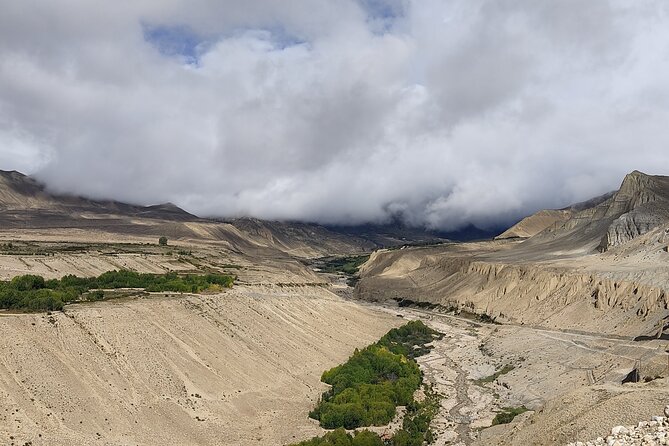
Day 7 heads to Tsarang, described as prominent and important culturally and historically. You’re also told Tsarang is famous for the Tsarang Fort and an ancient monastery.
This is where the trek shifts from “we’re seeing villages” to “we’re hitting named cultural sites.” Tsarang’s fort-and-monastery focus means your day is built around places with strong identity rather than only moving through terrain.
If you care about Tibetan-influenced architecture and the way communities cluster around religious structures, this is a day to pay attention. Even short visits here can turn your entire trek into a sharper experience because it explains how people organized life in the Mustang kingdom.
Tsarang to Lo Manthang: The Walled Capital Moment
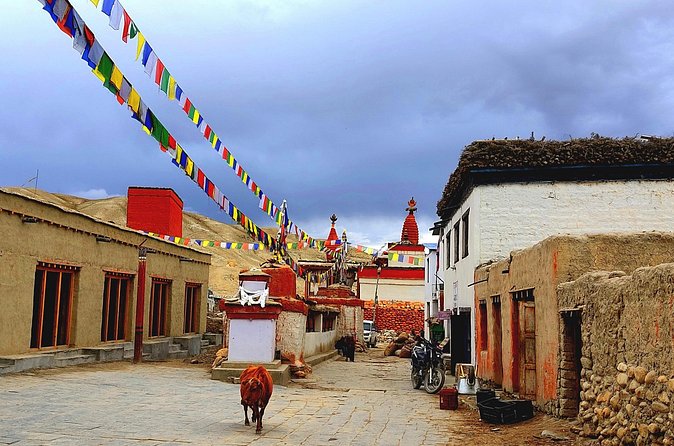
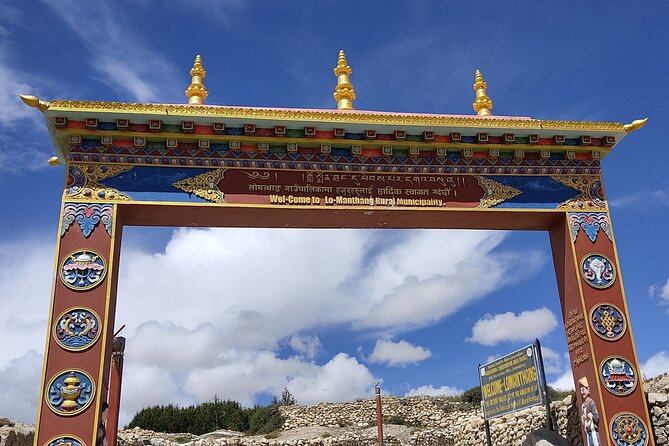
Day 8 reaches the main prize: Lo Manthang, described as a walled city with Tibetan-influenced culture, narrow streets, and traditional mud-brick architecture. This is the moment most trekkers picture when they sign up for Upper Mustang: a place that feels protected by walls and shaped by centuries of local design.
This day is still a trek day, not a free roaming day. So once you arrive, you’ll likely want to balance exploring with rest. The itinerary then keeps Lo Manthang as the center of gravity on Day 9.
What I like about building Lo Manthang into two days is that it gives you time to absorb the city. You’re not forced to cram everything into a single arrival hour.
Lo Manthang Day: Thubchen Gompa and Chhoser Cave
On Day 9, the schedule focuses tightly on major stops.
First is Thubchen Gompa, called one of the oldest and most significant monasteries in Lo Manthang. The tour description highlights the architecture and serene atmosphere, which is exactly what you should look for here: not only what a monastery looks like, but how it makes space for quiet.
Then comes Chhoser Cave, near Lo Manthang. The cave complex is described as historically significant, used for centuries, and set in a stunning location. Even if you don’t read every label or sign, the setting alone helps you understand why cave sites matter in this region’s story—shelter, faith, and history all packed into one place.
Finally, you spend the rest of the day in Lo Manthang itself. That’s important. These treks can turn into a checklist. This one gives you time in the city so you can notice daily life: the lanes, the buildings, and the way the city works when the day’s major sites are done.
Lo Manthang Back Down: Dhakmar and Kagbeni Return
Day 10 starts your return trek from Lo Manthang to Dhakmar. You get fresh perspectives on rock formations and expansive valleys, which is the return-trail advantage: the same region, different angle.
Day 11 continues from Dhakmar back to Kagbeni. Re-traveling a familiar stretch is a smart move in a trek like this. It helps you notice the route you might have rushed past earlier and gives you a sense of completion.
Then Day 12 switches to transportation mode again: a flight from Jomsom back to Pokhara, followed by downtime in Pokhara. It’s a good contrast day. You’re moving from sparse villages and caves back to a lakeside atmosphere and rest.
The Kathmandu Finish: Drive Back and a Last Day of Flexibility
Day 13 returns you to Kathmandu by scenic route, and the schedule keeps the day open for you to relax, do last-minute shopping, or explore on your own. This is the right kind of buffer after a trek: you’re not forced into a tight sightseeing program.
Day 14 is straightforward—head to Tribhuvan International Airport for departure. It’s also a nice way to close the loop: you’re back where you started, with no surprises beyond the normal travel grind.
Price and Logistics: What Your $1,212 Covers (and What It Doesn’t)
This price point is easiest to evaluate when you separate the “hard costs” from the “trail spending.”
What’s included:
- Airport pickup and drop service
- Kathmandu accommodation for 2 nights at Hotel Chhimeki
- Transportation as per the itinerary (drive and flights)
- Government license holder English-speaking trekking guide
- Upper Mustang Restricted Area Permit (10 days only)
- Annapurna Conservation Area Permit
- First aid medical box
- Dinner
- T-shirt, duffel bag, trekking map with company logo
- All taxes
What’s not included:
- All drinks
- Nepal visa fee
- International flights
- Extra night accommodation if the schedule changes
- Travel insurance/rescue operation costs
- Accommodation during the trek
- Porters
- Personal expenses
- Tips for guides and porters
- Meals (it specifically lists meals as not included, with dinner listed as included)
Here’s how I’d think about value: you’re paying for the permits, the licensed guide, and a chunk of the transportation and Kathmandu base. That’s the part travelers often underestimate when budgeting Upper Mustang. The biggest unknown you’ll manage yourself on the trek is daily food and sleeping arrangements, plus drinks and tips.
So if you’re the kind of person who likes knowing the exact nightly cost, you’ll want to plan for those extra trail expenses before you go. If you’re comfortable with that style of trekking budgeting, then this package price looks like a solid deal for what’s being arranged.
Permits and a Licensed Guide: The Real Reason This Trek Works
Upper Mustang isn’t open access like some other trekking regions. The fact that the tour lists the Upper Mustang Restricted Area Permit (10 days only) is a big deal. It tells you they’re covering a major requirement for the restricted portion of the route, instead of leaving you to untangle paperwork once you arrive.
The Annapurna Conservation Area Permit being included also matters. Two permits are often part of what makes Nepal treks feel complicated on paper. Here, at least these named permits are handled.
You also get a government license holder English-speaking trekking guide. In a place with monasteries, cave visits, and culturally specific spaces, a guide isn’t just a translator. They help you understand what you’re looking at and how to behave appropriately in sacred areas.
Based on past client feedback, coordination has been handled smoothly by Mr. Devaraj and his daughter, which is exactly what you want when your trip depends on flights, permits, and a careful match between time and walking pace.
Teahouses, Meals, and the Daily Budget You’ll Actually Feel
One thing you should plan for: the trek days are where your spending will start adding up.
This tour includes dinner, but the rest of your meals are not listed as included, and trek accommodation is also not included in the price. That means your day-to-day costs will depend on what you choose to buy at teahouses along the way, and how much you spend on drinks.
I’d recommend going in with a simple plan: treat food and tea/coffee as part of your daily trail budget, and treat drinks as an extra category rather than assuming they’re covered. If you’re used to all-in-one meals on guided tours, this one works differently.
The good news is that the itinerary includes handoff points at villages like Kagbeni, Ghami, and Lo Manthang, so you’re not trekking into empty nothing. You’ll be able to eat and rest because the route is built around inhabited stops.
Who Should Book This Trek (and Who Might Reconsider)
This trek suits you if you want a culturally focused trekking route with a clear goal: Lo Manthang, monasteries, and cave sites. It’s also a good match if you like a structured schedule with transport included at key moments, rather than designing every flight and transfer yourself.
The tour calls for travelers with moderate physical fitness. The daily trek blocks are long in the itinerary (many are listed around 12 hours), so you’ll want to be realistic about stamina. The good pacing helps, but this still isn’t a short, casual stroll.
You might reconsider if:
- you want all meals and trek lodging included in one flat rate,
- you don’t like managing daily cash spending for food and drink,
- you’re hoping to avoid long trekking days.
Should You Book Upper Mustang Trek with Trek Mania Nepal?
If your goal is Upper Mustang with a guide, permits, and a route designed to hit the walled city of Lo Manthang plus Thubchen Gompa and Chhoser Cave, this package looks like a strong way to do it. You’re getting the important administrative pieces (permits), a licensed guide, and a Kathmandu base that makes the start feel organized.
My “yes” is conditional on one thing: you’re okay budgeting beyond the listed price for meals, drinks, and trek lodging. If that part fits your travel style, you’ll likely love how the itinerary blends transportation, village life, and specific cultural stops into one long, meaningful arc.
If you want, tell me your trekking experience level and the month you’re considering. I can suggest how to budget daily spending for the trek portion and what pace style matches you best.
FAQ
What’s included in the tour price?
The price includes airport pickup and drop service, Kathmandu accommodation for 2 nights at Hotel Chhimeki, transportation as per the itinerary, a government license holder English-speaking trekking guide, Upper Mustang Restricted Area Permit (10 days only), Annapurna Conservation Area Permit, a first aid medical box, a T-shirt, duffel bag, and trekking map with company logo, dinner, and all taxes.
What’s not included?
Not included are drinks, the Nepal visa fee, international flight tickets, extra night accommodation in Kathmandu if the itinerary changes, travel insurance/rescue operation costs, accommodation during the trek, porters, personal expenses, tips for guides and porters, and meals (all meals).
Are the permits included?
Yes. You get the Upper Mustang Restricted Area Permit for 10 days and the Annapurna Conservation Area Permit.
Is the Upper Mustang restricted area permit fully included?
The Upper Mustang Restricted Area Permit is included for 10 days only, even though the full trip is 14 days.
Do I need to book a guide separately?
No. The tour includes a government license holder English-speaking trekking guide.
Where do I meet the tour in Kathmandu?
The meeting point is Hotel Chhimeki, 17 Purano Dhalko Marga, Kathmandu 44600, Nepal, and the tour ends back at the same meeting point.
Is this a private tour?
Yes. It’s listed as private, meaning only your group will participate.
How is transport handled?
Transport is included as per the itinerary, including airport pickup/drop service plus the scheduled drive and flights (Kathmandu to Pokhara, Pokhara to Jomsom, Jomsom to Pokhara, and Pokhara back to Kathmandu).
What’s the cancellation policy for a full refund?
You can cancel up to 3 days in advance for a full refund. If you cancel less than 3 days before the experience’s start time, the amount paid is not refunded.