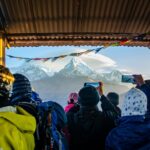
Manaslu feels remote, but logistics stay friendly. I like that this trek runs as a teahouse circuit (so you’re not hauling tents and lots of food), and that you reach the trail by overland bus and jeep instead of flying in. One real consideration: you’ll want moderate fitness for long days, including steep climbs and a windy, rocky pass push.
What also makes this route feel special is the mix of big-mountain views and small, lived-in stops. You’ll pass through pockets of Tibetan-influenced culture, and your day-to-day walk is structured around practical landmarks like Budhi Gandaki crossings, gompas, and the big achievement of Larkya La.
If you care about peak views and clear guidance, this is the kind of trek where the small details matter. And based on how guides like Ganesh are described in trip feedback, you’re likely to get thoughtful trail explanations and steady support when the going gets serious.
In This Review
- Key highlights worth your attention
- Manaslu Circuit teahouse trekking: remote feel, practical base
- Price and value: what $227 covers and what to budget separately
- What you’ll actually see: Manaslu views, Larkya La, and Tibetan culture
- Days 1-3: Kathmandu to the trail edge via Machhakhola, Jagat, and Deng
- Days 4-7: Budhi Gandaki valley hiking to Namrung, Shyala, and Manaslu Base Camp
- Days 8-11: Birendra Taal, Samdo, Layung La, and the Larkya La Pass challenge
- Days 12-14: Tilche to Marsyangdi valley, Besisahar by jeep, then Kathmandu
- Teahouses, meals, and included gear: what you can travel light for
- Your guide and group size: why it changes the trail
- Practical tips before you sign up for Manaslu
- Should you book this 14-day Manaslu Circuit with The Great Adventure?
- FAQ
- How long is the Manaslu Circuit Trek?
- Do I need flights to start the trek?
- Where will I sleep during the trek?
- What permits are included?
- What trekking gear is included?
- Are meals included while trekking?
- What’s the main difficult part of the trek?
- What’s the group size?
Key highlights worth your attention
- Teahouses at stop points: less gear hauling, more time to focus on the trail and altitude changes
- Overland access from Kathmandu: bus and jeep travel replaces the flight-style start
- Main achievement: Larkya La Pass: early-morning views when the air is crisp and the trail can be rocky
- Big view days: Manaslu, Himalchuli, Ganesh Himal II, and close looks at peaks around Samdo and Larkya Bazar
- Tibetan culture stops: monasteries, cultural libraries, and village time in Sama Gaon
- A licensed, hands-on team: professional guidance with first-aid support and porter help built into the plan
Manaslu Circuit teahouse trekking: remote feel, practical base
This trek is built for travelers who want the Manaslu area to feel wild, not boxed in. The circuit is described as less crowded and isolated, yet you still sleep in mountain teahouses along the way. That single choice changes the whole experience. Instead of worrying about pitching a tent, you can move lighter and more steadily, and your day is paced around predictable stop points.
I also like that the route doesn’t hinge on flights to get started. You travel from Kathmandu toward the trailhead overland by local regular bus, which tends to be slower than a plane but far more flexible for real life. You get window time over rivers and valleys, and that makes the trek feel like a journey, not a transfer.
The trade-off is that teahouses do not remove all effort. You still face steep valley climbs, long trekking hours (often around 6 to 7 hours, sometimes longer), and a pass day that’s specifically called out as windy at times and rocky. So if your idea of easy hiking means flat walking with no challenge, this route will likely test you.
You can also read our reviews of more hiking tours in Kathmandu
Price and value: what $227 covers and what to budget separately
At $227 per person for a 14-day circuit, the value looks strong on paper. Here’s why: the package includes 13 nights accommodation in mountain teahouses, a professional trekking guide with government license, and both the Manaslu & Annapurna conservation area permit plus a restricted area permit. It also includes practical support costs like the guide and porter’s food/salary and insurance for them.
You’re also not expected to guess your winter gear. The tour lists necessary equipment like a sleeping bag and down jacket, plus a first-aid kit support setup from the operator. That means you’re less likely to arrive underprepared or scramble last-minute for gear before the trek starts.
Where you should be realistic: the price does not include international airfare, visa fees/taxes, or your personal travel insurance. It also does not include all meals in Kathmandu and doesn’t cover drinks during the trek (soft or hard). So I’d treat it as a “trek package” price, not a “everything worldwide” price.
One more small note: group size max is 25 travelers, which can be good. You get safety and shared momentum without it turning into a huge crowd scene on the trail.
What you’ll actually see: Manaslu views, Larkya La, and Tibetan culture
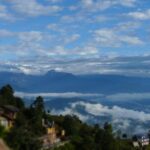
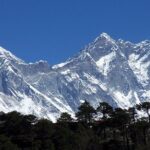
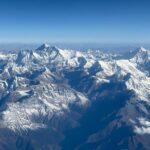
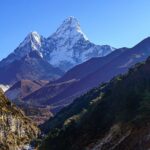
The Manaslu Circuit sells itself on scenery, but the route you’re taking is also about variety. You’ll see major peaks mentioned in your plan like Mt. Himalchuli, Manaslu, Mount Chamar, and Ganesh Himal II. Later on, you get very close views around the Samdo and Larkya Bazar area, plus the big “you did it” moment at Larkya La Pass.
Just as important, the trek is designed for cultural encounters that aren’t museum-style. In Sama Gaon, you’re set up to spend time in the village and see local Tibetan lifestyle. Earlier, at points like Pungyen Gompa and places near Samgaun/Samdo, your days are shaped by spiritual sites and local architecture, including an old monastery and a Tibetan cultural library mentioned in the route.
And there’s a rhythm to it. One day you’re chasing ridgeline views; another day is more about valleys, waterfalls, and crossings. That mix keeps it from feeling like one long grind toward a single photo spot.
Days 1-3: Kathmandu to the trail edge via Machhakhola, Jagat, and Deng
Day 1: Kathmandu to Gorkha, then toward Machhakhola
You start with a scenic overland journey out of Kathmandu, using a local regular bus toward Gorkha. From there the route continues along the Prithvi Highway beside the Trisuli River, with a long travel day that ends up reaching areas like Furke Khola and eventually Dhadingbesi/market stops along the way (before continuing on to the trekking start zone such as Machhakhola).
Why it matters: you’re easing your body into the trip. The downside is obvious: this is not a “light warm-up day.” It’s a travel day.
Day 2: Machhakhola toward Jagat (via Khorla Bensi and Tatopani)
You’ll trek after breakfast out of Machhakhola, heading toward small villages like Khorla Bensi. The route mentions Tatopani, and then the trail starts in with ups and downs. The day ends at Jagat, with the plan giving you a steady progression through small settlements rather than jumping straight into big altitude gains.
Practical note: if you hate inconsistent footing, this is still early enough to get your trekking rhythm right.
Day 3: Jagat checkpoint area to Deng
You start early at a teahouse breakfast, cross the Jagat checkpoint, then walk into a day described with a waterfall scene and a steep climb over a ridge leading toward Salleri. After that ridge work, you descend toward Deng.
What to watch: early ridge climbs can be deceptively hard. Start slow, keep your breathing even, and let your legs catch up.
Days 4-7: Budhi Gandaki valley hiking to Namrung, Shyala, and Manaslu Base Camp
Day 4: Deng to Namrung
After breakfast, you cross the Budhi Gandaki and hike into the westward Budhi Gandaki valley. The route calls out a steep, impressive valley feel. The end point is Namrung, a common stage in the Manaslu ecosystem where the trail begins to feel more enclosed by mountain walls.
Consideration: this is where your legs start to learn the “circuit” shape of the day—work up, work down, repeat.
Day 5: Namrung to Shyala
You cross the Namrung checkpost and then reach Bhanjam, described as a village on the route through a pine forest. There’s also mention of a steep climb (about an hour) before you arrive at Shyala.
Why Shyala matters: it’s a positioning day, set up for the next morning’s sunrise views described later on.
Day 6: Shyala to Pung Gyen Gompa, then down toward Sama Gaon
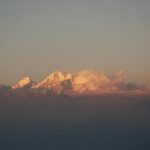
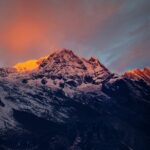
This day starts with sunrise from Shyala and specifically mentions the Manaslu summit color shifting toward golden tones. After breakfast, you head toward Pungyen Gompa for a short side stop, then you walk down for 2 to 3 hours to Sama Gaon for the night.
This is one of the more emotionally rewarding days on the plan: you’re gaining altitude, then you’re also being given a cultural stop and a calmer descent into Sama Gaon teahouse life.
Day 7: Sama Gaon to Manaslu Base Camp, then back to Sama Gaon
You proceed toward Manaslu Base Camp with about an hour on a mostly flat section looking at Manaslu before a steep climb begins. After roughly 3 hours of steep climbing, you reach base camp. Then you return to Sama Gaon for lunch and visit time in the village to see the culture and lifestyle of local Tibetan people.
This day is a payoff. It’s also a test. If you’re prone to rushing, don’t. That steep climb deserves a slow pace and a guide who knows how to manage effort.
Days 8-11: Birendra Taal, Samdo, Layung La, and the Larkya La Pass challenge
Day 8: Sama Gaon to Samdo via Birendra Taal
You walk from Samgaun toward Birendra Lake, passing an old monastery and a Tibetan cultural library. After Birendra Taal, you descend toward Samdo, with Kermo Kharka mentioned as a stop famous for panoramic views of Manaslu and Pangpoche.
Why it’s a good day: you’re getting both nature and culture without needing to carry extra gear.
Day 9: Samdo area to Layung La
The adventure starts with close views of Mount Samdo and Gyala Peak, plus broader views around Larkya Bazar. The plan calls for 4 to 5 hours of ascending from Samdo leading toward the Layung La area.
This is a classic “go up, feel small, keep going” day. Expect the route to demand focus on steady movement rather than constant speed.
Day 10: Layung La area to Dharamsala (Larkya Base Camp)
You hike about 4 to 5 hours toward Dharamsala/Larkya Base Camp. Then you start the descent past the northern valley and cross the Budhi Gandaki. The route notes grassy terrains with juniper above the Syacha Kh… (cut off in the details, but the point is clear: you’re transitioning into a different vegetation and trail feel).
Why it’s useful: you’re not just rushing toward the pass; you’re building toward it with a structured stage.
Day 11: Larkya La Pass to Bimthang
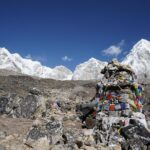
This is the big day. The trek begins early, and you hike steep, windy (sometimes) and rocky terrain to reach Larkya La Pass. The morning views of Larke peak (6249m) are specifically highlighted. Then you descend steeply to Bimthang. On the way down toward Phedi, you get views of peaks like Nimjung, Himlung, and Kanguru mentioned in the route plan.
Practical consideration: pass day is about timing. Early starts and careful footing matter more than speed. If you’re the kind of person who hates cold fingers, pack gloves and keep layers ready, because the description hints at exposed trail conditions.
Days 12-14: Tilche to Marsyangdi valley, Besisahar by jeep, then Kathmandu
Day 12: Bhimthang to Tilche
You enjoy early breakfast with Manaslu views. The trek from Bhimthang to Tilche takes about 6 to 7 hours and starts with a descent.
This is where you should shift your mindset: less “summit push,” more “manage energy” for the finish.
Day 13: Tilche farmlands toward the Marsyangdi Valley, then to Besisahar
You hike through farmlands around Tilche, cross to the east bank of the river, and gradually descend toward the Marsyangdi Valley. From Dharapani, you take a sharing jeep to Besisahar (around 3 to 4 hours). The road drive is described with waterfalls and lush scenery along the way.
Why this matters: it gives you a more relaxed feeling after steep hiking, but you still end up with a travel day. Hydrate and don’t assume you’re fully done with exertion.
Day 14: Besisahar to Kathmandu by minibus
You drive back to Kathmandu with views of hills and mountains. The route follows the banks of the Marsyangdi and Trishuli rivers, and you finish the trip with a final push through road scenery.
Enjoy it as a wind-down day. Your body will still feel the trek, even if the legs aren’t doing trail work.
Teahouses, meals, and included gear: what you can travel light for
The headline advantage is sleeping in mountain teahouses for 13 nights. That matters because you’re not carrying a full camp kit. Your daily routine is built around teahouse breakfasts (listed for 14 days) and structured meals (lunch listed for 14 days and dinner listed for 13).
What that means for you day-to-day:
- You can plan your effort around reliable stops.
- You’ll still pay attention to meals, because trekking days can be long and appetite tends to be steady rather than dramatic.
The package includes sleeping bag and down jacket, which is huge if you’re traveling with limited luggage or you don’t already own cold-weather gear. If you do own your own gear, you’ll want to check whether you still plan to use what’s provided.
One thing not included: drinks during trekking. That includes soft and hard drinks. So if you like soda, tea, or extra hot drinks, budget for them. It’s a small cost that can add up over a week+.
Your guide and group size: why it changes the trail
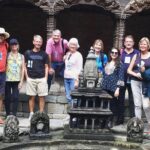
This trek is capped at 25 travelers, and it includes a licensed trekking guide plus support for guide/porter in the package. In trip feedback, a guide named Ganesh is specifically mentioned as very good and professional, with help described as attentive and informative.
What I think that means in practice: on a circuit with checkpoints, pass conditions, and changing terrain, good guidance reduces stress. You’re not just following a line on a map. You’re also learning how the trail fits the local geography and culture, and you’re getting help managing pacing on the hard days.
Also, having a first-aid kit listed as part of the operator’s support is a reassurance—especially for a trek that includes steep climbing and a pass day with rocky sections and wind.
Practical tips before you sign up for Manaslu
1) Train for long hiking, not for short bursts.
Several days are listed around 6 to 7 hours, and the pass day is steep and rocky with windy conditions at times.
2) Plan for early starts.
Breakfasts are described as early on multiple days, and Larkya La is specifically an early-morning effort. If you’re the type who hates waking up before the sun, this trek will still make you do it.
3) Pack for cold and wind on pass day.
Even though your gear support includes a down jacket, you still want layers and gloves. The plan calls the pass trail windy and rocky.
4) Don’t forget Kathmandu logistics needs.
Meals in Kathmandu aren’t included, so build a small food budget for your first and last day. The trek includes lunch and dinner during the mountain days, but Kathmandu is on you.
5) Bring the right attitude for remote trekking.
This is a less domesticated route with village life, checkpoints, and basic amenities. The best results come when you treat it like a real working trek route, not a theme-park itinerary.
Should you book this 14-day Manaslu Circuit with The Great Adventure?
I’d recommend booking if you want the Manaslu Circuit experience without the extra baggage of tent camping, and you like the idea of getting there by overland transport from Kathmandu. This plan also makes sense if you value permits and a licensed guide built into the price, plus included cold-weather essentials like a sleeping bag and down jacket.
Skip it or reconsider if you’re not comfortable with long days, steep climbs, and a pass day that’s described as windy and rocky. The trek is “moderate physical fitness” territory, but you should take that seriously.
If you’re aiming for big mountain moments—especially reaching base camp and taking on Larkya La—this route fits the bill, and the guide support (including mentions of Ganesh) sounds like a strong reason to trust the plan.
FAQ
How long is the Manaslu Circuit Trek?
The trek runs for 14 days (approx.).
Do I need flights to start the trek?
No. The trailhead can be reached overland, and the route uses local buses, sharing jeeps, and a minibus back to Kathmandu.
Where will I sleep during the trek?
You’ll stay in mountain teahouses for 13 nights.
What permits are included?
The tour includes the Manaslu & Annapurna conservation area permit and the restricted area permit.
What trekking gear is included?
The package lists necessary equipment including a sleeping bag and a down jacket.
Are meals included while trekking?
Yes. Breakfast is included for 14 days, lunch is included for 14 days, and dinner is included for 13 days. Meals in Kathmandu are not included.
What’s the main difficult part of the trek?
The biggest named challenge is the Larkya La Pass day. The trail is described as steep, and sometimes windy and rocky, with early-morning views of Larke peak.
What’s the group size?
The tour has a maximum of 25 travelers.