REVIEW · KATHMANDU
Annapurna Circuit Trek in Nepal (9 Days)
Book on Viator →Operated by Recreation Holidays Pvt. Ltd. · Bookable on Viator
Big mountains, big early mornings. This 9-day Annapurna Circuit trek from Kathmandu blends guided safety, tea house comfort, and enough culture stops to keep the trail from feeling like one long grind. I like the way Recreation Holidays builds in practical support—licensed English-speaking guides, a first-aid kit, and permits handled for you—so you can focus on walking and breathing.
I also like the pacing choices: you get a dedicated acclimatization day in Manang before the big pass push, and you’ll have structured transport to and from the trek. One thing to consider upfront: this route takes you to high altitude, including Thorong La Pass at 5,416 meters, so you need moderate fitness and a realistic attitude about slow going when the air thins.
In This Review
- Quick takes before you set foot on the Annapurna Circuit
- Why the Annapurna Circuit in 9 days feels like a full trip
- Day 1: Kathmandu to the trail base, with morning transport that actually matters
- Chame and the rhododendron forests: when the trail turns photogenic
- Into Manang: panoramic views today, acclimatization tomorrow
- Yak Kharka to Thorong Phedi: steady climb, fewer excuses
- Thorong La Pass and Muktinath: the 3 AM day that defines the trip
- Pokhara finish: coming down, and letting your body breathe again
- The value question: is $880 fair for what you get?
- Guides, safety, and that hands-on feel
- How hard is this trek, really?
- Should you book this 9-day Annapurna Circuit with Recreation Holidays?
- FAQ
- What is the duration and price for this Annapurna Circuit trek?
- Do I get pickup from Kathmandu?
- What accommodation is included during the trek?
- Are meals and permits included?
- Is a porter included in the price?
- How high do we reach on this trek?
- Is free cancellation available?
Quick takes before you set foot on the Annapurna Circuit
- Pickup and transfers are built in: you start from Kathmandu and use local transport to reach the trail, then finish with a jeep or bus into Pokhara.
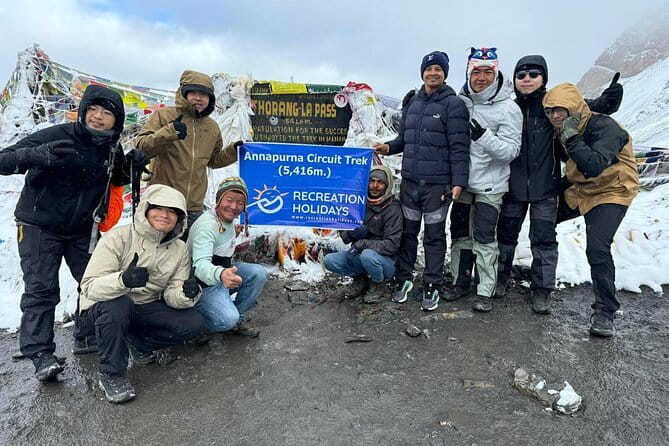
- Thorong La is the centerpiece: an early start around 3 AM sets you up for the highest point of the trek.
- Manang acclimatization is not skipped: you get a whole day to adjust before the pass day.
- Tea house lodging and meals simplify logistics: 8 nights twin-sharing tea house stays plus a set of breakfasts, dinners, and lunches.
- Guides + permits + medical support are included: licensed English-speaking guidance, emergency evacuation support via your travel insurance, and all necessary trekking permits.
Why the Annapurna Circuit in 9 days feels like a full trip
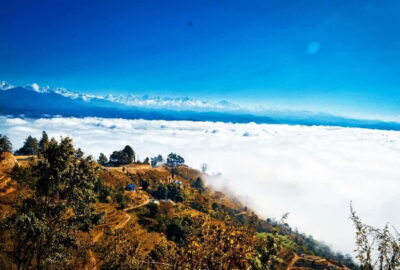
A lot of “short” treks still turn into long days of figuring things out. This one is closer to a complete package: enough days to cross the core of the circuit, plus real time in the middle to adjust. You’ll feel the classic Annapurna rhythm—villages, forests, stone and prayer walls, then the high, quiet stretch where the mountains seem close enough to touch.
The sweet spot here is that the trip is designed around how altitude works. You don’t just rush upward and hope for the best. You climb, you settle, and then you make your pass bid with an acclimatization day already done. That matters for your comfort level and for how steady you feel on the steepest parts.
You can also read our reviews of more hiking tours in Kathmandu
Day 1: Kathmandu to the trail base, with morning transport that actually matters
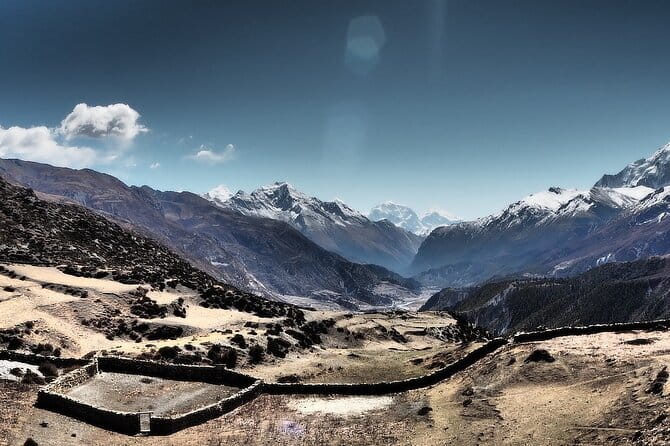
Your start is early—around 6:15 AM—with pickup from Kathmandu. From there, you’re looking at a scenic bus ride through the Kathmandu valley region toward Bhulbhule via Besisahar, then a shared jeep transfer to connect you with the trek route.
This kind of first day can be either “you barely get going” or “you get your legs warmed up.” Here, it’s the second one. Even if the riding time is long, the schedule keeps you moving toward the mountains instead of spending the day sightseeing. Practical win: you’re not on your own for the transition from city to trail.
What I’d watch for: you’re up early. The trek itself is demanding, so make that first morning count by keeping your evening in Kathmandu calm and your packing simple.
Chame and the rhododendron forests: when the trail turns photogenic
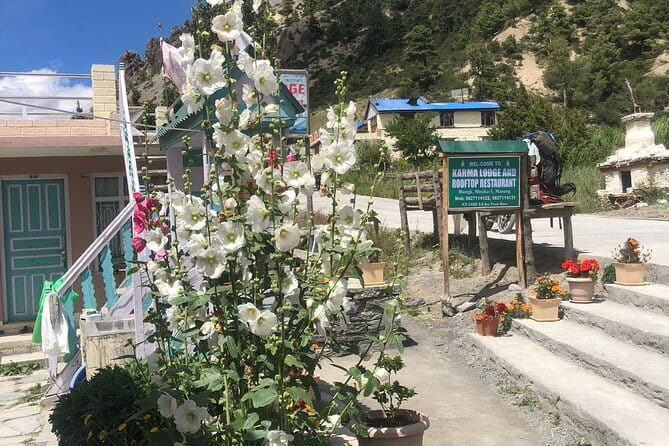
After the first transfer day, the circuit starts to feel like Nepal in layers. You’ll trek into cooler alpine terrain and pass through Tibetan villages like Bagarchhap and Danakyu. Apple orchards show up along the way, which is a nice reminder that this is not just a rock-and-ice show—people farm here, live here, and build lives around the seasons.
Then Day 3 shifts the mood. You move through dense rhododendron and pine forests, with meadows and steep climbs mixed in. Suspension bridges start to appear as you cross small valleys, and you’ll reach Paungda Danda, described as a curved rock face.
A realistic note: days like this can be long in time-on-your-feet, even when the elevation gains feel manageable. If your legs tend to tighten early, take the first half of the day easy. You’ll often do better when you save energy for the bridge crossings and the steeper pinch points.
Into Manang: panoramic views today, acclimatization tomorrow
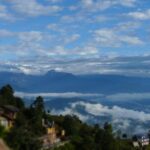
The day toward Manang is framed as a key section of the circuit. You start with flatter walking, then ease into a gradual ascent toward Humde. This is one of those “slow enough to enjoy it” days where the views can land hard—especially with the Annapurna peaks mentioned along the route (Annapurna II, III, and I).
Then comes the real value day: Manang acclimatization. You get a full extra day to adjust at altitude before continuing. That’s huge. On many circuits, people treat acclimatization like a suggestion. Here it’s built into the schedule.
In Manang, you’ll have options like exploring the village, hiking up toward glacial lakes at the base of Gangapurna, or visiting local monasteries. Even if you don’t go far, just having a day where the plan isn’t constantly pushing altitude can make the next segment feel more controlled.
What you might notice on this day:
- If you’re sensitive to altitude, you’ll probably feel it here—not on the summit day.
- You’ll benefit from pacing yourself and staying hydrated, because your goal is to arrive at the pass day feeling prepared, not rushed.
Yak Kharka to Thorong Phedi: steady climb, fewer excuses
After Manang, the trek pushes into the high trail rhythm. Day 6 heads to Yak Kharka, passing through local settlements and cultivated farmlands. The ascent is described as steady but moderate, which is trekking-speak for: you’ll work, but you shouldn’t feel like you’re sprinting upward.
Suspension bridges return here too, and that variety helps. You’re not just staring at a single kind of trail surface. You’ll cross and continue, and that keeps the mind from locking into “just get through this.”
Day 7 aims for Thorong Phedi. The walk is described as about 4–5 hours, and altitude slows you down. This is where “moderate physical fitness” really shows up. Not because you have to be an athlete, but because your pace will be forced to slow by the air. Your best strategy on a day like this is steady effort: short breaks, drink water, and keep walking.
You’re also moving into the staging area for the pass. In practice, that means your next day matters more than your pace today.
Thorong La Pass and Muktinath: the 3 AM day that defines the trip
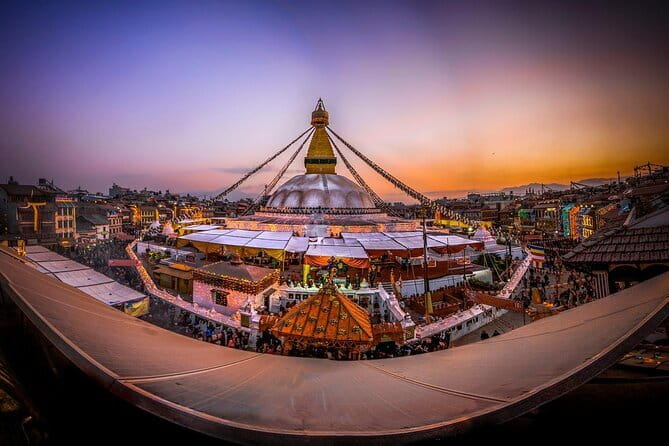
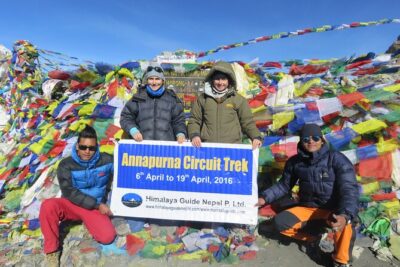
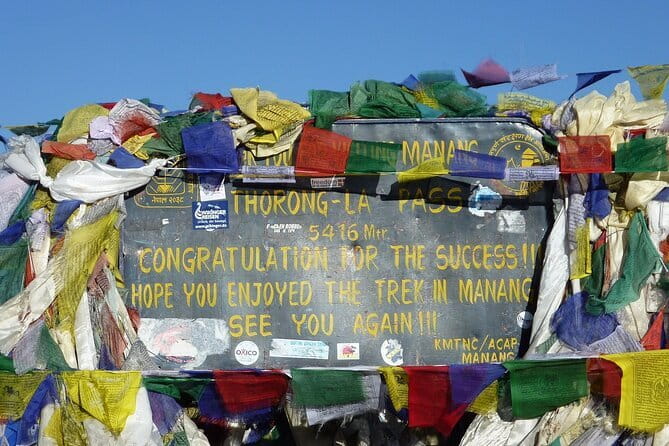
Day 8 starts around 3 AM. That early push is for one reason: Thorong La Pass is the highest point on the route at 5,416 meters, and you want enough daylight for the climb and descent.
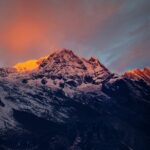
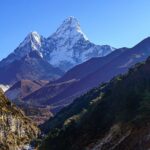
This is the day most people remember, and it’s easy to see why. The plan is built for that summit moment—early start, slow pacing because the air is thin, and panoramic views at the top. Then you continue on to Muktinath, where the temple experience is part of the route’s meaning, not just a bonus stop.
A key consideration: this day is physically and mentally demanding. Even with guides and pacing support, you need to expect slower going. The win is that the schedule is set up so you’re not trying to solve logistics at the same time you’re fighting altitude.
Pokhara finish: coming down, and letting your body breathe again
After the hard part, the trip eases into a completion day. Day 9 shifts from trekking to transport. You’ll travel from Muktinath to Pokhara by jeep or bus. The drive includes scenic views of the lower Mustang Valley as you descend.
Once in Pokhara, you’ve got a well-deserved landing pad. This is where your body can stop bracing for elevation changes and start returning to normal life for a day. It’s also a great time to reflect on what mattered: the acclimatization day in Manang, the patience on Thorong Phedi, and the early summit push.
The value question: is $880 fair for what you get?
At $880 per person, the big value isn’t that the price is cheap. It’s that a lot of the annoying stuff is handled. You get:
- 8 nights tea house accommodation (twin sharing during the trek)
- All necessary trekking permits
- A licensed English-speaking guide, with an assistant guide for groups of 8+
- First-aid medical kit and emergency evacuation support via your travel insurance
- Local transport from Kathmandu to Dharapani and from Muktinath to Pokhara
- 8 breakfasts, 8 dinners, 9 lunches during the trek
- Luggage storage during the trek
For me, this is “less mental load.” When permits, permits paperwork, and basic meal structure are taken care of, you spend your attention on walking, hydrating, and enjoying the route instead of chasing details.
One cost item to plan for: porters are not included, but they’re available at $240 per porter (1 porter for every 2 trekkers). If you’re bringing extra gear or you want to protect your knees on the higher sections, it’s worth considering early rather than at the last minute.
Also note what’s not included: your Nepal entry visa, international airfare, travel and medical insurance, and Kathmandu/Pokhara accommodations outside the trekking nights.
Guides, safety, and that hands-on feel
Recreation Holidays emphasizes professional, experienced guides and personalized care. They also provide a first-aid medical kit, plus emergency evacuation support tied to your travel insurance. That combination matters because the circuit is not a gentle walk.
The guide factor is especially important on the pass day. When you’re moving slowly at high altitude, good pacing beats heroics. The itinerary includes acclimatization and a planned staging day, so your guide role is not just pointing the way—it’s keeping you on a smart schedule.
One more detail I appreciate: luggage storage during the trek. That reduces the temptation to carry too much “just in case,” which can turn a hard climb into an extra-heavy burden.
How hard is this trek, really?
The tour calls for moderate physical fitness. That’s consistent with the structure: multiple trekking days, a big ascent arc toward Manang, and then the long pass day centered on Thorong La.
The hard truth is altitude. Even with good planning, reaching 5,416 meters means your body will slow down. If you’re prone to headaches, nausea, or shortness of breath at altitude, be extra honest with yourself before you go. If you want the trip to feel exciting rather than scary, prioritize a conservative pace and use the acclimatization day seriously.
If you’re the kind of traveler who enjoys:
- walking every day (not “one hike per trip”)
- tea house stays
- cultural village stops
- and a clear goal day like Thorong La
…then this trek fits your style.
Should you book this 9-day Annapurna Circuit with Recreation Holidays?
I’d book it if you want a well-run, guided Annapurna Circuit that reduces logistics headaches. The value is strong because permits, guides, tea house accommodation, most meals, and key transport segments are included. The acclimatization day in Manang is also a big credibility signal: it’s not an afterthought.
I would think twice if you’re looking for a laid-back vacation vibe. This is a trekking route with real altitude pressure, long walking days, and an early 3 AM summit push. You’ll get plenty of mountain payoff, but you must bring patience and basic fitness.
If you want the classic circuit experience without micromanaging every detail, this plan has the bones to deliver that.
FAQ
What is the duration and price for this Annapurna Circuit trek?
The trek is about 9 days and costs $880.00 per person.
Do I get pickup from Kathmandu?
Yes. Pickup is offered, and the start time is listed as 6:15 am.
What accommodation is included during the trek?
The tour includes 8 nights of tea house accommodation, twin sharing, during the trek.
Are meals and permits included?
Yes. All necessary trekking permits are included, and meals include 8 breakfasts, 8 dinners, and 9 lunches during the trek.
Is a porter included in the price?
No. Porter services are available upon request for $240 per porter, and the listing notes 1 porter for every 2 trekkers.
How high do we reach on this trek?
The highest point is Thorong La Pass at 5,416 meters.
Is free cancellation available?
Yes. Free cancellation is available up to 24 hours in advance for a full refund.