REVIEW · KATHMANDU
Annapurna Circuit Trek
Book on Viator →Operated by Nepal Trail Finder Treks & Expedition · Bookable on Viator
A high pass feels close here. The Annapurna Circuit Trek with Tilicho Lake strings together Tibetan villages, big Himalayan crossings, and culture in one trip, including Thorong La Pass and Tilicho Lake.
I like how the scenery and daily life change fast with elevation, from subtropical valley life to high, dry mountain air. I also like the way the trip handles the details for you: permits are covered and meals are planned, so you spend your energy hiking instead of sorting logistics. One thing to consider: you’re aiming for a very high pass (over 5,400m) and a long day, so this is not a “casual walk” trek.
In This Review
- Key Highlights You’ll Care About
- Annapurna Circuit With Tilicho Lake: Why This Route Still Gets Chosen
- Getting Started in Kathmandu: Setup That Actually Helps
- From Kathmandu to Jagat to Danakyu/Dharapani: Starting the Trek Without a Shock
- Chame, Pisang, Ghyaru, Manang: Where the Trek Builds Real Momentum
- Ledar and Thorong Phedi: The Last Steps Before the Pass
- Thorong La Pass Day: What It Really Feels Like
- Tilicho Lake, Muktinath, Marpha, Tatopani: Stops With Character
- Poon Hill, Ghorepani, and the Gurunghe Hill View: Sunrise Worth the Early Wake-Up
- Food, Tea, Lodging: The Real Comforts (and What You’ll Need to Bring)
- Guides, Permits, and Paperwork: Less Hassle for You
- Getting Around Nepal: Drives, Bus Time, and One Flight
- Price and Value Check: Is $1,175 a Fair Deal?
- Who Should Book This Trek, and Who Should Think Twice
- Should You Book This Annapurna Circuit Trek?
- FAQ
- How long is the Annapurna Circuit Trek with Tilicho Lake?
- What is the price per person?
- Does this trek include pickup?
- What permits are included?
- Are meals included during the trek?
- What kind of lodging do you get?
- What is the start time for the experience?
- Is there free cancellation?
Key Highlights You’ll Care About
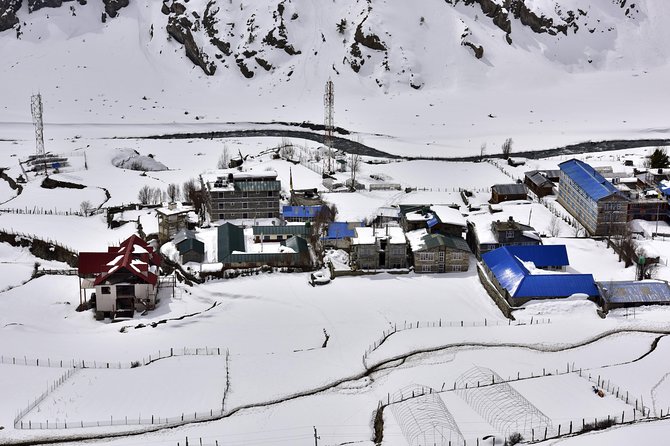
- Thorong La Pass at 5,416m: the day everyone plans for, with a big payoff after the climb
- Tilicho Lake detour: an extra altitude-flavored experience that adds variety to the circuit
- Muktinath Temple stop: a major religious place on the trek’s route through the highlands
- Tatopani hot springs: a practical recovery stop after harder walking days
- Permits handled (TIMS + ACAP): less paperwork stress, more time for the trail
- Guide quality like Gyanu: one praised guide name in feedback was Gyanu, noted for warmth and patience
Annapurna Circuit With Tilicho Lake: Why This Route Still Gets Chosen
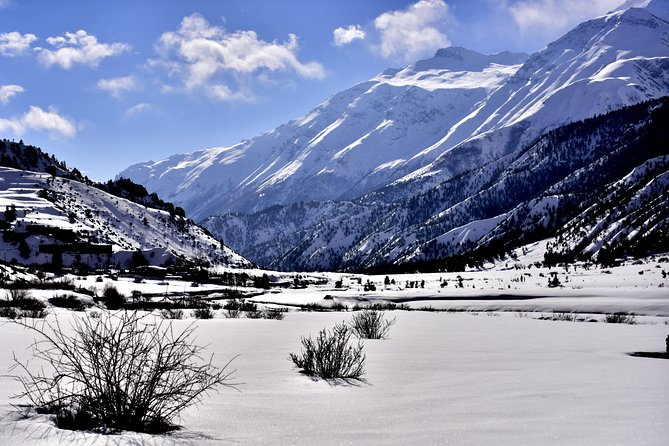
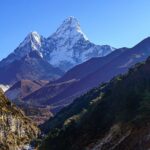
This trek is a classic for a reason. You don’t just hike through one kind of mountain scenery. You move through multiple climate zones, from lower subtropical forest and farmlands into colder high-country terrain with serious views and more exposed ridgelines.
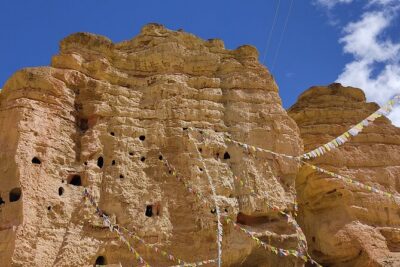
I also like that the culture is part of the plan, not an afterthought. You’ll pass Tibetan Buddhist villages on the way toward Manang, then continue through a region strongly shaped by Hindu traditions as the route heads toward Muktinath. The Annapurna area is all about the meeting point of nature and everyday faith.
And you’ll see why people talk about the Kali Gandaki Valley so much: it’s one of the most dramatic river corridors in the region, with the feeling that the mountains are stacked close together.
You can also read our reviews of more hiking tours in Kathmandu
Getting Started in Kathmandu: Setup That Actually Helps
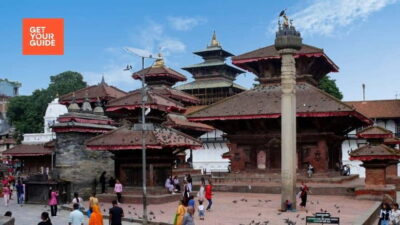
Your trip begins in Kathmandu at about 1,350m, then you’ll spend a day on sightseeing and trek preparation. That time matters. Even if you’ve already traveled to Nepal, Kathmandu can still feel like a sensory overload—traffic, noise, busy streets. A planned prep day gives you a calmer runway before you start climbing.
The tour includes hotel nights in Kathmandu and Pokhara on a bed-and-breakfast basis, so you have a predictable place to sleep before and after the walking. And pickup is offered, which is a real win if you land tired and would rather not start the adventure with phone calls and confusion.
One practical tip: Kathmandu weather can be unpredictable. Pack a reliable rain layer, plus something warm for the evenings, even if daytime feels mild.
From Kathmandu to Jagat to Danakyu/Dharapani: Starting the Trek Without a Shock
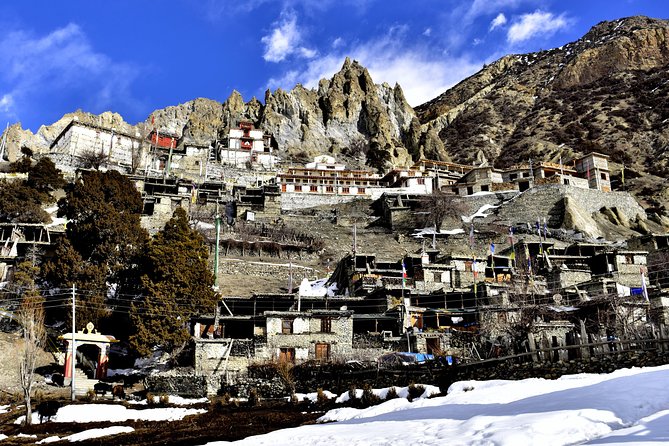
After your Kathmandu prep, you’ll take local transport from Kathmandu to Jagat (around 1,300m) and it’s a long transfer day. That’s normal on the Annapurna Circuit: you’re trading hours in a vehicle for getting deeper into the trail corridor.
On the next walking day, you hike up to Danakyu/Dharapani (about 2,300m). This early push is short compared to what comes later, but it’s a good acclimatization start. You gain elevation without immediately jumping into the hardest kind of day.
I like this approach because it gives your body time to learn the rhythm: steady movement, frequent pauses, and a habit of drinking water even when you don’t feel thirsty yet.
Chame, Pisang, Ghyaru, Manang: Where the Trek Builds Real Momentum
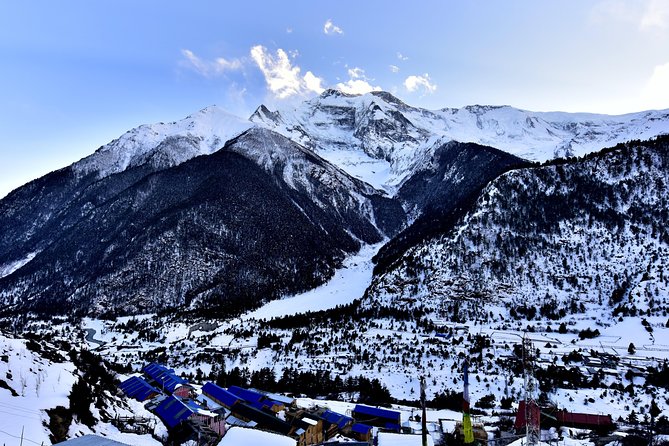
As the route climbs, you move through several villages that give the trek a sense of progression:
- Up to Chame (about 2,670m)
- On to the upper Pisang area (around 3,300m)
- Through Ghyaru and onward to Manang (about 3,540m)
This is where the cultural feel gets stronger. Manang is known for Tibetan Buddhist influence, and you’ll notice it in how people live, worship, and talk about the mountains. The villages in this belt are also where you’ll start seeing more trekkers’ habits: who acclimatizes well, who pushes too hard, who listens to their body.
Then you get something valuable: a rest day in Manang. That isn’t wasted time. Manang sits at a height where altitude can start to feel real. A built-in pause helps reduce the chances you’ll pay later with headaches, low energy, or worse sleep.
In practical terms, use that rest day to:
- Keep your movement gentle
- Drink and eat regularly
- Avoid alcohol and heavy distractions if you’re prone to altitude headaches
Ledar and Thorong Phedi: The Last Steps Before the Pass
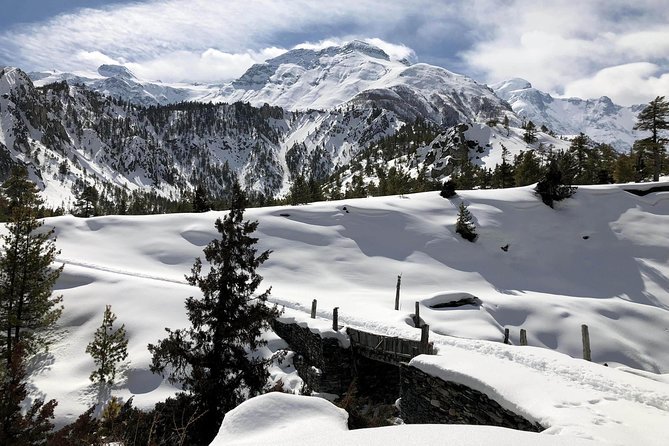
After Manang, the trek starts to look more like “mountain climbing logistics,” even though you’re still hiking.
You go to Ledar (about 4,200m) and then to Thorong Phedi (around 4,450m). These days are shorter in walking time than later, but the air is thinner and your pace will naturally slow. That’s fine. Your goal isn’t to win the trek; it’s to arrive at the pass day with enough fuel.
This is also where your gear needs to be in good order. If you have blisters, poor-fitting socks, or a jacket that doesn’t block wind, fix it here, not on the morning of Thorong La. Wind at altitude is no joke.
Thorong La Pass Day: What It Really Feels Like
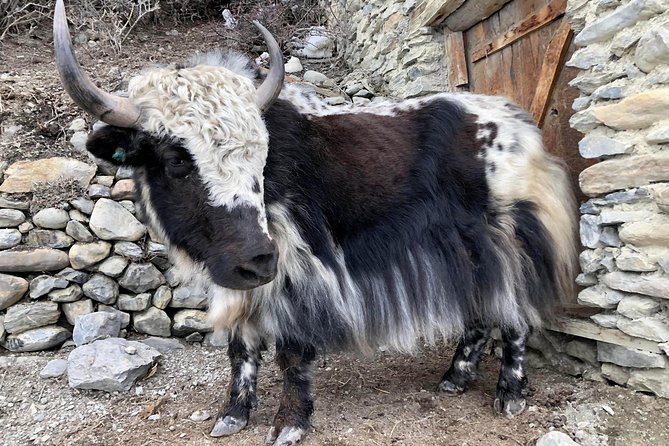
The pass day is listed as about 8 hours for the climb to Thorong-La Pass (5,416m), followed by trekking down toward Muktinath. Even if your exact time changes with weather and your fitness, the structure stays the same: start early, move steadily, then descend once you’ve crossed.
This is the day with the biggest “should I have acclimatized better?” question. If you rested well in Manang, drank enough, and didn’t overdo the last few hikes, you’ll likely feel strong enough to keep moving.
If you’re thinking about the pass day, here are the things I’d watch most:
- Your breathing and energy on the climb, not the calendar
- Whether you’re nauseated or lightheaded (if yes, slow down immediately)
- How quickly you cool down as you move higher
It helps to remember: you’re not just walking uphill. You’re crossing from one high valley world into another. The air changes, the views expand, and the wind can shift your comfort fast.
Tilicho Lake, Muktinath, Marpha, Tatopani: Stops With Character
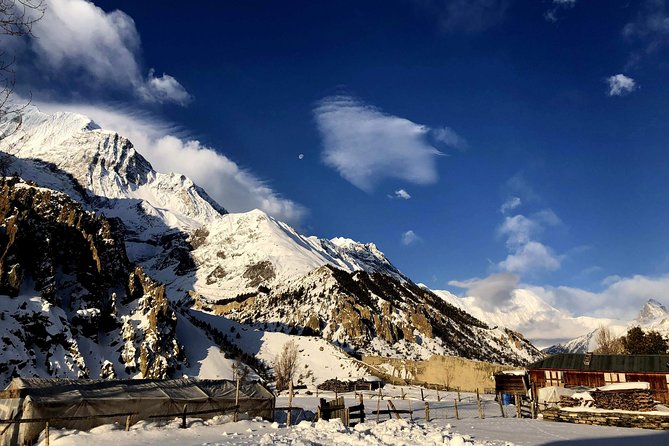
This trek isn’t only about the pass. It’s about variety across religious places, valley towns, and recovery points.
Tilicho Lake adds a dramatic twist. You’ll go high and feel the starkness of the high country. Lake days can also be weather-sensitive, so I’d plan to bring gear that handles wind and cold, and expect conditions to change faster than you want.
Muktinath is a major spiritual stop. You’re moving through a Hindu journey village here, and the temple setting makes the whole day feel different from a typical hiking-only experience. You’ll also feel the contrast between the high pass crossing and the slower rhythm of a pilgrimage route.
Then comes Marpha, known for its compact village feel with religious community life, slender cobbled roads, and apple plantations. This is the kind of stop that makes the trek feel lived-in, not like a scenic conveyor belt.
And when you reach Tatopani, you get a very practical prize: hot springs. After hard hiking days, soaking is one of the few recovery tools that can feel instantly effective. Even if you keep the soak short, it often helps your legs feel less tight.
Poon Hill, Ghorepani, and the Gurunghe Hill View: Sunrise Worth the Early Wake-Up
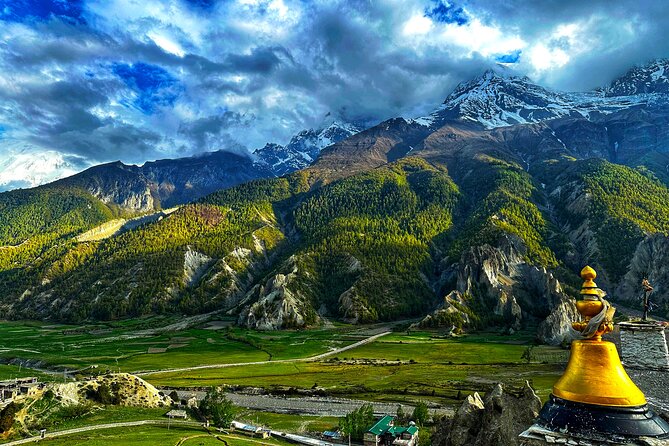
Later in the trek, you’ll connect with the Poon Hill viewing area via Ghorepani (and the Gurunghe Hill viewpoint). This is where the trip becomes a peak-booking machine.
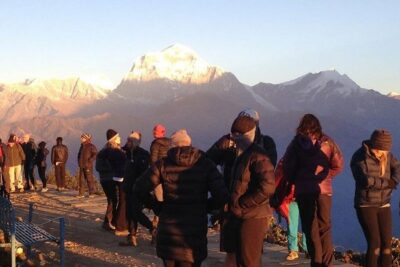
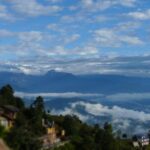
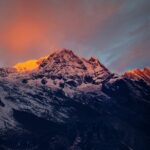
From Poon Hill, you can catch views of more than 20 major mountains in the Annapurna and Dhaulagiri ranges. That kind of panorama is the reason hikers wake up before sunrise, even when they’d rather stay asleep with warm layers.
A realistic note: sunrise quality depends on clouds and wind. If the sky is clear, the view can be incredible. If it’s hazy, you’ll still get atmosphere and scale, but don’t expect every peak to look equally sharp.
Food, Tea, Lodging: The Real Comforts (and What You’ll Need to Bring)
The trekking portion is set up with real meal support. The trip includes:
- Coffee and/or tea with each meal
- Breakfast, lunch, and dinner where you’re staying, with menu choices in each place
I like this because trekking food is more than calories. It’s also comfort and routine. When your meals are structured, you’re more likely to eat enough during the days that feel hardest.
For lodging, you’ll stay in mountain accommodations in private/share rooms and single/double options depending on availability. In Kathmandu and Pokhara you’ll have hotel beds on a bed-and-breakfast basis.
One thing to consider: meals in Kathmandu and Pokhara aren’t included, so you’ll want some extra cash for those days. Also, snacks aren’t included, and soda/pop and alcohol aren’t included either. If you like a steady supply of electrolytes or small treats, pack them or plan to buy locally.
Guides, Permits, and Paperwork: Less Hassle for You
The trip includes a highly experienced government registered guide and porter, plus a first aid box. It also covers the paperwork: TIMS cards and the ACAP permit. That’s one of the biggest “hidden value” parts of trekking here, because getting permits wrong can turn into a major headache.
One name you’ll hear in feedback is Gyanu, praised for expertise, warmth, patience, and dedication. Even if your own guide isn’t Gyanu, the key point is this: you’re not walking solo through permit systems and local rules.
I’d still recommend you keep copies of key documents on you, even when the tour handles the formal side. A little redundancy helps.
Getting Around Nepal: Drives, Bus Time, and One Flight
This trek is mostly hiking, but your beginning and end include long travel days.
After the pass and descent to the highlands’ lower side, you’ll drive to Pokhara for about 6–7 hours. Then you’ll go from Pokhara back to Kathmandu by tourist bus for about 8 hours. Finally, you fly out from Tribhuvan International Airport.
That adds up. Even though you’ll be tired from hiking, the travel itself needs recovery time. Bring something for motion comfort, and keep your energy snacks handy for bus rides.
Price and Value Check: Is $1,175 a Fair Deal?
At $1,175 per person, the value comes from what’s included that many people otherwise pay for separately. This trek bundles:
- Mountain and city accommodations (with Kathmandu and Pokhara hotel stays on bed-and-breakfast)
- Guide and porter (with salaries, equipment, food, lodging, and insurance)
- Permits (TIMS and ACAP)
- Meals during trekking (with tea/coffee)
- An air-conditioned vehicle as part of the transfer support
- Farewell dinner and a souvenir
What’s not included is also clear: Nepal visa fee, international airfare, travel insurance, tipping/donations, and personal expenses. Snacks and alcohol/soda are also on your side.
So when I look at the price, I don’t just see a number. I see stress removal. You’re paying to have permits handled, meals supported, and a trained team carrying your gear. If you were trying to stitch this together on your own, the costs and time would usually balloon.
Who Should Book This Trek, and Who Should Think Twice
This trek is built for people with moderate physical fitness. That doesn’t mean easy. It means you can handle daily walking, adjust to altitude, and keep a steady pace.
It’s a strong match if you want:
- A full circuit experience through different valleys
- A cultural mix across Buddhist and Hindu-influenced areas
- The big-name rewards: Thorong La, Muktinath, Tatopani hot springs, and sunrise views from Poon Hill
Think twice if:
- You’re worried about altitude or get sick easily with elevation
- You don’t handle long travel days well
- You’re looking for a short, gentle hike
Also, good weather matters. The experience notes that it requires good conditions, and if it’s canceled due to weather, you’ll be offered a different date or a full refund.
Should You Book This Annapurna Circuit Trek?
If you want a serious Nepal trek that still feels human and varied, I think this is a strong booking choice. The biggest reasons are practical: permits and guide support are handled, food is structured, and you get multiple meaningful stops instead of one long grind.
If you’re the type who wants control and flexibility day to day, or you’re nervous about the pass altitude, you might prefer a shorter route that climbs less aggressively. This circuit asks for stamina and smart pacing.
If you do book, prepare for the long pass day, bring windproof layers, and treat your Manang rest day like part of the climb, not time to waste.
FAQ
How long is the Annapurna Circuit Trek with Tilicho Lake?
It’s listed as 14 days approximately.
What is the price per person?
The price is $1,175.00 per person.
Does this trek include pickup?
Pickup is offered.
What permits are included?
The trip includes necessary documents and paperwork, including TIMS cards and an ACAP permit.
Are meals included during the trek?
Yes. You’ll get coffee and/or tea with each meal, plus breakfast, lunch, and dinner during the trekking portion (with menu choices in each place). Meals in Kathmandu and Pokhara are not included.
What kind of lodging do you get?
In Kathmandu and Pokhara, you’ll stay in hotels on a bed-and-breakfast basis. In the mountains, lodging is listed as private/share and single/double rooms.
What is the start time for the experience?
The meeting point start time is listed as 12:15 am.
Is there free cancellation?
Yes. You can cancel up to 24 hours in advance for a full refund. Weather also matters, and poor weather can lead to a date change or a full refund.
If you want, tell me your hiking background (how many days you’ve done at altitude, and your comfort with long uphill days), and I’ll sanity-check whether this specific pacing and Thorong La day feel like a good match for you.