REVIEW · KATHMANDU
20 Days Annapurna Circuit Trek
Book on Viator →Operated by The Great Adventure Treks & Expedition - Private Day Tours · Bookable on Viator
One pass turns Nepal from green to sand. The 20-day Annapurna Circuit trek delivers that wow factor fast: lush terraces and forests in the early stretches, then a clear climb into colder, drier high-altitude terrain, culminating at Thorong La Pass (5,416m). I also love how it mixes everyday village life with big scenery—tea-house stops, prayer flags, and a real sense of moving through communities rather than just hiking past them.
I especially like the way the route builds rhythm. You get real acclimatization in Manang, then you’re not just thrown at the highest day, and later you can finish with a low-effort bonus at Poon Hill for sunrise views. The trek stays private with a licensed guide and a porter, so you can ask questions about pace, food, or altitude without it getting swallowed by a crowd.
One possible drawback: the pass day starts early and the trail can feel steep and cold. If you’re even slightly on the edge with stamina or you’re prone to altitude issues, plan on taking it slow and doing what your guide recommends.
In This Review
- Key highlights worth planning for
- Kathmandu temple circuit before the trekking starts
- The long ride to Syange: how the trek actually begins
- Besisahar to Chame and Pisang: forests, steep bits, and first real peak drama
- Manang acclimatization day: why rest helps more than you think
- Yak Kharka to Thorong High Camp: thinning air and mountain-name power
- Thorong La Pass (5,416m) and the descent to Muktinath
- Kaligandaki River valley days: Marpha, Lete, and the village rhythm
- Tatopani to Ghorepani: arid changes to pine, plus a suspension bridge moment
- Poon Hill sunrise, Pokhara lakes, and a smooth end back down
- Price and what you really get for $1,200
- Who this trek fits best—and who should think twice
- Should you book this 20-day Annapurna Circuit trek?
- FAQ
- What is the duration of the Annapurna Circuit trek?
- What time does the experience start?
- What does the tour include in terms of transportation?
- Is a guide and porter provided?
- Are permits included?
- What meals are included?
- Are temple entry fees included in Kathmandu?
Key highlights worth planning for
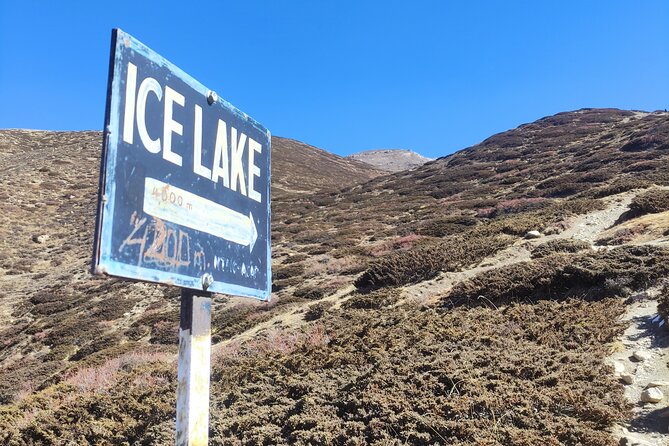
- Thorong La Pass at 5,416m: the headline moment, scheduled early to beat the worst cold wind.
- Manang acclimatization day: a full day to adjust before higher, thinner air.
- Green-to-desert change: you’ll watch vegetation shift as you gain altitude.
- Kaligandaki River canyon scenery: dramatic valleys with constant mountain views.
- Poon Hill sunrise option: short hike, big panorama payoff.
- Private, guided support: a licensed guide plus porter support with a 25 kg limit.
Kathmandu temple circuit before the trekking starts
Your trip starts in Kathmandu with the kind of cultural warm-up that makes the trek feel more grounded. You’ll land at Tribhuvan Airport, meet the Great Adventure Treks representative outside the terminal, and head straight to your hotel with airport pickup and drop handled.
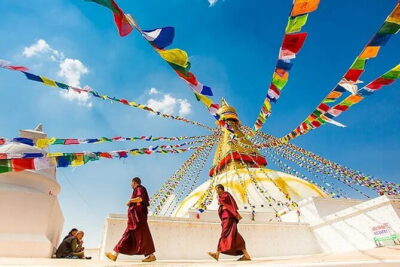
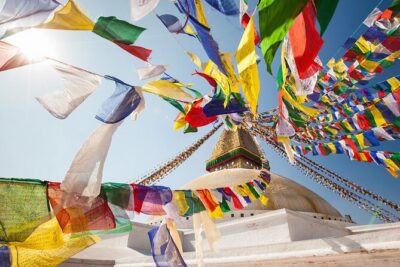
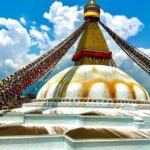
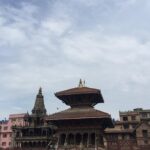
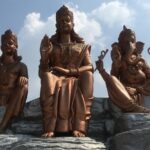
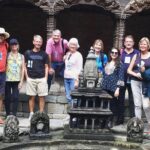
Next comes a Kathmandu sightseeing day by car, with stops at major spiritual landmarks. Pashupatinath Temple sits on the Bagmati River and is one of the most well-known Hindu pilgrimage sites in the world. Boudhanath Stupa is the big Buddhist counterpoint, famous for its calm atmosphere and huge stupa that anchors the area. You’ll also visit Kathmandu Durbar Square, where the old royal center still shows off intricate stonework and heritage architecture.
I like this setup because it does two things at once: you get your orientation fast (time zone, traffic, basic logistics), and you also build an understanding of the belief systems you’ll keep seeing in smaller ways on the trail—prayer flags, chortens, and village shrines.
Small heads-up: temple entry fees are not included, so if you’re not sure what you’ll need, bring extra cash just for those specific sites.
You can also read our reviews of more hiking tours in Kathmandu
The long ride to Syange: how the trek actually begins
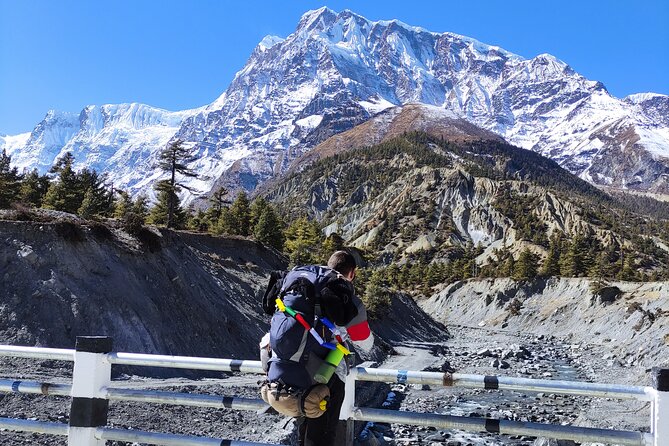
After an early start, you’ll transition from Kathmandu’s city feel to the trekking corridor. You’ll take a scenic drive that follows the foothills toward the Pokhara highway, and your travel route includes a mix of road segments: regular bus from Kathmandu to Besisahar, then a sharing jeep from Besisahar to Syange.
On paper, “drive days” can sound like downtime. In real life, they matter because you’ll feel the change in altitude and terrain rhythm before you ever put on your boots. Syange sits at about 823m, and it’s a useful first overnight stop before the walking begins in earnest. You’ll have time to settle, repack your daypack, and get your layering right.
For me, the value here is simple: the trek doesn’t start with a brutal day-one shock. You’re already warmed up to the idea of long hours and changing weather. And since this is a private group, the schedule stays more flexible than on huge group tours—use that flexibility to rest properly.
Besisahar to Chame and Pisang: forests, steep bits, and first real peak drama
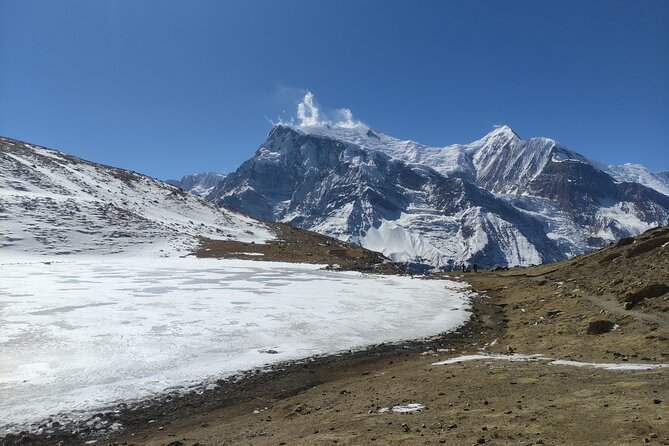
Trekking starts from the Besisahar area, with scenery that immediately mixes gorge views and terraced hills. The trail initially feels steep for a short segment, but then you’re rewarded with lush farm terraces and a slower rhythm where you can settle into walking.
From there, you’ll move toward villages like Dharapani and eventually Chame. This stretch is where you start to feel the vegetation shift. As the air cools, the route transitions from lower green slopes toward forests that feel more “mountain” in character, with cooler temperatures and a more rugged, high-hill feel.
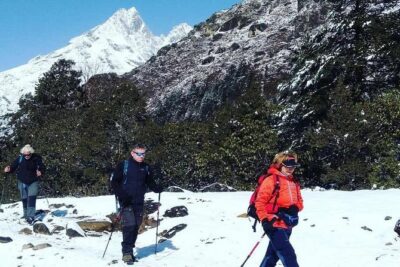
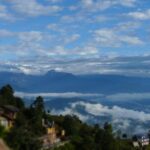
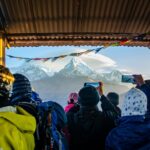
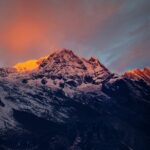
Then comes Pisang (around 3,200m), and this is where the scenery often snaps into sharper focus. The path follows the northern bank of the river at points, and the views begin to look more serious—big, snow-dusted peaks showing themselves more clearly as you gain elevation.
A practical note: early in the trek, pacing matters more than speed. Even if you feel good, keep your effort steady. This is the stretch where smart beginners start “saving legs” for later days, especially when the pass approaches.
Manang acclimatization day: why rest helps more than you think
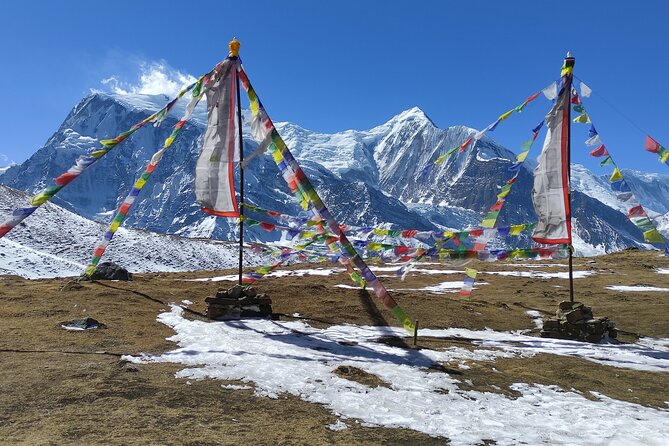
Manang is one of the best places to slow down on the Annapurna Circuit. You’ll spend a full day acclimatizing, and that’s not filler time—it’s training for the higher stages ahead.
Manang sits at about 3,500m, and it’s known for its flat-roofed houses tucked into spectacular mountain scenery. You’ll have time to explore the village and absorb the altitude reality before the trail pushes higher. You also get a break from long trekking hours, which helps you avoid the common mistake of treating acclimatization as optional.
I like this day because it gives you an “altitude checkpoint.” You can test how you feel while moving around at local pace: breathing comfort, sleep quality, appetite, and how your body handles small climbs. If anything feels off, your guide can adjust the plan for the next section.
And if you’re coming from a low-altitude lifestyle, this is where you learn the most important trekking skill on the circuit: moving slower can actually make you fitter, not just less tired.
Yak Kharka to Thorong High Camp: thinning air and mountain-name power
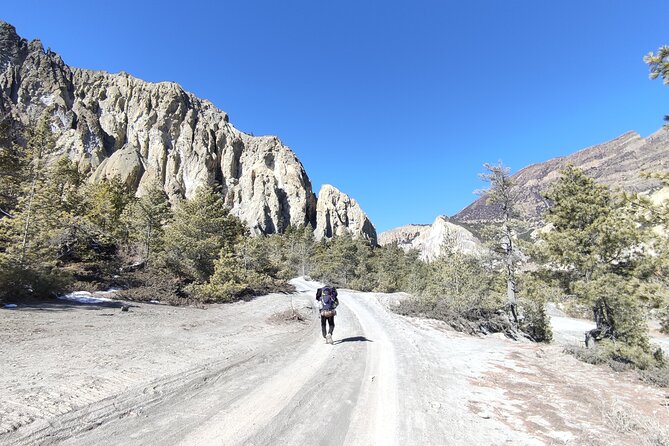
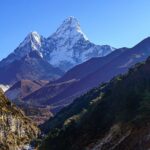
After Manang, the trek turns more dramatic. The route heads toward Yak Kharka, with a gradual climb and big views that often include Annapurna II, Gangapurna, Tilicho, and the close-up presence of Chuli peaks. The scenery here is less about forests and more about openness—barren stretches where your legs work harder but the air feels sharper.
Then you’ll reach the Thorong High Camp viewpoint area, after a slow climb that leads to the last settlement at Ledar. This part of the journey tends to feel like the landscape shifts again: less greenery, more stark rock-and-sky hiking. Your reward is scale—you’ll see peaks in layers, often with a stronger sense of depth.
This is also a key sleep-and-fuel phase. You’re getting closer to the pass day window, so hydration, warm clothing, and simple eating habits matter. If cold nights are a thing for you, plan on layering up and taking wind seriously. The higher you go, the more “just a breeze” becomes your enemy.
Thorong La Pass (5,416m) and the descent to Muktinath
This is the day you remember. You’ll start early after breakfast so you can reach the top before the cold wind ramps up. The trail can feel strenuous at the beginning, with steep sections early on, and then a steady effort that asks for patience more than heroics.
When you’re near the pass, the air feels thinner and every movement takes more breath. The payoff is the kind of summit view that makes the whole trek click. Even if you’ve hiked passes before, this one feels like a milestone.
After crossing, you descend toward Muktinath (about 3,800m). The descent is long, and it can be one of the trek’s biggest days in terms of total effort. When you reach the lower zone, you’ll find teahouse options for refreshment, which is exactly what you want after hours in thin air.
Muktinath also brings a spiritual shift. It’s a sacred village, and it adds meaning beyond the altitude accomplishment. You’re not only moving across a mountain; you’re arriving at a place that people come to for a long time.
Heads-up: Muktinath isn’t listed with an entry fee in your provided details, but nearby site fees in the Kathmandu portion are not included, so keep that habit of carrying cash.
Kaligandaki River valley days: Marpha, Lete, and the village rhythm
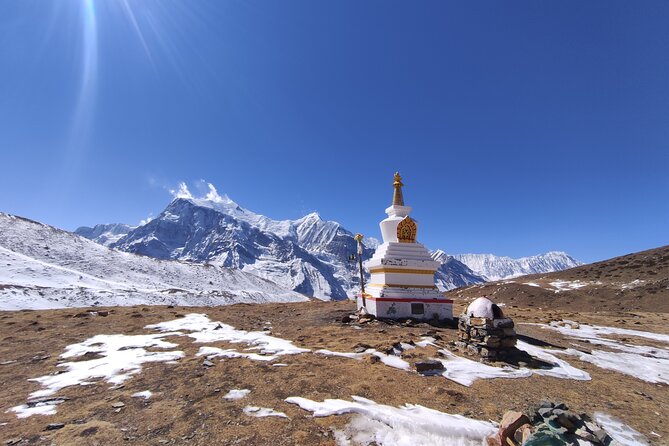
After Muktinath, the trek eases down to the Kaligandaki river valley floor. You’ll descend about 1,200m to the river area, with a stop at Ekale Bhatti along the way. Ekale Bhatti is described as a lonely teahouse settlement, which is exactly the vibe you want on a recovery-style walking day: quieter trails, fewer crowds, and a calmer pace for your body.
Then you’ll move through areas like Marpha, and later toward Lete. This mid-trek section stays enjoyable because the walking can feel more “village to village.” Lete sits near the path that follows Kali Gandaki downstream, and from this general area you can catch spectacular views with towering peaks rising above the valley.
As you walk, watch for the way the mountains frame the trail. The Annapurna Circuit doesn’t feel like one long straight line; it feels like a series of dramatic corridors where your viewpoint changes constantly. One valley turn can show you a new peak angle.
Tatopani to Ghorepani: arid changes to pine, plus a suspension bridge moment
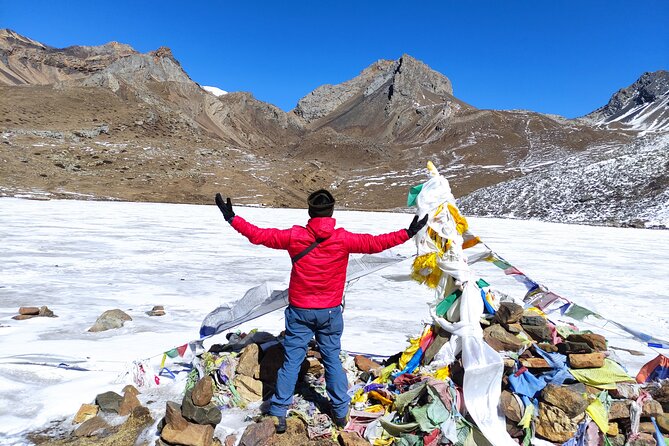
At Tatopani, you’ll feel a noticeable shift in vegetation. Starting from the drier, arid high zones, the trail gradually transitions toward pine and conifer forests. The route travels between two major massifs, with Dhaulagiri and Annapurna looming on either side at points, and you may notice the air feels less stark as greenery returns.
Then comes Ghorepani (about 2,860m), where the trail often feels like the circuit’s “final build-up.” During this section, you’ll cross a suspension bridge over the Kali Gandaki River. That’s a classic Annapurna moment because it turns the canyon into an actual stage: you’re walking over it, looking across it, and feeling the scale up close.
This portion is also a good place to tighten your routine. Keep a simple plan for boots, socks, and rain protection. If the weather turns, you’ll want to respond fast instead of waiting until you’re uncomfortable.
Poon Hill sunrise, Pokhara lakes, and a smooth end back down
From Ghorepani, you’ll head toward Tikhedhunga, and if weather permits, you’ll hike about an hour to the top of Poon Hill (around 3,195m). This is the sunrise-style payoff: panoramic views spanning Dhaulagiri, Annapurna, and the Mt. Manaslu range. The best part is that it’s short enough to keep it realistic, but high enough to feel special.
After the hiking, you’ll reach Pokhara after trekking through rural farm villages and some waterfall scenery along the way. Pokhara gives you a well-earned change of tempo. You’ll have a leisure day to explore the lakes—Phewa Lake, Begnas Lake, and Rupa Lake—depending on what you want to do with your time.
Finally, you’ll drive back to Kathmandu. The drive route passes scenic hills and viewpoints along the way, including sights around the Trisuli and Marsyangdi rivers, and you’ll be transferred back to the meeting point. You’ll also have an airport transfer around 3 hours before your flight, which is the kind of buffer that prevents end-of-trip stress.
If you’re hungry for one last highlight after the mountains, Pokhara is a sensible place to reset.
Price and what you really get for $1,200
At $1,200 per person for roughly 20 days, the value comes from what’s baked in versus what you still need to budget separately. Your package includes airport pickup and drop, Kathmandu sightseeing by car, and the main ground connections into the trekking region (bus to Besisahar and sharing jeep onward).
More importantly, you get real trekking infrastructure support. There’s a licensed trekking guide plus a porter with a clear limit: two guests share one porter, carrying a maximum of 25 kg. That matters. It’s the difference between hiking comfortably and dragging gear just to prove you can.
You also get the permits that legalize your trek: Annapurna Conservation Area Project (ACAP) permit and the TIMS card. Those aren’t “extra paperwork”—they’re part of how the trail system works and how conservation is funded.
Meals are also partly covered. Your inclusions list breakfast (18), dinner (15), and lunch (15). You should expect that many trekking days will have planned meals, but drinks are not included, so you’ll still want to budget for water or soft drinks if you’re picky about hydration and electrolytes.
What’s not included is worth noting: visa and international flights, personal expenses, tips for staff, rescue and evacuation costs, and any additional accommodation outside what’s planned. Kathmandu temple entry fees also aren’t included, with specific costs listed for Pashupatinath, Boudhanath Stupa, and Kathmandu Durbar Square.
For some budgets, that means the final total will be a bit higher than the headline price. For most trekking budgets, though, the included guide/porter/permits do a lot to keep your costs predictable.
Who this trek fits best—and who should think twice
This trek is built for people with moderate physical fitness. The itinerary includes a high pass at 5,416m, early starts, steep beginnings on pass day, and a mix of long hiking hours and big altitude changes.
You’ll likely love it if you:
- want a route that tracks the big natural shifts of the Annapurna region
- enjoy villages as much as mountain views
- want structured support with a licensed guide and porter help
- like finishing with a calmer day in Pokhara after harder mountain walking
You should think twice (or plan extra caution) if you:
- get sidelined easily by altitude
- dislike early starts and cold weather days
- need very frequent rest stops and low walking variability
Also, since you’ll be on a private group, it’s easier to match pacing to your comfort. Still, the pass day can’t be made easy by good intentions. Your body needs to be ready for it.
Should you book this 20-day Annapurna Circuit trek?
Yes, if you want the full Annapurna Circuit experience with organized support and a realistic climb-to-pass-to-recovery flow. The combination of Kathmandu orientation, acclimatization in Manang, the iconic Thorong La Pass day, and the finish in Pokhara is a strong mix of challenge and payoff.
No, if you’re searching for a relaxed, low-altitude hike. This route is strenuous at key moments, and the early, cold pass day is not optional in spirit.
My practical decision rule: if you can handle long hiking days and you take altitude seriously, this is a smart way to do it. If you’re unsure, pick a training plan first, then commit.
FAQ
What is the duration of the Annapurna Circuit trek?
The trek runs for approximately 20 days.
What time does the experience start?
The start time is 8:15 am.
What does the tour include in terms of transportation?
You’ll get airport pickup and drop, Kathmandu sightseeing by car, a regular bus from Kathmandu to Besisahar, and a sharing jeep from Besisahar to Syange.
Is a guide and porter provided?
Yes. You’ll have a government-licensed trekking guide and a porter, with a 2 guest to 1 porter arrangement and a maximum porter load of 25 kg.
Are permits included?
Yes. The package includes the ACAP permit and a TIMS card.
What meals are included?
The inclusions list breakfast (18), lunch (15), and dinner (15). Drinks are not included.
Are temple entry fees included in Kathmandu?
No. Entry fees are not included for Pashupatinath Temple, Boudhanath Stupa, and Kathmandu Durbar Square, and the listed costs depend on nationality.