REVIEW · KATHMANDU
Short Everest Base Camp Trek 10 Days
Book on Viator →Operated by Eco Holidays Nepal · Bookable on Viator
Everest, in only 10 days. That is the pitch here: a short trek from Kathmandu where you still hit Everest Base Camp, watch the Khumbu glacier and icefall area, and stop at Sherpa hubs like Namche Bazaar and the Tyangboche monastery.
I love how much of the heavy lifting is handled for you. Kathmandu–Lukla–Kathmandu flights are included, and that saves you from extra travel time before your first serious steps. I also like the way this company leans on strong guiding; names that came up again and again include Pradeep, BK, Dhruba Dharel, and Susil, all praised for setup, safety focus, and making the trek feel smooth.
The main thing to consider is that it is a short itinerary. You still need moderate fitness, and altitude can’t be rushed just because the calendar is. Weather can also play a role in mountain flight timing, so keep your mind flexible.
In This Review
- Key points worth knowing before you go
- Why this short Everest Base Camp plan works for real schedules
- Kathmandu setup: pickup, meeting at Tribhuvan, and how not to overpack
- The Lukla flight and Dhudhkosi valley: fast altitude, fast impressions
- Namche Bazaar: Sherpa capital, markets, and acclimatizing on purpose
- Tyangboche monastery and the Khumbu glacier: where the trek gets serious
- Reaching Everest Base Camp: what you’re really chasing
- Price and value: why $1,690 can make sense for a short trip
- Included meals and tea houses: comfort with trade-offs
- Guides and service: the human part that makes it feel easy
- Who should book this short EBC trek, and who might rethink it
- Should you book this Everest Base Camp trek?
- FAQ
- Where does the trek start?
- How long is the Short Everest Base Camp Trek?
- What flights are included?
- What does the tour include for meals and lodging?
- Do I need a porter?
- What equipment is provided?
Key points worth knowing before you go
- Short route to Everest Base Camp: you get the big sights without a long, multi-week grind.
- Flights to Lukla are built in: less overland time, more time walking and acclimatizing.
- Tea-house trekking with meals included: breakfast, lunch, and dinner are covered, which helps with budgeting and planning.
- Sherpa culture stops are part of the experience: Namche Bazaar and Tyangboche are not just photo stops.
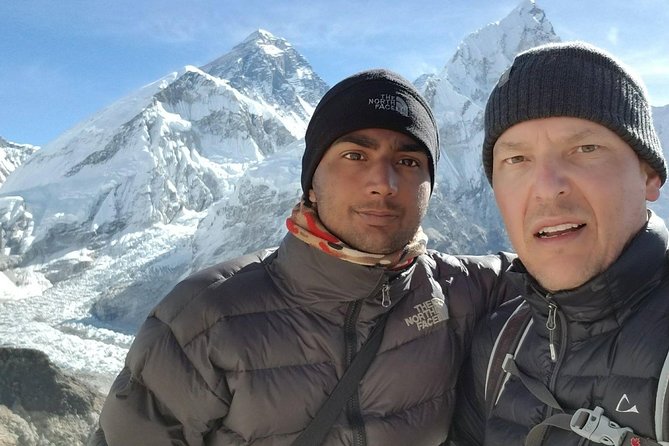
- Guides make the difference: strong reviews name Pradeep, BK, Dhruba Dharel, and Susil for attention to safety and details.
- Weather-aware flexibility: one trip example showed how plans can shift when snow hits, with base camp still delivering.
Why this short Everest Base Camp plan works for real schedules
A 10-day Everest Base Camp trek is not a casual hike, but it is a smart compromise. You still get Mount Everest in your sights and you track through the Everest region’s iconic checkpoints, without spending weeks just getting to the start of the mountains.
What makes this option interesting is the balance between effort and access. You fly into Lukla instead of spending days grinding by road, then you walk into the Everest heartland where you meet Sherpa life, glaciers, and the staging zone near the Khumbu icefall area. If you have only a limited window, this is one of the most direct ways to “go far” without going forever.
You should also know what kind of Everest day you are signing up for. This is the standard base camp goal, not a technical summit attempt. You are there for the drama of altitude, the views of Everest and its neighboring 8000m peaks, and the feeling of being at the foot of the world’s highest mountain rather than chasing a ridge line.
You can also read our reviews of more hiking tours in Kathmandu
Kathmandu setup: pickup, meeting at Tribhuvan, and how not to overpack
Your trek begins at Tribhuvan Airport in Kathmandu. The operator also offers pickup, and they use an air-conditioned vehicle for transfers, which is a nice touch after a long flight day. You get a route map as part of the package, and you’ll receive confirmation at the time of booking.
The practical takeaway: your Kathmandu time should be simple. Since the hotel in Kathmandu is not included, plan to handle your own stay before the trek start (unless you coordinate something separately). Keep your carry-on light and your main trekking kit organized, because you’ll be moving quickly from city logistics to mountain routines.
Packing is where most first-timers either win or suffer. This tour includes essential equipment like a sleeping bag, down jacket, and duffel bag that you get for the trek and then return after you finish. That means you can travel with less weight from home. Still, you will want a plan for personal items that are not included, like bottled water (not included) and basic comforts.
The Lukla flight and Dhudhkosi valley: fast altitude, fast impressions
One of the biggest draws here is the most exciting flight route on the Everest circuit: the trek’s jump-off is Kathmandu to Lukla and then back again at the end. The flights are included both ways, which matters because it removes a major budgeting and scheduling headache for short trips.
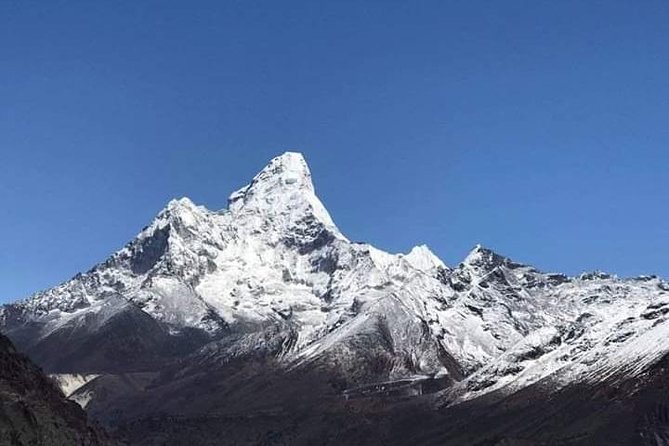
Right after Lukla, you’ll be in the rhythm of the Everest region. Expect views and trekking days that connect into the Dhudhkosi River valley, one of the corridor-feel areas that makes this trek feel like a real journey instead of a straight line to base camp. The river valley helps you picture where you are: you are not just climbing, you are moving through a living geography shaped by the mountains.
A balanced thought: flying into Lukla compresses your timeline. That is great for your calendar, but altitude still asks for patience. Even if you feel fine on day one, don’t treat each day like a race. Save your energy for the long hours of walking and the slower gains in elevation that help you adjust.
Namche Bazaar: Sherpa capital, markets, and acclimatizing on purpose
Namche Bazaar is a key stop on this route, and it earns its place. This is described as the Sherpa capital, and that label matters because it is where you see everyday mountain life meet trekking commerce. You’ll have time to experience the town atmosphere and get your bearings before the trek pushes deeper into the higher zones.
For many people, Namche is also the first real acclimatization moment. In a short 10-day itinerary, these slower-feeling stops are what keep the trip from being only exhaustion. Even if you keep moving, you benefit from having a place to pause, regroup, and understand what your body is doing at altitude.
You’ll likely find the town has a lot of energy compared to the quiet of the trail. That is part of the value. The Everest region can feel intense once you’re far from services, so Namche gives you a human scale: tea, small purchases, and a chance to watch how Sherpa guides and locals prepare for the next stretch.
Tyangboche monastery and the Khumbu glacier: where the trek gets serious
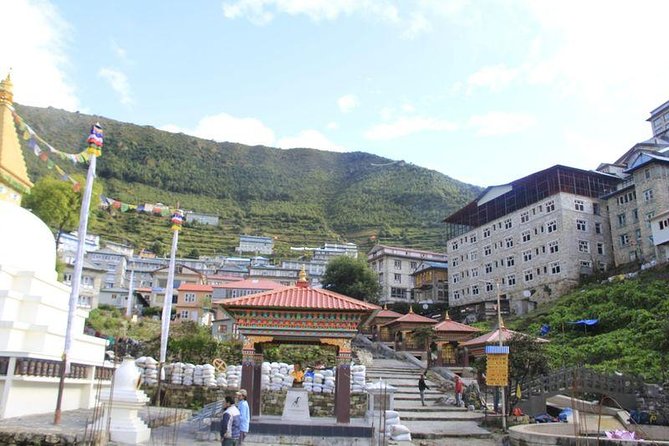
Tyangboche monastery is one of the cultural highlights on this route. You’re not just passing a viewpoint; you are visiting an old monastery tied to the local spiritual landscape. It also tends to be where the journey starts to feel more focused on the mountains themselves.
From there, the trek keeps tightening its focus on the big ice terrain. You’ll reach into the area associated with the Khumbu glacier and the staging zone around the Khumbu icefall. This is the part that most people remember even years later—not because you spend all day staring at ice, but because the scale of it makes everything else feel smaller.
The consideration here is purely practical: icefall country is not where you want to be careless. You’re going to walk in an environment shaped by glaciers and weather, and the trail conditions can change. The best guides keep things simple: steady pace, smart stops, and making sure you’re comfortable and safe. The repeated praise for guides like Pradeep and BK lines up with what you want at this stage: guidance that pays attention to how you’re doing, not just where you’re going.
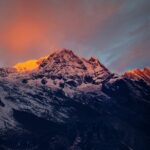
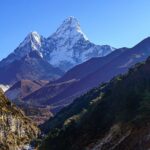
Reaching Everest Base Camp: what you’re really chasing
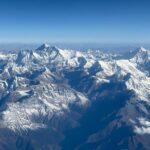
Eventually, the trek lands at the foot of the giant peak Mount Everest. That sounds obvious, but the experience is more specific than the headline. You are seeing Everest and neighboring 8000m peaks from the base camp area perspective, and you’re doing it after days of altitude building in a way that feels earned.
This is also where your short itinerary pays off. Ten days is not enough to turn this into a slow, meditative retreat, but it is enough to feel the transformation from Kathmandu streets to a base camp world. The emotional payoff tends to come from stacking moments: the flight into Lukla, the valley trekking into the bigger Everest region, and then the sense that you’re finally standing where expeditions aim.
What to watch for is how your body responds on your final approach days. If you arrive feeling tired, that is normal. Don’t let disappointment creep in because you aren’t bouncing around. Base camp days are about perspective, breathing, and soaking in the moment at your own pace.
Price and value: why $1,690 can make sense for a short trip
At $1,690 per person, this is positioned as a mid-range organized trek. The real question is what’s included, and here the package covers several expensive and annoying items.
You get:
- Both-way flights between Kathmandu and Lukla
- Meals: breakfast, lunch, and dinner
- Tea house accommodation during the trek
- An air-conditioned vehicle for included transfers
- Essential trekking equipment like sleeping bag, down jacket, and duffel bag
- All fees and taxes
- A route map
- Pickup offered and a mobile ticket
That is a lot of cost you would otherwise have to piece together yourself. For short itineraries especially, flight logistics can eat your budget fast. Equipment rental and meal planning also add up quickly once you’re in the mountains.
What is not included matters too:
- Coffee/tea and bottled water
- Alcohol and soda/pop
- Personal expenses
- Travel insurance
- Hotel in Kathmandu
- Porter service if you want one
So the value picture depends on your comfort with those extras. If you already travel light and prefer straightforward meal planning, this package style tends to feel like a win.
Included meals and tea houses: comfort with trade-offs
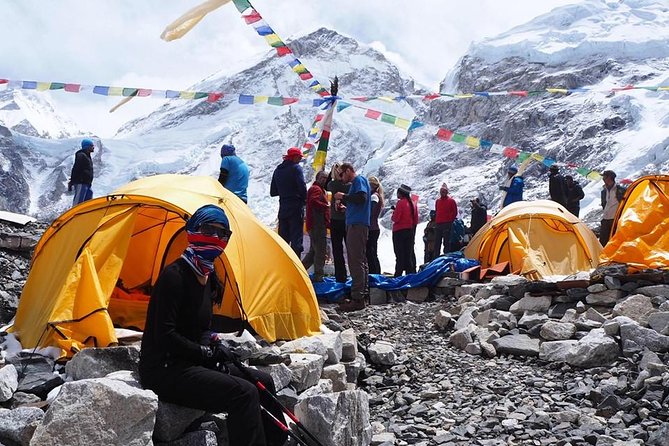
You’ll sleep in tea house accommodation during the trek, and you’re covered for breakfast, lunch, and dinner. That takes decision fatigue off your plate. It also helps you keep moving consistently, because food logistics are handled.
But tea houses are not hotels with room service. They are basic lodging, and comfort can be simple, especially higher up. The trade-off is that tea houses keep the trip grounded in how trekking actually works here.
One extra gear note: the sleeping bag, down jacket, and duffel bag are provided and returned after the trek. That is great for reducing what you carry from home. Just don’t assume the gear replaces everything you might need for your personal warmth. You should still bring your own small essentials you rely on, like layers that fit you well.
Guides and service: the human part that makes it feel easy
The most praised aspect across the feedback is service that feels attentive from start to finish. Specific names keep showing up: Eco Holidays Nepal guides including Pradeep, BK, Dhruba Dharel, and Susil. People highlighted that their local knowledge and planning made the trek feel stress-free, with safety and detail checks built into daily operations.
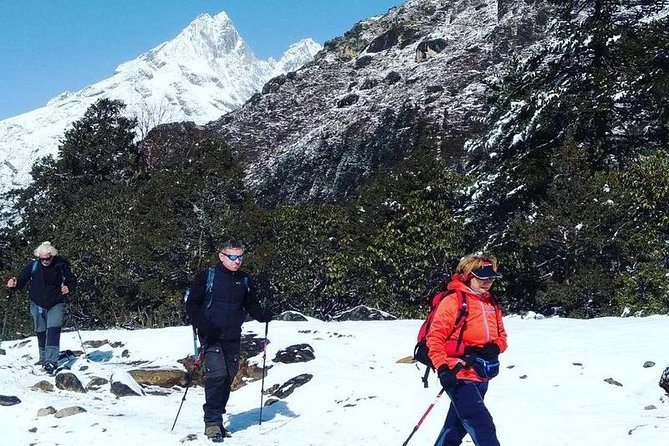
For you, that translates into day-to-day benefits. A good guide helps with pacing, route flow, and sensible timing. It also helps with confidence when plans need to adjust for weather. In one example, a group expected a three passes style trek but due to a freak October snowstorm they shifted to base camp instead, and that change still turned into a strong experience.
Private tour status is also part of the feel. It says only your group participates, which usually means you are not stuck trying to coordinate your pace with a big mixed group. For a short 10-day trek, that kind of control can matter.
Who should book this short EBC trek, and who might rethink it
This trek fits best if you want the Everest Base Camp goal with limited time. You should also have a moderate physical fitness level, because you’re packing real altitude trekking into a tight schedule. If you already hike regularly and you understand that altitude changes the game, you’ll likely enjoy this plan.
It might be less ideal if you want a slow, highly flexible adventure with lots of buffer days for weather. Because this is built around a 10-day window and includes flights, you are aiming for an efficient arc.
Also consider porter support. Porters are not included here. If you prefer to travel with minimal load or you know you will get uncomfortable carrying your pack, you’ll want to plan that decision before you go.
Should you book this Everest Base Camp trek?
Yes, if your priority is reaching Everest Base Camp in about 10 days with major logistics handled for you. The biggest strengths are the included Kathmandu–Lukla–Kathmandu flights, the structured food and tea house plan, and the equipment that lightens what you need to carry. You also get the right mix of major checkpoints: Namche Bazaar, Tyangboche monastery, and the glacier/icefall region feel on the way in.
I would think twice only if you need a more open-ended schedule or if your fitness level isn’t ready for a short, altitude-heavy trek. In that case, you might prefer a longer itinerary that gives more room for acclimatization and weather wiggle.
If you are a confident hiker who wants the classic Everest story without the long trek length, this is a solid value play.
FAQ
Where does the trek start?
The meeting point is Tribhuvan Airport, Kathmandu, Nepal.
How long is the Short Everest Base Camp Trek?
It lasts 10 days (approx.).
What flights are included?
Both-way flight tickets are included for Kathmandu–Lukla–Kathmandu.
What does the tour include for meals and lodging?
You get breakfast, lunch, and dinner, plus tea house accommodation during the trek.
Do I need a porter?
A porter is not included. If you want one, you’ll need to arrange it separately.
What equipment is provided?
The tour provides necessary trekking equipment like a sleeping bag, down jacket, and duffel bag, which you return after the trek.