REVIEW · KATHMANDU
12 Days Everest Base Camp Trek from Kathmandu
Book on Viator →Operated by CAN Travels · Bookable on Viator
Prayer flags and thin air in your lungs. This 12-day Everest Base Camp trek turns Kathmandu into a runway for a classic Khumbu journey, with Lukla flights, guest house nights, and big mountain days that feel oddly personal. What I like most is the way the route mixes Sherpa culture stops with real altitude work, so you’re not just walking toward a photo.
Two things I especially appreciate: the government-licensed English-speaking guides (I’ve seen guides like Prakash, Milan, and Dev named as professionals who keep things calm and safe), and the built-in acclimatization breaks at Namche Bazaar and Dingboche. One possible drawback is the effort level and food budgeting—there’s no meal plan included, so you’ll want cash for everyday costs on the trail.
In This Review
- Key things that make this Everest Base Camp trek tick
- From Kathmandu to Lukla: the flight that sets the tone
- Day 1 to Phakding: a gentle start along the Dudh Koshi
- Namche Bazaar: the altitude lesson in Sherpa-town form
- Tengboche Monastery: rhododendron climbs and big spiritual views
- Dingboche: why your rest day matters (and what you’ll do instead)
- Toward Lobuche: the trail gets quieter and your mindset shifts
- Everest Base Camp day: Gorak Shep to the world’s most famous doorstep
- Kala Patthar: your best shot at 360-degree Everest drama
- Coming back down to Namche and beyond: don’t rush the descent
- Lukla and Kathmandu: the flights that close the loop
- Price reality check: is $1,380 good value?
- What you’ll likely love most on this trek
- Who this trek fits best (and who should be cautious)
- Quick, honest checklist before you go
- Should you book CAN Travels’ Everest Base Camp trek?
- FAQ
- How long is the Everest Base Camp trek?
- What is included in the price?
- Are meals included?
- Do I need a trekking permit?
- Is the Kathmandu to Lukla flight included?
- Will I be trekking with a group?
- What kind of accommodation do you get during the trek?
- Do I need to speak English with the guide?
- What is the cancellation window?
- Is the trek suitable for all fitness levels?
Key things that make this Everest Base Camp trek tick
- Lukla flight included: you skip a long slog and go straight into the Khumbu rhythm
- Acclimatization days built in at Namche and Dingboche, not just a long grind upward
- Tengboche Monastery: one of the most memorable cultural stops in the region
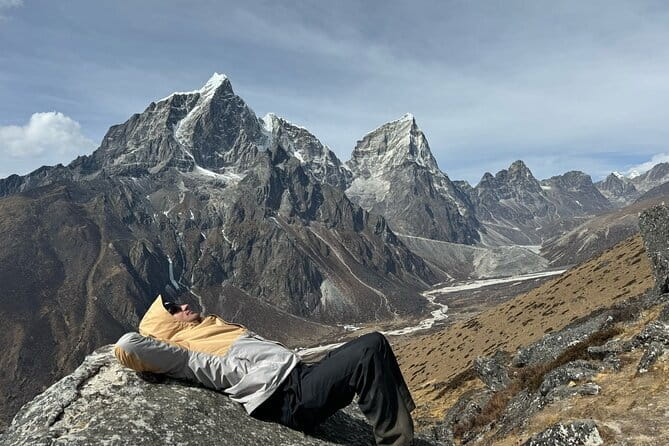
- Kala Patthar day for high viewpoints above Everest Base Camp
- Guest house stays: simple, practical lodging that fits the trek pace
- Emergency first aid kit with your guide for peace of mind on the trail
From Kathmandu to Lukla: the flight that sets the tone
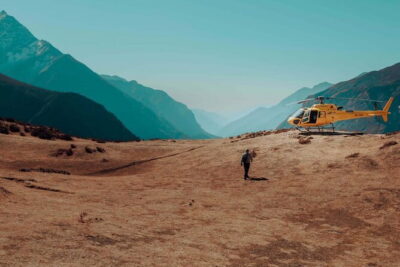
This trek starts by getting you from Kathmandu to Lukla by air, then immediately into walking mode. The flight is included, and it matters because it gets you into the Everest region fast—so your energy goes into the trek, not the long approach.
Once you land, you’ll meet your crew and get organized for the first hiking day. Expect the vibe to shift right away: from city motion to river valleys, prayer flags, and the steady sound of your own steps.
Tip for your first day: pack in layers. In the Everest region, temperatures swing fast once you’re at elevation and walking under changing cloud cover.
You can also read our reviews of more hiking tours in Kathmandu
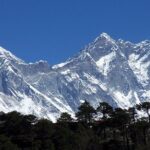
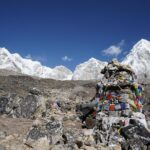
Day 1 to Phakding: a gentle start along the Dudh Koshi
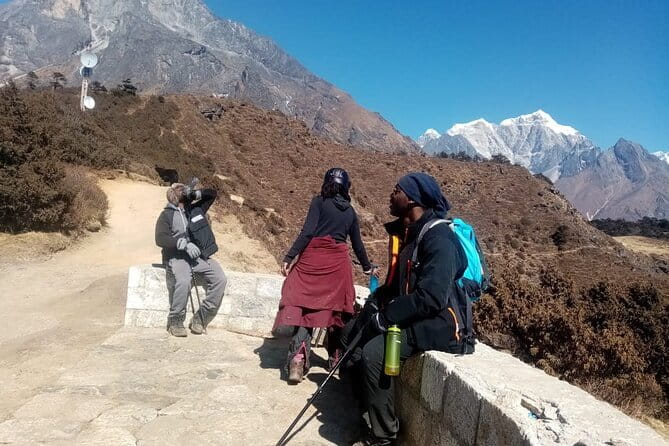
Your first trek day heads toward Phakding, following the Dudh Koshi River route. It’s a “get your legs working” day—long enough to feel like a start, not so intense that you’re cooked before you’ve even hit higher elevations.
Phakding is a good mental warm-up. It helps you learn how the trail feels when it’s busy with small crossings, stone steps, and that constant rhythm of short ascents and controlled descents.
This is also where you’ll notice how quickly your pack weight matters. Keep it realistic and comfortable. You’ll thank yourself later.
Namche Bazaar: the altitude lesson in Sherpa-town form
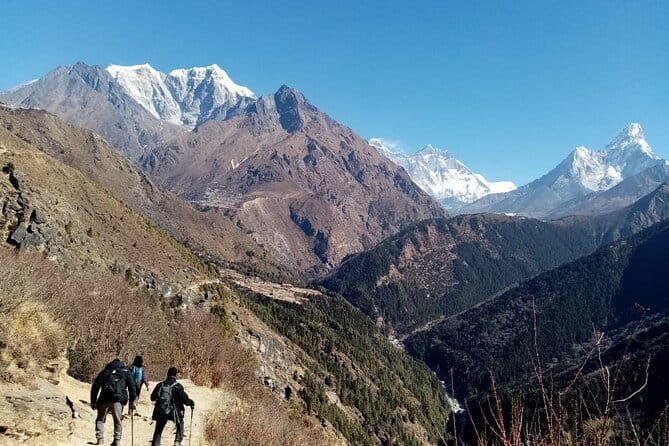
The trek pushes onward to Namche Bazaar, with a route that passes through Sagarmatha National Park territory and crosses streams and small villages. Namche is the gateway town—part market, part altitude waypoint—and it’s where your body starts paying attention to the numbers on the map.
What makes Namche special is the acclimatization set-up. You don’t just “arrive and suffer.” You’ll spend time exploring and adjusting, including an excursion option to places like Syangboche Airstrip or Everest View Hotel (used here as a strategy to gain altitude slowly).
I like acclimatization days like this because they teach you how trekking works at altitude: go up a bit, move carefully, then come back down to sleep. That rhythm can make later days feel more manageable.
Practical note: Namche is also where you’ll likely spend time getting your basics right—re-hydration habits, snacks, and pacing.
Tengboche Monastery: rhododendron climbs and big spiritual views
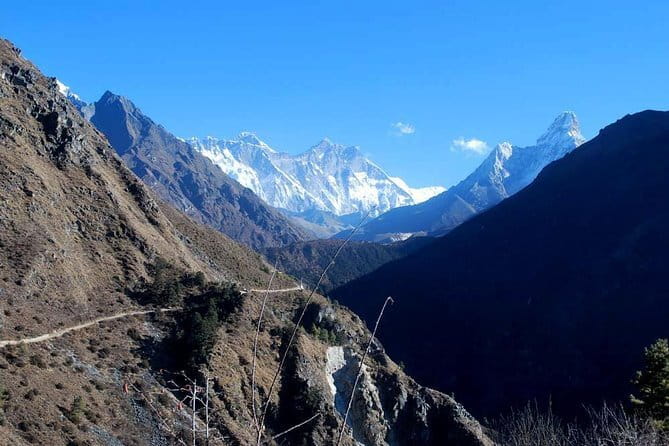
From Namche you head toward Tengboche, with the trail gradually ascending through dense rhododendron forests. This day often feels like a mood change: the air is thinner, the walking is more deliberate, and the scenery turns more dramatic as you approach the monastery area.
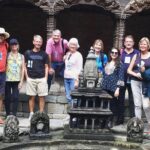
Tengboche is a highlight for culture. You’ll reach the village and explore the Tengboche Monastery, often described as the oldest in the Khumbu region. If you’re into Buddhist rituals, you’ll get the chance to see prayer wheels and monastery life with Everest towering in the backdrop.
Consideration: this is also a day when weather can shift quickly. If you’re hoping for clear views, start early and don’t treat the day like a relaxed late-morning stroll.
Dingboche: why your rest day matters (and what you’ll do instead)
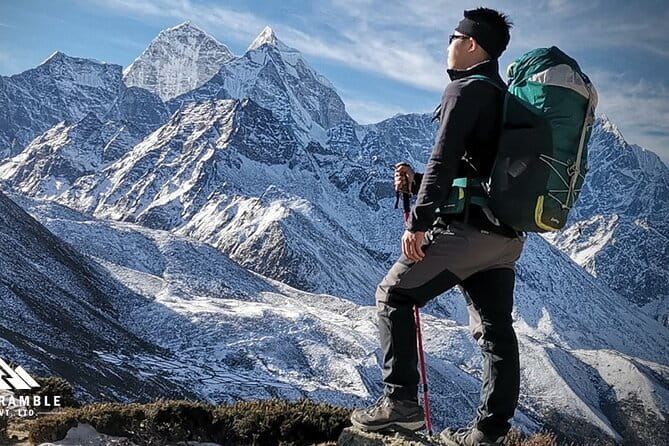
The route continues to Dingboche, crossing suspension bridges and moving through settlement areas like Pangboche and Orsho. You’ll also pass religious markers along the way—stupas and chortens—so the walk keeps feeding you meaning, not just distance.
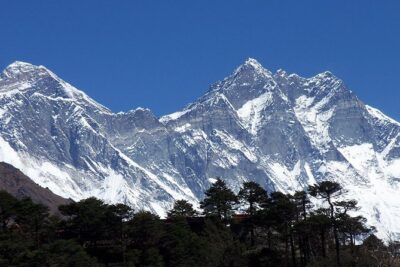
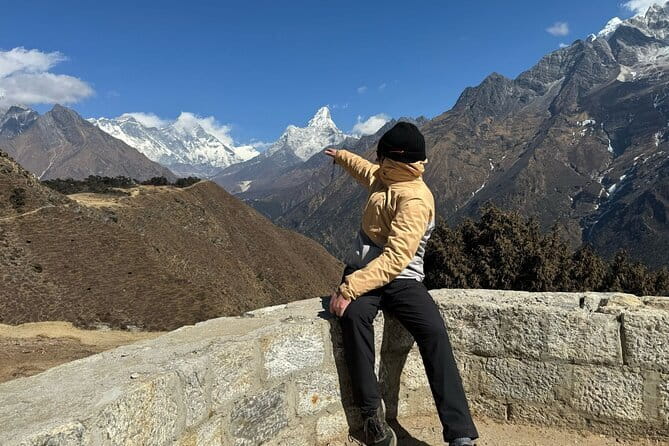
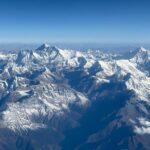
Then comes the best kind of “rest day”: an actual acclimatization plan. Instead of sitting still, you hike to Nagarjun Hill for outstanding views toward peaks like Everest, Lhotse, Ama Dablam, Nuptse, Thamserku, and Pumori (as conditions allow).
This is one of the days where I’d push you to be sensible. Don’t sprint. Treat it like a workout with brakes. Your goal is to feel strong when the next altitude jump comes.
Toward Lobuche: the trail gets quieter and your mindset shifts
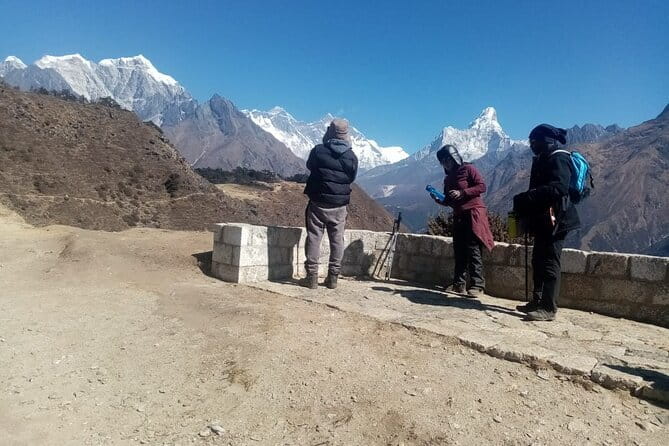
Leaving Dingboche, you gradually ascend toward Lobuche. The region changes as you go—forests thin out, and you’ll see fewer trees, more rocky ground, and more sparse shrubs.
Lobuche is positioned like a stepping stone. It’s not the end goal, but it’s where you start thinking in terms of “the next big day.” Your pace may slow a bit. That’s normal. Altitude doesn’t care about confidence.
Packing mindset tip: keep your system simple. Snacks you know you’ll eat, a water routine you can repeat, and layers that are easy to remove when you’re working hard.
Everest Base Camp day: Gorak Shep to the world’s most famous doorstep
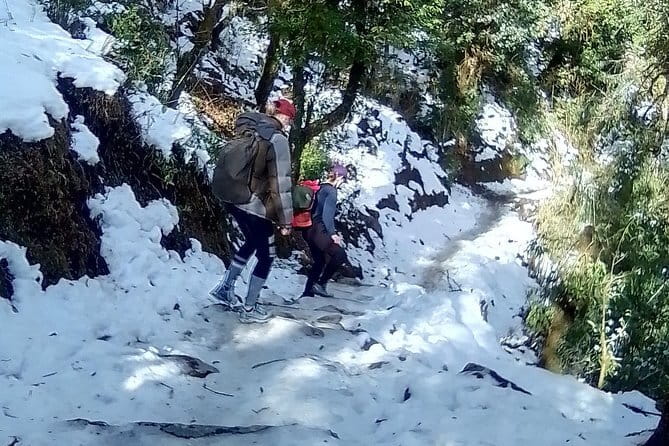
Your long day heads to Everest Base Camp, starting with a morning push and passing through Gorak Shep, described as the last human settlement area on the trail. From there, it’s all about arriving at the base camp area and taking in what it really feels like to be there.
Base Camp is a strange mix of achievement and perspective. It’s not “the top of the mountain,” and yet it’s a front-row seat to why people chase Everest in the first place. You’ll likely see activity connected to teams preparing for the climbing season, and that adds energy to the experience.
One practical thing to plan for: this day can feel long, because you’re combining the mental weight of an iconic destination with real physical effort. Start steady, not eager.
Kala Patthar: your best shot at 360-degree Everest drama
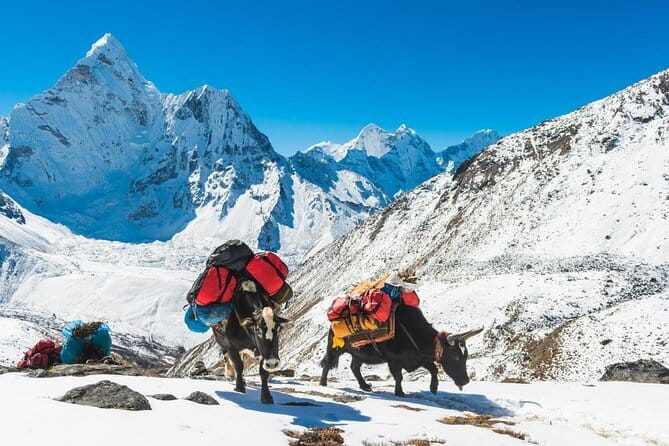
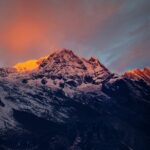
On the next day, you’ll go up toward Kala Patthar, a famous viewpoint just above Everest Base Camp. The payoff is often described as 360-degree views—and when the skies cooperate, it can be the most satisfying sight of the entire trek.
Why this matters: it gives you a more complete Everest picture than Base Camp alone. You’re higher, and your perspective pulls the peaks into a wider context. It’s also the kind of day that makes the earlier acclimatization choices feel worth it.
Then you’ll continue toward Pheriche for the overnight, which is a nice reset because it helps your body recover before the long return.
Coming back down to Namche and beyond: don’t rush the descent
Your return starts by trekking from Pheriche toward Namche, passing through areas like Tengboche and descending toward Namche through forested sections and villages. The trail is still moving altitude-wise, but the effort changes—legs work differently on descents, and your knees will feel it if you’re not careful.
A smart approach is to keep your steps short and controlled. Don’t let gravity turn your day into a slide.
Lukla and Kathmandu: the flights that close the loop
You retrace the path to Lukla and then take the flight back to Kathmandu. The final day includes returning to Kathmandu, moving to a hotel, and a farewell dinner to close out the trip.
That wrap-up matters more than people expect. After 12 days, you’re not just tired—you’re mentally done with the constant pace and altitude awareness. A solid ending helps your body recover without rushing into the next travel step.
Price reality check: is $1,380 good value?
At $1,380 per person for a 12-day Everest Base Camp trek, you’re paying for a bundle of big-ticket items that are hard to DIY smoothly: flights between Kathmandu and Lukla, permits and official documents, trekking guide support, and guest house lodging.
What’s included helps explain the value:
- Hotel pickup and drop-off in Kathmandu
- A government-licensed English-speaking guide
- Kathmandu–Lukla–Kathmandu flight ticket
- Trekking permits and official documents
- Guest house accommodation during the trek
- Private tour for your group
- Emergency normal first aid kit with the guide
What’s not included also affects your budget. Food and drinks are sold on the trail, and the estimate is about US$25 per day, plus optional gratuities. So plan on carrying extra money even if your main trek cost feels “all-in.”
Who pays this price and feels happy about it? People who want a well-run route with a guide handling permits, documents, and day-to-day decisions—especially valuable in the Everest region where timing and altitude strategy matter.
What you’ll likely love most on this trek
Based on the guide names and service style described by previous trekkers, the biggest recurring win is guidance quality. People specifically highlight guides such as Prakash, Milan, and Dev for being professional, knowledgeable, patient, and safety-minded.
That shows up in practical ways:
- You get acclimatization advice you can actually use
- You’re not guessing how to pace hard days
- Transport and flights are handled in a way that keeps stress lower
Also, the itinerary design supports a satisfying sequence: monastery day, rest-day viewpoint, Base Camp arrival, and then Kala Patthar. That’s a big reason the trek feels like a complete Everest experience rather than a single destination stamp.
Who this trek fits best (and who should be cautious)
This works best for you if you want:
- A classic Everest route with culture stops (Namche and Tengboche)
- A structured acclimatization rhythm
- A guided trek where logistics and documents are handled
- A personal milestone at Everest Base Camp with a top viewpoint day afterward
You should be cautious if:
- You don’t have strong physical fitness. The trek is not described as easy, and altitude adds real difficulty.
- You don’t want to manage your own food and drinks budget on trail.
If you’re the type who packs light, walks steadily, and listens to your body, you’ll likely enjoy this much more than someone trying to “power through” every day.
Quick, honest checklist before you go
- Train for sustained uphill walking before you arrive
- Keep your pack weight realistic and comfortable
- Plan for layered clothing and weather swings
- Carry cash for meals and drinks (food is not included)
- Expect guest house simplicity—this is part of the trek style
Should you book CAN Travels’ Everest Base Camp trek?
If you’re aiming for the full Everest Base Camp experience with a guide who keeps things organized and safety-focused, this is a strong pick. The combination of Lukla flights, guest house comfort at a workable pace, and acclimatization built into the trek is the kind of structure that turns a tough trek into a doable milestone.
I’d recommend booking if you want a private, guided route and you’re comfortable budgeting for meals on trail. Skip it only if you’re not ready for altitude effort or you’d rather travel totally independently.
FAQ
How long is the Everest Base Camp trek?
The trek runs for about 12 days.
What is included in the price?
The package includes hotel pickup and drop-off, a government-licensed English-speaking trekking guide, Kathmandu to Lukla to Kathmandu flight tickets, permits and official documents, guest house accommodation during the trek, private tour service, and an emergency normal first aid kit with the guide.
Are meals included?
No. Food and drinks are not included, but you can purchase them on the trail. The estimate provided is about US$25 per day.
Do I need a trekking permit?
Yes, trekking permits and all official documents are included in the tour.
Is the Kathmandu to Lukla flight included?
Yes. The Kathmandu to Lukla to Kathmandu flight ticket is included.
Will I be trekking with a group?
It’s a private tour, so only your group participates. Group discounts are mentioned as a tour feature, but the tour itself is private.
What kind of accommodation do you get during the trek?
You stay in guest houses during the trek.
Do I need to speak English with the guide?
The guide is described as English-speaking, and you’ll have a licensed trekking guide.
What is the cancellation window?
You can cancel up to 3 days in advance for a full refund. If you cancel less than 3 full days before the start time, the amount paid will not be refunded.
Is the trek suitable for all fitness levels?
The information provided says travelers should have a strong physical fitness level.