REVIEW · KATHMANDU
12 Days Annapurna Base Camp Trek
Book on Viator →Operated by Everest High Pass Adventures · Bookable on Viator
One trek, two worlds: tea huts and giant peaks.
I like how this Annapurna Base Camp plan mixes famous viewpoints with real village trail life, from rhododendron forests to Gurung and Magar settlements. I also like that it keeps things practical with pickup in Kathmandu, guide briefing, and teahouse-style meals along the way. The one consideration: the route is labeled moderate, but you still face steep bits and big altitude exposure, including over 3,000 stone steps early on.
I find the off-trail support part genuinely important. Everest High Pass Adventures runs this as a private experience, and the trip starts with you meeting your guide in Thamel for trekking prep and permit work. Based on customer feedback, guides such as Mandip Ji are repeatedly praised for being calm, friendly, and attentive, which matters when you’re tired and acclimating.
Then there’s the end reward. After the long downhill, you get natural hot springs at Jhinu Danda, plus time back in Pokhara for a lakeside reset before flying or driving back to Kathmandu. Just remember the whole trek depends on good weather, and that can affect sunrise timing and day-to-day comfort.
In This Review
- Key highlights that make this trek worth your attention
- Entering the Annapurna Base Camp Trail: what the trek really feels like
- Kathmandu (Thamel) to Pokhara: the easy part that sets the tone
- Ulleri and Ghorepani: stone steps, forest paths, and real trekking logistics
- Poon Hill sunrise: the morning that turns the trip into a story
- Chhomrong, Sinuwa, Bamboo, and Dovan: where the trail starts feeling Himalayan
- Annapurna Base Camp day: what you’re actually walking toward
- Jhinu Danda hot springs: your physical reward after the hardest part
- Price and value: is $1,200 fair for this kind of trek?
- Who should choose this trek, and who should reconsider?
- Should you book Annapurna Base Camp with Everest High Pass Adventures?
- FAQ
- How long is the Annapurna Base Camp trek?
- Where does the trek start and end?
- How high do you trek during the trip?
- Is pickup from Kathmandu included?
- What is included in the $1,200 price?
- What is not included?
- Is this tour private?
- What’s the cancellation policy if weather is poor?
Key highlights that make this trek worth your attention
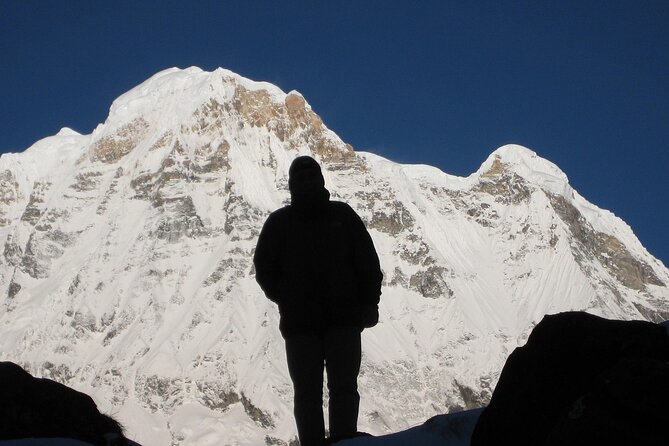
- Kathmandu-to-trek setup in Thamel with guide briefing and permit preparation, so you’re not scrambling
- Poon Hill sunrise morning for wide Annapurna views before the day settles into trekking rhythm
- Teahouse trekking style with warm stays and included meals along the trail
- Annapurna Base Camp at about 4,130 meters with open alpine scenery and sunset options
- Jhinu Danda hot springs as your physical and mental cooldown after the descent
Entering the Annapurna Base Camp Trail: what the trek really feels like
This is the Annapurna classic for a reason. You’re not just walking toward one photo. You’re moving through different Nepal textures: farm terraces, rhododendron woods, bamboo pockets, and stone-and-stone village paths that feel older than your itinerary.
The trail is described as moderate, and that word matters. Moderate here usually means you don’t need technical climbing, but you do need stamina for daily ups and downs. If you’re the type who plans to hike slowly, pause often, and drink water regularly, this route fits your pace nicely.
You’ll also feel the altitude. The trek is built around reaching Annapurna Base Camp around 4,130 meters, which is high enough to make breathing a bigger deal than you expected. The good news is that the schedule includes gradual movements and multiple “climb-sleep-recover” days, which is the rhythm you want for a safer, calmer experience.
And because this is a private trek, your guide can nudge the pace to your group. That’s not just comfort. It can affect how you feel on steep sections and how much you enjoy the sunrise mornings.
You can also read our reviews of more hiking tours in Kathmandu
Kathmandu (Thamel) to Pokhara: the easy part that sets the tone
Day 1 is your Kathmandu entry routine. You land at Tribhuvan International Airport, get transferred to a hotel in Thamel, and meet your guide for a trekking briefing and permit prep. This is a smart way to start, because the first question you’ll want answered is practical: What should you carry, what shoes work best, and what’s the plan if someone in the group feels off?
Then Day 2 you move to Pokhara, the usual launchpad for Annapurna treks. You can go by overland drive (about 6–8 hours) or take a quick flight (about 25 minutes). I like having the choice because it changes the “pre-trek fatigue” factor. If you’re sensitive to road time, the short flight can save your legs for Day 3.
Pokhara is also the visual warm-up. You’re beside Phewa Lake with Annapurna range views, so even before the first steep step, you start feeling the Himalaya mood. That helps you appreciate what you’ll earn on the trail.
One small practical note: the trip price doesn’t include public transportation and airport/departure tax. The transfer between cities is part of the trek flow here, but you should still budget for any extra city legs you might add on your own.
Ulleri and Ghorepani: stone steps, forest paths, and real trekking logistics
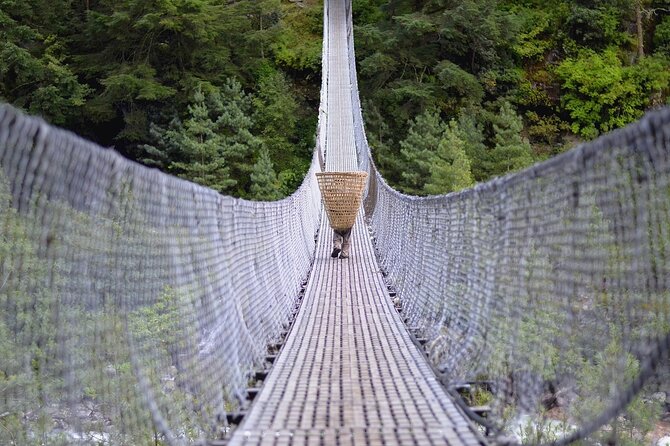
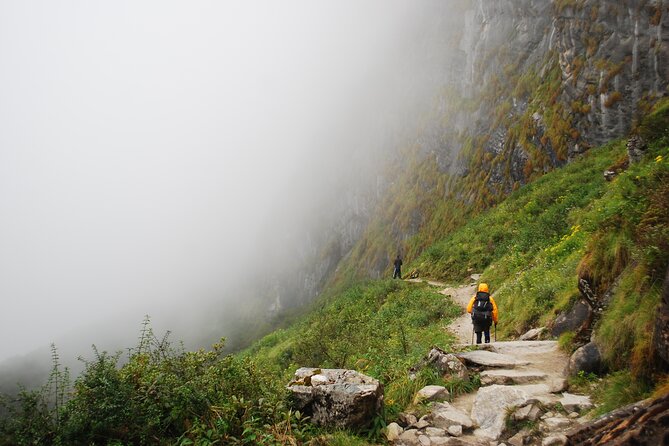
Day 3 starts the trek at Nayapul. You drive about 1.5 hours to the trailhead, walk along a gentle start through Birethanti and Tikhedhunga, then hit the big climb to Ulleri with steep stone steps (over 3,000). That first day is where your gear and mindset get tested. Your goal isn’t to win a race. It’s to get uphill with controlled breathing, steady foot placement, and breaks before you feel crushed.
After you settle into the rhythm, Day 4 keeps it green and old-world. You trek uphill through rhododendron and oak forests, pass waterfalls, and move through Magar villages. Ghorepani is a popular stop with cooler alpine air and big views, which makes it a good place to decompress and prepare for an early morning hike.
This is one of the strengths of this itinerary: it doesn’t throw you only into “big scenery” right away. It gives you a mix of manageable walking, forest shade, and village life, so you’re not constantly thinking about altitude from the jump.
If you get restless on quiet stretches, don’t. This part is often where you notice the small details: stone walls, water crossings, and the pace of daily life in the villages you pass through.
Poon Hill sunrise: the morning that turns the trip into a story
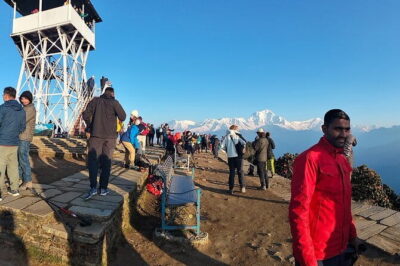
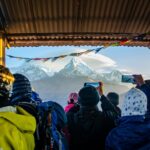
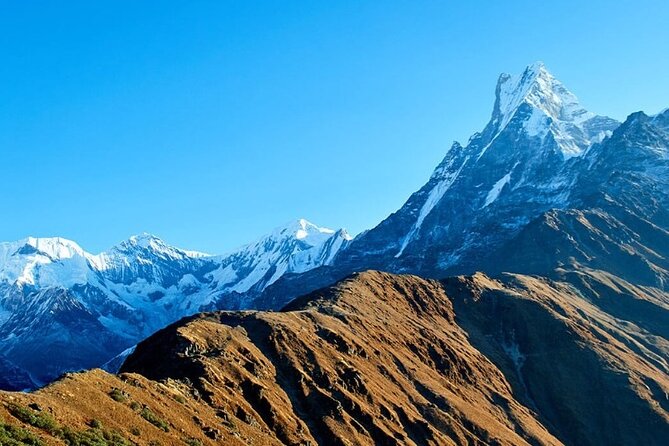
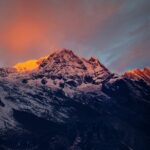
Day 5 is your early payoff. You wake up to hike to Poon Hill for sunrise, with wide views that include Dhaulagiri, Annapurna, and Machapuchare. Then you descend back to Ghorepani for breakfast and continue onward through forests and trail scenery.
Sunrise hikes can be hit-or-miss depending on weather, but the planning is solid. The sunrise window is exactly the kind of moment that makes people remember this trek for years. It’s also a practical training tool for your body. Waking up early, moving in colder air, and keeping your effort steady teaches you how to handle mornings at altitude.
The key is to treat it like a routine, not a thrill ride. Wear layers you can manage quickly. Eat something light before you start if that’s your style. And don’t chase the fastest person uphill. Let the slow group have the best photos and the best lungs.
Chhomrong, Sinuwa, Bamboo, and Dovan: where the trail starts feeling Himalayan
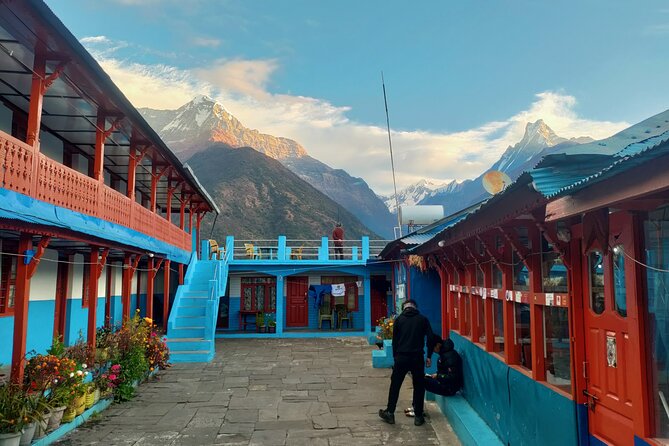
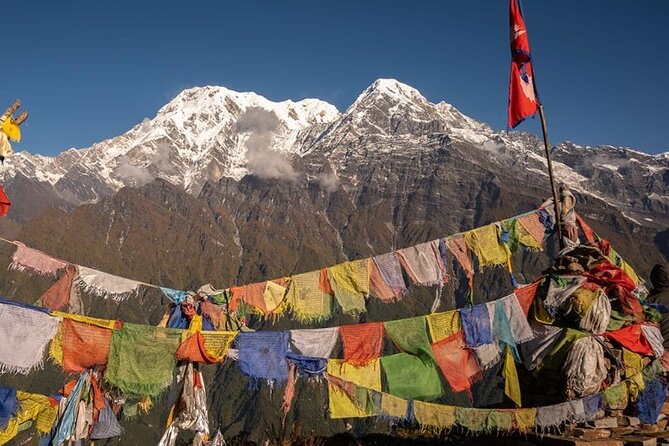
By Day 6, you’re transitioning into the more dramatic Annapurna experience. The path descends steeply to a stream, then climbs back through terraced farmland and forest toward Chhomrong, described as a large Gurung village with views of Annapurna South and a sacred site in the area. Chhomrong is a place where the scenery opens up, and village scale becomes obvious.
Day 7 keeps you moving through named stops: you descend toward the river, climb back up to Sinuwa, then continue through bamboo forests and quiet terrain. You pass Bamboo and Dovan before reaching Himalaya village in a quiet gorge setting.
I like this middle section because it’s less about one “must-see” and more about steady immersion in changing terrain. Bamboo and forest days can be cooler and psychologically easier than constant rocky climbs. They also give your body time to adjust as you get higher.
If you’re prone to speeding early, this is where it catches up to you. Save your energy for the moments you care about most: the viewpoints, the base camp day, and the hot springs later.
Annapurna Base Camp day: what you’re actually walking toward
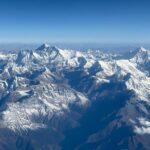
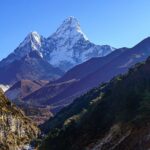
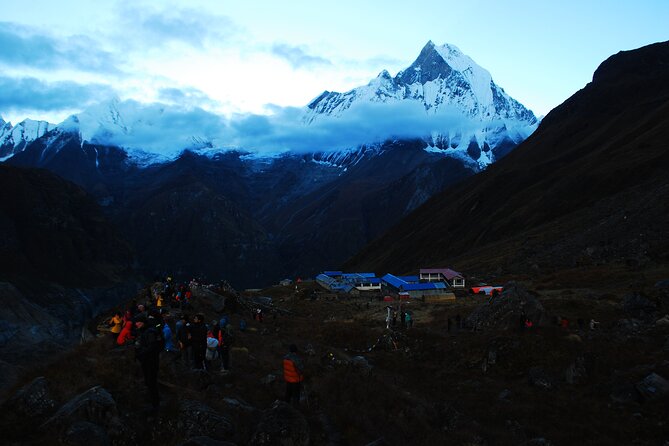
Day 8 is the big arrival. You ascend past Deurali and MBC, and the forest shifts toward more open alpine meadows. After a gradual climb, you reach Annapurna Base Camp, surrounded by towering peaks, with a sunset option in the plan.
This is where your perspective changes. At base camp, the peaks don’t feel like distant background. They become the whole atmosphere. You’ll want time here, not just a quick snack and photo. Plan your rest like part of the trek, not a break from it.
Day 9 adds the second sunrise and then the long descent. You get an early sunrise over the Annapurna range, then trek back down the same general route through MBC, Deurali, and Dovan, returning toward the forested area of Bamboo. The descent is described as easier but long, so you should treat it like a marathon for your knees and ankles.
If you want one practical tip: use consistent steps and don’t rush the downhill just because it feels “easier.” Your legs will burn more from fatigue than from height.
Jhinu Danda hot springs: your physical reward after the hardest part
Day 10 is a reset day disguised as trekking. You trek uphill back toward Chhomrong, then descend steeply to Jhinu Danda. In the afternoon, you dip in natural hot springs by the riverside, which is exactly the right kind of reward after days of pounding downhill.
Hot springs aren’t just comfort. They’re a way to recover well so you actually enjoy the final days. Keep your session short enough that you don’t feel sluggish, and remember you may still be tired when you move again.
Then Day 11 brings you back toward civilization. You take a short trek to Siwai or Nayapul, then drive back to Pokhara. The plan also includes time to celebrate, with options like a lakeside dinner or massage, or simply relaxing and reflecting on what you did.
That lakeside evening can be surprisingly important. It gives you a mental landing before Kathmandu.
Finally Day 12 returns to Kathmandu. You fly or drive back depending on schedules, with flexibility if you want an extra night in the city before heading to the airport.
Price and value: is $1,200 fair for this kind of trek?
At $1,200 per person for about 12 days, this price lands in the “organized, not barebones” range. Here’s what you’re paying for beyond the walking:
- Meals included during the trek days
- Excess baggage coverage (handy if you bring more than you planned)
- WiFi on board (small comfort, but nice for checking in)
- Admission/government/entrance fees included
- Pickup offered, and the itinerary includes transfers between Kathmandu and Pokhara
What’s not included: public transportation and airport/departure tax. That means your city add-ons and airport-related costs can still change your total budget. If you’re doing any extra sightseeing in Kathmandu or Pokhara on your own, factor that in.
Also, this is a private tour/activity, so the cost isn’t being split across large groups the way some cheaper treks work. If you value having a guide who can pace your group and handle route decisions calmly, that privacy can be worth it.
When I look at value for trekkers, I focus on friction. This itinerary reduces friction by handling permits and briefing early, covering key fees, and including meals so you’re not guessing your daily budget on mountain time.
Who should choose this trek, and who should reconsider?
This fits people with moderate physical fitness and a realistic attitude toward steep steps and altitude. The trek is described as ideal for both novice and experienced trekkers, but “novice” here still means you’re willing to walk daily, go slow on climbs, and respect rest and hydration.
You should be especially comfortable if you like:
- steady daily hiking (not just short sightseeing loops)
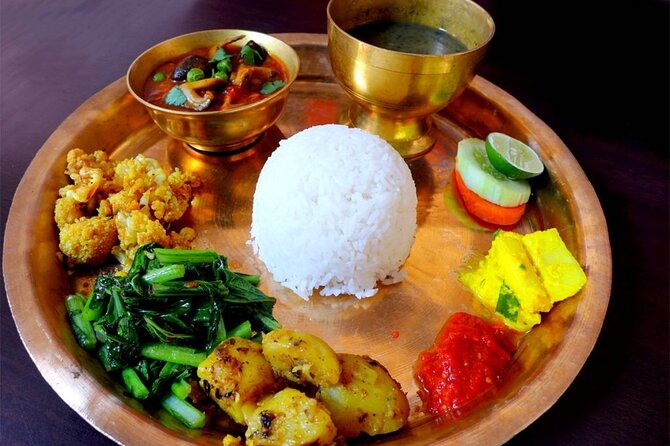
- teahouse stops and simple meals
- sunrise mornings and photo time you earn with an early start
You might reconsider if you:
- hate steep stairs and long downhill days
- get sick easily at altitude and don’t plan to move at a conservative pace
- need a fully stress-free itinerary with no weather dependence (the plan does require good weather)
The good news is that the trekking is structured with named stops and a familiar Annapurna route flow. That kind of structure tends to make the unknown parts smaller.
Should you book Annapurna Base Camp with Everest High Pass Adventures?
If you want a classic Annapurna Base Camp trek that feels organized without feeling robotic, I’d put this on your shortlist. The combination of Poon Hill sunrise, a clear route through village-and-forest days, and a real recovery moment at Jhinu Danda hot springs makes the itinerary feel complete from start to finish.
I’d also consider booking if service quality is high on your list. Feedback for Everest High Pass Adventures highlights responsive support and friendly, caring guidance, including guides such as Mandip Ji. On a trek, that kind of human support can matter more than fancy extras.
Do make one honest check before you go: are you ready for the physical reality of steep climbing (including those stone steps) and long descents at altitude? If yes, you’ll likely love how this trek strings together views, culture, and small daily comforts into one memorable Himalayan circuit.
FAQ
How long is the Annapurna Base Camp trek?
The tour is listed as 12 days (approx.).
Where does the trek start and end?
It starts in Kathmandu (meeting point listed in Kathmandu) and ends back at the same meeting point in Kathmandu.
How high do you trek during the trip?
The trek is described as reaching about 4,130 meters in the Annapurna Base Camp area.
Is pickup from Kathmandu included?
Yes, pickup is offered.
What is included in the $1,200 price?
Meals are included, along with excess baggage, WiFi on board, and certain admission/government/entrance fees.
What is not included?
Public transportation and airport/departure tax are not included.
Is this tour private?
Yes, it’s listed as a private tour/activity, meaning only your group participates.
What’s the cancellation policy if weather is poor?
You can cancel for free up to 24 hours in advance for a full refund. The experience requires good weather, and if it’s canceled due to poor weather, you’ll be offered a different date or a full refund.