REVIEW · KATHMANDU
Annapurna Circuit Trek
Book on Viator →Operated by Nepal High Trek & Expedition Pvt. Ltd · Bookable on Viator
This route is the classic Annapurna Circuit, but time-smart. You’ll follow the big trekking spine of Nepal, then cut the walking days using road access toward Manang. If you want the circuit experience without signing up for a two-week grind, this plan is built for you, with gradual altitude and fewer long haul days.
I like that the support is tight and practical from the first pickup. You get government-licensed guiding and a structured day-by-day rhythm, plus tea houses with twin sharing and meals already planned, so you can focus on walking, weather, and pacing. From what I’ve seen shared about guides such as Shanta, Buddhi Tamang, Anjan, Veer, and Indaco, the best part is how they keep the whole trip organized and calm.
One consideration: even with a shorter schedule, you still cross Thorang La Pass at 5,416m. That means altitude is real, and the plan even warns against using jeeps too far upward because the risk can jump fast. Go in with a moderate fitness base, expect some strenuous hours, and don’t treat the pass like a casual stroll.
In This Review
- Key things that make this Annapurna Circuit plan worth your attention
- Why this shortened Annapurna Circuit plan makes sense
- Day 1 in Kathmandu: a smooth first step, not a free-for-all
- The drive to Besisahar and the long road day toward Chame
- Into the Manang region: pine forest walking and river valleys
- Manang acclimatization day: your chance to set up for Thorang La
- Yak Kharka to the Thorong Phedi approach: building the pass day
- Crossing Thorang La at 5,416m and reaching Muktinath
- Pokhara and Kathmandu: the payoff with less walking pressure
- Guides, tea houses, and the small logistics that make days easier
- Altitude, weather, and the jeep limit you should take seriously
- Price and what you’re really paying for
- Who this trek suits best, and who should think twice
- Should you book this 12-day Annapurna Circuit trek?
- FAQ
- How long is the Annapurna Circuit trek on this plan?
- What’s the highest point you’ll reach?
- Does the package include airport pickup and transport?
- What are the accommodation and meal inclusions during the trek?
- What permits are included?
- What trekking gear is provided?
- Can I cancel and get a full refund?
Key things that make this Annapurna Circuit plan worth your attention
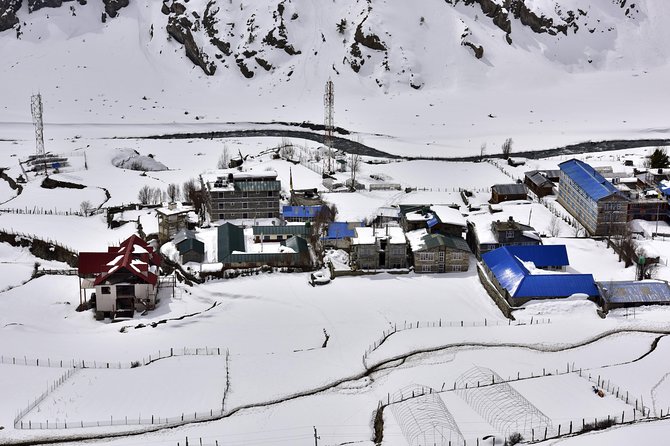
- Road-assisted start: the Besisahar-to-Manang road helps make a shorter version possible without skipping the core feeling of the trek.
- A real acclimatization pause in Manang: one full rest day is included before you start pushing higher.
- You cross at the right place, on the right day: the plan builds toward Thorong Phedi and then the pass crossing early morning.
- Tea house setup is included: private local tea house stays on a twin-sharing basis keep logistics simple.
- Small comfort extras add up: three cups of tea per trek day and seasonal fruits are included.
- Gear support is part of the value: sleeping bag, down jacket, and a duffle bag come with the package.
Why this shortened Annapurna Circuit plan makes sense
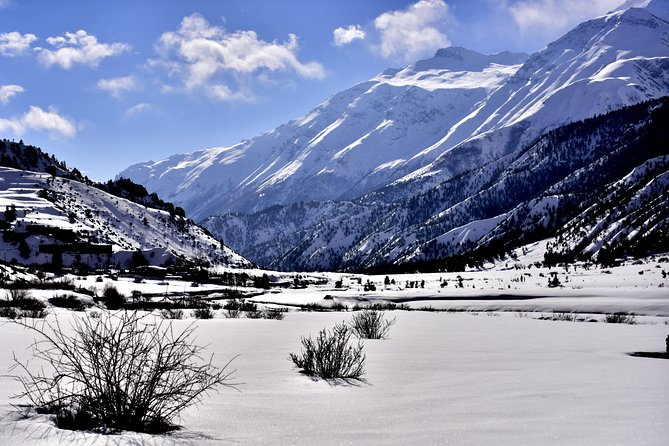
The Annapurna Circuit is famous for a reason: it connects communities, valleys, and high passes in one long story. The problem is that the full classic route can take 10–17 days depending on pacing and conditions. This trek keeps the circuit spirit, but uses modern road access to reduce how long you’re stuck in the lower sections.
The key word here is pacing. This plan is explicitly designed for travelers who want fewer walking hours and a lower risk profile for altitude sickness. You still go high, but the daily climbs are arranged so you can spend time at altitude before you commit to the big crossing.
Road access also changes the feel of the first half. Instead of spending days just reaching the mountains, you start moving toward the Manang region quickly. That’s a good trade if you hate rushing, but still want meaningful trekking days with real mountain-time.
You can also read our reviews of more hiking tours in Kathmandu
Day 1 in Kathmandu: a smooth first step, not a free-for-all
Your trip begins in Kathmandu with an airport pickup and a transfer to a hotel. After check-in, you join a group briefing with your guides and staff, covering trek expectations and useful info you’ll actually use later.
This matters more than it sounds. Kathmandu can be disorienting on arrival, especially if you’re tired and adjusting to Nepal time and traffic. Having the briefing early helps you get your bearings fast, understand how the days will flow, and know what questions to ask before you’re already on the trail.
You also get that first comfort night with breakfast included. It’s a small thing, but it keeps the start from turning into an anxious scramble for food, SIM cards, or gear before you leave the valley.
The drive to Besisahar and the long road day toward Chame
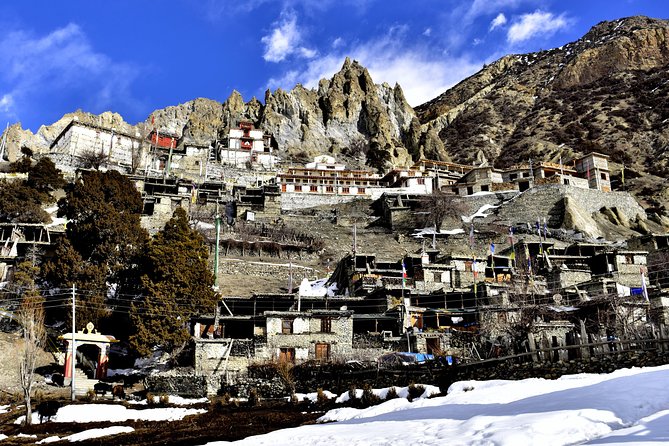
On Day 2, you’ll drive away from Kathmandu Valley toward the mid-west, reaching Besisahar in the Lamjung area. This is a big transition day. You’re moving from city life into the kind of rural Nepal where the mountains start to look closer with every hour.
Day 3 pushes you on toward Chame, the headquarters of the Manang district. The road here is unpaved, which means you’ll feel the ride. The upside is that you’ll pass through multi-authentic villages and pine-lined scenery, so you’re not just enduring a vehicle day.
Chame is also where the plan draws a hard line on vehicle shortcuts. It’s the practical limit mentioned in the trip guidance: after Chame, using a jeep farther up isn’t appropriate, because altitude sickness risk rises sharply with that approach. In other words, your feet still do the important work once you’re higher in the region.
Into the Manang region: pine forest walking and river valleys
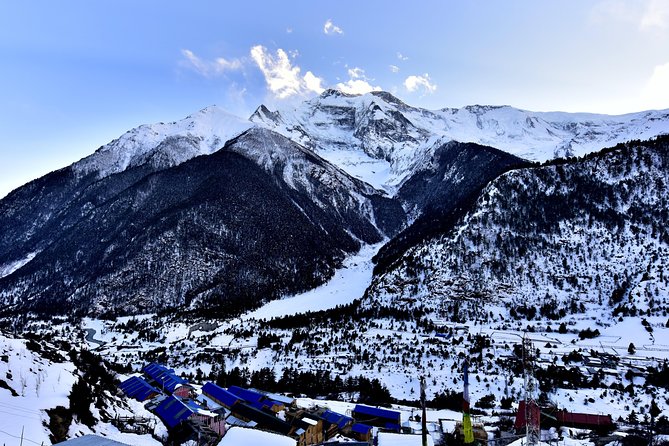
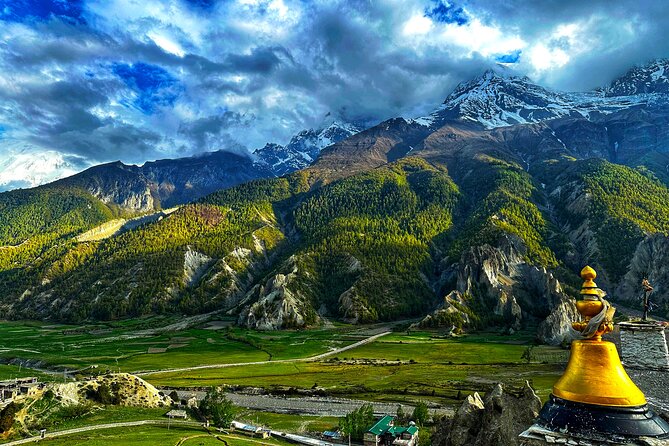
Your first major walking phase starts after Chame. The plan follows the Marshyangdi River upstream and gradually brings you into more alpine terrain. On Day 4, you head from the road-access point toward Bhratang village, moving through pine trees and a river route that feels steady rather than chaotic.
On Day 5, you move deeper into the Manang Valley area, with Pisang village as a key stop. This is where the altitude gains start to feel more noticeable. The route is set up for slow acclimatization from here onward, so you’re not just ticking off distance—you’re training your body to handle thinner air.
What I like about this part of the trek is the mix. You’re not only walking through high-country extremes. You get forests, villages, and river crossings that keep your attention on the trail and the culture instead of only on your breath.
Still, don’t mistake this section for easy. Days clock in around 13 hours in the plan’s description, so you’ll need endurance, good hydration habits, and pacing that doesn’t fry your legs.
Manang acclimatization day: your chance to set up for Thorang La
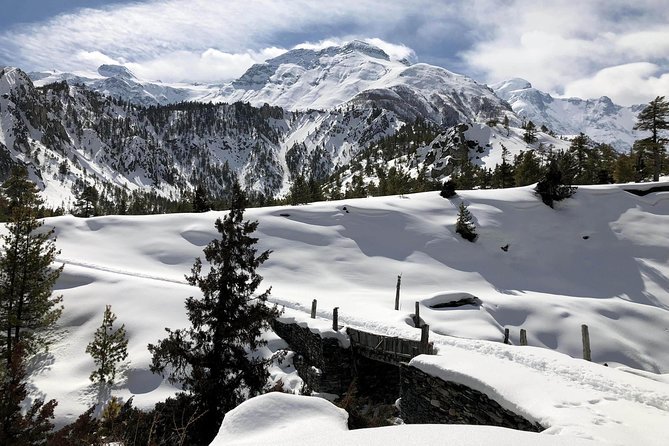
Day 6 is a true rest day for acclimatization in Manang. That’s a big deal, because the pass crossing later is the main physical and altitude challenge of the entire trek.
The plan even suggests a hike toward Gangapurna Lake as an excellent option. If you choose it, you get the benefit of being active without fully committing to another high jump. If you skip it, you still get the mental reset and recovery you need before the next push.
On a route like this, the rest day isn’t wasted time. It helps you arrive at the next section feeling less like you’re fighting your own body. It also gives you flexibility if weather changes, because your schedule has room to adjust.
The included tea house routine and meals help too. You’ll be eating breakfast, lunch, and dinner during the trek, and the plan includes three cups of tea per day. Simple, but it keeps your routine steady when altitude makes your appetite unpredictable.
Yak Kharka to the Thorong Phedi approach: building the pass day
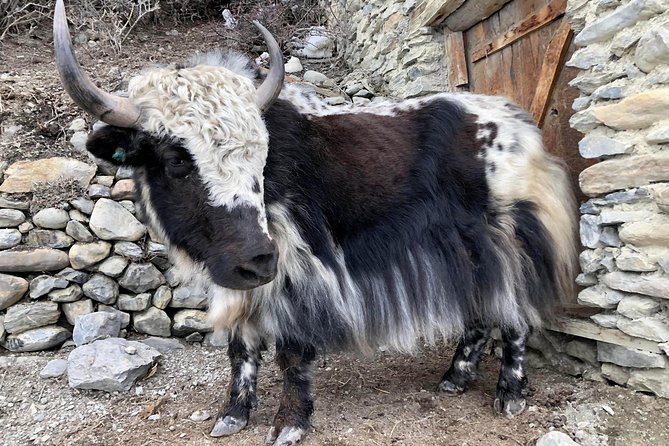
Day 7 moves you from Manang to Yak Kharka. This is a high-altitude walk with long views of mountains, plus small stream crossings along the way. It’s the kind of day where you learn your personal pace—how quickly you can walk without turning every step into a fight.
Day 8 is the approach day toward Thorong Phedi. You’ll cross a bridge, climb along the Jarjung River, and stop in Thorong Phedi for a rest before the last-hour climb. The pass-day pattern starts here: you’re working up the fatigue while your schedule stays structured.
If you want the best chance at a smoother crossing, this is where preparation matters. Sleep, hydration, and slow starts become your superpowers. Even though the plan lists set walking times, your job is to match your body rather than the clock.
Crossing Thorang La at 5,416m and reaching Muktinath
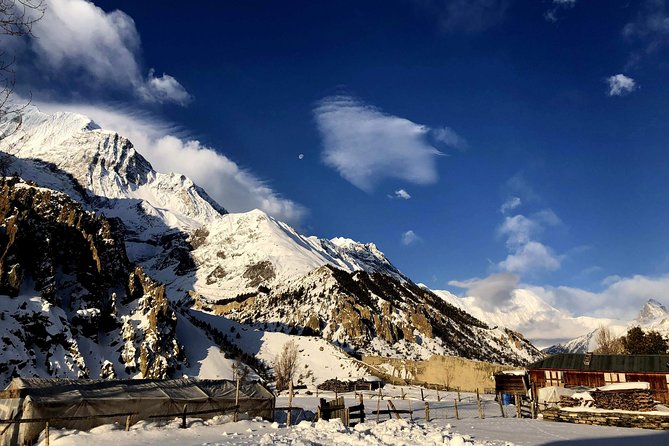
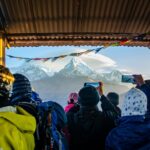
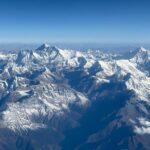
Day 9 is the headline day. You start early to climb up to Thorang La Pass at 5,416m, marked with Buddhist prayer flags. The pass gives you the kind of views that feel bigger than photos, but you earn it with patience and breathing control.
After the pass, you head toward Muktinath Temple. This is a cultural landing zone after the physical grind. You’ve gone from high-altitude open air to a place where people gather for spiritual reasons, which helps shift your mindset once you crest the pass.
This day is described as about 14 hours. Translation: it can be mentally heavy, even if your legs are holding up. You’ll be tired, and you’ll likely feel your altitude in more ways than one. That’s why earlier days are built around acclimatization and slower progression.
One practical tip I’d take from the way people advise packing: bring sunscreen. You’re high, the light is strong, and your skin can get burned even if you don’t feel overheated.
Pokhara and Kathmandu: the payoff with less walking pressure
Day 10 drives you to Pokhara after Muktinath. The drive is described as challenging but scenic, and it’s also a useful form of recovery. You’ll also get a chance to look around once you arrive, since the day includes time to explore.
Day 11 is another overland journey back to Kathmandu, en route through farm villages and towns. It’s a long ride, but it’s gentler than trekking. By afternoon you’ll be back in Kathmandu and have free time for your own activities.
Then Day 12 is your departure day. You’ll be transferred to Tribhuvan International Airport in time for your flight schedule.
This ending matters because the trek doesn’t end when you step off the highest pass. It ends when you can sleep well, eat normally, and feel like your body has returned to a lower gear.
Guides, tea houses, and the small logistics that make days easier
A major value in this trek is the mix of human support and predictable systems. You’ll have a government license holder guide from Kathmandu, and your days are organized around set food and sleep plans rather than improvisation.
If you’re the kind of traveler who gets nervous when details fall apart, that’s where this shines. In the guidance shared about guides like Shanta and Buddhi Tamang, the common thread is that they keep things running smoothly and stay attentive to the group, including briefing clearly so everyone knows what’s coming next.
Tea house lodging is included on a twin-sharing basis in private local tea houses. That means you’re not paying separately for every overnight, and you can rely on meals being part of the day’s plan (breakfast, lunch, dinner during the trek).
And those extras—three cups of tea per day and seasonal fruit—are small comforts that reduce friction. When you’re tired and your energy is low, it’s easier to stick with hydration and snacks if you know you’ll get them without hunting.
Altitude, weather, and the jeep limit you should take seriously
This trek’s altitude story is clear: you go from Manang up to Thorong La and then down to Muktinath. Even though the route is shortened, the pass height doesn’t change. That’s why the plan explicitly warns about not taking a jeep beyond Chame. It calls out that the risk of altitude sickness is very high if you ride up that way toward Manang.
So what should you do with that info? Trust the plan’s logic and think of jeeps as transportation, not altitude insurance. If you’re tempted to shorten walking more aggressively, you’re more likely to pay for it with symptoms later.
Weather is another variable. The trek is described as requiring good weather, which is common for high passes. If the weather turns, the trip may need adjustments, and you should mentally budget for that reality even if your schedule looks locked.
Price and what you’re really paying for
At $975 per person, this isn’t a budget-only trek, but it’s also not trying to be luxury. The price is anchored in the big cost drivers: Kathmandu and Pokhara lodging, ground transportation (including airport transfers), licensed guiding, tea house stays with meals, permits, and included trek gear like a sleeping bag, down jacket, and duffle bag.
Here’s the practical way to judge value: you’re paying for fewer gaps. In a self-organized trek, you’d have to coordinate guides, permits, transport timing, accommodation standards, and gear sourcing. Even when you save money up front, you often lose time and calm—two things that matter on a route with a high pass.
Also, meals and basic daily comforts are built in. If you’ve ever trekked and realized you were spending more on snacks and drinks than you expected, you’ll appreciate the structure here: three meals during the trek, breakfast in Kathmandu and Pokhara, plus three cups of tea per day and seasonal fruits.
If you’re traveling with a tight schedule and want the Annapurna Circuit feel without the maximum length, this plan prices itself as a convenience-focused shortcut, not a discount.
Who this trek suits best, and who should think twice
This plan fits well if you’re looking for a classical route, but you don’t want the full long-version commitment. The days are structured to keep walking hours manageable, and it includes acclimatization support so you’re not just rushing upward.
It’s also a strong choice if you like having a guide and a consistent system. People who have done it solo have shared that the guidance and organization made the trip feel safer and more meaningful, including strong support from named guides such as Shanta, Veer, Indaco, and Pawan.
Who should think twice: if you’re extremely altitude-sensitive, have borderline fitness, or you want lots of extra buffer days for weather changes and slow acclimatization. Even with the plan’s design, Thorang La still sits at 5,416m.
Finally, if your dream is the full extended circuit for maximum village variety and long-distance immersion, this shorter cut may feel like a highlight reel rather than the whole journey.
Should you book this 12-day Annapurna Circuit trek?
I’d book if you want the Annapurna Circuit experience with a realistic schedule. This plan gives you road-assisted access to reach the mountains faster, a thoughtful acclimatization day in Manang, and a clear path over Thorang La followed by an easier descent and a return to Kathmandu and Pokhara.
I’d pause if you want total freedom to improvise daily hikes or if you’re worried about altitude risk and tend to feel sick quickly at elevation. In that case, you might prefer a longer acclimatization approach that gives more time in between altitude jumps.
If you book, pack smart and trust the altitude rules. Bring sunscreen, dress in layers, and treat the acclimatization day as part of the trek, not a break you can skip.
FAQ
How long is the Annapurna Circuit trek on this plan?
It’s listed as 12 days approximately, including time in Kathmandu and Pokhara plus the trekking days and transfer days.
What’s the highest point you’ll reach?
The plan includes crossing Thorang La Pass at 5,416 m.
Does the package include airport pickup and transport?
Yes. It includes airport pickup and drop-off, plus all bus and jeep drives used during the trip.
What are the accommodation and meal inclusions during the trek?
You get two night hotel in Kathmandu with breakfast, one night hotel in Pokhara with breakfast, and tea house accommodation during the trek (twin sharing). Meals during the trek include three times a day: breakfast, lunch, and dinner.
What permits are included?
The Annapurna Conservation Area Conservation Permit is included.
What trekking gear is provided?
The package includes a sleeping bag, a down jacket, and a duffle bag.
Can I cancel and get a full refund?
Yes, you can cancel for free up to 24 hours in advance for a full refund. If it’s canceled due to poor weather, you’ll be offered a different date or a full refund, and it can also be canceled if a minimum number of travelers isn’t met.