REVIEW · KATHMANDU
Mt Everest Base CampTrek | Budget Package
Book on Viator →Operated by Adventure Vision Treks and Travels · Bookable on Viator
Everest without a luxury bill. This budget Mt Everest Base Camp trek focuses on the essentials: classic trail scenery, proper pacing days, and a pre-dawn push to Kala Patthar for big Everest views. I like that the trip is guided end-to-end with an English-speaking trek leader, and one coordinator named Jiban is highlighted as highly responsive in the feedback. I also like the route includes the key acclimatization stops that make the high part feel more manageable. One drawback: breakfast, lunch, and dinner are not included, so your daily food budget can add up fast once you’re in the tea houses.
You’re looking at a real mountain trek, not a fast sightseeing loop. Expect to gain altitude in steady steps, sleep in tea houses for 10 nights, and do two acclimatization days in Namche Bazaar and Dingboche before heading higher. If you’ve ever had altitude mess with you on a trip, this schedule is the kind that tries to reduce the odds by giving your body time to adjust.
Finally, plan around weather. Flights into Lukla and the timing of those high viewpoints depend on conditions, and the trek is described as weather-dependent. The upside is that the trip is set up as a group trek with a small cap of up to 15 travelers, so you’re unlikely to feel lost in a huge crowd.
In This Review
- Key highlights in plain terms
- What you really pay for: $400 budget math
- Kathmandu arrival: your first altitude-free moment (and how to use it)
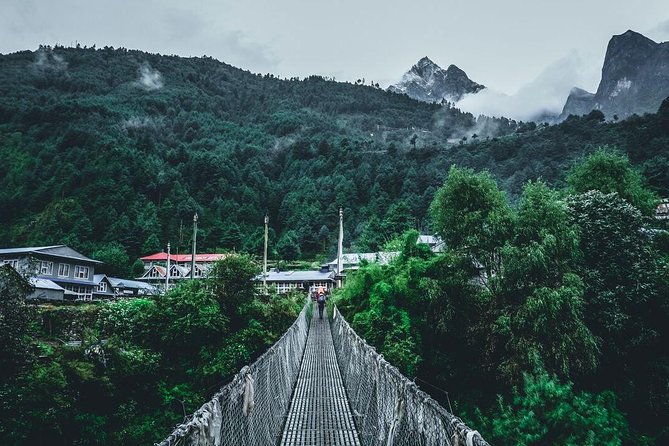
- Flight to Lukla and the Phakding warm-up (Days 2–3)
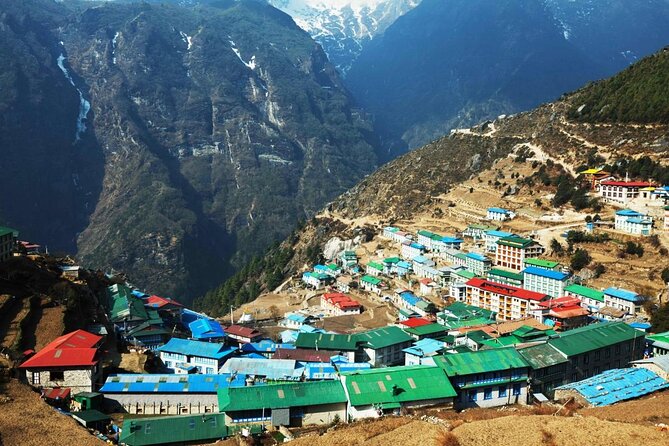
- Namche Bazaar: acclimatization done the smart way (Day 4)
- Tengboche and Dingboche: monastery stop and the altitude step-up (Days 5–7)
- Lobuche to Gorak Shep: the Base Camp approach (Days 8–9)
- Kala Patthar and Pheriche: the pre-dawn payoff (Day 10)
- The return: Namche and Lukla legs are long (Days 11–13)
- Tea houses and meals: where costs really show up
- Guides and coordination: what you can count on
- Who this Everest Base Camp budget trek is best for
- Should you book this budget Everest Base Camp trek?
- FAQ
- Is this trek in the Everest Base Camp region from Kathmandu
- How long is the trek
- What is included in the price
- What is not included
- Are meals included during the tea house stay
- What kind of flight is included
- Are there acclimatization days
- What is the highest viewpoint included in the plan
- How fit do I need to be
- How does cancellation work if weather is bad
Key highlights in plain terms
- Kala Patthar pre-dawn: the scheduled early climb for views of Everest, south Col, Nuptse, and lower glaciers
- Acclimatization built in: extra days in Namche Bazaar and Dingboche before going higher
- Tea house lodging for 10 nights: you’re covered on sleep; meals are extra
- Group size capped at 15: easier logistics, more manageable pacing
- Guide support that gets praised: feedback calls out coordinator Jiban and guides Tony and Tika as patient and helpful
What you really pay for: $400 budget math
On paper, this trek looks like a bargain for Everest Base Camp. The price is low largely because the package keeps things simple: you get 10 night tea house accommodation, round-trip flights Kathmandu (KTM) to Lukla (with the return back), and a guided trek with an English-speaking guide. There’s also private pickup and drop in Kathmandu, a preparatory session around arrival, and a comprehensive medical kit included.
But here’s the part you should plan for: the listed inclusions cover lodging and transport, not meals. Breakfast, lunch, and dinner are not included, and drinks cost extra. Tea houses typically require you to pay for food you eat, so your total spending can climb once you’re trekking every day. If you’re strict with your budget, you’ll still be fine, but you should assume you’ll spend more than the headline price on food and personal expenses.
Also note the optional costs that can pop up: trekking equipment isn’t included, and porter costs are listed as additional if needed. If you don’t want surprises, bring your own trekking basics and pack smart so you can carry what you need without going overboard.
You can also read our reviews of more tours and experiences in Kathmandu.
Kathmandu arrival: your first altitude-free moment (and how to use it)
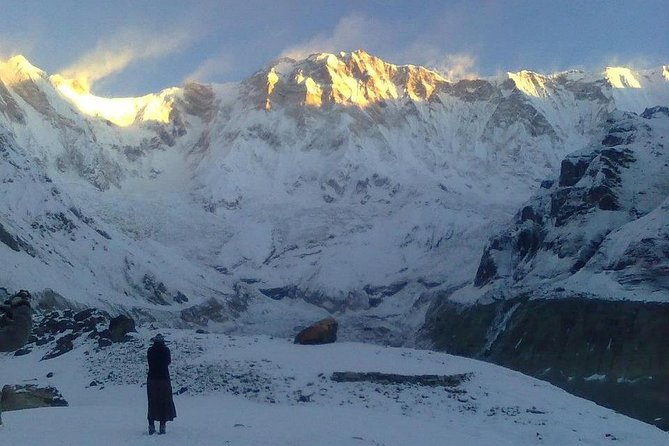
Day 1 is arrival in Kathmandu, followed by a preparatory session before and after arrival. This matters more than it sounds. You’re about to fly to Lukla, start trekking right away, and spend almost two weeks at elevation. A good prep session helps you understand what’s coming, how to pace yourself, and how to handle the early days.
Kathmandu is also where the pickup and drop are handled. If you land tired or jet-lagged, having transportation lined up is a real comfort. The trip includes private transfer support, so you’re not hunting taxis while jet-lagged and distracted.
Practical tip: in Kathmandu, you’ll be thinking about the basics—staying hydrated, getting a decent night’s sleep, and taking altitude seriously once you start moving.
Flight to Lukla and the Phakding warm-up (Days 2–3)
Day 2 flies from Kathmandu to Lukla, then you trek to Phakding. The distance listed is about 8 km with 3–4 hours of walking, starting at roughly 2,651 m (8,700 ft). This is a gentle on-ramp. You’re not conquering anything yet. You’re getting used to the rhythm: stop, breathe, walk, repeat.
Day 3 continues to Namche Bazaar, about 11 km and 5–6 hours. You’ll be climbing to around 3,438 m (11,280 ft). This is where you start feeling like you’re in the Everest region. The trail becomes more demanding, and you’ll likely notice that walking slower feels better than pushing pace.
One reason I like this itinerary for a budget trek: it doesn’t throw you into the deep end. You walk enough to feel the mountains, but you still have time to adapt before the big acclimatization day.
Namche Bazaar: acclimatization done the smart way (Day 4)
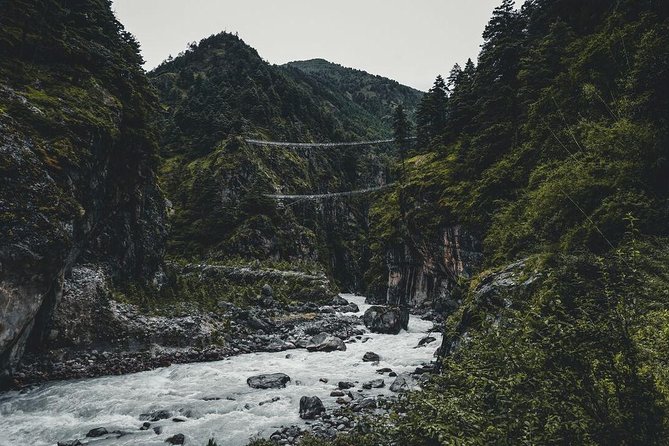
Day 4 is an acclimatization day in Namche Bazaar at about the same elevation, around 3,440 m. This isn’t a random day off. It’s a chance to let your body catch up.
I like that you’re not forced to rush higher every single day. Everest trekking is as much about timing your altitude exposure as it is about fitness. In practical terms, your lungs need time to work better, and your body needs time to learn how to rest while you’re still high.
Namche is also a place where you’ll find a more social rhythm. The route description even includes an Irish Pub stop in the itinerary, which can be a nice change of pace after a stretch of trail walking. Drinks cost extra, but having somewhere familiar to break up the monotony can help morale.
Tengboche and Dingboche: monastery stop and the altitude step-up (Days 5–7)
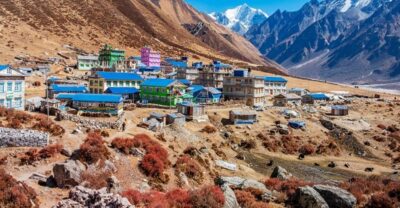
Day 5 takes you from Namche to Tengboche. It’s about 10 km and 5–6 hours, climbing to roughly 3,870 m. Tengboche includes a stop at Tengboche Gompa, which is a traditional monastery setting—one of those moments where the trek feels more than just a workout.
Day 6 continues to Dingboche (about 9 km, 5–6 hours) to roughly 4,360 m. This is a real jump in altitude from the earlier days. The pace matters here. Walking steadily usually beats powering up.
Day 7 is another acclimatization day, again giving your body time at around 4,360 m. That second acclimatization day is a big reason this plan feels safer than a rushed schedule. If your goal is Everest Base Camp without turning the trek into a suffering contest, this is the kind of structure that helps.
Lobuche to Gorak Shep: the Base Camp approach (Days 8–9)
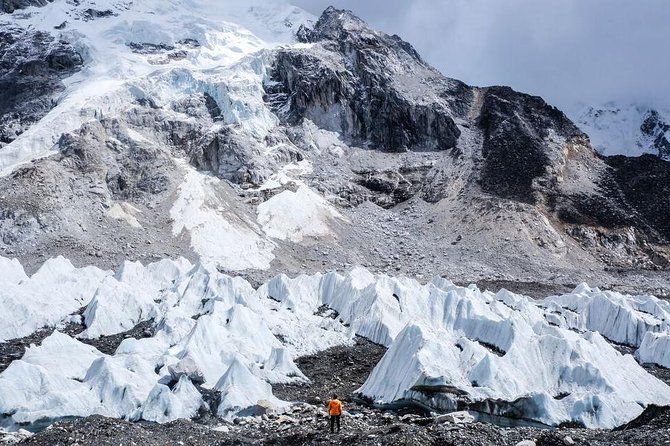
Day 8 goes from Dingboche to Lobuche, about 7 km and 5–6 hours, reaching roughly 4,940 m. Shorter distance, steeper effort. At these elevations, even a small walk can feel like you’re working.
Day 9 is a long day by comparison: Lobuche to Gorak Shep is listed at 13 km and 6–7 hours, then you visit Everest Base Camp at about 5,364 m (17,594 ft). The overnight in Gorak Shep usually sets up the next day’s early climb, which is where most people feel the fatigue catch up with them.
Also pay attention to what’s included in the itinerary logic: you’re reaching the area of base camp, not just seeing it from far away. That’s a major part of why Everest Base Camp trekking is so popular, even on a budget.
Kala Patthar and Pheriche: the pre-dawn payoff (Day 10)
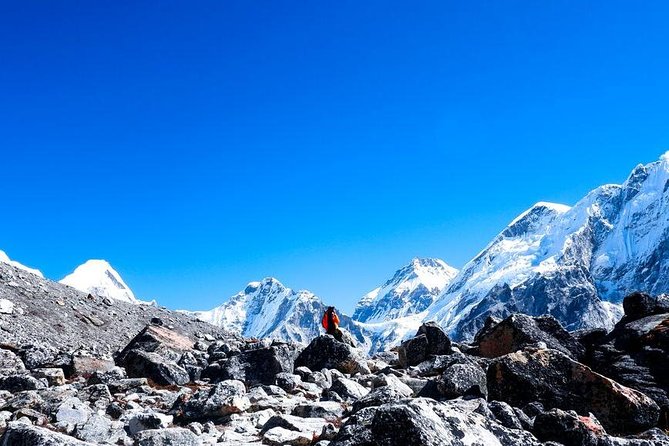
Day 10 is the day that makes people remember the trip. It’s listed as Gorak Shep to Kala Patthar (about 5,545 m), then on to Pheriche around 4,288 m. The walking time is long—16 km and 7–8 hours. And because Kala Patthar is described as a popular vantage point with a pre-dawn climb, expect early starts and cold conditions.
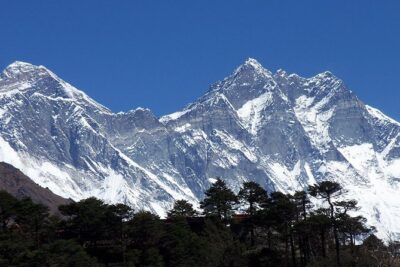
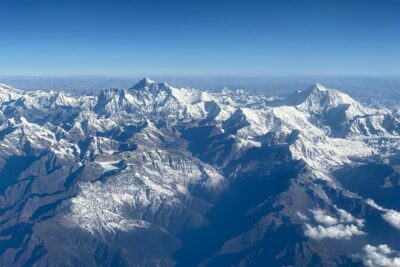
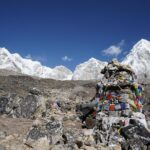
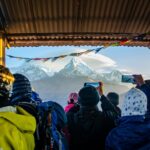
This is the trade-off: you give up sleep and comfort, then you get a view that’s hard to replicate. The trek summary calls out the grand panorama of Everest, south Col, Nuptse, and lower glaciers. On a budget itinerary, you’re still getting the big visual moment without paying for a helicopter or a guide-only premium route.
By the time you’re walking from Kala Patthar toward Pheriche, you’re not just climbing anymore—you’re finishing the day with descent fatigue. Keep your steps controlled. On this kind of terrain, a cautious pace can save your knees.
The return: Namche and Lukla legs are long (Days 11–13)
Day 11 is Pheriche to Namche Bazaar, listed at 20 km and 6–7 hours. That’s a lot of walking. The elevation drops a lot, but your legs still feel it because you’re moving for hours on uneven ground.
Day 12 continues Namche to Lukla, 19 km and 6–7 hours. Then Day 13 is the flight back to Kathmandu.
Two thoughts for you here. First, budget treks sometimes feel hardest on the way down because the altitude is still draining you even when you’re descending. Second, long return days are where good group pacing matters. With a max group size of 15, you’re less likely to get stuck with a wildly mismatched pace.
Tea houses and meals: where costs really show up
The trek includes tea house accommodation for 10 nights, which means you’re covered for sleeping arrangements. It does not include your meals: breakfast, lunch, and dinner aren’t included, and drinks and beverage costs are extra.
Here’s the practical side. Food is part of how you keep trekking safely. You’ll want enough calories and fluids to fuel those higher days, especially Day 9 and the pre-dawn Day 10. Since meals aren’t included, budget a bit carefully. If you only eat what you can find cheap, you might end up under-fueled.
Also keep in mind that the trek is guided, and there’s a comprehensive medical kit included. That’s not a guarantee against altitude issues, but it signals that the operator is planning for the reality of trekking at elevation.
Guides and coordination: what you can count on
The feedback is strong on the human side of the trek. Coordinator Jiban is described as responsive and making sure everything is in place for a successful trek. On the trail, guides named Tony and Tika are highlighted as patient, knowledgeable, and helpful—steady support when you need it most.
That matters in Everest trekking. You’re dealing with altitude, weather changes, route finding in poor visibility, and the everyday decisions that affect comfort. When the guide team is calm and practical, the budget plan feels smoother, not chaotic.
If you like structure, this is the kind of group trekking setup that usually works: English-speaking guidance, a clear itinerary, and a small group size.
Who this Everest Base Camp budget trek is best for
This experience is best for you if you want the Everest Base Camp route without paying for higher-end comforts. You should also have a moderate physical fitness level, since you’re doing repeated multi-hour hikes and two acclimatization days that still involve time on your feet.
I’d also recommend it if you like the idea of tea-house trekking—simple, communal, and focused on the trail—rather than private transfers and boutique lodges.
If you’re someone who needs fully included meals to stay on budget, or you don’t want to carry gear and manage daily food choices, you might feel squeezed. The trek can be made to work, but it requires you to be proactive about what you bring and what you budget for each day.
Should you book this budget Everest Base Camp trek?
If your goal is Everest Base Camp with a reasonable price and you’re okay managing meals and personal spending on your own, I think this is a sensible way to go. The inclusions hit the big costs—round-trip flights to Lukla, 10 nights of tea-house lodging, and guided support with a medical kit. Add two acclimatization days and a planned pre-dawn Kala Patthar viewpoint, and you get the key ingredients most people are chasing.
My main caution is simple: plan for food, drinks, and any extra equipment or porter needs. If you treat the $400 as a starting point and budget smart for daily life in the mountains, this trek should feel like good value. If you expect every comfort and every meal included at that price, you’ll likely feel disappointed.
If you want Everest Base Camp as a classic, guided, budget-forward trek—this one fits the bill.
FAQ
Is this trek in the Everest Base Camp region from Kathmandu
Yes. The trip is based in Kathmandu, and it includes a round-trip flight from Kathmandu to Lukla and back.
How long is the trek
The duration is listed as approximately 14 days.
What is included in the price
The package includes 10 night tea house accommodation, round trip flights KTM-Lukla-KTM, private transportation pick up and drop, an English speaking trekking guide, certificates, a comprehensive medical kit, government and local taxes, and preparatory sessions before and after arrival.
What is not included
Visa cost, international airfare, drinks and beverage cost, insurance cost, trekking equipment, additional porter or equipment cost, personal expenses, tips and shopping cost, and breakfast, lunch, and dinner.
Are meals included during the tea house stay
No. Breakfast, lunch, and dinner are not included.
What kind of flight is included
You get round trip flights from Tribhuvan International Airport to Tenzing-Hillary Airport and back.
Are there acclimatization days
Yes. The itinerary includes an acclimatization day in Namche Bazaar and another acclimatization day in Dingboche.
What is the highest viewpoint included in the plan
Kala Patthar is included, with a pre-dawn climb to reach about 5,545 m.
How fit do I need to be
Travelers should have a moderate physical fitness level.
How does cancellation work if weather is bad
The experience requires good weather. If it’s canceled due to poor weather, you’ll be offered a different date or a full refund. Free cancellation is available up to 24 hours in advance for a full refund.