REVIEW · KATHMANDU
Mera Peak Climbing
Book on Viator →Operated by Nepal Guide Treks and Expedition P. Ltd. · Bookable on Viator
That high-altitude summit feeling starts way before you rope up. This Mera Peak climb pairs serious views of multiple 8000m giants with a trek through the remote Hongu and Hinku valleys and hands-on highland Sherpa community culture. I love the big-deal payoff of climbing Mera Peak, knowing your route is built around the Everest region’s scale, not just a checklist. And I really like that the trek includes both tea houses and camping, so you get Nepal’s comfort zones and its wilder side in the same trip.
The main consideration for me is altitude risk and weather reality. You’re paying for a guided, equipped expedition, but you still need strong fitness and you’ll need to take acclimatization seriously—especially since snow and route closures can happen.
In This Review
- Key Things I’d Watch Before You Go
- Mera Peak: A 6,000m-Class Climb With Everest-Region Views
- Price and Value: $3,000 Means You’re Buying Structure
- What’s included (the value core)
- What’s not included (what you must plan for)
- Kathmandu: Your First 4 Nights Set the Tone
- Hongu and Hinku Valleys: Wild Scenery, Real Pacing
- Tea houses and camping: comfort plus character
- Food and small altitude rules you should actually follow
- Summit Strategy: Acclimatization, Then Either Adapt or Descend
- Start with prevention
- If you feel sick, don’t panic—then watch the trend
- Guides and Sherpas: The Support That Makes Bad Weather Feel Manageable
- Route changes happen—this team adjusts
- Communication before and during the trip
- Specific guide names show up in the feedback
- Who This Trip Fits Best (and Who Should Think Twice)
- What Your Trek to High Altitude Will Feel Like
- Should You Book Nepal Guide Treks and Expedition for Mera Peak?
- FAQ
- How long is the Mera Peak climbing experience?
- Where does the trip start?
- What’s included in the price?
- Are personal climbing gears included?
- What age and fitness level do I need?
- What’s the maximum group size?
- What’s the cancellation window for a full refund?
Key Things I’d Watch Before You Go
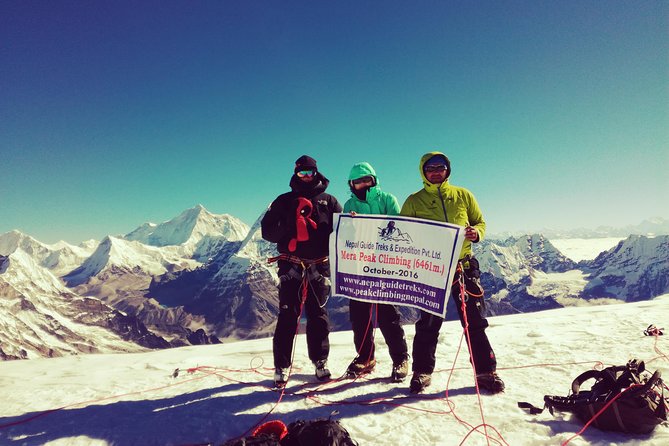
- Official trekking-peak challenge: Mera Peak is described as Nepal’s highest permitted trekking peak rising south of Everest.
- Big 8000m viewpoints: You’re set up to see Everest-area giants like Everest, Cho Oyu, Makalu, Kanchenjunga, Lhotse, and others.
- Wild trekking country: The plan emphasizes the Hongu and Hinku valleys, described as uninhabited and beautiful.
- Sherpa culture on the trail: You spend time around highland Sherpa communities, not just passing through.
- Safety gear and altitude planning: The info highlights Diamox, a Gamow bag, and altitude gear—so you should confirm what’s actually provided.
- Small max group: Up to 15 travelers, so logistics are simpler than big treks.
Mera Peak: A 6,000m-Class Climb With Everest-Region Views
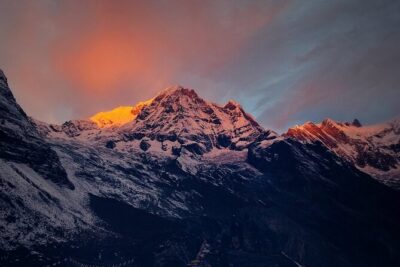
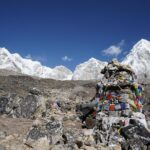
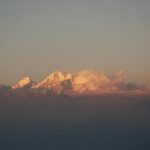
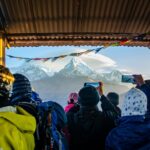
Mera Peak is often chosen by people who want the Everest region experience without trying to tackle Everest itself. In your case, the draw is straightforward: the summit area is positioned so you can look out at multiple 8000m mountains. The route highlights mention Mt. Everest (8848m), Mt. Cho Oyu (8201m), Mt. Makalu (8485m), Mt. Kanchenjunga (8586m), and Mt. Lhotse (8516m), plus other peaks inside the Everest region.
What that means for you in practice: your effort has payoff. You’re not climbing just to say you climbed. You’re climbing toward a view that feels like the “main stage” of the Himalaya from a single high point.
Also, this trip is designed for people who are serious about altitude but still want a structured, guided expedition. Reviews reinforce that it’s a good fit for first-timers to Nepal who want safety, planning, and a real attempt at the summit—without improvising logistics.
You can also read our reviews of more tours and experiences in Kathmandu.
Price and Value: $3,000 Means You’re Buying Structure
$3,000 per person is not cheap, but the inclusions help you understand what you’re actually paying for.
What’s included (the value core)
- 4 nights in Kathmandu with BB plan
- Mera Peak climbing permits
- Tea house + camping combined food and accommodation during the trek
- An experienced trekking & climbing guide
- All necessary climbing gears
That last point—gear—matters. Many trips advertise “gear provided,” but sometimes it’s really just the basics. Here, it’s explicitly listed as all necessary climbing gears. Still, I’d personally confirm the exact list for your model of climbing and your personal comfort items.
What’s not included (what you must plan for)
- International airfares and departure tax
- Personal climbing gears
- Personal expenses
- Tips to guides/porters
So here’s the honest math: you’re paying for planning, permits, a guide, and most expedition equipment, plus food and lodging on the trek. You still need to bring your personal gear and budget for tips and extra spending.
One more “value” factor: the tour allows a maximum of 15 travelers. Smaller groups typically mean fewer bottlenecks on logistics, and your guide can pay closer attention to pacing—important when altitude is on the clock.
Kathmandu: Your First 4 Nights Set the Tone
Before you go high, you start in Kathmandu—specifically with 4 nights stay with BB plan. That’s not just filler. Kathmandu is where your expedition becomes real: you confirm details, sort clothing and personal gear, and get your body ready for the swing from city life into mountain routine.
The meeting point is listed as Tribhuvan Airport (Kathmandu, Nepal), with a daily meeting window. Also, the tour notes pickup offered, plus mobile ticket. In real terms, that means you’re less likely to waste your energy on “how do I get from A to B?” and more likely to get your bearings fast before the trek begins.
If you’ve arrived recently and things feel chaotic—flight delays, confusing schedules, or internal travel disruptions—this is still the part where a responsive operator can save your trip. Reviews include examples of confusion during difficult periods, and communication that helped the plan adjust.
Hongu and Hinku Valleys: Wild Scenery, Real Pacing
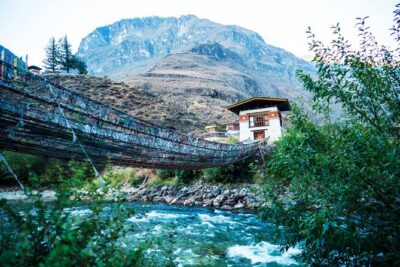
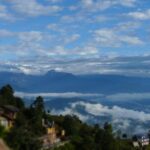
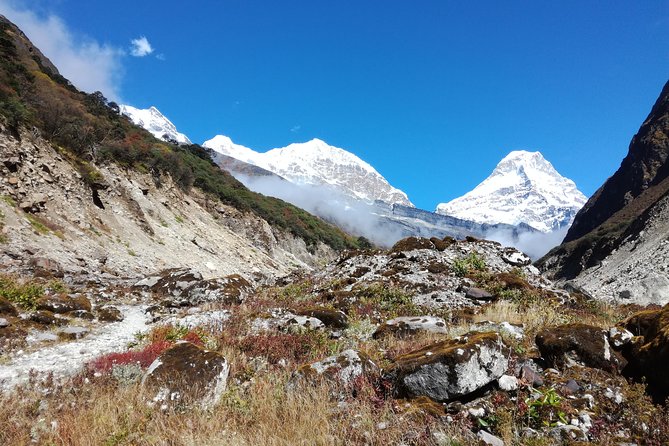
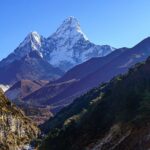
The trip highlights include exploration around Hongu and Hinku valleys, described as wild, uninhabited, and beautiful. This is the kind of trekking that’s about more than walking uphill for the sake of a summit date. You’re moving through valleys where the feeling is quieter and more spacious—exactly what you want when you’re preparing for high altitude later.
Tea houses and camping: comfort plus character
The included accommodation is a combo: tea house + camping during the trek. Here’s why that matters to your experience:
- Tea houses can give you a warm rest, food you can actually eat, and a bathroom situation that feels more predictable.
- Camping adds the real expedition feel: you learn how weather and gear choices affect your comfort.
This mix is a practical way to balance “Nepal travel” with “climb expedition.” And it helps you train your body for the rhythm you’ll need later on the mountain.
Food and small altitude rules you should actually follow
The provided expectations are specific, and I like that: they’re actionable. For example:
- Drink enough water, aiming for 2–3 litres a day of lukewarm water
- Avoid alcohol and smoking
- Eat light food that’s high in calories
- Add ginger and garlic in your food
These tips are not glamorous, but they work. At altitude, dehydration and poor intake can snowball quickly. The “lukewarm water” detail is a clue: your body tends to tolerate it better when cold and tired.
Summit Strategy: Acclimatization, Then Either Adapt or Descend
The summit attempt is the whole reason people book Mera Peak. But the best part of this trip for peace of mind is how the safety guidance is framed.
Start with prevention
Your instructions emphasize:
- Hydrate consistently
- Avoid alcohol and smoking
- Eat light but calorie-dense food
- If possible, travel to low altitude to help your condition (talk to your guide)
This is where you follow your guide’s call based on your real condition, not your ego.
If you feel sick, don’t panic—then watch the trend
The guidance gives a clear decision tree:
- If sickness is mild: stay where you are, don’t panic, sleep sufficiently, drink enough water.
- If it doesn’t get better after acclimatizing: start descending your climbing.
- If the case is serious: descend immediately.
- Use Diamox pills for serious altitude issues, as noted in the trip info.
- A Gamow Bag (high-pressure inflatable bag) can restore oxygen level and air pressure—but check whether the organizer provides all altitude gear.
That last line is important. It’s not enough to assume equipment exists because it’s mentioned. Ask directly what’s in your altitude safety kit.
If you want a trip that feels safe, you should be the kind of traveler who can discuss these details before problems appear.
Guides and Sherpas: The Support That Makes Bad Weather Feel Manageable
One of the strongest signals in the reviews is about people, not just routes. You’ll read about real names and real outcomes, and it helps you understand how the team behaves when things go off-script.
Route changes happen—this team adjusts
One review describes an original route that couldn’t happen due to heavy snowstorms in late October, including closure of Amphu Laptsa Pass. In that situation, the agency adjusted the plan smoothly with the help of Sherpa Gelchen. That matters because it’s exactly what you need during mountain weather: flexibility without losing safety.
Another review mentions very bad weather and people returning without summiting, while the climbing team did their best and supported a successful outcome for their group.
Communication before and during the trip
Multiple reviews praise responsiveness, including pre-trip communication on WhatsApp, and the feeling that you can contact the team anytime about plans.
I also like that one solo female traveler highlighted the comfort of traveling with a group where logistics are handled and safety feels considered. That doesn’t mean every moment is relaxed, but it does mean you’re not stuck solving problems alone.
Specific guide names show up in the feedback
You’ll see credit given to:
- Sonam Sherpa and porters for making the experience memorable
- Dandee and Sherpa Ming-ma for an incredible dream trip
- Samdu for knowledgeable guidance and handling stomach illness while still enabling an attempt for the summit
- Dende for finding solutions during weather delays so the summit goal stayed in reach
The practical takeaway: you’re buying not only equipment and permits, but decision-making. When a body isn’t feeling right or weather changes the plan, a good guide can protect your timeline and your safety.
Who This Trip Fits Best (and Who Should Think Twice)
This tour is designed for people with:
- Minimum age: 18
- Strong physical fitness level
- A willingness to follow acclimatization guidance and accept that summit day may depend on conditions
If you’re the type who trains consistently, understands altitude is not a joke, and you want a guided attempt at a high mountain without running logistics yourself, this seems like a strong match.
If you’re unsure about your readiness, don’t treat that as “maybe you’ll be fine.” Ask for advice early, be honest about your fitness and medical history, and talk to a doctor if available, since the trip information explicitly encourages consulting medical help.
Also, consider your expectations about “remote.” The trip leans into wild valleys, plus camping nights. If you want fully comfortable hotels every night, this won’t be that kind of trip.
What Your Trek to High Altitude Will Feel Like
Even though the exact day-by-day schedule isn’t spelled out here, the structure is clear: you’ll spend time in Kathmandu, trek through Hongu and Hinku valleys, use a tea house + camping style of lodging, and then shift into a climbing rhythm toward Mera Peak.
Here’s what you can reasonably expect in mood and logistics:
- Days will be physical, paced around altitude, not speed
- Meals matter: you’ll want light food that still gives calories
- Water intake becomes a priority
- Weather can force changes
- The team’s decisions guide what happens on summit day
It’s also worth remembering the trip duration: about 18 days. That gives you a real acclimatization window and reduces the pressure to rush. In high-altitude climbing, having extra breathing room usually beats “fast and lucky.”
Should You Book Nepal Guide Treks and Expedition for Mera Peak?
I’d tell you to book if this describes you:
- You want an Everest-region peak experience tied to real 8000m views
- You’re okay with a trek that mixes tea houses and camping
- You want an operator with clear safety guidance (Diamox, Gamow bag concept) and strong communication
- You value guides who handle problems and weather changes rather than pretending everything is guaranteed
I’d tell you to think twice if:
- You’re not prepared to prioritize altitude safety over summit dreams
- You don’t have the fitness base the trip calls for
- You’re expecting everything to be perfectly predictable—because mountain weather and route conditions can change
If you do book, the best move is simple: confirm the exact personal gear list and verify whether the altitude gears mentioned (like the Gamow bag) are actually provided by the organizer, not just referenced in general guidance.
FAQ
How long is the Mera Peak climbing experience?
The duration is listed as approximately 18 days.
Where does the trip start?
The starting point is listed as Tribhuvan Airport in Kathmandu, Nepal.
What’s included in the price?
Included are 4 nights in Kathmandu with a BB plan, Mera Peak climbing permits, tea house plus camping combined food and accommodation during the trek, an experienced trekking & climbing guide, and all necessary climbing gears.
Are personal climbing gears included?
No. Personal climbing gears are not included.
What age and fitness level do I need?
Minimum age is 18 years, and you should have a strong physical fitness level.
What’s the maximum group size?
The tour/activity has a maximum of 15 travelers.
What’s the cancellation window for a full refund?
You can cancel up to 24 hours in advance for a full refund. If you cancel less than 24 hours before the start time, the amount paid is not refunded.