REVIEW · KATHMANDU
Kathmandu: Full-Day UNESCO Sightseeing Tour with Transfers
Book on GetYourGuide →Operated by Accessible Adventure Private Limited · Bookable on GetYourGuide
Kathmandu has a way of pulling you in fast. This private, guided circuit strings together Hindu temples and major Buddhist stupas, with UNESCO World Heritage stops that you can actually see in one working day. I like the straightforward flow—pickup, guided site time, photo breaks, then back to your hotel. I also like that the guide is a Nepal Government–licensed professional and you get real explanations for what you’re looking at, not just a checklist.
My favorite part is the mix of spiritual sights and lived-in rituals. At Pashupatinath, you’ll watch Hindu ceremonies in a place dedicated to Lord Shiva. At Swayambhunath, you get stupa detail plus the famous monkey temple vibe, along with hilltop views across Kathmandu Valley.
One thing to consider: this is a walking-and-stairs kind of day. Even with private transport between stops, you’ll spend time on temple grounds, and you may have queues or pace changes depending on conditions, so bring comfortable shoes and keep expectations flexible.
In This Review
- Key highlights worth planning for
- Why This UNESCO Kathmandu Loop Works So Well
- Price, Time, and What’s Included (and What Isn’t)
- Pashupatinath Temple: Hindu Rituals You Can Watch Up Close
- Swayambhunath (Monkey Temple): Prayer Wheels and Hill Views
- Patan Durbar Square and the Kumari Blessing Moment
- Boudhanath Stupa: One of the World’s Largest, in Real Daily Use
- Timing, Walking, Markets, and How to Prepare
- Should You Book Accessible Adventure’s UNESCO Kathmandu Tour?
- FAQ
- How long is the Kathmandu UNESCO sightseeing tour?
- What sites are included on the tour?
- Is hotel pickup and drop-off included?
- Is lunch included?
- Are monument entry tickets included?
- What languages will the guide speak?
- Is the tour private and wheelchair accessible?
- Do I get water during the tour?
Key highlights worth planning for
- Private hotel pickup and drop-off so you’re not hunting buses or meeting points
- Pashupatinath + Swayambhunath + Patan + Boudhanath in one smooth cultural loop
- UNESCO sites with a guide who connects architecture to daily religious life
- Kumari blessing option at Patan, adding a rare cultural moment
- Prayer wheels, chanting, and ritual scenes at Boudhanath and the stupa complexes
- Multi-language guide support (English/Spanish listed, plus other languages depending on availability)
Why This UNESCO Kathmandu Loop Works So Well
If you only have one day (or you just want the most meaningful highlights without overplanning), this route makes sense. It hits the big religious power centers: a major Hindu temple, two major Buddhist stupa complexes, and Patan’s UNESCO historic square. Each stop has its own feel, so the day doesn’t turn into one long copy-paste of stone and stairs.
You’ll also travel with private transportation, which matters in Kathmandu. Short rides between sites buy you time for the parts that need patience—observing rituals, looking closely at carvings, and getting photos without rushing through everything. And you’ll get a quick safety briefing at the start, which helps you get your bearings fast.
The tour is also designed as a private group. That means you can go at the pace you need, and the guide can respond to requests. One reviewer specifically called out how well their guide handled wishes during the day, and another mentioned Parash for an impressive experience—so you’re not stuck with a rigid script.
You can also read our reviews of more tours and experiences in Kathmandu
Price, Time, and What’s Included (and What Isn’t)
The price is $60 per person for a private-group day that’s listed as around five hours. The morning pickup is set for about 8:30 AM, with the schedule returning you later in the day. Exact timing can shift based on local conditions, but the structure stays the same: pickup, multiple guided stops, lunch break, then hotel drop-off.
Here’s what you’re getting for your money:
- Hotel pickup and drop-off
- Private transportation
- A licensed tour guide
- One water bottle per person
- A mix of guided time and free time at key stops
What you should plan for separately:
- Monument entry tickets are not included
- Lunch isn’t listed as included—there’s a lunch break where you can eat at a local restaurant
For value, I’d frame it like this: you’re paying for the convenience of private transport plus guided access to the meaning behind the architecture and rituals. If you tried to piece this together on your own—getting the right guides, timing entry fees, and managing multiple transfers—you’d likely spend a similar amount in time and logistics, even before factoring in the hassle.
Pashupatinath Temple: Hindu Rituals You Can Watch Up Close
Your day starts at Pashupatinath Temple, one of Kathmandu’s most important Hindu sites, dedicated to Lord Shiva. The big win here is that this isn’t just a pretty temple stop. You’ll see intricate architecture and watch Hindu rituals as they happen, which makes the whole place feel alive in a way static photos can’t capture.
The guide’s role matters at this stop. You’re not just wandering the grounds—you’re getting context for what you’re seeing, so symbols and actions make sense instead of feeling random. There’s also time to look around, plus some flexibility depending on how you like to travel.
Potential drawback: Pashupatinath is a high-attention place. That means it can feel busy around ceremony times, and you may not control every moment. The tour does include walk time and guided time, so build in patience. If you prefer quiet contemplation over watching rituals, carve out extra free time where you can step back and observe from a comfortable spot.
Practical move: bring a camera plan. This is a temple where people come to pray, not just to take pictures. You’ll get photo chances, but treat them like respectful pauses rather than the main event.
Swayambhunath (Monkey Temple): Prayer Wheels and Hill Views
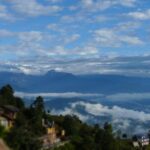
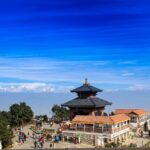
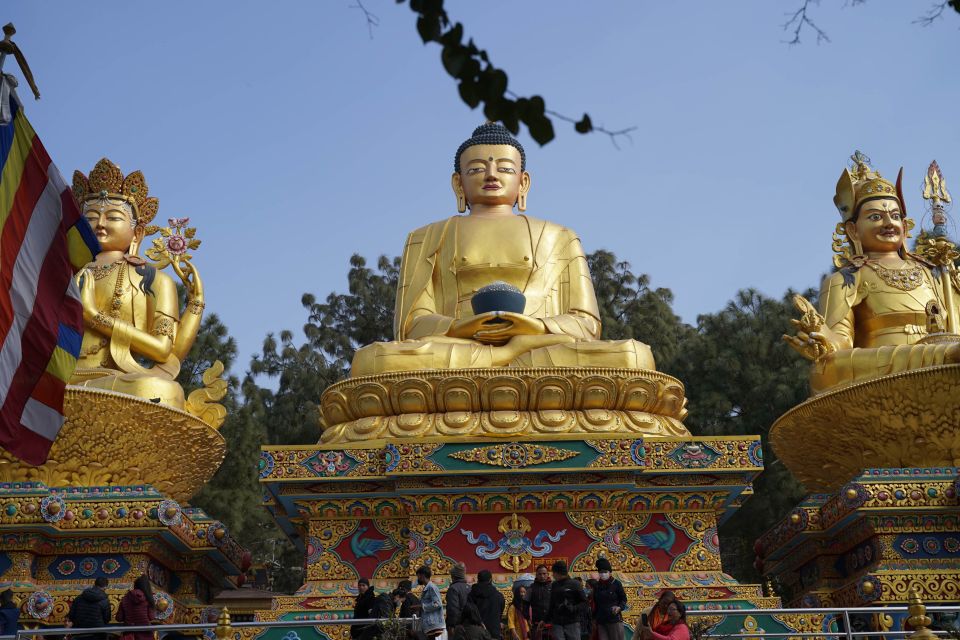
Next you head to Swayambhunath, often called the Monkey Temple. It’s a Buddhist stupa on a hill, and the setting is part of the draw. You’ll explore the stupa complex and see prayer wheels up close, plus you’ll get panoramic views across Kathmandu Valley.
This stop is a nice change of pace from Pashupatinath. You shift from Hindu ritual observation to Buddhist practices centered on stupa life—spinning prayer wheels, moving through the complex, and watching how devotion looks in motion.
Then there are the monkeys. They’re playful, and they can become the unplanned entertainment of your day. Keep your phone and bag secure, and don’t treat them like cute decorations—treat them like animals that run on their own rules.
A small consideration: being on a hill means more walking and possibly uneven steps. The tour includes scenic drives on the way, but this particular part is physical. If you know you tire quickly on stairs, plan to use your free time strategically—spend longer where you can rest, not only where you can take photos.
Patan Durbar Square and the Kumari Blessing Moment
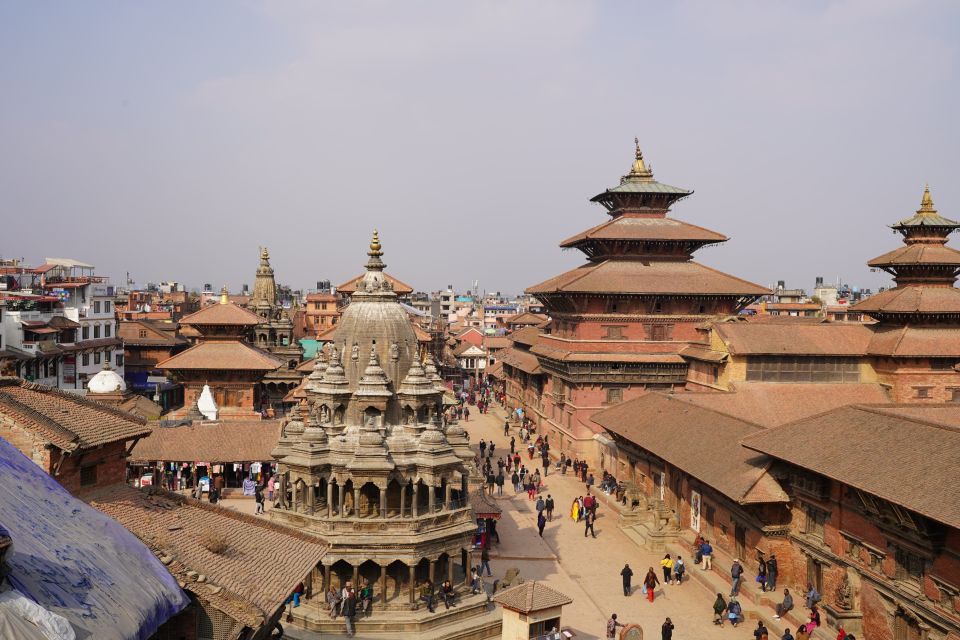
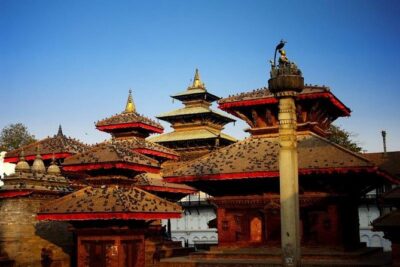
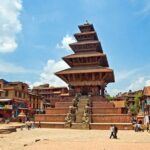
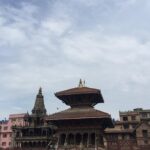
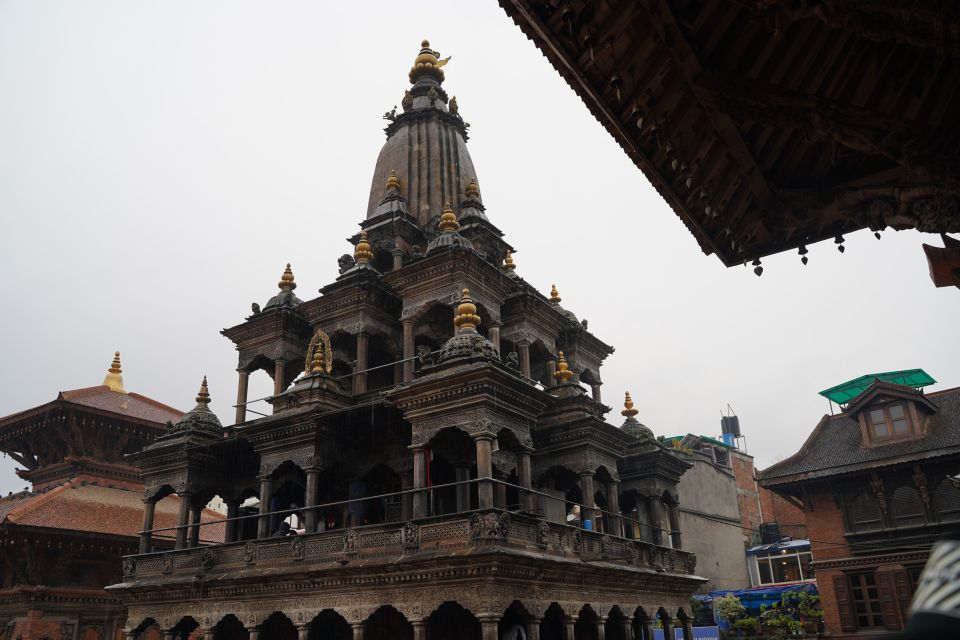
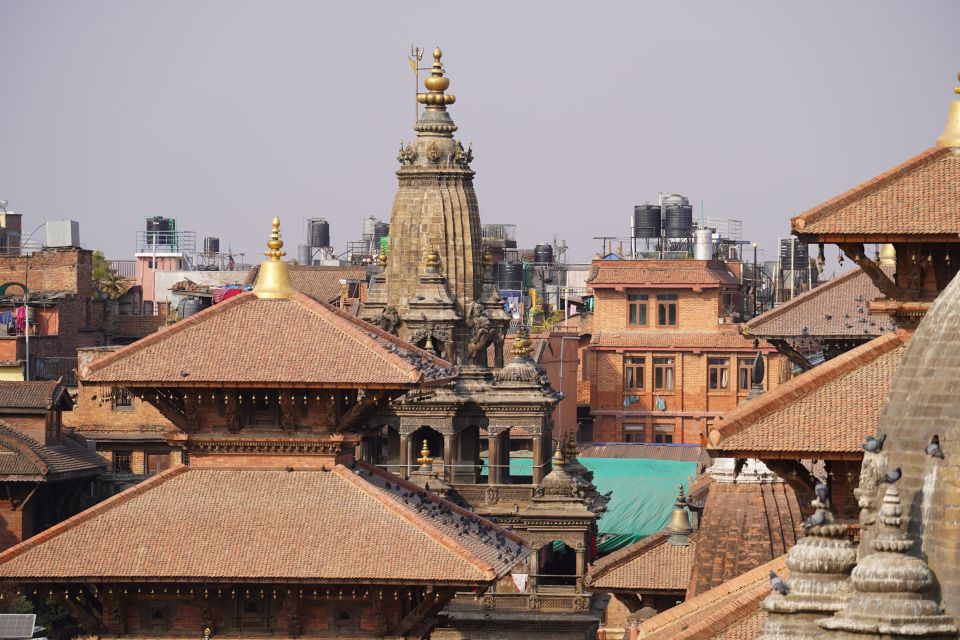
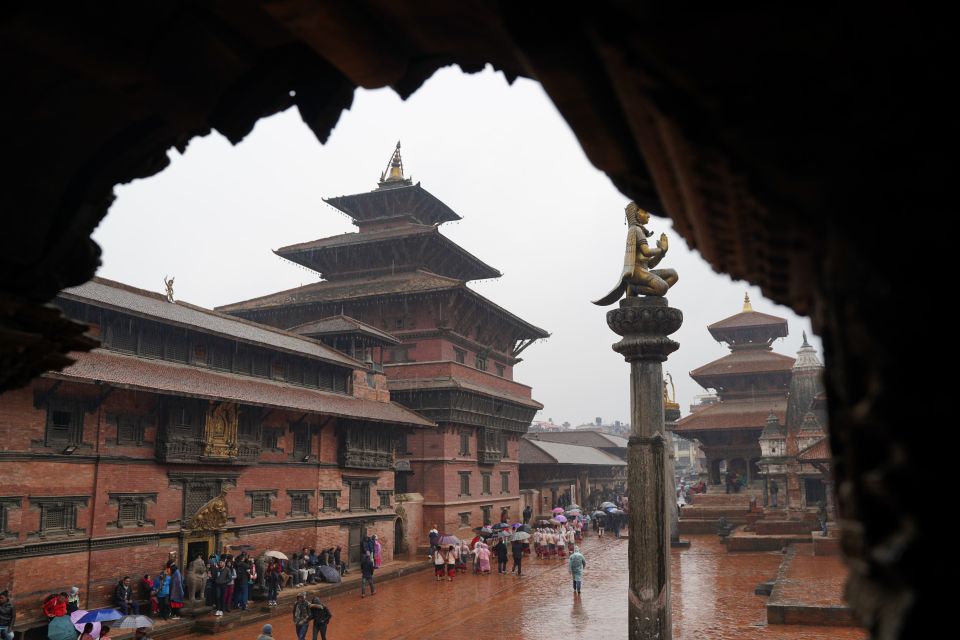
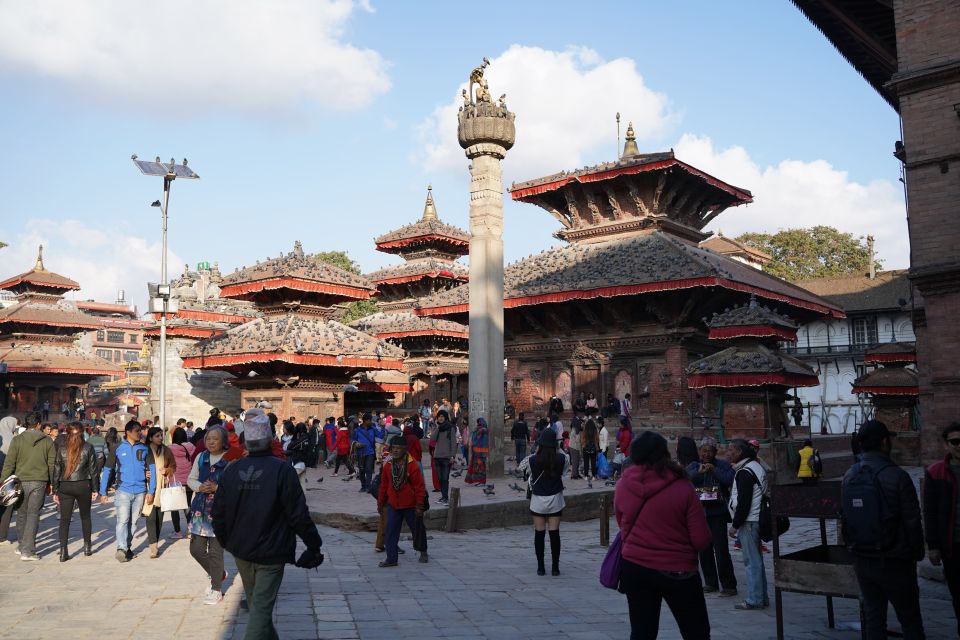
After lunch, the tour heads to Patan Durbar Square, a UNESCO World Heritage Site. Patan’s old square has a different flavor than Kathmandu’s main areas, with tightly packed heritage buildings and lots of carved stone detail. You’ll get a guided visit plus time to wander and take photos.
What I like here is the variety of what you can look at in a small space: the royal palace area, intricately carved temples, and ancient statues. Even if you’re not a “history person,” the guide’s explanations help you see what’s decorative versus what’s symbolic.
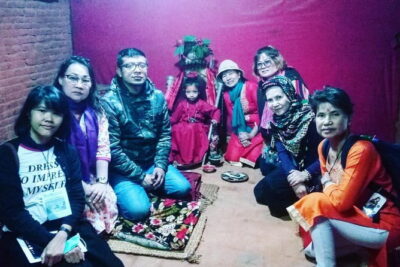
The tour also includes a special cultural opportunity in Patan: a chance to seek blessings from the living goddess, Kumari. That’s a rare, high-interest moment, and it adds something beyond the usual temple-and-stupa circuit. If this is one of your priority experiences, make sure you’re mentally ready for how the visit works in practice—your schedule can depend on conditions and local flow.
Possible drawback: since this is a living tradition tied to specific rules and timing, you may need to accept some uncertainty about how the blessing moment fits into your free time. The tour notes that pacing can be adjusted, which usually helps.
Boudhanath Stupa: One of the World’s Largest, in Real Daily Use
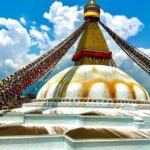
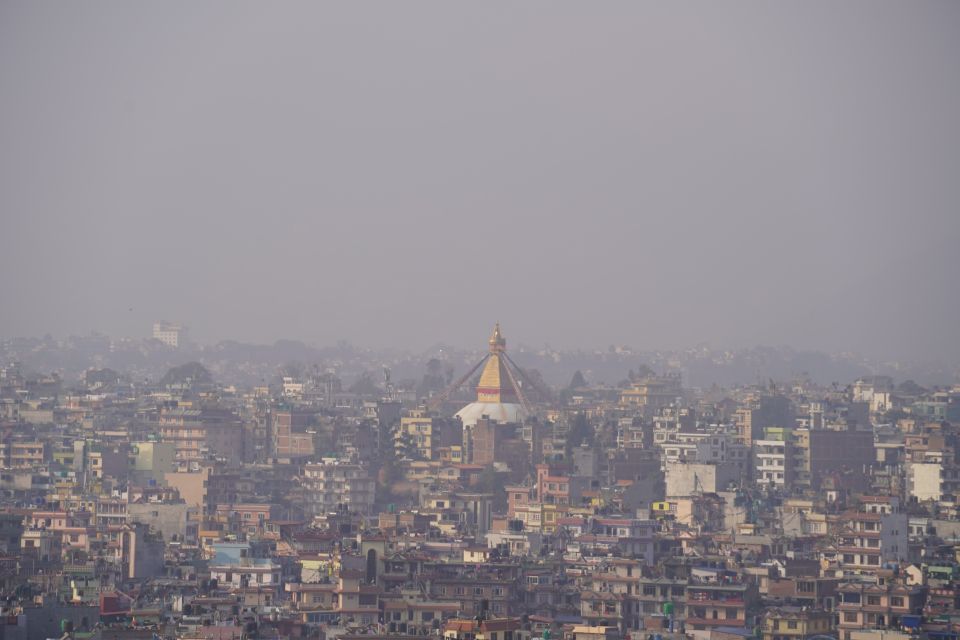
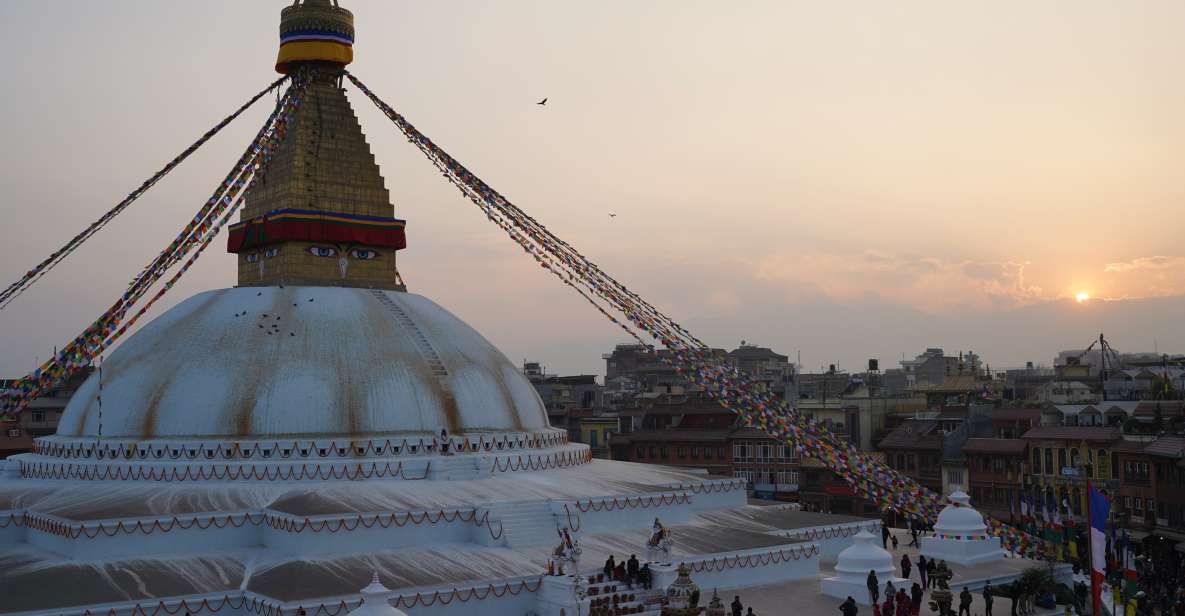
Your final major stop is Boudhanath Stupa, described as one of the largest Buddhist stupas in the world. This is where the tour really leans into everyday Buddhism. You’ll see devotees performing rituals, spinning prayer wheels, and chanting prayers while they circumambulate the stupa.
The biggest value here is the atmosphere. Boudhanath isn’t a silent museum object; it’s a functioning place of devotion. As the guide explains what you’re watching, you’ll understand the purpose behind the movement: people circle with intention, and the stupa’s design supports that routine.
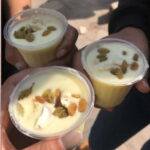
The tour includes free time and a photo stop feel, so you can linger if that’s your style. And there’s a chance for local snacks, which can help you keep energy up before the return drive.
One consideration: Boudhanath can attract a lot of attention. If you’re sensitive to crowds or noise, plan to stay calm and take breaks. The tour’s structure—guided time plus free time—helps you control how long you stay in the busiest areas versus the quieter edges.
Timing, Walking, Markets, and How to Prepare
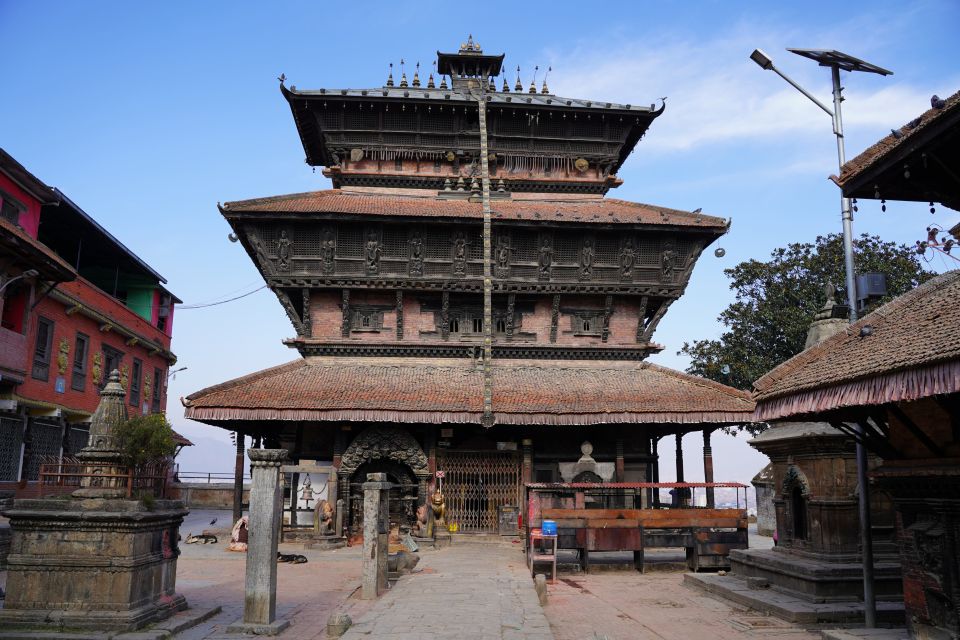
This tour has a lot packed into one day, but it’s organized so you’re not stuck rushing. Between temple stops, you’ll have scenic drives and guided walking time. There can also be market moments included in the day’s flow, such as a food market visit and an arts-and-crafts market stop, plus a chance to snack depending on the day.
What to prepare for:
- Comfortable shoes for temple grounds and stupa areas
- Sun protection for outdoor segments
- A small plan for photos (you’ll want them, but respect the space)
- Cash or card for lunch and any monument entry fees
If you’re worried about pacing, that’s fair. The tour explicitly notes that itinerary order can shift and the pace can be adjusted. In practice, that means you’re better off traveling with a flexible mindset rather than timing every moment like a train.
Also, check comfort needs. The tour is wheelchair accessible, and private transport makes it easier to manage mobility than public transit would.
This is the kind of day where you should decide what you value most: guided explanations, close observation of rituals, or extra time for photos. You can’t maximize everything at every stop, but you can choose your priorities with help from the guide.
Should You Book Accessible Adventure’s UNESCO Kathmandu Tour?
I’d book this tour if you want a high-value “hits and meaning” day: major UNESCO sites, real ritual observation, and a guide who helps you connect the architecture to the people using it. It’s especially good if you like structure but still want some breathing room during free time at the stupa complexes and squares.
Skip it (or consider a different plan) if you hate walking on uneven steps, or if you’d rather stay longer at only one site instead of sampling four major ones. Also, be ready for extra costs you’ll handle yourself, like monument entry tickets and lunch.
If Kumari is on your list, this is one of the more direct ways to include it in a tight schedule. And if you’re traveling with accessibility needs, the wheelchair accessibility and private transport are practical advantages.
Bottom line: for one-day Kathmandu UNESCO touring, this is a sensible route with strong organization, smooth transportation, and guides who work around your pace—exactly what you want when the city moves faster than your jet lag.
FAQ
How long is the Kathmandu UNESCO sightseeing tour?
The tour duration is listed as 5 hours.
What sites are included on the tour?
You’ll visit Pashupatinath Temple, Swayambhunath (Monkey Temple), Patan Durbar Square, and Boudhanath Stupa, with a lunch break in between.
Is hotel pickup and drop-off included?
Yes, hotel pickup and drop-off are included.
Is lunch included?
The schedule includes a lunch break at a local restaurant, but lunch itself is not listed in the included items.
Are monument entry tickets included?
No. Monument entry tickets are not included.
What languages will the guide speak?
The tour info lists English, Hindi, Spanish, and also mentions English/Spanish/German/Chinese speaking tour guide options.
Is the tour private and wheelchair accessible?
Yes. It’s a private group and wheelchair accessible.
Do I get water during the tour?
Yes. You receive 1 water bottle per person.