REVIEW · KATHMANDU
Everest Base Camp Heli Tour
Book on Viator →Operated by Outshine Adventure Pvt Ltd · Bookable on Viator
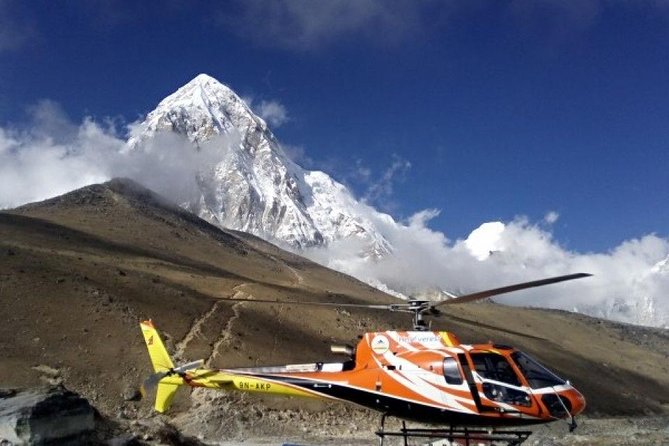
One helicopter ride can feel like a cheat code for the Everest region. You start in Kathmandu, then get a fast hop into the Everest area for bird’s-eye views of Everest Base Camp/Kala Patthar, glaciers, and the Khumbu Icefalls. I like that you may land around Syanbouche (about 13,000 ft) for a real pause at altitude, and I also like the focus on big-picture sightlines from the helicopter, with full window seating for small groups up to 5.
The main drawback to plan around is that this is very weather-dependent. If conditions are poor, you may be offered a different date or a full refund, and you should also budget for fees that are not included (Everest National Park and related entrance costs), plus warm gear you’ll need on your own.
In This Review
- Key highlights you’ll care about
- What you’re really buying: minutes of flying, hours of Everest views
- From Kathmandu pickup to the first Everest glimpse
- Window seats and overflights: Everest, Lhotse, and Icefall from above
- Syanbouche and the Everest View Hotel area: why landing at ~13,000 ft matters
- Sherpa village glimpses and cultural landmarks at helicopter speed
- Price and value: what $1,675 buys you (and what you’ll likely add)
- Timing, weather, and the day-of reality you should plan for
- How service works: small team attention and quick communication
- Who this tour suits best (and who should skip it)
- Should you book the Everest Base Camp Heli Tour?
- FAQ
- How long is the Everest Base Camp heli tour?
- How long is the helicopter flight time?
- Is pickup included?
- Are Everest National Park and Khumbu entrance fees included?
- Do I get window seats and how many people are in the group?
- What is the weight limit per passenger?
- What happens if the flight can’t operate due to weather?
- What should I bring since gear isn’t included?
Key highlights you’ll care about
- Small group size (max 5) with window seating designed for viewing
- High-altitude landing near Syanbouche (~13,000 ft) for a real viewpoint stop
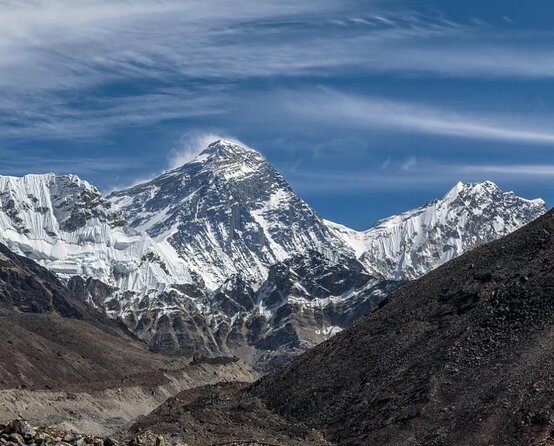
- Overflights of Everest Base Camp/Kala Patthar, Khumbu Icefall, and glaciers for “from above” context
- Tengboche monastery overflight for a cultural landmark moment
- Lukla and Syanboche village stops can happen depending on time, so you get more than just mountains
- Private car pickup in Kathmandu plus a mobile ticket for smoother day-of flow
What you’re really buying: minutes of flying, hours of Everest views
This isn’t a long trek. You’re paying for a concentrated experience: a short burst of helicopter time (flight time is listed around 3–4 minutes per flight segment) that’s stretched into a half-day to full-day plan (about 4 to 9 hours total). That time gap matters. It’s the part you don’t see in a brochure: check-in, weather timing, and the sequence of where your helicopter can safely go.
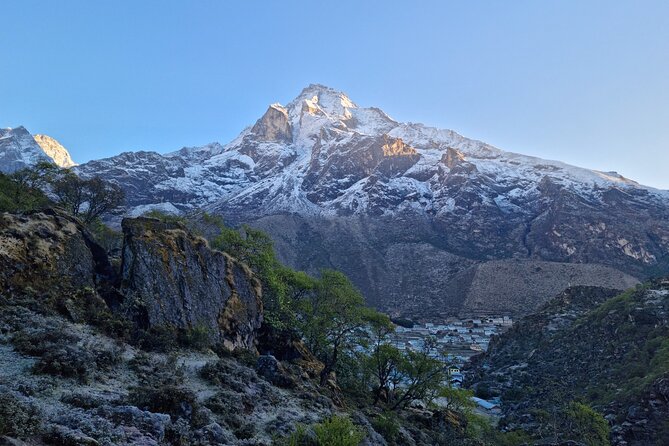
The value here is perspective. From the air, Everest isn’t just a distant triangle. You see how the valleys cut in, where ice and snow sit against dark rock, and how the settlements and rivers fit into the real geography. If you’ve always wondered what “Khumbu” actually looks like from above, this format gives you answers fast.
Also, you’re not getting stuck in the logistics of permits and multi-day travel routes yourself. The tour bundles the core experience—transport to the airport area, helicopter fares, and a small-group arrangement—so you can focus on the view and the timing.
You can also read our reviews of more tours and experiences in Kathmandu.
From Kathmandu pickup to the first Everest glimpse
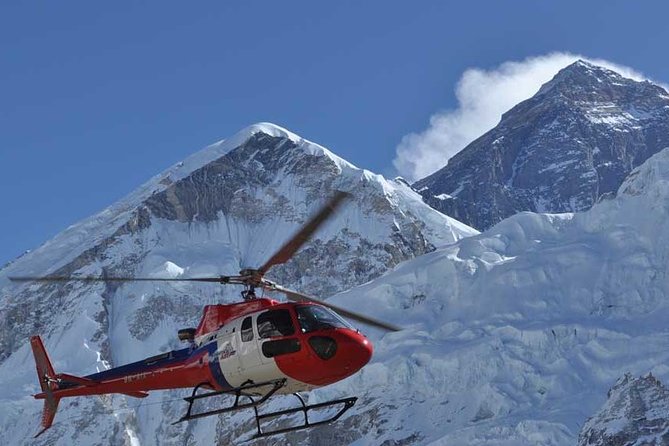
The day starts in Kathmandu with airport transportation by private car. That’s a big deal in Nepal because it reduces stress—especially when your schedule is tied to one helicopter window and weather.
From there, you fly from Kathmandu toward the Everest region. One early highlight is the chance to land at Lukla to get your first close glimpse of Everest and the daily rhythm of Sherpa life. Even short stops can change how you feel about a place: you’re not only seeing peaks, you’re also seeing people living at the foot of the mountains, adapting their routines to altitude and conditions.
Then the route shifts again toward the Khumbu area, aiming for Everest Base Camp and/or Kala Patthar depending on time. The important thing to know is that this tour is flexible by design. Your exact mix of stops can shift with the clock and what’s possible that day.
Window seats and overflights: Everest, Lhotse, and Icefall from above
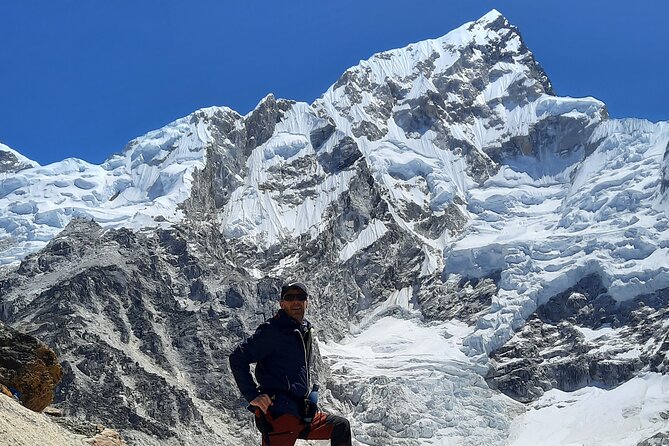
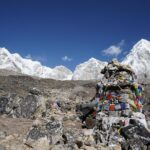
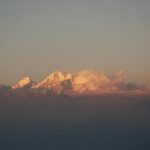
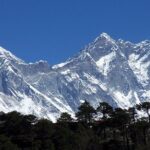
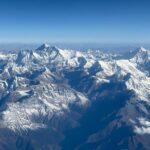
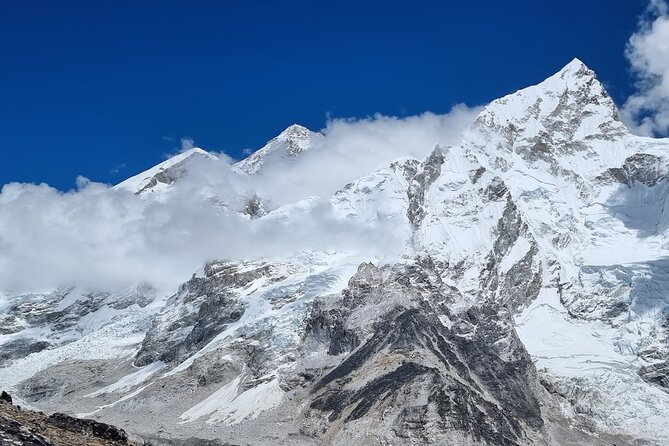
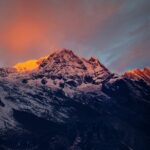
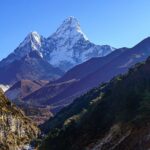
This is a sightseeing flight with a purpose: to show you the Everest region as a system. The tour description calls out panoramic views of major peaks including Mt. Everest, Mt. Lhotse, Mt. Cho Oyu, Mt. Makalu, Mt. Ama Dablam, Island Peak, and more. In plain terms, you get the “peak lineup” many people only see in textbooks—but from real height.
One of the most impressive moments is the chance to see the Khumbu Icefalls and multiple glaciers from the air. Icefall terrain is hard to understand on the ground because it’s active and fragmented. From above, it becomes a visual map: bright ice streams, darker fractured edges, and the scale of movement you normally only sense while trekking.
You’ll also get an overflight connected to a major cultural landmark: Tengboche monastery (listed as the oldest monastery in the Khumbu region). Even when you don’t land there, seeing it from above helps you understand why it matters to the Sherpa community—this isn’t just a scenic stop, it sits in a real spiritual geography.
And yes, the tour is built around overflying Everest Base Camp/Kala Patthar. That’s your “big moment,” the part that makes people book heli instead of trekking. You don’t just hear about Everest Base Camp—you get the layout.
Syanbouche and the Everest View Hotel area: why landing at ~13,000 ft matters
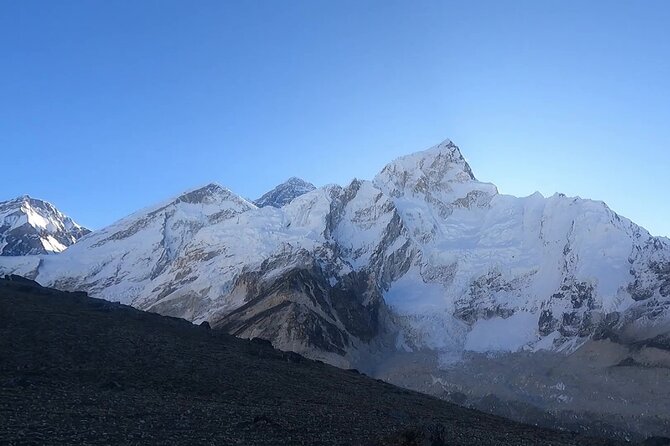
A helicopter tour can be two types: pass-by viewing, or an actual pause. Here, the description includes a landing at Syanbouche (~13,000 feet), tied to the Everest View Hotel area. That altitude detail is important.
Why? Because it changes what “you’re seeing” feels like. At flying-only height, you watch. With a landing, you can look longer, take photos without helicopter motion, and feel like you’ve reached the Everest zone instead of just passing over it.
This is also where the time management becomes very real. The tour notes that visiting villages like Syanboche and Lukla depends on time, so the best strategy is to treat this as a schedule that may flex, not a promise of every single stop every time.
The optional add-on is breakfast at Everest View Hotel (listed as optional and not included). If you plan to do that, don’t leave it as a last-minute thought. The info you’re given suggests bringing cash—one practical tip is to have at least around $32 set aside for breakfast at the hotel.
Sherpa village glimpses and cultural landmarks at helicopter speed
One thing I appreciate about this tour is that it doesn’t only chase peaks. It includes chances to observe Sherpa culture through village visits—specifically Lukla and potentially Syanboche depending on time.
When you see Lukla from the helicopter and then get to experience it briefly on the ground, you get a quick sense of how the region works: small communities, steep terrain, and the reality that mountaineering is tied to everyday life. It’s not just “picturesque.” It’s lived-in geography.
The Tengboche monastery overflight adds a second layer. Mountains are the headline, but religious sites are part of why people care about the Khumbu region beyond adventure. If you’re the type who likes at least one human element in your scenic day, this tour gives you that.
That said, keep your expectations aligned with the format. This isn’t a cultural immersion tour with hours of guided explanations in villages. It’s more like a series of quick, meaningful interruptions to the view—enough to change the story, not enough to replace deeper cultural travel.
Price and value: what $1,675 buys you (and what you’ll likely add)
At $1,675 per person, this is not a casual purchase. The value has to be earned in the experience, and for many people it is, because you’re buying three things at once:
1) Direct access to the Everest area without trekking logistics
2) View coverage (Base Camp/Kala Patthar overflight, glaciers, Icefalls, and major peaks listed)
3) Time compression: in one day, you get a feel for an enormous region
But let’s be honest about where costs can creep in. The tour explicitly doesn’t include Everest National Park, airport tax, and Khumbu entrance fees. Those fees can be the difference between a “wow” day and a budget surprise if you didn’t plan for them.
So I’d treat the listed price as the core helicopter and coordination package, and I’d plan extra for the region-related fees. Also plan to bring your own warm clothing and walking shoes (personal equipment isn’t included). That’s one of those hidden line items that matters in Nepal’s altitude game.
You’re also limited by the tour’s operational constraints: maximum group size is listed as 5 travelers, and there’s a total weight per passenger limit of 198 lbs. If you’re above it, you’ll need to sort that out before you fall in love with the idea.
Timing, weather, and the day-of reality you should plan for
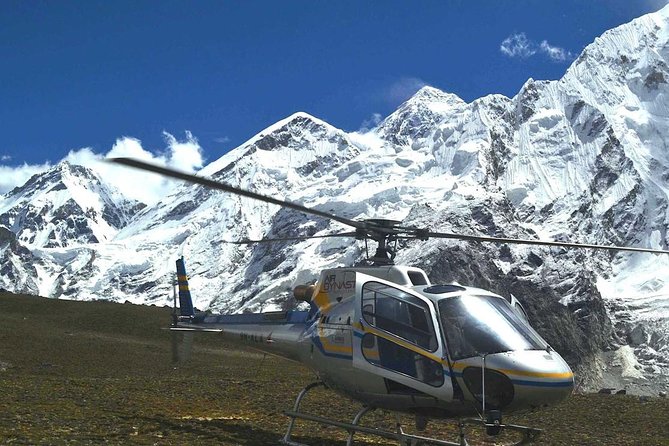
This tour requires good weather. The practical implication: your day is governed by the skies more than by a printed schedule. If conditions are poor, the plan can shift, and the cancellation policy indicates you’ll be offered a different date or a full refund.
That’s exactly what you want to see in a heli operation: clear rules, not vague promises. But you should still prepare yourself mentally. Pack for waiting. A 4–9 hour window can include waiting for a safe flight window.
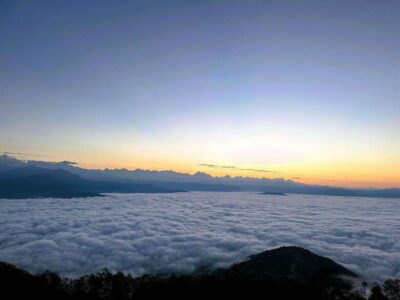
Bring the mindset of a photographer: you don’t control the light or the clouds, but you can control your comfort. Warm layers are not optional here. Even if the helicopter ride is short in “air time,” you’ll still be dealing with high-altitude chill, and the landing around Syanbouche makes that factor stronger.
How service works: small team attention and quick communication
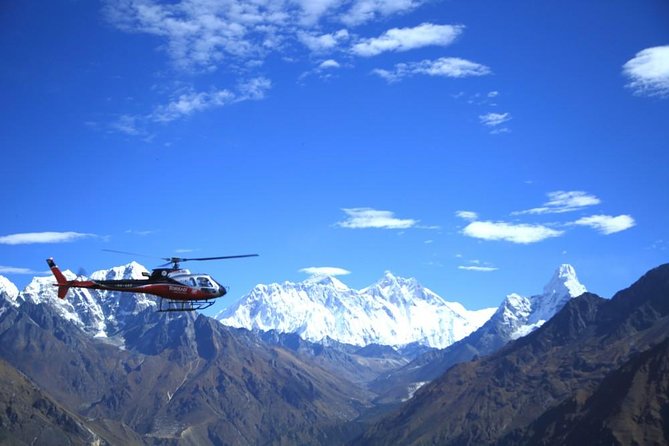
The experience provider is Outshine Adventure Pvt Ltd, and the way the team shows up in their communications tends to be practical. The responses you can find reference things like pick-up service, time management, and route guidance—exactly the ingredients you want for a tour that depends on quick decisions in the weather.
There’s also a helpful detail: Gokul and Siri are noted as speaking Spanish. If you’re Spanish-speaking, that can reduce day-of friction a lot—especially when rules about timing, gear, and where you’re supposed to go next are involved.
The tour also offers a mobile ticket, plus the option of pickup. All small conveniences, but they matter when your itinerary depends on one operational window.
Who this tour suits best (and who should skip it)
This is a strong match if you want:
- Major Everest sights without a trek
- Time efficiency (a single day instead of multiple days in the Khumbu)
- A helicopter view that covers many famous peaks and glaciers in one go
- A small-group setup where you can actually see out the windows
It’s probably not the best fit if:
- You hate weather uncertainty and can’t flex your schedule
- You need lots of long guided stops on the ground
- You’re budget-sensitive once you add park/airport/entrance fees and your gear
Also, if you’re someone who wants to learn the Everest region deeply through hikes and community time, this will feel like speed. It’s designed for a “see the big picture fast” traveler.
Should you book the Everest Base Camp Heli Tour?
I’d book it if you’re chasing the Everest region’s scale and you want the Base Camp/Kala Patthar area overflown with real clarity—plus at least one meaningful landing moment around Syanbouche (~13,000 ft). The small-group setup with window seating and the mix of icefall/glacier and cultural highlights (Lukla, Tengboche monastery overflight) makes it feel like more than just a quick scenic loop.
I’d think twice if you’re expecting a guaranteed landing at every village and every landmark. The tour itself signals that timing affects stops, and weather can change the day. If you’re comfortable with that reality and you plan for warm clothing and the extra fees that aren’t included, this tour can be a satisfying use of limited time in Nepal.
FAQ
How long is the Everest Base Camp heli tour?
The total duration is listed as about 4 to 9 hours, depending on the day’s flight timing and route.
How long is the helicopter flight time?
The flight time is listed as about 3 to 4 minutes.
Is pickup included?
Yes. The tour includes airport transportation by private car, and pickup is offered.
Are Everest National Park and Khumbu entrance fees included?
No. Everest National Park, airport tax, and Khumbu entrance fees are not included.
Do I get window seats and how many people are in the group?
There’s a sharing seating arrangement for up to 5 pax, with full window seats mentioned in the description.
What is the weight limit per passenger?
The total weight per passenger is listed as 198 lbs.
What happens if the flight can’t operate due to weather?
This experience requires good weather. If it’s canceled due to poor weather, you’ll be offered a different date or a full refund.
What should I bring since gear isn’t included?
You should bring your own warm clothes and warm walking shoes, plus items like camera, sunglasses, cap, and gloves (personal equipment isn’t included).