REVIEW · KATHMANDU
Everest Base Camp trek 14 days
Book on Viator →Operated by Sunrise Adventure Trek P. Ltd · Bookable on Viator
One trek can feel like a checklist.
This one feels like a plan. You’ll follow a clear 14-day rhythm from Kathmandu to Lukla, up through Namche Bazaar, and on to Everest Base Camp and Kalapatthar, with the big logistics handled for you. It’s the kind of trip where you can focus on breathing, walking, and taking in those wall-to-wall Himalayan views.
What I really like is that you get sleeping bag and down jacket for the trek, plus a lot of meals taken care of while you’re moving between teahouses. I also appreciate how much is handled for you in Kathmandu and on the route—transport, permits, guide support, and even the small morale boosters like a T-shirt and an achievement certificate.
One consideration: this itinerary includes two Lukla flight legs (going and returning), so your schedule is tied to that timing. If you’re the type who hates any travel-day uncertainty, build in a little patience.
In This Review
- Key highlights worth your attention
- Why this Everest Base Camp trek feels like value, not just a price tag
- Kathmandu arrival: you get the baseline, not the overwhelm
- Kathmandu to Lukla to Phakding: the moment the trek becomes real
- Namche Bazaar: a planned step-up and a real acclimatization day
- Tengboche: monasteries, altitude, and a classic mountain skyline
- Dingboche acclimatization: why your plan includes two high-altitude adjustments
- Lobuche: where the trail gets serious and views get bigger
- Everest Base Camp day: the payoff is the effort you already made
- Kalapatthar: the sunrise-style reward and the long descent day
- The return: Periche to Namche to Lukla and that last stretch of relief
- Gear, meals, and crew support: the small things that keep you moving
- What’s not included (and what you should plan for)
- Who should book this Everest Base Camp trek?
- Should you book Sunrise Adventure Trek for Everest Base Camp?
- FAQ
- How long is the Everest Base Camp trek?
- What does the tour price include?
- Are meals included during the trek?
- What’s provided for cold weather on the trek?
- Is this a small-group trek?
- What is not included?
- Can I cancel for a full refund?
Key highlights worth your attention
- Gear support for cold nights: sleeping bag and down jacket are included for the trek.
- Most meals are planned: breakfast, lunch, and dinner are included on trekking days.
- Acclimatization is built into the route: Namche and Dingboche each get a dedicated adjustment day.
- Permits and official paperwork are covered: Trekking permit and TIMS card are included.
- Smallish group size: maximum of 18 travelers, which usually keeps things organized on busy days.
- A proper send-off: cultural show plus a farewell dinner to close the trip.
Why this Everest Base Camp trek feels like value, not just a price tag
At $1,380 per person, you’re not just paying for “someone to take you up Everest.” You’re paying to remove stress from the parts that usually eat time and attention: flights, ground transfers, permits, guides/crew logistics, and most of the day-to-day meal planning once you’re on the trail.
That matters because Everest Base Camp isn’t a lazy walk. Your energy goes into altitude, steep uphills, and the long days between villages. When the itinerary is already organized—accommodations, transport between trekking days, and the core meals—you’re left with fewer decisions and fewer chances to get stuck sorting details while you’re tired.
I also think the included trek gear is a real value. Cold nights and damp layers are part of the EBC experience. If you don’t already own the right kit, having a sleeping bag and down jacket provided can save money and reduce what you carry up the mountain.
You can also read our reviews of more hiking tours in Kathmandu
Kathmandu arrival: you get the baseline, not the overwhelm
Your trip starts in Kathmandu with airport pickup and departures plus a standard hotel in twin-sharing rooms with breakfast. This first block is about getting set up, not jet-lagging into a trek.
If you’re arriving from abroad, this is where you’ll want to use your time well: hydrate, eat something comforting, and make sure your layers are ready. Nepal in the city can feel very different from the cold, dry air above Namche.
The tour also uses a mobile ticket feature, which is convenient if you like having things accessible on your phone. And since your group size tops out at 18, you’re not stuck in some giant herd—at least compared to the largest-budget-tour setups.
Kathmandu to Lukla to Phakding: the moment the trek becomes real
Day 2 hits early: a short Kathmandu to Lukla flight (40–45 minutes), followed by the walk from Lukla to Phakding (about 3–4 hours). You’re starting around 2,640m (866 ft) and moving at a pace that makes sense for the first acclimation day.
Phakding is a classic entry village for Everest Base Camp. It’s where you start seeing the trail culture clearly—teahouses, locals working the route, and trekkers settling into their routine. This stretch isn’t just “getting there.” It’s you dialing in your rhythm: steady steps, not sprinting, and getting used to the thin air.
You’ll get breakfast, lunch, and dinner on trekking days, which means you won’t be constantly scanning menus or worrying about where your next meal comes from. That’s underrated when you’re figuring out how your body handles climbing.
Namche Bazaar: a planned step-up and a real acclimatization day
Day 3 climbs from Phakding to Namche Bazaar (about 5–6 hours). Namche sits around 3,440m (11,319 ft)—a big enough jump that your body will notice.
Then Day 4 is an acclimatization day in Namche Bazaar. This kind of pause is one of the smartest parts of an EBC plan. Instead of just pushing higher, you give yourself time to adjust before the big climbs start again.
Namche is also where you’ll feel the “Everest ecosystem” most strongly: shops, viewpoint spots, and trail connections. It’s the place where conversations happen—about routes, gear, timing, and weather. In practical terms, it’s also where you can handle small needs: extra layers, charging, and any last-minute trekking comfort items.
Tengboche: monasteries, altitude, and a classic mountain skyline
Day 5 treks to Tengboche (about 6–7 hours), reaching around 3,860m (12,694 ft). Tengboche is famous for its viewpoint energy and its spiritual center. Even if you’re not planning to go deep into cultural stops, the village location tends to give you that postcard feeling.
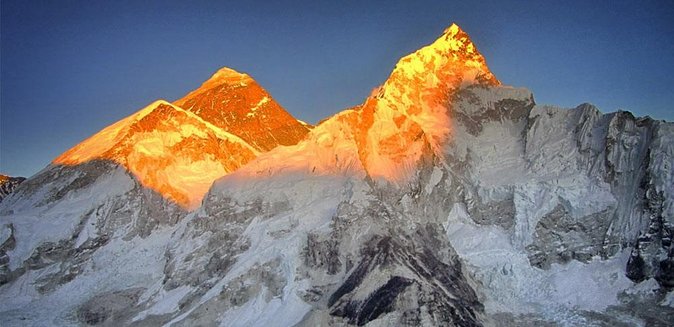
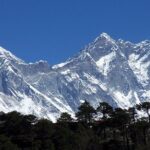
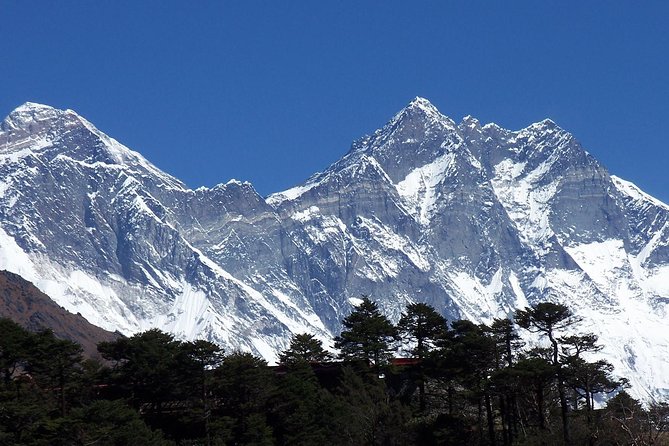
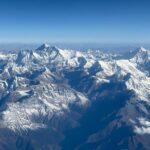
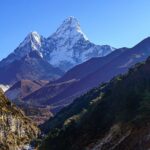
This is also a key day because you’ll likely feel altitude pressure more clearly than on the lower stretches. The upside is the views start to stack. Ama Dablam, Lhotse, and the overall Everest-region skyline start to become more than names on a map.
And again: meals are handled (breakfast/lunch/dinner), which keeps your day focused.
Dingboche acclimatization: why your plan includes two high-altitude adjustments
Day 6 takes you to Dingboche (acclimatization day). Then Day 7 goes from Dingboche to another high point back toward the route (again listed as around 4,410m / 14,300 ft with 5–6 hours).
Dingboche being built into the schedule is a big deal. Two acclimatization days—Namche and Dingboche—means the plan expects you to be at work against altitude, not at war with it.
From a traveler’s perspective, this matters because it reduces the chances you’ll feel forced to “push because you have to.” Instead, you can move with intention. And when the day is already long, that mental steadiness is half the battle.
Lobuche: where the trail gets serious and views get bigger
Day 8 treks to Lobuche (around 4,910m / 16,207 ft, about 5 hours). This is one of the high points before you go all-in toward Everest Base Camp.
The trail here often feels narrower and tougher. It’s still a trekking day—just with higher altitude consequences. The good news is your itinerary supports what your body needs: earlier days for adjustment, then a steady build.
You’ll keep getting breakfast, lunch, and dinner, and accommodations are at the trekking lodge level during the trek. That means you’re not paying for luxury, but you are paying for rhythm and support.
Everest Base Camp day: the payoff is the effort you already made
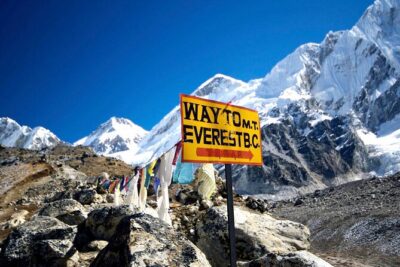
Day 9 is the big one: trek to Everest Base Camp and then back toward Gorakshep (listed at about 5,200m / 16,200 ft). The itinerary keeps Day 9 within a single trekking block (with BLD meals), which means you’ll be managing a long day of walking and photo stops.
This is where the plan becomes more than logistics. You’ll see why the Everest region is so magnetic: huge glacial terrain, dramatic rock faces, and that jaw-drop sense of scale that’s hard to describe until you’re there.
Base Camp itself is also where you tend to feel the human side of the mountain. You’re surrounded by trekkers who made choices similar to yours—choosing a fixed plan, showing up, and then committing to the hard parts.
Kalapatthar: the sunrise-style reward and the long descent day
Day 10 includes a hike to Kalapatthar (listed around 5,550m / 16,962 ft, about 2.5 hours), followed by the trek down to Periche (around 4,200m / 13,780 ft, about 7 hours).
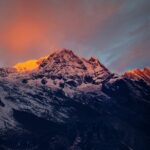
This is the day that often defines whether your Everest story ends with a quiet win or a full emotional exhale. Even with no extra frills listed, Kalapatthar gives you that high vantage point. Your legs might feel heavy, but the altitude views are usually the reason you’re in Nepal.
Then you get a long downhill day to Periche. Don’t underestimate this. Descents can be tougher on knees than uphill efforts feel on paper. But your itinerary gives you a structured return day with meals included and lodge accommodations lined up.
The return: Periche to Namche to Lukla and that last stretch of relief
Day 11 goes back to Namche Bazaar (about 6 hours, down to around 3,441m). Day 12 is Namche to Lukla (about 7 hours). These two days are your “reset” phase: you’ve done the EBC and the high viewpoint, now you turn altitude fatigue into progress toward the flights.
Namche on the way down can feel different than Namche on the way up. You’ve changed. You’ve earned it. It’s also a helpful time to think about packing habits: what you’ll leave behind at the lodge, what you’ll keep for the last night, and how you’ll manage layers for the return flight day.
Day 13 is your fly back to Kathmandu (with breakfast only listed as B). Day 14 includes farewell and departure.
Gear, meals, and crew support: the small things that keep you moving
The tour includes several practical items that matter up high. You’ll have:
- Sleeping bag and down jacket (so you don’t have to buy or rent for a short trip)
- Daily meals during trekking days (breakfast, lunch, dinner)
- A first aid medicine item
- A T-shirt and trip achievement certificate
- A guide whose salary, accommodation, meals, and insurance are covered
I also like that the setup includes the paperwork side: the trekking permit and TIMS card are part of the package. That reduces friction and helps you avoid the last-minute chaos that can happen when documents are missing or incomplete.
And on the human side, the best part of the experience is the guidance style. In past trips with Sunrise Adventure Trek, I’ve seen strong praise for guides like Suresh, Sobit, and Ram, plus sherpa support such as Pasang Sherpa. The common theme is clear: friendly, safety-minded guidance and good organization on the ground.
What’s not included (and what you should plan for)
To make the budget accurate, you’ll want to remember what’s excluded:
- Extra meals in Kathmandu and personal spending (including bar bills)
- Tour entrance fees
- Your international flight to Nepal
- Travel insurance
- Tips for the trekking crew
If you’re trying to control costs, Kathmandu is where you’ll feel that gap. You’ll still have accommodation and breakfast in Kathmandu, but extra meals and any city activities are on you.
Also, travel insurance is not listed as included, so you should line that up before you go. On Everest-region treks, insurance isn’t a luxury—it’s basic risk management.
Who should book this Everest Base Camp trek?
This tour fits best if you want a structured plan with acclimatization days, lodge stays, and core meals handled. It’s ideal for people with moderate physical fitness who still want to be challenged without micromanaging every detail.
It may not be the right fit if you:
- want maximum independence (you’ll follow a set schedule)
- hate any travel-day tightness due to the Lukla flights
- expect luxury hotels in the mountains (you’re in trekking lodges)
Should you book Sunrise Adventure Trek for Everest Base Camp?
If you want an Everest Base Camp trek where the heavy planning is handled and you can concentrate on walking and altitude adjustment, I think this is a strong pick. The combination of gear included, permits handled, and a route that uses acclimatization days at Namche Bazaar and Dingboche is exactly the kind of structure that turns an intense trek into a doable one.
My practical advice: book if you like clear logistics and you’ll treat the trail like training—steady effort, respect for the schedule, and plenty of patience. Book if you want that extra layer of support from a crew that’s been praised for safety and organization. And if you’re unsure about preparedness, this is also one of the better ways to enter the region without getting tangled in paperwork and day-to-day coordination.
FAQ
How long is the Everest Base Camp trek?
The trek is listed as 14 days (with the overall tour described as 5 to 14 days depending on the option). Your itinerary here runs from Day 1 arrival in Kathmandu through Day 14 departure.
What does the tour price include?
It includes airport transfers, Kathmandu and Lukla flight tickets, transportation by car/bus during trips, standard twin hotel with breakfast in the city, trekking lodge accommodations, guide support, trekking permits and TIMS card, most trek meals (breakfast/lunch/dinner on trekking days), plus sleeping bag and down jacket if you need them.
Are meals included during the trek?
Yes. During the trek, you get three meals per day (breakfast, lunch, dinner) as noted in the itinerary.
What’s provided for cold weather on the trek?
If you need them, the tour provides a sleeping bag and down jacket for the trek.
Is this a small-group trek?
Yes. The group size has a maximum of 18 travelers.
What is not included?
Not included: extra Kathmandu meals, personal expenses and bar bills, tour entrance fees, international airfare, travel insurance, and tips for the trekking crew.
Can I cancel for a full refund?
Yes. You can cancel up to 24 hours in advance for a full refund. Canceling less than 24 hours before start time doesn’t receive a refund.