REVIEW · KATHMANDU
Annapurna Base Camp Trek
Book on Viator →Operated by Everest Trekking Routes Pvt. Ltd. · Bookable on Viator
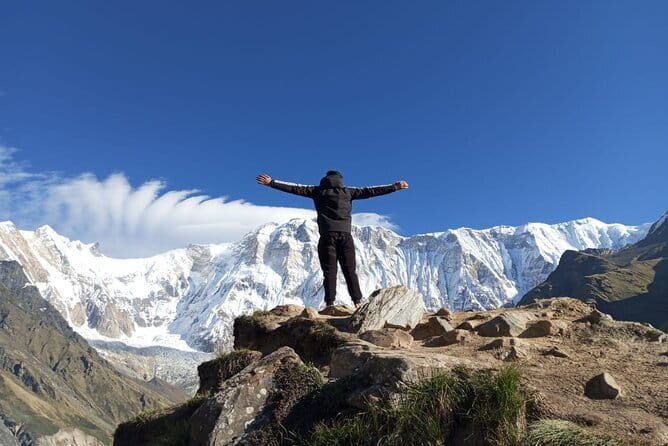
Annapurna Base Camp is a taste of everything. This trek strings together classic Annapurna scenery, from terraced fields and rhododendron forests up to the base of Annapurna and Machapuchare, finishing at 4,130 meters.
I especially like two things: the care handled for you (permits, licensed guide, tea house lodging, and all trek meals with tea/coffee), and the way the route builds in view stops like Ghorepani–Poon Hill before you commit to the longer climbs. One consideration: you’ll start your adventure very early (the start time listed is 1:15am), and you’ll need a moderate fitness level to handle the steady altitude gain.
This is also a good value setup for people who don’t want to manage logistics for permits and daily meals. The $935 price covers a lot, but you’ll still want to budget for tipping, travel/evacuation insurance, drinks, and anything beyond the included Kathmandu/Pokhara basics.
In This Review
- Key Highlights to Know Before You Go
- Entering the Annapurna Region: why this trek works
- Kathmandu start: Pasupatinath day 1 sets the tone
- Pokhara reset: lakeside downtime on day 2
- Day 3: Birethanti and the moment you enter conservation country
- Ghorepani and Poon Hill: the classic viewpoint warm-up
- Tadapani to Chhomrong: where the trek starts to feel real
- Day 7 and Bambook: a moderate bridge to base camp
- Annapurna Base Camp arrival: day 8 is the big target
- What it feels like at altitude (without guessing details)
- Tea houses and meals: the practical comfort that keeps you going
- Your guide and porter team: professionalism you can feel
- Kathmandu and Pokhara stays: what’s included before the trail
- Transports: private pickup plus tourist bus return
- Price and logistics: what $935 covers, and what you should budget
- Who this trek fits best
- Should you book this Annapurna Base Camp trek?
- FAQ
- How long is the Annapurna Base Camp trek?
- Where is the meeting point and what time does the trek start?
- Is this a private trek or shared group?
- Are trekking permits included in the price?
- What meals and lodging are included during the trek?
- Are hotels included in Kathmandu and Pokhara?
- How do you travel between Kathmandu and Pokhara?
- What altitude do you reach at Annapurna Base Camp?
- Is Wi-Fi or drinks included during the trek?
- What does the cancellation policy look like?
Key Highlights to Know Before You Go
- Permits included (TIMS + ACAP) so you’re not hunting paperwork while you’re in Nepal
- Poon Hill and other viewpoint days built into the trek, not just one big moment
- All trek meals + tea/coffee and tea house accommodation are included
- A licensed professional guide plus a local porter helps keep the pace realistic
- Private group means you won’t be squeezed into a shared rhythm
Entering the Annapurna Region: why this trek works
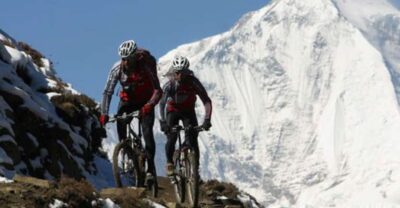
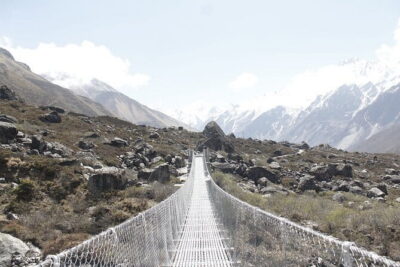
The Annapurna Base Camp trek is famous for a reason: you don’t just “walk to a destination.” You move through layers of the region. You start with lower-elevation farm country and cultural village life, then climb into rhododendron forests, and eventually into higher, colder stretches that feel more alpine every day. The big payoff is the base camp itself, under the big peaks you came for.
What I like about this specific itinerary is that it spreads the experience out. Instead of one long hard push with no breaks, you get a rhythm: short-to-moderate walking days, then days that are longer, plus extra time around the base camp area for viewpoints. That makes a huge difference if you want the trip to feel challenging without feeling rushed.
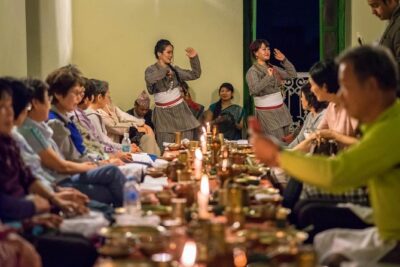
And there’s a cultural side too. This area is known for Gurung and Magar village life along the route. Even when the schedule is tight, these communities shape the trek through the tea house culture—what food is available, how people greet you, and how evenings feel after walking.
You can also read our reviews of more hiking tours in Kathmandu
Kathmandu start: Pasupatinath day 1 sets the tone
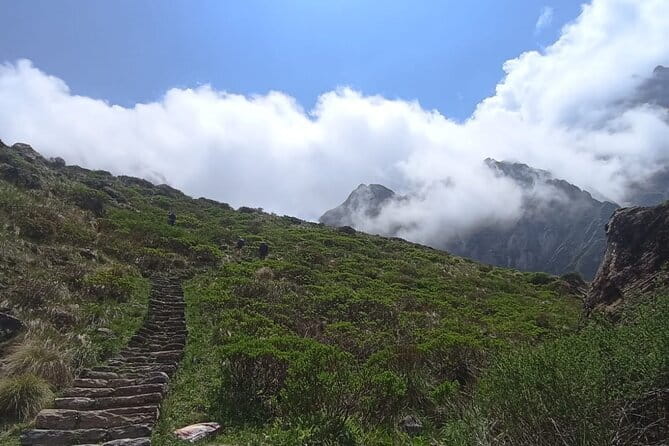
Your trek begins in Kathmandu, with a stop at Pasupatinath Temple. It’s one of Kathmandu’s most important religious sites, and it helps orient you right away. Even if you’re not a religious traveler, Pasupatinath gives you context for Nepal beyond the mountains: Hindu life is deeply visible here.
Practically, this day matters because it gives you an early “Nepal moment” before trekking fatigue hits. It’s also a good first-day anchor if you’re arriving and still adjusting your energy and time.
Pokhara reset: lakeside downtime on day 2
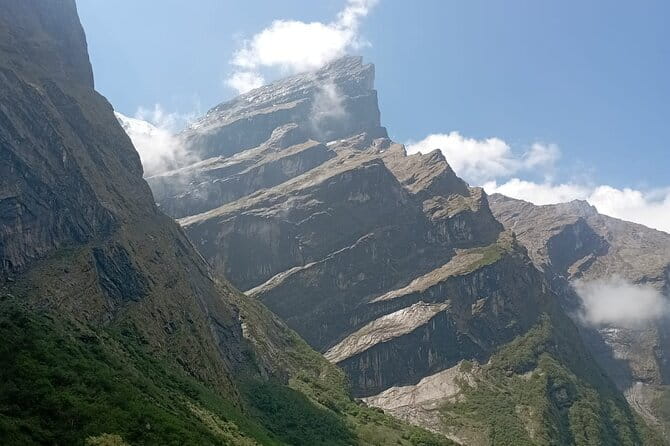
Day 2 includes a stop at Pokhara Lake, which is the easygoing, scenic counterweight to Kathmandu’s busier feel. Pokhara is where many trekkers get their bearings—local shops, calmer streets, and that lake-and-mountain view that makes people relax for the first time in days.
Because this trek also includes a two-night stay in Pokhara with breakfast, you’re not just passing through. You get a chance to sleep well, eat a proper breakfast, and mentally shift from city exploring to trekking mode.
Day 3: Birethanti and the moment you enter conservation country

On day 3 you reach Birethanti, described here as the start of entering the Annapurna Conservation Area. That matters. Conservation areas usually mean stricter rules, maintained trails, and an ecosystem that’s actively managed. You’ll often see it in how tea houses and villages operate, and in the way routes are marked.
For you, this day is about transition. You’re moving from “tourist logistics” into true trek logistics—walking schedules, guide instructions, and the steady build of altitude pressure.
Ghorepani and Poon Hill: the classic viewpoint warm-up
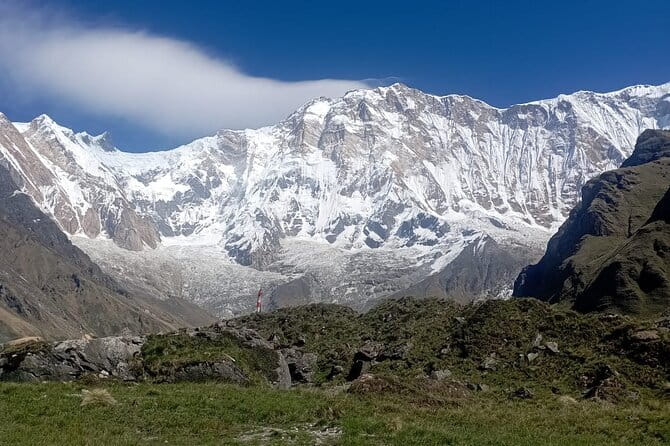
Day 4 is Ghorepani and Poon Hill. Even if you’ve heard of Poon Hill before, the reason it stays popular is simple: it’s a short hike with big views potential. Here, it’s positioned early, so you get your first real sense of the mountain scale before the heavier days.
Then day 5 gives you the walking length: about five hours from Ghorepani to Tadapani. That’s a good kind of day. Long enough to feel like trekking, but not so intense that you’re cooked before the route really starts to climb.
If you’re the type who gets nervous about altitude, this sequence helps. You’re already getting mountain views and fresh air before you’re fully committed to the high-country routine.
Tadapani to Chhomrong: where the trek starts to feel real
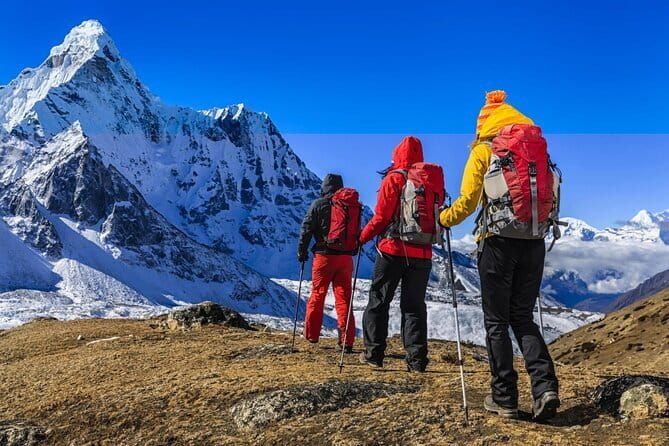
Day 6 is a beautiful walk to Chhomrong. Chhomrong is a name you’ll hear a lot around the Annapurna circuit and base camp routes because it’s a key village step on the way upward. A day like this often becomes a turning point: you’ll feel the change in temperature, the steeper terrain, and the way your breathing adjusts.
What I like about putting Chhomrong at this point in the itinerary is pacing. You’re not going straight from low-country ease into maximum difficulty. You’re building. Your legs learn the rhythm, and your mind learns what the day structure feels like—walk, stop, eat, walk again.
Day 7 and Bambook: a moderate bridge to base camp
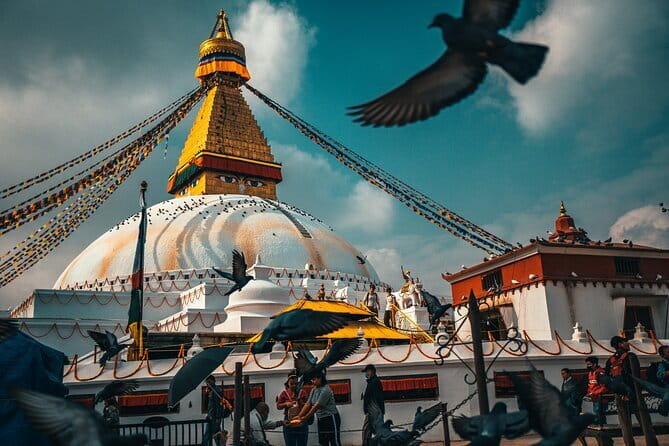
Day 7 is trek to Bambook, noted as moderate walking. This is a smart placement. Bambook acts like a bridge between the earlier village-and-forest days and the bigger base camp push. Moderate doesn’t mean easy—it means manageable. You get time to acclimatize and keep the body from feeling like it’s being forced uphill every single day.
If you tend to rush when you feel good, this sort of day is a helpful counterbalance. A guide and porter can also keep you honest with pace choices, which matters a lot in the Himalaya.
Annapurna Base Camp arrival: day 8 is the big target
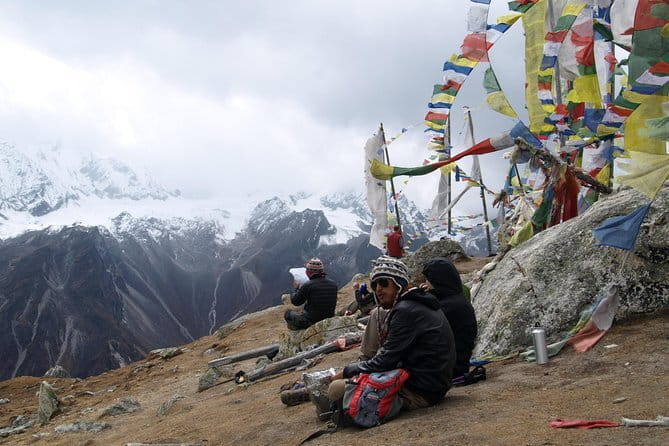
Day 8 is trek to Annapurna Base Camp. This is the moment everyone remembers. You’ve spent days climbing through changing country, and suddenly the base camp area becomes your reality: altitude, air that feels thinner, and the big mountain walls you pictured in advance.
Day 9 is listed as hiking around the base camp trek area. Day 10 is another viewpoint-focused day—described as one of the most viewpoint routes in the Annapurna region. The practical benefit: you get more than one shot at seeing things clearly. At higher altitude, conditions can shift fast. Extra time around the base camp area gives you a better chance of seeing the views how you hoped.
What it feels like at altitude (without guessing details)
You reach 4,130 meters at Annapurna Base Camp. The itinerary’s multi-day approach around the base camp area is helpful here because it spreads your time at altitude rather than compressing everything into one exhausting day.
How to think about it: at this height, your main enemy isn’t only steep terrain. It’s also effort management—how hard you breathe, how quickly you tire, and how steadily you eat and hydrate. Even if you’re fit, going too fast can make you feel worse, not better.
Tea houses and meals: the practical comfort that keeps you going
This trek includes all meals during the trek: breakfast, lunch, and dinner, plus cup of tea or coffee. You also get tea house accommodation throughout the trek.
That sounds basic, but it’s a big deal for value and sanity. When food and lodging are handled daily, you spend your energy on walking, not decision-making. You also avoid the awkward situation of trying to negotiate meals when your body is too tired to think.
The “tea house” part matters too. These are small lodges run along trekking routes, and they’re part of the trek culture. Even with a consistent meal plan from your organizer, you’ll still feel the day-to-day rhythm of each stop—warm drinks, simple meals, and that shared quiet after dinner when people are comparing sore spots.
Your guide and porter team: professionalism you can feel
This experience includes a license holder professional trekking guide and an expert local porter. The operation is also described as private, meaning the guide and porter are focused on your group, not managing a crowded schedule.
In past trips arranged by this company, guides named Cecil and Sushil Gurung have been praised for professionalism and care. Porters such as Samu Gurung, Sujan Gurung, and Bishal also show up in strong feedback for being helpful and reliable.
You shouldn’t choose a trek only based on names, but it’s a useful clue. A guide who stays organized and a porter who handles your load well can turn a difficult route into a controlled effort. It also makes a difference in safety habits—how you start, how you pace, and how you respond if the trail or weather changes.
Kathmandu and Pokhara stays: what’s included before the trail
The included plan covers 2 nights in Pokhara with breakfast, plus 2 nights in Kathmandu with breakfast at a specified property called Kathmandu Suite Home. The itinerary then ends back at the meeting point in Kathmandu.
That matters because the included structure reduces your out-of-pocket thinking while you’re adjusting to travel time. But the fine print you should plan for: extra meals and accommodation in Kathmandu beyond what’s included are not included.
Transports: private pickup plus tourist bus return
You get airport to hotel and hotel to airport transfers by private car/van/bus. Then Kathmandu to Pokhara (and back) are handled by tourist bus.
Day 11 is specifically the return to Kathmandu by tourist bus, and day 12 is final departure to go home. The practical upside is clear: you’re not trying to coordinate buses with a tired trekking body, and you avoid a lot of “where do we stand?” moments.
If you like clear structure, this type of transport plan is a relief. If you hate bus rides, that’s something to consider, but it’s only for the city-to-city legs—not the trekking days.
Price and logistics: what $935 covers, and what you should budget
At $935 per person, this trek bundles a lot that usually costs extra on your own. You’re paying for:
- Permits: TIMS and ACAP
- Guide and porter support
- All trek meals (with tea/coffee)
- Tea house accommodation on the trek
- Pokhara and Kathmandu hotel nights (2 each) with breakfast
- Key transports (including tourist bus Kathmandu–Pokhara round trip and pickup/dropoff support)
- Government taxes and fees
So where might extra costs show up? The listed items not included cover:
- Extra meals and accommodation in Kathmandu beyond the included nights
- Any drinks hot and cold beyond what’s built into trek meals
- Wi-Fi on the trekking days
- Personal expenses
- Travel insurance and evacuation insurance
- Tipping for your guide and porter
- Solo traveler/solo porter extra arrangements, if applicable
Value-wise, the best argument for this price is that the daily “life support” of a trek—food, lodging, permits, and professional staffing—are included. That’s exactly where independent travel often turns into surprise costs and stress.
Who this trek fits best
This is a great fit if you want:
- A guided experience with permits handled
- A route that balances views and walking days rather than pure grind
- A trip length that’s long enough to feel like the mountains, not so long that you burn out immediately
The trip is noted for travelers with moderate physical fitness needs. If you’re new to trekking, you’ll still be challenged—especially at 4,130 meters—but the multi-day structure and moderate bridge days (like Bambook) can help you manage effort.
If you’re an extreme speed hiker, you might find the pacing slower than you’d like. But if you’re aiming for a solid, memorable Himalayan experience, this itinerary is built for steady progress.
Should you book this Annapurna Base Camp trek?
I’d book it if you want a straightforward, well-supported trek where meals, tea houses, permits, and the guide/porter setup are already handled. The route also gives you multiple view moments, including Poon Hill early and additional viewpoint time around base camp days.
I’d think twice if you hate early starts (the listed start time is 1:15am) or if you’re not comfortable planning for cold and altitude at 4,130 meters. Also plan financially for what’s not included: insurance, drinks, and tipping.
If you want an organized Annapurna Base Camp trek that aims for safety and good pacing, this looks like a strong match.
FAQ
How long is the Annapurna Base Camp trek?
The trek runs for about 12 days (approximately), based on the provided duration estimate.
Where is the meeting point and what time does the trek start?
The meeting point is Everest Trekking Routes Pvt. Ltd., Timila Marg, Kathmandu 44600, Nepal, and the start time is listed as 1:15am.
Is this a private trek or shared group?
It’s a private tour/activity, meaning only your group participates.
Are trekking permits included in the price?
Yes. The included plan lists TIMS card and ACAP permit fees as part of the trek.
What meals and lodging are included during the trek?
All meals during the trek are included (breakfast, lunch, dinner) along with a cup of tea or coffee. Tea house accommodation is also included during the trek.
Are hotels included in Kathmandu and Pokhara?
Yes. The package includes 2 nights in Pokhara (with breakfast) and 2 nights in Kathmandu at Kathmandu Suite Home (with breakfast).
How do you travel between Kathmandu and Pokhara?
You travel between Kathmandu and Pokhara by tourist bus, and you also get airport and hotel pickup/dropoff support by private car/van/bus.
What altitude do you reach at Annapurna Base Camp?
The overview states you reach an altitude of 4,130 meters at Annapurna Base Camp.
Is Wi-Fi or drinks included during the trek?
On the trekking days, Wi-Fi is not included. Drinks (hot and cold) are also listed as not included.
What does the cancellation policy look like?
You can cancel up to 24 hours in advance for a full refund, and cancellation cut-off times are based on the local experience time.