REVIEW · KATHMANDU
Kathmandu Durbar Square | Holi Festival Celebration 2 March
Book on GetYourGuide →Operated by Epic Adventures Private Limited (EAPL) · Bookable on GetYourGuide
Holi in Kathmandu feels like a living festival poster. I love the Holika Dahan ritual at Basantapur Durbar Square and the way the guide keeps the day moving so you see the main sights without feeling lost. I also really like that you get a white t-shirt and color included, so you can join the fun without scrambling for supplies. One possible drawback: the colors are messy, and the day is crowded—so you’ll want old clothes you don’t mind staining.
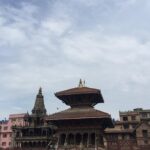
You’ll spend the heart of the experience inside Kathmandu’s Durbar Square area, a UNESCO World Heritage Site. Expect temples, carved palaces, courtyards, and Hindu festival energy all happening in the same tight space, plus photos everywhere you turn. If you’re sensitive to crowds or have health concerns, this isn’t the best fit.
In This Review
- Key Things You’ll Love About This Holi at Basantapur Durbar Square
- Holi at Basantapur Durbar Square: What Makes It Special
- Price and What You Actually Get for $35
- Your 6-Hour Day Plan: Route, Time, and Why It Works
- Basantapur Durbar Square: What You Should Look For
- Holika Dahan: The Ritual Part (Not Just the Fire)
- Color Play and Safety: How to Have Fun Without Regretting It
- Lunch and Energy: Nepali Thali at the Right Moment
- Who This Tour Is Best For
- When You Should Plan Around Rangwali Holi
- Practical Tips Before You Go (So the Day Feels Easy)
- Should You Book Kathmandu Durbar Square Holi on 2 March 2026?
- FAQ
- Where does the tour start?
- How long is the Holi celebration?
- What is the price per person?
- What language is the guide?
- Is lunch included?
- Is Holi color included?
- Do I need to buy a monument ticket?
- Is this activity suitable for everyone?
- What should I bring?
Key Things You’ll Love About This Holi at Basantapur Durbar Square
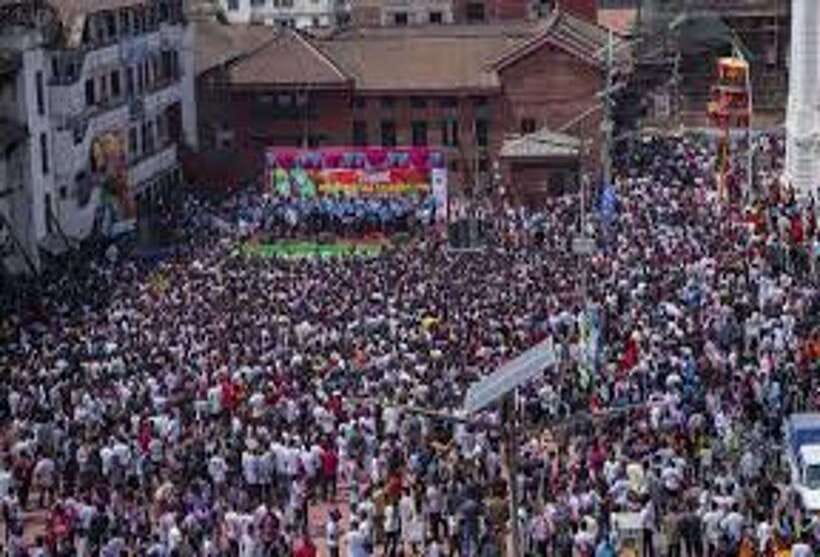
- Holika Dahan bonfire viewing and the blessings/prayers for prosperity
- UNESCO Kathmandu Durbar Square temples and courtyard sightseeing during the festival
- Included color and a white t-shirt so you can participate right away
- A local English/Hindi guide who helps you hit the best moments
- Nepali thali lunch plus a bottle of mineral water to keep your energy up
- Strong focus on safety and respect, including permission before applying color
Holi at Basantapur Durbar Square: What Makes It Special
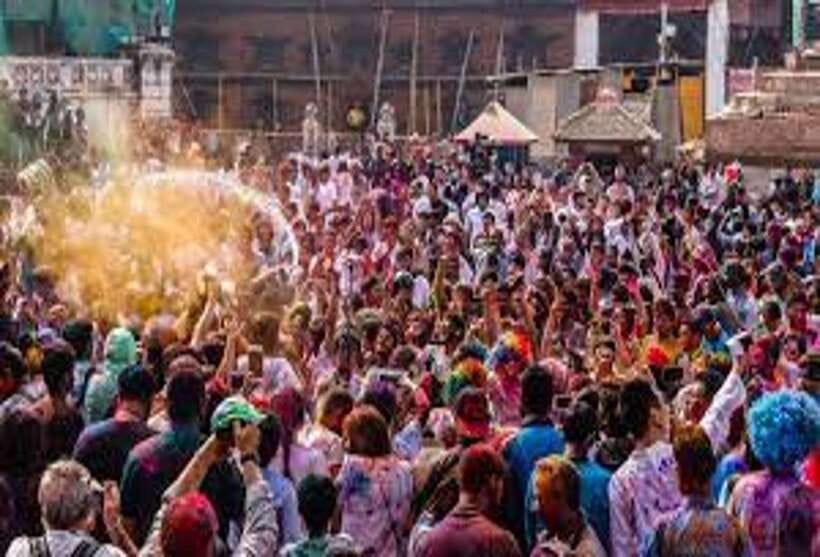
Holi has a few layers, and this celebration hits most of them in one place. First comes the story: the ritual Holika Dahan bonfire represents the triumph of good over evil. You’re not just watching a show. You’re seeing a Hindu festival moment tied to prayers and blessings for a better year—people are looking for prosperity, happiness, and good fortune.
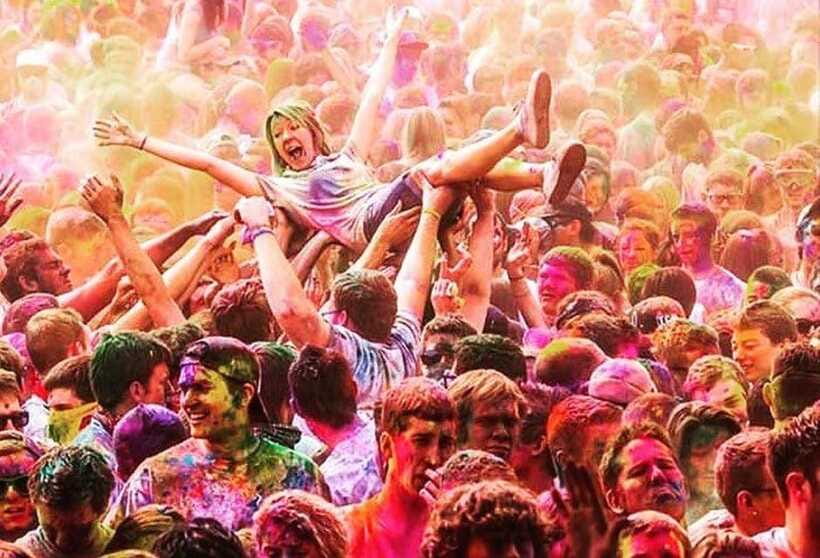
Then comes the party side. In Kathmandu, the colors, music, and dance spread through the public space fast. Basantapur Durbar Square is a perfect stage because the setting is already historic—intricately carved temples, old palaces, and courtyards shape the whole view. When the festival energy moves through that architecture, the colors feel more meaningful than if you’re just in a generic street party.
I also liked the “guided but not robotic” feel. The experience is structured (you have a route and a set time), but you still get room to watch, listen, and take photos whenever something catches your eye.
You can also read our reviews of more tours and experiences in Kathmandu.


Price and What You Actually Get for $35
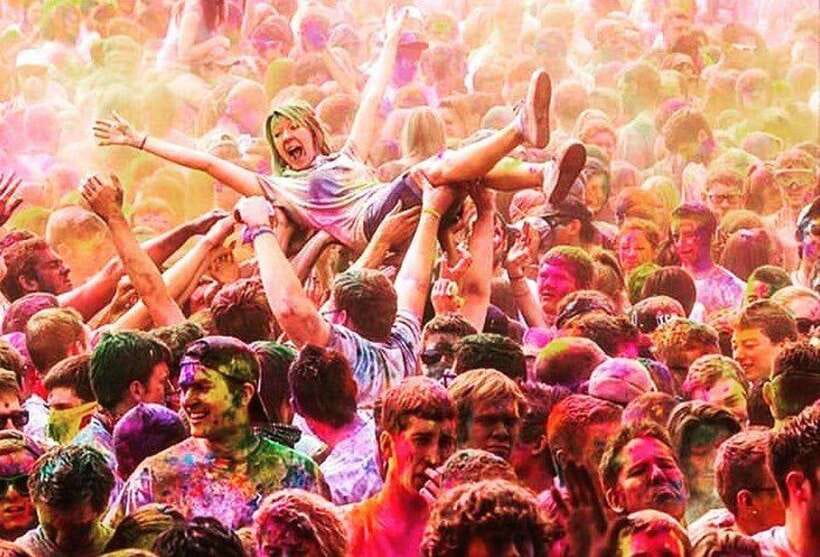
At $35 per person for about 6 hours, this isn’t just a ticket to enter a square. You’re paying for a full festival day kit and local support.
Here’s what’s included:
- Local guide (English and Hindi)
- Monument fee for Kathmandu Durbar Square
- White t-shirt and color
- Nepali thali set for lunch
- 1 bottle mineral water
- Holi festival celebration on 2 March 2026
What that means in real terms: you’re not paying extra for the basic “Holi participation” pieces. A lot of similar experiences make you buy a bunch of add-ons. Here, at least the essentials are handed to you, and that helps if you’re traveling light.
Not included is mostly what you’d expect: personal expenses and alcoholic beverages. So if you’re hoping for drinks, you’ll need to budget separately.
Your 6-Hour Day Plan: Route, Time, and Why It Works
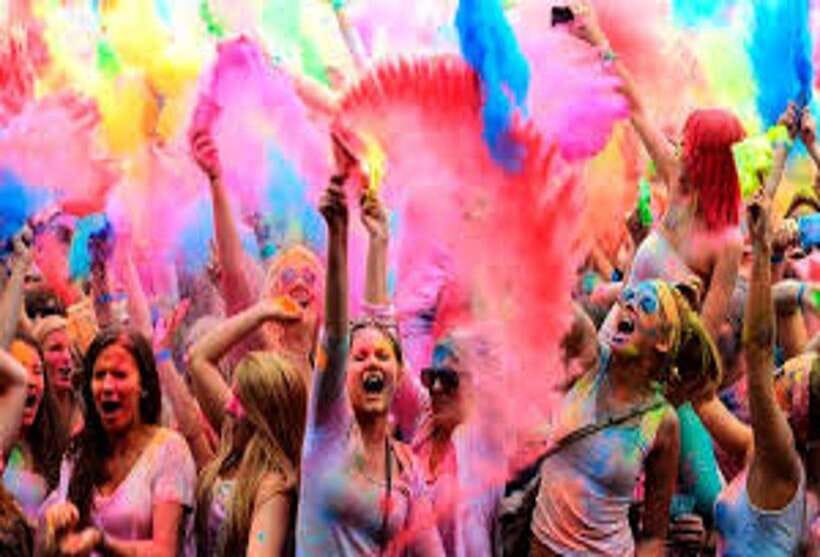
This isn’t a “drive-by and leave” kind of outing. The pacing is the point.
You start at The Delicious Pizza House Nepal. From there, it’s about 30 minutes on foot to reach the Kathmandu Durbar Square area. Walking matters in this kind of festival. You’ll get a gradual buildup of sound and color, instead of arriving at the peak moment with no context.
Once you’re in Kathmandu Durbar Square / Basantapur, the sightseeing block is about 4 hours. That’s long enough to do more than snap photos. You can:
- watch Holika Dahan as the ritual bonfire is part of the day’s flow
- look closely at the intricately carved temples, palaces, and courtyards
- take time for festival dancing, music, and color play
- learn how Holi is understood locally, not just as a global party
After the main time inside the square, you continue 45 minutes on foot. The goal here is to keep you moving through the area efficiently while the crowd dynamics shift over the day.
Basantapur Durbar Square: What You Should Look For
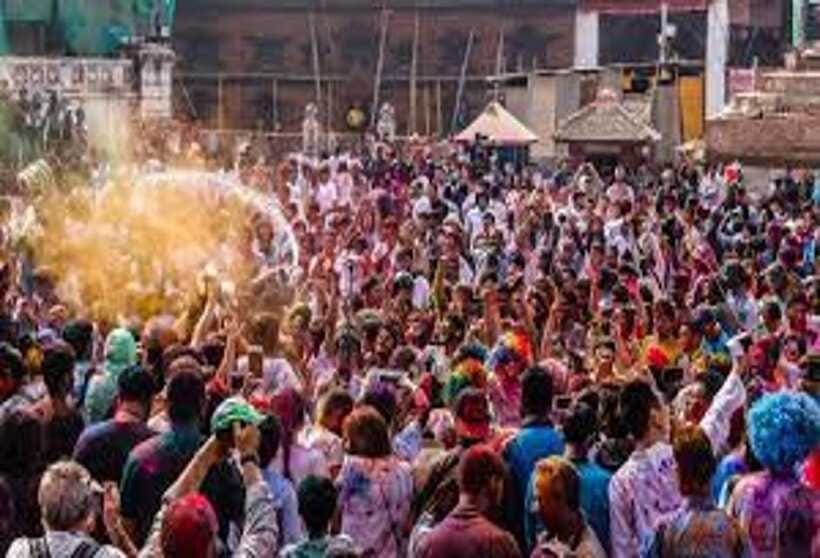
Durbar Squares are special because the buildings aren’t passive. They frame the festival action. As Holi unfolds, the carved stone feels like it’s part of the choreography.
While you’re there, focus on three things:
- Temple and palace details
Don’t rush past the stone. The carvings help you understand why this spot is UNESCO-worthy.
- The courtyard rhythm
Festival life moves in pockets: small groups, music bursts, then color play again. Courtyards make that natural.
- The ritual moment around Holika Dahan
People offer prayers as the flames rise, and you’ll notice how families and individuals position themselves differently than they do for dancing.
Photography helps here, but plan your shots. Lighting changes quickly around bonfires and when music events happen. I’d treat your camera like a tool: shoot, pause, then shoot again. You’ll enjoy it more than constantly filming.
Holika Dahan: The Ritual Part (Not Just the Fire)
The Holika Dahan bonfire is the spiritual anchor of the day. You’ll see participants offering prayers and seeking blessings for prosperity and happiness as the fire rises.
If you’re new to Holi, here’s a useful way to frame what you’re seeing:
- The bonfire is not just spectacle. It’s a festival teaching moment, tied to victory of good over evil.
- The crowd energy around the bonfire may look like a party, but people are also there for devotion and blessings.
That changes how you should behave. Keep your space. Move calmly. Don’t block sightlines for prayers. And if someone looks like they’re focused on a ritual moment, treat it like a quiet “in-between” moment even though music might be playing nearby.


Color Play and Safety: How to Have Fun Without Regretting It
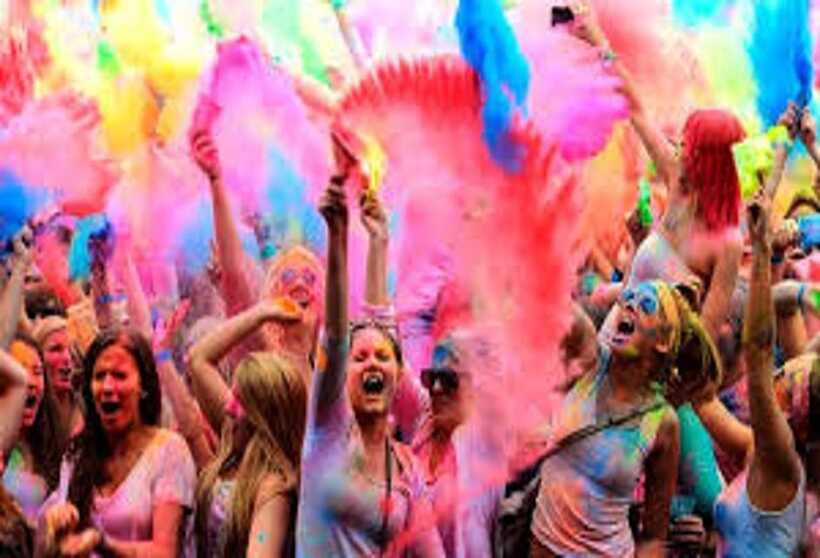
Holi colors are part of the experience, and you’re given color plus a white t-shirt, which makes participation easy. Just remember: it’s still a full-day color event in a crowded UNESCO site.
The practical safety tips are worth taking seriously:
- Wear old clothes you don’t mind getting stained.
- Protect your skin and eyes. Sunglasses help, and applying oil or moisturizer beforehand can reduce how stubborn color stains feel afterward.
- Be mindful of crowds. Stay aware of where you are, especially near steps, uneven stone, and dense pockets of people.
- Hydrate. It’s easy to lose track when you’re busy watching and photographing.
Also, follow the festival etiquette. Ask permission before applying colors to others, especially elders or anyone who seems like they don’t want to participate fully. This keeps the day respectful—and honestly, it makes the vibe better for you too.
One more thing: this activity is only available 1 day: 2 March 2026. If you want a longer Holi street experience, you’d need to plan additional time on your own around the festival season.
Lunch and Energy: Nepali Thali at the Right Moment
You’ll get a Nepali thali set for lunch along with 1 bottle of mineral water. This matters more than it sounds. Color, walking, and crowds can burn through energy fast.
Thali meals are a good “reset” option because they tend to be filling and varied, so you’re not stuck eating only one type of food while your day is still moving. It’s also a chance to step out of festival motion for a bit—sit, eat, and refuel before you return to sightseeing and the festival atmosphere.
Who This Tour Is Best For
This is a great match if you want:
- a Holi celebration that includes both ritual and sightseeing
- a guided way to handle a complex, crowded historic area
- a straightforward “show up and join in” setup (t-shirt, color, lunch, guide)
It’s especially appealing for solo travelers or small groups who want to feel anchored. The experience is run by a family business, and that personal touch shows up in how safe people feel during the day.
If you’re traveling with mobility concerns or medical sensitivities, read the “not suitable” notes carefully. This activity is not suitable for:
- pregnant women
- people with mobility impairments, wheelchair users
- people with respiratory issues or pre-existing medical conditions
- people with recent surgeries
When You Should Plan Around Rangwali Holi
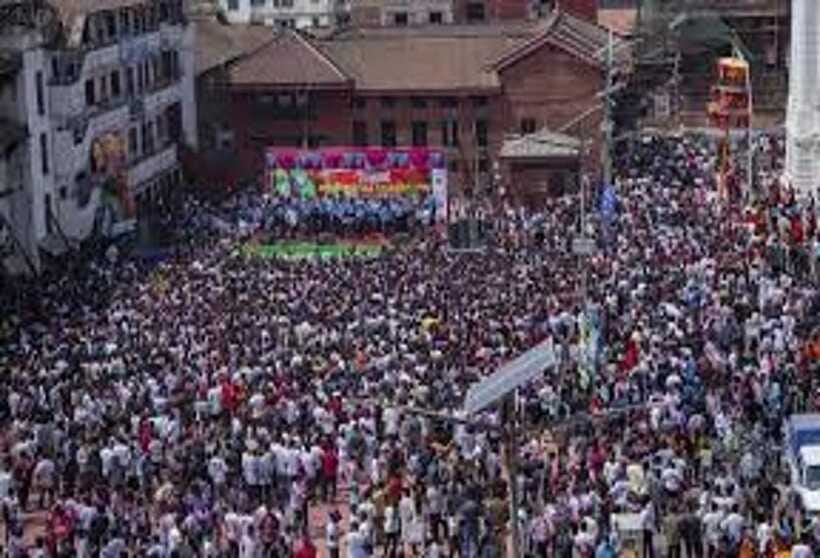
Holi doesn’t stop at the bonfire day. The following day is known as Rangwali Holi, when streets can feel like color moves through them.
Your tour focuses on 2 March 2026, so you’ll get the core ritual and the main square celebration. If you can stay in Kathmandu the next day, you might catch more street color play on your own, depending on what’s happening in the city.
Practical Tips Before You Go (So the Day Feels Easy)
Here’s how I’d prepare based on the on-the-ground reality of a Holi day:
- Bring a camera and consider bringing a lens cloth or wipe for quick cleaning.
- Pack sunscreen. Even with clouds, you’ll be outside.
- Carry water if you can. The tour provides one bottle, but you might want extra depending on your pace.
- Wear comfortable clothes with movement in mind.
- Protect your eyes. Sunglasses aren’t fancy; they’re useful.
- If you’re staying in Thamel, you can arrange pickup by emailing your hotel name and address.
If you’re not in Thamel, your meeting point is listed as Paknajol Marg opposite the Ganesh Temple, and you can find the meeting location in Google Maps.
Should You Book Kathmandu Durbar Square Holi on 2 March 2026?
I think you should book if you want a guided Holi day that combines:
- Holika Dahan ritual viewing
- real sightseeing in Kathmandu Durbar Square (UNESCO)
- built-in participation items like white t-shirt and color
- lunch and an on-the-ground guide to help you time your viewing well
You might skip it if:
- you can’t handle crowds or messy conditions
- you have a medical situation or mobility limitation that makes this day unsafe for you
- you’re looking for a long multi-day Holi immersion (this is one day only)
If you fit the “yes” category, this is the kind of experience where the setting does half the work for you. The stone carvings and courtyards give the festival context, and the guide helps you focus on the moments that matter: prayers at the bonfire, the ritual flow, and the color and music that come next.
FAQ
Where does the tour start?
The start point is listed as The Delicious Pizza House Nepal. You’ll also see the general meeting point noted at Paknajol Marg opposite the Ganesh Temple.
How long is the Holi celebration?
The duration is 6 hours.
What is the price per person?
The price is $35 per person.
What language is the guide?
The live tour guide speaks English and Hindi.
Is lunch included?
Yes. You’ll receive a Nepali thali set as lunch.
Is Holi color included?
Yes. Color is included, along with a white t-shirt.
Do I need to buy a monument ticket?
No. The tour includes the monument fee at Kathmandu Durbar Square.
Is this activity suitable for everyone?
No. It’s not suitable for pregnant women, people with mobility impairments or wheelchair users, people with respiratory issues, people with pre-existing medical conditions, or people with recent surgeries.
What should I bring?
Bring a camera, sunscreen, water, and comfortable clothes. You’re also advised to wear old clothes you don’t mind getting stained.