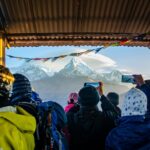
Ten days in Nepal, with just enough variety. This tour strings together Kathmandu Valley heritage, Pokhara lakeside moments, Sarangkot sunrise views, and Chitwan wildlife days in one go.
I especially like the hotel pickup and drop-off, because it removes the stress of figuring out local transport after long drives. I also like that you travel with a friendly, professional guide who can explain what you’re seeing (you might even meet guide names like Birodh, Ravi, or Robbie). A possible drawback: some of the big mountain moments depend on weather, and haze can make views less dramatic than you hoped for.
In This Review
- Quick hits to know before you go
- A Nepal Sampler Built for One Trip
- Kathmandu Valley: Getting Your Bearings in Patan and Swayambhunath
- The Road to Pokhara: Rivers, Long Hours, and a Change of Tempo
- Sarangkot Sunrise and Naudanda: Two Ways to See the Himalaya
- Devi’s Fall, Phewa Lake, and the World Peace Stupa Moment
- Chitwan National Park: Wildlife Time and Tharu Culture at Night
- Back to Kathmandu: Bird Watching and Bhaktapur Durbar Square
- The Guide Factor: When Names Like Birodh and Raj Matter
- Price and Logistics: What $990 Really Buys You
- Meals, Tickets, and What to Pack for a Mixed Itinerary
- Who Should Book This Best of Nepal Tour
- FAQ
- What is the duration of the Best of Nepal tour?
- How much does the tour cost?
- Are hotel pickup and drop-off included?
- What meals are included?
- Is the group size limited?
- What’s the cancellation refund timeline?
- Should You Book This Tour?
Quick hits to know before you go
- Hotel pickup and drop-off keep the schedule sane, especially on the long drive days.
- Breakfast, lunch, and select dinners included means fewer meals to plan and budget.
- Patan + Swayambhunath + Bhaktapur gives you three different takes on the Kathmandu Valley’s UNESCO sights.
- Sarangkot sunrise is the payoff morning, with close-up-style views when skies cooperate.
- Chitwan National Park + Tharu culture adds wildlife and local traditions, not just temples and museums.
A Nepal Sampler Built for One Trip
If you want a first taste of Nepal without hopping countries or making dozens of separate bookings, this “Best of Nepal” package is built for that. You move through Kathmandu Valley heritage, then switch gears to lakeside Pokhara, then head into lowland nature at Chitwan National Park. It’s a practical way to see a lot of Nepal while keeping most of the heavy lifting handled for you—transport, guides, and many entry fees.
It’s also family friendly, and the group size stays capped (up to 30 people). That matters more than it sounds. Smaller groups tend to stay flexible when traffic or timing gets weird, and you’re less stuck watching a parade of bodies at every stop. You’ll also get a local guide for the included activities and sightseeing, which is where the tour becomes more than a checklist.
One more value point: the price includes pickup, meals, taxes/fees/handling, and a mix of attraction tickets marked as included or free on the plan. At $990 per person, you’re paying for convenience and organization, not just sightseeing.
You can also read our reviews of more tours and experiences in Kathmandu.
Kathmandu Valley: Getting Your Bearings in Patan and Swayambhunath
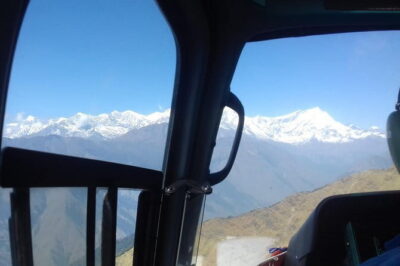
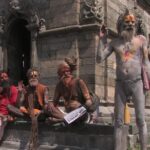
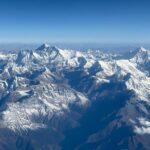
Day 1 is your Kathmandu arrival and orientation time—about an hour scheduled, with admission marked free. Practically, this is your chance to get settled, get your feet under you, and start noticing how the city moves. On a clear day, Kathmandu’s mountain views from the air can be stunning. Even if the weather isn’t perfect, the energy of the valley is.
Day 2 is a strong heritage combo:
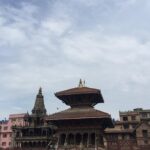
- Patan Durbar Square (about 3 hours, admission included): Patan sits in Lalitpur and is one of the three Kathmandu Valley Durbar Squares that are UNESCO World Heritage Sites. This is the kind of place where you’ll spot fine stonework, carved details, and temple-group layouts that feel designed rather than accidental. If you like architecture and old-city craftsmanship, Patan rewards you.
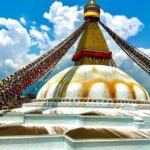
- Swayambhunath, the Monkey Temple (about 1 hour, admission free): This is a major Tibetan Buddhist temple outside Tibet. The “monkey” part is real—expect monkeys around the complex. Go slow, keep an eye on your belongings, and don’t do anything that invites them closer.
What to watch out for: these older hilltop sites can be affected by visibility. If haze hangs around, the views can lose some punch. Still, Patan and Swayambhunath work even on a less-than-perfect sky day because the sites themselves are detailed and atmospheric.
The Road to Pokhara: Rivers, Long Hours, and a Change of Tempo
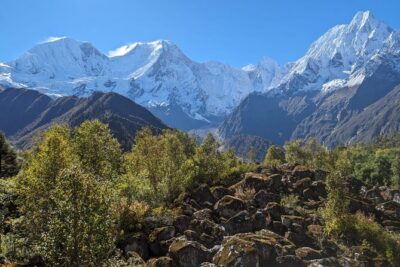
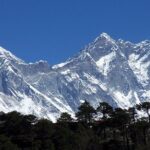
Day 3 is a big transition: Kathmandu to Pokhara by road, about 7 hours. The drive follows the Trisuli and Marsyangdi River routes, and the plan specifically notes mountain views like Ganesh Himal and Manaslu glimpses.
This drive is not just transit. It’s how the trip shifts from high-temple Kathmandu energy to a calmer, more scenic rhythm. Pokhara is where you start feeling the vacation part of the trip. Once you arrive, you’ll have time to settle into your hotel and reset your legs.
Why I think this stop is worth it: Pokhara isn’t only about one viewpoint. It’s also about your daily pace—slower, more water-air breathing room. That makes the next days (sunrise, stupa hike, and lakeside scenery) feel earned.
Consideration: road days can be tiring. If you’re sensitive to motion, plan for it (small snacks, water, and asking your guide where to sit for the smoothest ride can help).
Sarangkot Sunrise and Naudanda: Two Ways to See the Himalaya
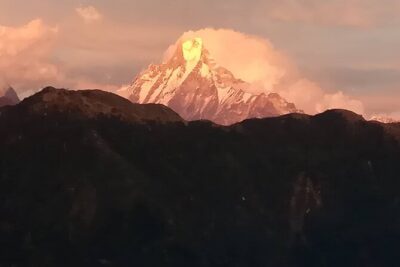
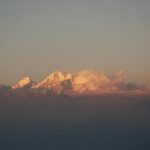
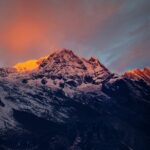
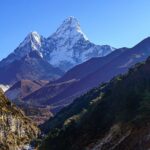
Day 4 is one of the most “Nepal” parts of the itinerary. It starts early with a drive to Sarangkot (about 30 minutes, admission included). Sarangkot is famous for sunrise over the Himalaya, and the plan calls out close-up-style views of Annapurna, Fishtail (Machhapuchhre), and others when conditions cooperate.
Then the day turns active with Naudanda: a hike of about 3 hours on a mostly flat path (plat level path). After that, you drive back to Pokhara.
Here’s the practical way to think about this day:
- Sunrise viewpoints reward you if you’re okay with early mornings.
- Naudanda is the leg-stretcher that keeps the tour from being only driving and looking.
- Together, they give you two different “altitude view” experiences without turning the trip into a demanding trek.
What might be hard: early wake-ups. If sleep is sacred to you, this is the day to mentally prepare. Also, wear shoes you can hike on comfortably. Even flat trails can get slippery or dusty.
Devi’s Fall, Phewa Lake, and the World Peace Stupa Moment
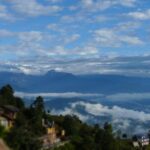
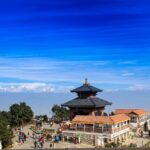
Day 5 begins in Pokhara with Devi’s Fall included, followed by time on Phewa Lake. The plan notes a boat ride across the lake and then a hike to the World Peace Stupa, which can take about an hour. You’re looking at views over the lake, the Himalayan backdrop, and Pokhara itself.
This day works because it mixes “story + view + effort”:
- Devi’s Fall gives you a dramatic natural feature and a well-known Pokhara highlight.
- The Phewa Lake boat ride is a calmer reset.
- The stupa hike adds a gentle climb that turns the day into an experience, not just a set of photos.
Small reality check: stupa viewpoints are weather dependent. If it’s hazy or windy, the air can feel cooler and the view can soften. Still, the stupa itself gives you a sense of place and a satisfying end point after the hike.
Chitwan National Park: Wildlife Time and Tharu Culture at Night
Day 6 takes you from Pokhara to Chitwan National Park (about 7 hours by road). Breakfast happens first, and then you check into a jungle lodge. The evening includes a Tharu village tour.
That evening portion matters. Chitwan isn’t only animals; it’s also how local communities live alongside the park. Tharu culture becomes the human thread tying the day together. If you like culture as much as wildlife, this tour avoids the trap of treating villages like a quick photo stop.
Day 7 is the second Chitwan day, and it’s packed:
- Jungle walking
- Watching elephants bathing
- Visiting the elephant breeding center
- Supper followed by a Tharu cultural stick dance
This is the day you’ll likely remember most because it connects movement and sound: you’re walking, you’re watching elephants, and then you’re watching performance in the evening.
What to consider: animal viewing in wildlife areas can’t be guaranteed like a zoo. But the itinerary is designed so you get multiple chances—morning activities, walking time, and then evening cultural programming. You’re not stuck waiting in one single spot all day.
Back to Kathmandu: Bird Watching and Bhaktapur Durbar Square
Day 8 returns to Kathmandu (about 7 hours total including activities). The morning includes a bird watching tour, then you drive about 6 hours back to the capital. Your evening is free after hotel check-in.
Day 9 is a full Kathmandu Valley heritage day at Bhaktapur Durbar Square (admission included). Bhaktapur is known for its architecture and for the historical stories tied to the city’s squares and structures. The itinerary notes the site’s immense and tragic historical features, so expect a place where you’ll feel the weight of past events even while the craftsmanship is right in front of you.
Day 10 wraps up with one last Kathmandu stop on the schedule (about 1 hour, admission free). In real life, that usually means a final chance to revisit an area, do last-minute shopping, or simply soak in the city one more time.
Tip for days with lots of walking: take breaks early, not late. If you wait until you’re tired, you’ll rush the details. If you take short breaks, you’ll actually enjoy the carvings, courtyards, and street-level scenes.
The Guide Factor: When Names Like Birodh and Raj Matter
This tour’s quality shows up most in the guide work. In the provided feedback for Outfitter Nepal, guide names come up again and again.
- Raj is mentioned for fast, attentive communication before the trip and smooth coordination.
- Birodh gets highlighted for being professional, fun, and good at adjusting to the group. He’s also described as helpful with photography and bringing people to good restaurants with views.
- Ravi is praised for explaining places and the history behind what you’re seeing.
- Robbie shows up as someone who went out of his way to accommodate people and even bring small gifts.
Even if you don’t get those exact guides, the pattern is clear: a strong guide can make the difference between seeing sights and understanding them. This matters on days like Patan and Bhaktapur, where details are everywhere, but only a guide will help you focus your attention.
Practical advice: ask your guide what time of day is best for photos, and ask one question per stop. If you do that, the tour feels more personal and less like a moving schedule.
Price and Logistics: What $990 Really Buys You
Let’s talk value in plain terms.
For $990 per person, you’re getting:
- Hotel pickup and drop-off
- A local guide
- Meals: Breakfast (7), Lunch (3), Dinner (2)
- Local taxes, fees, and handling charges
- Attraction tickets that are marked included on multiple days, while some items are marked free
Food and drinks aren’t included, so plan for that. Drinks in particular add up in a hurry in a place where you might stop often for bottled water, tea, or snacks.
Why this package feels like good value: the trip removes a lot of the “admin tax.” You won’t be spending energy arranging every segment, which is exactly what tends to blow up budgets for people who try to DIY a route across multiple regions.
Also, the tour is set up for a group size up to 30. That keeps the experience organized without feeling like a giant bus tour.
Meals, Tickets, and What to Pack for a Mixed Itinerary
Meals are structured, which helps you travel with less friction:
- You’ll have breakfast included repeatedly, likely covering most mornings.
- Lunch is included on several days, so you won’t always be stuck hunting for food between activities.
- Dinner is included twice. On other evenings, you’ll have free time, so you can eat where you want.
As for what to pack:
- A light layer for early sunrise mornings (Sarangkot starts before you want to be awake).
- Comfortable shoes for the Naudanda hike.
- A day bag for water and snacks, especially on walking-heavy periods.
- Small bills if you want flexibility for drinks or extras (since food and drinks aren’t included).
Tickets are handled via a mobile ticket, which is convenient. Just make sure your phone is charged and saved for the day you need it.
Who Should Book This Best of Nepal Tour
This is a great fit if:
- you want a single trip that covers Kathmandu Valley sights, Pokhara highlights, and Chitwan wildlife/culture
- you like organized pacing with a guide who can explain what you’re seeing
- you’re traveling with kids or with mixed-age group members and want family-friendly structure
- you want to keep planning low and maximize time
You might want to think twice if:
- you hate long drive days (there are multiple major transfers)
- you expect perfect mountain visibility every morning (weather can soften views)
- you’re craving deep trekking. This is sightseeing + nature, not high-altitude hiking
FAQ
What is the duration of the Best of Nepal tour?
It’s listed as 10 days (approx.).
How much does the tour cost?
The price is $990.00 per person.
Are hotel pickup and drop-off included?
Yes. The tour includes hotel/port pickup and drop-off.
What meals are included?
The tour includes 7 breakfasts, 3 lunches, and 2 dinners. Food and drinks are not included.
Is the group size limited?
Yes. The maximum group size is 30 travelers.
What’s the cancellation refund timeline?
You can cancel up to 6 days in advance for a full refund. Cancel 2–6 days before for a 50% refund, and within 2 days for no refund.
Should You Book This Tour?
Yes, if you want a well-run Nepal sampler that hits the big regions—Kathmandu Valley, Pokhara, and Chitwan—without you doing the logistics work. The value is strongest for people who like structure, appreciate a capable guide, and want meals and pickup handled.
If you’re chasing guaranteed mountain clarity, keep expectations flexible. Go for the early mornings, the walking days, and the mix of heritage plus wildlife—and you’ll likely find this one hits the sweet spot.