REVIEW · KATHMANDU
Nepal Cultural Highlights Tour in 10 Days
Book on Viator →Operated by Asian Heritage Treks and Travels · Bookable on Viator
A trip like this saves you from turning Nepal into a spreadsheet. You get private driving across big distances and a small group (max 10), so the days feel human instead of rushed. The only real catch: you’ll move a lot, and a few stops involve long drives or intense religious sites.
What I like most is how the plan connects places that are far apart—Kathmandu to Chitwan to Pokhara—with the driving handled by your team. I also like that the itinerary hits top World Heritage ground without making you hunt down tickets or translators. One consideration: days around Pashupatinath (with cremation ceremonies) and early mornings in Pokhara can feel emotionally heavy or physically tiring if you’re not ready.
If you want a cultural sampler that still leaves room to breathe, this is a smart way to go. I’d just go in knowing you’re signing up for comfort and logistics support, not slow travel.
In This Review
- What makes this Nepal Cultural Highlights Tour work
- From Tribhuvan Airport to Thamel: a smooth start in Kathmandu
- Kathmandu Valley UNESCO day: Durbar Square, Monkey Temple, Boudhanath and Pashupatinath
- Patan and Bhaktapur: UNESCO squares with real craftsmanship energy
- Chitwan National Park: canoe time on the Rapti River
- Lumbini-style cultural focus and bird-watching before Pokhara
- Sarangkot sunrise, Devi’s Fall, Gupteshwor Cave, and the World Peace Stupa
- Bandipur old town stop on your return to Kathmandu
- Getting home: transfer to Kathmandu International Airport
- Price and value: is $1,699 fair for 10 days?
- Should you book this Nepal Cultural Highlights Tour?
- FAQ
- How many people are in the group?
- Does the tour include pickup and transfers?
- Where is the tour based in Kathmandu?
- What’s included in the $1,699 price?
- Are entrance fees included for UNESCO sites?
- Are meals fully included every day?
- What is not included in the tour cost?
- Is there free cancellation?
What makes this Nepal Cultural Highlights Tour work
- Small group size (10 max) keeps the experience flexible when questions come up at temples or while riding along the river.
- Private land transport between Kathmandu, Chitwan, Lumbini and Pokhara means fewer travel headaches and more scenery time.
- Local English-speaking guide helps you connect the dots fast, especially in Kathmandu Valley’s temple neighborhoods.
- UNESCO-focused days at Durbar Square sites help you see the important architecture and urban history in a short window.
- Chitwan by Rapti River includes canoe time where you can spot wildlife resting along the water.
From Tribhuvan Airport to Thamel: a smooth start in Kathmandu
You land, and your driver is waiting outside Tribhuvan Airport. That sounds basic, but in Nepal it matters: it helps you skip the first-day stress of finding the right ride and getting oriented.
You’ll be transferred to your hotel in Thamel, the tourist zone of Kathmandu. Thamel is convenient for logistics (food, small shops, getting a SIM, and walking to viewpoints), and it also makes it easier to settle before you start temple days.
If you arrive with jet lag, the first day is mostly about the landing and settling in. No big “must-see” sprint right away, which is a kindness for first-timers.
You can also read our reviews of more tours and experiences in Kathmandu.
Kathmandu Valley UNESCO day: Durbar Square, Monkey Temple, Boudhanath and Pashupatinath
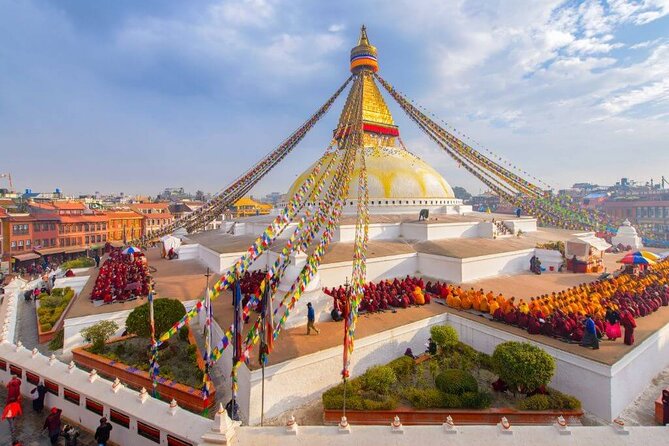
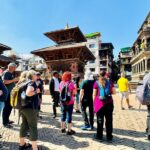
Kathmandu’s spiritual center is a stacked set of places, and this tour threads them together in a way that actually works. You’ll start at Kathmandu Durbar Square, where old temples and the architecture of the city tell the story in stone and carvings. It’s a walk-through of cultural layers, and admission for this stop is free on the program.
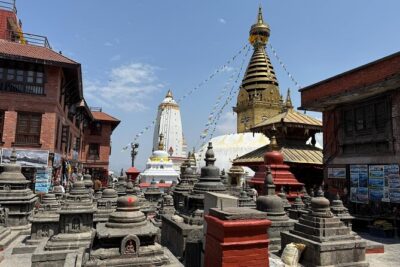
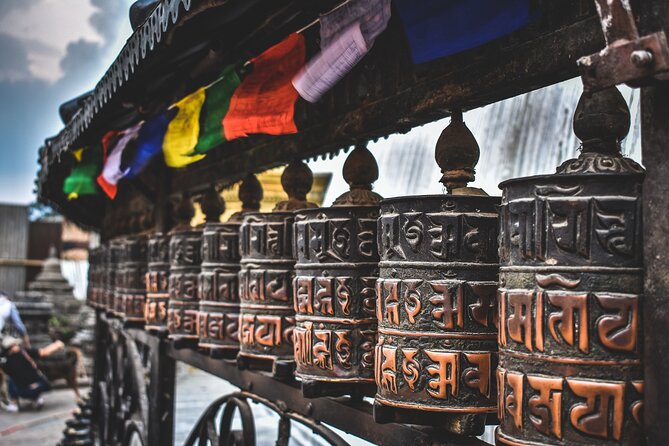
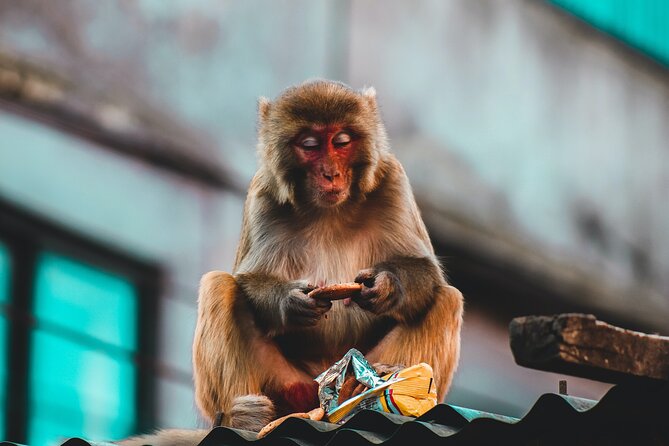
Next comes Swayambhunath, also known as the Monkey Temple. It sits atop a hill with a stupa as the main feature, and you can reach it from two sides. Translation: you’ll have options to match your energy level that day, and you’ll get that classic hilltop Kathmandu view.
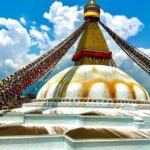
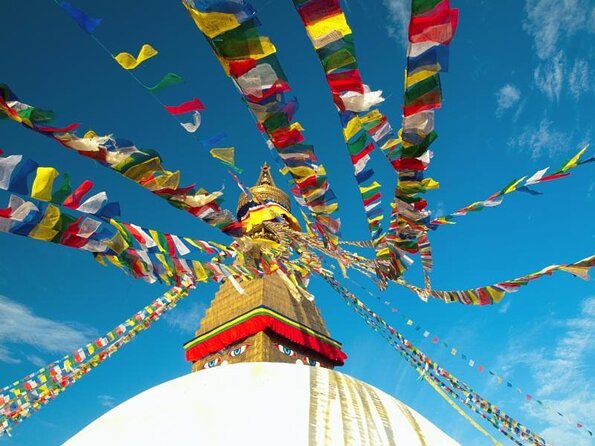
Then you shift to Boudhanath Stupa, one of the biggest stupas in the world and a UNESCO World Heritage site. The program gives you free time to lunch and watch local devotees doing their rituals. I like this stop because it’s calmer than many tourist attractions—if you keep your phone put away, you’ll notice how normal worship looks here.
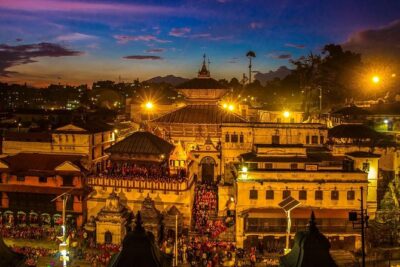
The day ends with a visit to Pashupatinath Temple on the Bagmati River. This is an important Hindu pilgrimage site, and it’s also where cremation ceremonies take place. That’s meaningful and part of the reason the place matters, but it’s also the most emotionally intense stop on the Kathmandu side. If you’re sensitive to that kind of ritual viewing, plan to move at your own pace.
Practical tip for temple days: wear clothes that let you sit or stand comfortably, and keep a light layer. Even in “clear weather,” Kathmandu can shift fast once you’re out walking among crowds.
Patan and Bhaktapur: UNESCO squares with real craftsmanship energy
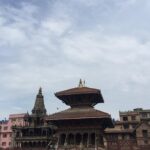
The next stretch stays inside Kathmandu Valley, but the mood changes. You’ll drive to Patan Durbar Square for UNESCO-level temple and city-center sights. Patan’s vibe often feels more “artist’s workshop” than “grand monument,” and the program includes a visit to Krishna Temple.
After that, you’ll head to Bhaktapur Durbar Square, described as one of the most-preserved medieval city centers from the Malla period. This is where your eyes start linking architecture to everyday tradition. The area is also known for well-preserved local practices like pottery, so you’re not just looking—you’re seeing how heritage lives on.
Both sites are listed with free admission in the program, which helps you avoid ticket-by-ticket decision fatigue. What you’re really paying for is the guided flow: getting you to the right corners of these large, active spaces without wasting half a day figuring out routes.
One small consideration: this area can be busy. If you hate crowds, go slower during peak traffic hours and give yourself permission to pause for photos, not just power-walk from gate to gate.
Chitwan National Park: canoe time on the Rapti River
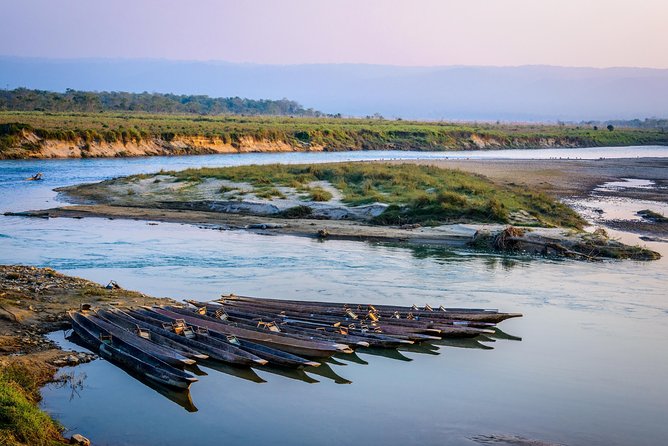
Chitwan is where Nepal shifts from temples to wildlife and river rhythm. You’ll travel about 160 kilometers from Kathmandu, and the drive itself is part of the experience. It’s long enough that having private transport is a big deal—this isn’t a “quick hop” on public buses.
In Chitwan, you’ll spend a day focused on canoeing on the Rapti River. The program is set up so you can observe Marsh Mugger and Gharial crocodiles resting along the riverbanks. Even if you don’t see animals every minute, you still get the point: wildlife viewing from the water, with time for your guide to explain what you’re looking for.
Then there’s another day planned with bird-focused activities around the same river region. Chitwan is known for birds, and your tour guide will explain different species. I like this approach because it slows down the day: you’re not only scanning for big wildlife, you’re learning to notice smaller movement and calls.
Keep expectations realistic. A national park day is never a guaranteed animal show. What you can count on is the setup—river time, guided spotting, and a schedule built around the habitats people actually come here for.
Lumbini-style cultural focus and bird-watching before Pokhara
The itinerary turns toward Lumbini on the schedule, while still keeping nature observation in the mix. You’re set for bird watching with your guide around the Rapti river bank area during this portion of the program. If you’re the kind of traveler who enjoys learning names and habits—not just taking pictures—this is a good match.
From there, you drive to Pokhara. The program notes the scenic route via the Siddhartha Highway, connecting the Terai region in southern Nepal with the mountain region to the north. That matters because it explains why you’ll feel the country change under your wheels: lower elevations and warmer air give way to the Himalayan backdrop.
Pokhara is the release valve after Chitwan. It’s easier to breathe here, and it sets you up for the next morning’s mountain view plan.
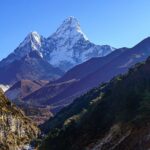
Sarangkot sunrise, Devi’s Fall, Gupteshwor Cave, and the World Peace Stupa
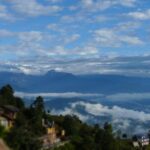
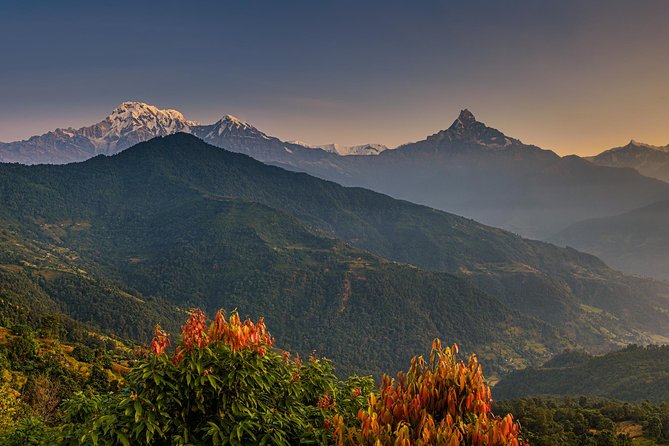
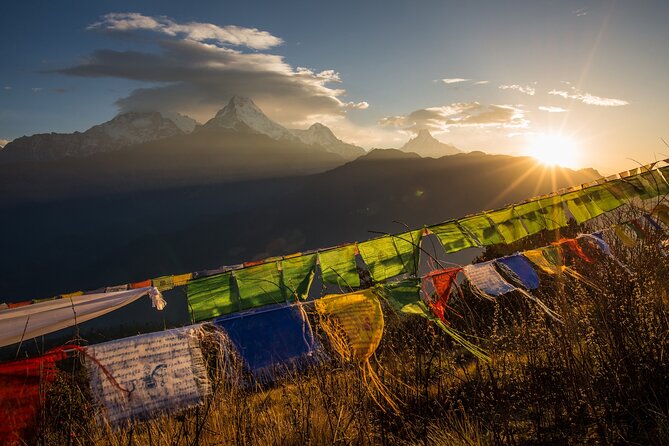
Pokhara day starts early with Sarangkot sunrise. You’ll head out in the very early morning for views over the Himalayan mountains, described as an introduction to the 8000+ meter peaks. After sunrise, you’ll have a breakfast break.
I like how this tour structures Sarangkot: it’s about the light, the view, and a short window of calm before the rest of the day gets busier.
Later, you visit Devi’s Fall, known for continuing underground. That’s one of those Nepal geology stories that feels both strange and simple—water doing what water does, in a way that locals and visitors both remember.
Next up is Gupteshwor Cave, across the street from the Davis Waterfall area. You’ll be able to see the flow of the waterfall from inside the cave. This is a practical stop too: caves tend to be cooler and offer a break if you’re worn out from heat.
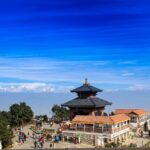
The day finishes with World Peace Stupa. It’s a white-domed Buddhist monument symbolizing peace, built by Japanese monks, and it sits on a hilltop with views of the Himalayas and Phewa Lake. The program also notes the stupa promotes harmony—so it’s more than a photo op.
Consideration for this day: it’s packed. If you want maximum quiet, keep your breaks short and choose what matters most to you—sunrise views, falls, or the stupa.
Bandipur old town stop on your return to Kathmandu
On the way back, the tour includes a stop in Bandipur, described as a beautiful old town. You’ll have about an hour to explore, and there’s a lunch break where lunch is at your own expense.
This stop is valuable because it breaks up the long travel back to Kathmandu. Bandipur’s inclusion also adds variety: you’re not just shuttling between big cities and parks. You get a slice of traditional hill-town feel before you return to the energy of Kathmandu.
If you’re sensitive to motion sickness, this is still a long day. I’d plan a little hydration and keep a light snack before the drive sections so the day doesn’t feel like a blur.
Getting home: transfer to Kathmandu International Airport
Your final day is straightforward. About three hours before departure, you’ll be transferred to Kathmandu International Airport for your flight onwards.
That timing is smart. Nepal airports can take time, and you don’t want to be sprinting through check-in after a day of driving.
Price and value: is $1,699 fair for 10 days?
At $1,699, you’re paying for more than sightseeing. You’re paying for comfort and coordination: private land transport, hotel accommodation, an English-speaking local guide, and entrance fees for World Heritage sites.
The value gets clearer when you look at what’s actually included:
- All land transportation by private vehicle
- Hotel accommodation
- Experienced English-speaking local tour guide
- Government and local taxes
- Entrance fee for World Heritage Sites
- Breakfast 9 times
- Lunch 2 times and Dinner 2 times
Your costs that are not included are also clear:
- Tipping for guide and driver
- Travel insurance
- International flights
- Room upgrades
- Donations in temples/monasteries
- Food for everywhere except Chitwan
- Drinks/beverage bills
- Any other personal spending
So the pricing is strongest if you like having your logistics handled and you don’t want to spend days building your own route across Nepal. You’re buying time and stress reduction, plus access to a guide who can explain what you’re seeing—especially in Kathmandu Valley.
If you’re the type who loves DIY planning and already knows Nepal well, you might find ways to spend less. But if you’re first-time visiting or you want the itinerary to do the heavy lifting, this price is reasonable for a 10-day sweep of Kathmandu Valley temples plus Chitwan and Pokhara.
Should you book this Nepal Cultural Highlights Tour?
I’d book it if you want a Nepal “greatest hits” path with small-group attention, private driving, and UNESCO sites covered without ticket chaos. It’s especially good for first-timers who want a guide to help with language barriers and cultural context at major religious and heritage stops.
I’d think twice if you’re easily overwhelmed by crowds, uncomfortable with the realism of religious cremation ceremonies at Pashupatinath, or you prefer slower, less-structured pacing. This tour moves, and you’ll spend a good chunk of time traveling between regions.
If you match the vibe, the payoff is big: temple architecture in Kathmandu Valley, river wildlife time in Chitwan, then mountain views and cave-and-fall scenery around Pokhara—all stitched into one organized, manageable 10 days with Asian Heritage Treks and Travels running the show.
FAQ
How many people are in the group?
The tour is limited to a maximum of 10 travelers.
Does the tour include pickup and transfers?
Yes. A driver will meet you at Tribhuvan Airport, and you’ll also be transferred to Kathmandu International Airport near your departure time.
Where is the tour based in Kathmandu?
You’ll stay in Thamel, the tourist area of Kathmandu.
What’s included in the $1,699 price?
It includes all land transportation by private vehicle, hotel accommodation, an experienced English-speaking local tour guide, government and local taxes, entrance fees for World Heritage Sites, and breakfast 9 times, plus lunch 2 times and dinner 2 times.
Are entrance fees included for UNESCO sites?
Yes. Entrance fees for World Heritage Sites are included.
Are meals fully included every day?
Breakfast is included 9 times, and lunch and dinner are included 2 times each. The package also notes that food isn’t included for everywhere except Chitwan, so you should expect to pay for some meals yourself.
What is not included in the tour cost?
Tipping for the guide and driver, travel insurance, international flights, room upgrades, donations in temples/schools/monasteries, drinks/beverage bills, and any extras not listed in the included section.
Is there free cancellation?
Yes. You can cancel up to 24 hours in advance for a full refund.