REVIEW · KATHMANDU
Rafting in Nepal: Trishuli, Bhotekoshi & Other River Rafting
Book on Viator →Operated by Shepherd Holidays · Bookable on Viator
Whitewater starts fast from Kathmandu. You’re set up for a fun day on Nepal’s rivers, with Trishuli offering friendly Class II–III rapids and hotel pickup and drop-off that keeps the morning from turning into a scavenger hunt.
I also like the way the trip is built around practical river time: you get a clear safety briefing, you’re provided what you need, and you spend your energy on paddling instead of logistics. The one consideration is road time and the knock-on effect on your schedule: if you go by public or tourist bus, you may face long rides on uneven roads, and the time on the water can feel shorter than you hoped.
In This Review
- Key things to know before you book this Kathmandu rafting day
- Trishuli vs. Bhote Koshi: picking the right Nepal rafting trip
- Kathmandu pickup to the put-in point: how the day flows
- What happens on the river: safety, gear, and your time on the water
- Stop 1: Trishuli River rafting from Charaudi
- Stop 2: Bhote Koshi rafting from Sukute for Class III–V days
- Lunch and the small comforts that keep rafting from feeling like a hassle
- Price and value: is $90 fair for Kathmandu rafting?
- Who should book this, and who should skip it
- Booking tips for a smoother rafting day
- Should you book this Trishuli and Bhote Koshi rafting day from Kathmandu?
- FAQ
- How long is the rafting trip?
- Which rivers are included?
- What rafting difficulty should I expect?
- Do I get hotel pickup and drop-off?
- Is lunch included?
- How many people are in the group?
- What if the weather is bad?
Key things to know before you book this Kathmandu rafting day
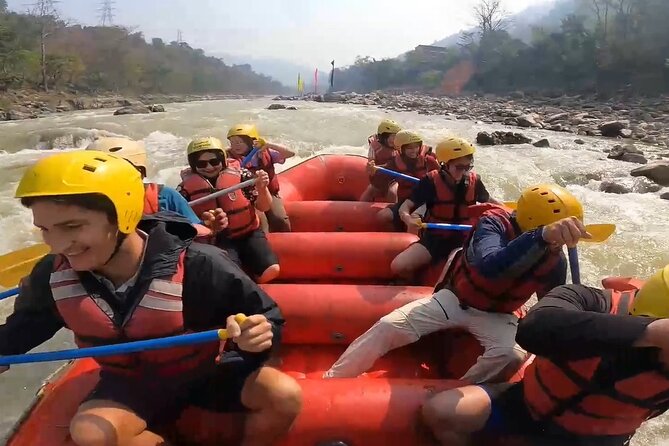
- Two rivers, two difficulty levels: Trishuli is geared to easier rapids (Class II–III), while Bhote Koshi is for the bold (Class III–V).
- Safety briefing + trained guides: expect a thorough pre-ride briefing before you hit the water.
- Transportation is part of the deal: pickup/drop-off, plus return transport to get you back where you started.
- Lunch is included: a typical Nepali lunch is provided, so you’re not hungry between transfers.
- Small group size: up to 15 travelers, which helps keep the day from feeling chaotic.
- Weather matters: the experience requires good weather, with an alternate date or full refund if conditions force a change.
Trishuli vs. Bhote Koshi: picking the right Nepal rafting trip
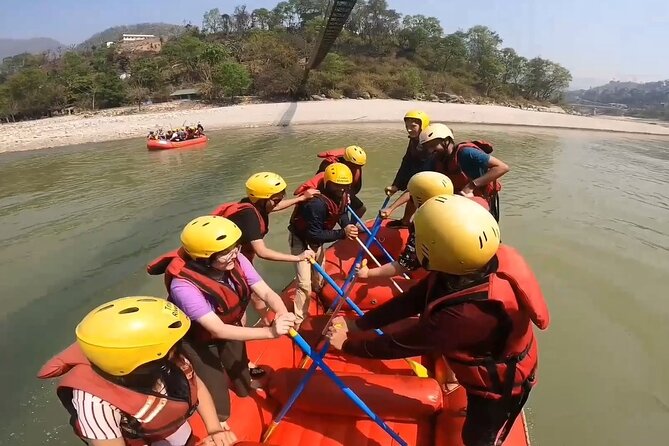
This is really two different rafting vibes, both offered as day trips from Kathmandu.
Trishuli River rafting is the easier on-ramp. The rapids are typically Class II and III, which fits beginners who want real white water without feeling like the river is out to get them. There’s also a practical angle: the Trishuli’s waterflow makes rafting possible in most seasons, and the river is described as relatively warm-water, which can make a big difference to your comfort.
Bhote Koshi (Bhote Koshi) rafting is where the adrenaline shifts up. The rapids range from Class III to V, and the route is described as winding through narrow gorges. If you already have rafting experience, or you simply want a stronger challenge, this is the option that matches the moment.
You can also read our reviews of more tours and experiences in Kathmandu.
Kathmandu pickup to the put-in point: how the day flows
Most people picture rafting as, well, rafting. But near Kathmandu, the day is also the road.
The trip includes pickup and drop-off at your hotel and round-trip transportation tied to the river’s put-in point. You can choose private transport, or you can use public/tourist bus options (tourist buses are prioritized when available). Either way, you’ll get a scenic drive through hilly scenery on the way in.
Here’s the practical reality: the ride can take long, especially with public buses, and road conditions in Nepal can affect timing. The schedule for the river portion is fairly tight (about a few hours each), so if you want the most time on water, private transport is often the smarter pick.
I’d treat the total day as a flexible 6 to 12 hours, not a strict time block. That range matters if you’re trying to line up other plans in Kathmandu.
What happens on the river: safety, gear, and your time on the water
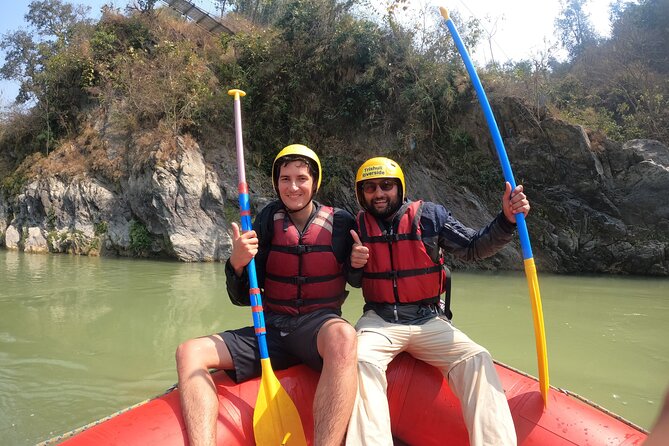
Before you get on the river, you’ll receive a thorough safety briefing from experienced guides. That’s not just a legal box-check. It’s what helps you know what to do when water starts moving fast, when to listen up, and how to react when the raft shifts.
You’re also given the gear you need, and you raft with a crew that’s used to this stretch of river. On both river options, the setup is designed for day-trippers who don’t have the time (or interest) to do deep backcountry expeditions.
One theme to keep in mind: the actual water time can feel shorter than you expect if you’re timing it like a half-day activity. In return, the day gives you a structured experience with food, transfers, and guidance baked in.
Stop 1: Trishuli River rafting from Charaudi
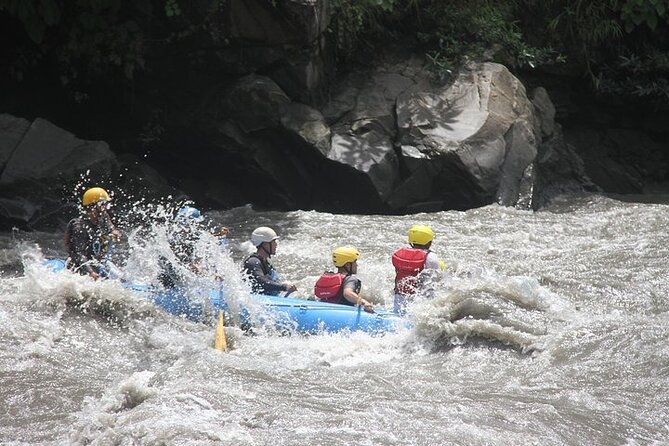
Trishuli is built as the perfect first real white-water day near Kathmandu.
The day starts with a scenic drive to Charaudi, where your adventure begins. Transport can be private car or tourist/public bus, subject to availability. Once you arrive, your guides go over the basics in a safety briefing before you step into the raft.
Then you’re on the river for manageable thrills: Class II–III rapids that let you feel the action without needing to be a seasoned rafter. The trip is framed as a balance of excitement and ease, and that balance is the whole point. You should come away feeling like you did something brave, not like you survived an escape room made of water.
Trishuli is also described as relatively warm-water, and the river is popular partly because it’s workable across many seasons. If you’re visiting outside peak rafting months, this is one reason Trishuli tends to remain a dependable choice.
Stop 2: Bhote Koshi rafting from Sukute for Class III–V days
Bhote Koshi is a stronger, more serious rafting experience, and it shows up right at the put-in.
Your drive heads toward Sukute. When you arrive, you’re met by powerful river water, and then the guides provide the safety briefing before you hit the rapids. The rapids range from Class III to V, which is the key difference from Trishuli.
Bhote Koshi rafting is described as running through narrow gorges, so expect the feeling of the river squeezing in around you. That’s the sort of terrain that can turn an already challenging rapid into something more intense, more physical, and more memorable.
This is the day I’d choose if you’re chasing a higher adrenaline hit and you’re comfortable with more demanding rafting conditions. If you’re new to rafting, I’d strongly consider starting with Trishuli first.



Lunch and the small comforts that keep rafting from feeling like a hassle
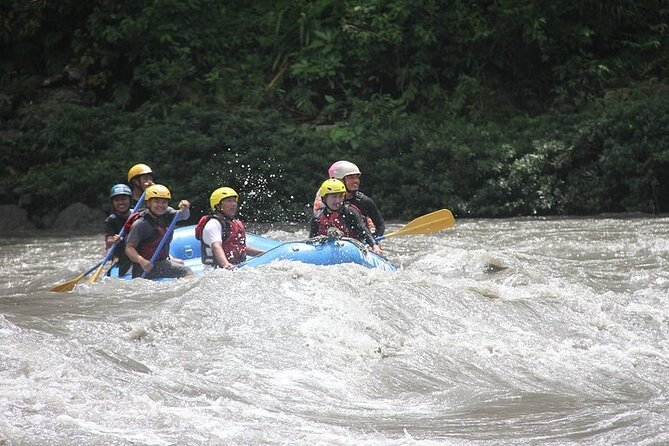
This trip includes a typical Nepali lunch, which matters more than you’d think. Rafting logistics usually fail on hunger: if food isn’t included, people end up eating late, grabbing random snacks, or feeling drained before the river even starts.
Here, you’re fed as part of the day plan, so you can focus on the ride and the rapids. It’s also part of why the activity feels “organized,” even when the roads don’t cooperate.
One more practical detail from real-day feedback: personal belongings protection is described as handled well. That means you’re less likely to spend your mental energy worrying where your stuff is while you’re on the water.
Price and value: is $90 fair for Kathmandu rafting?
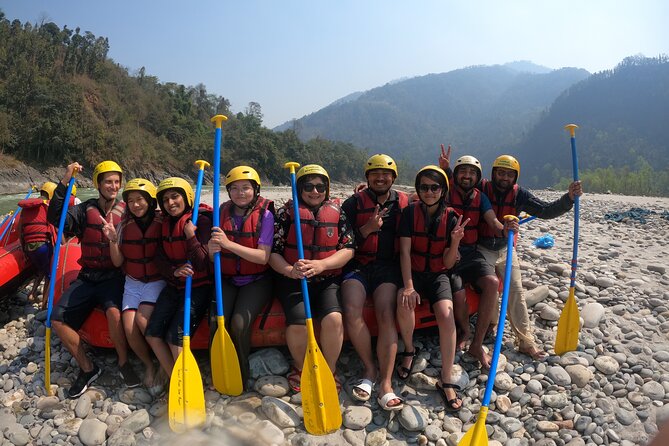
At $90 per person, you’re not just paying for a raft. You’re paying for the whole moving system: hotel pickup/drop-off, transportation to the put-in, rafting expenses, lunch, and the transfer back from the ending point to return you to your starting area.
That bundle can be good value if you:
- don’t want to arrange separate transport to the river yourself,
- want trained guidance and safety briefing without extra planning,
- prefer a day that runs on a schedule rather than improvisation.
Where value can drop is when transport time stretches long, especially on public buses. If you end up spending hours sitting on the way out, the effective “time you’re actually rafting” goes down. If that’s your priority, private transport is the kind of add-on that often feels worth it, even if you’re paying more.
Group size is capped at 15 travelers, which can help keep the experience feeling controlled and not like a factory line.
Who should book this, and who should skip it
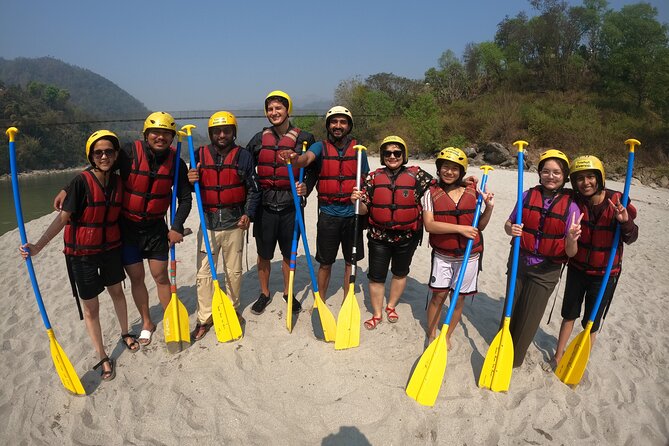
This rafting day fits best if you want real white water without the commitment of deep wilderness trips.
You’ll likely enjoy it if:
- you’re short on time in Kathmandu,
- you want guided rafting with a safety briefing,
- you’re okay with a full day built around driving, not just paddling.
For fitness, you only need moderate physical fitness. That doesn’t mean it’s a walk in the park, but it does suggest the activity is approachable.
I’d be more careful if:
- you hate long rides or unpredictable timing,
- you’re counting on very long water time,
- you get easily uncomfortable in crowded transport.
And for river choice: if you’re a first-timer, Trishuli (Class II–III) is the safer match. If you already know rafting basics or you want serious rapids, Bhote Koshi (Class III–V) is the better fit.
Booking tips for a smoother rafting day
Here are the smart moves I’d make before you go.
First, choose the river based on your comfort with rapids, not just your thrill level. Trishuli and Bhote Koshi are not the same experience.
Second, think about transport style. Private transport usually means fewer surprises. Public/tourist bus can be longer and rougher on the body, and your river schedule depends on road conditions.
Third, plan for weather. The experience requires good weather, and if conditions are poor you’ll be offered a different date or a full refund. So keep your Kathmandu days flexible when you can.
Finally, confirm what you want from the day: quick action with Trishuli, or higher intensity with Bhote Koshi. Both are classic rafting options near Kathmandu, but your expectation should match the river.
Should you book this Trishuli and Bhote Koshi rafting day from Kathmandu?
Book it if you want a guided, organized white-water day with hotel pickup, lunch, and equipment handled for you. The price makes sense when you factor in transport, rafting expenses, and the structure that lets you focus on the river.
Don’t book it if your top priority is maximizing time on the water and you’re sensitive to long road rides. In that case, you’ll still get the rafting, but the day may feel slower than you hoped.
If you’re in Kathmandu with limited time and want a straightforward rafting hit, this is a solid way to do it. Pick Trishuli for beginner-to-intermediate fun. Pick Bhote Koshi if you want the harder, gorge-running challenge.
FAQ
How long is the rafting trip?
The full experience runs about 6 to 12 hours, and each river rafting stop is about 3 hours.
Which rivers are included?
The day is offered for rafting on the Trishuli River and/or the Bhote Koshi River.
What rafting difficulty should I expect?
Trishuli rafting is described as Class II and III, suitable for beginners. Bhote Koshi rafting is described as Class III to V, better for experienced rafters and adrenaline seekers.
Do I get hotel pickup and drop-off?
Yes. The experience includes pickup and drop-off at your hotel.
Is lunch included?
Yes. A typical Nepali lunch is included.
How many people are in the group?
The maximum group size is 15 travelers.
What if the weather is bad?
The experience requires good weather. If it’s canceled due to poor weather, you’ll be offered a different date or a full refund.