REVIEW · KATHMANDU
Full Day Sightseeing Tour of Kathmandu
Book on Viator →Operated by Shepherd Holidays · Bookable on Viator
Seven UNESCO sites in a single day. What makes this tour work is the tight route through Kathmandu Valley plus an expert local guide who helps you understand what you’re seeing, not just where to stand for photos. I especially like the two options: a shorter highlights loop or the full day covering all seven heritage landmarks.
I also like the practical setup: hotel pickup and drop-off mean you spend less time navigating traffic, and the group stays small (up to 15). If you end up with a guide named Sumit, the reviews say you’ll get clear explanations and an easy pace—even when the weather turns.
One heads-up: it’s a long day. About 7 hours of sightseeing adds up, and several major entrances aren’t included, so you’ll want cash or a plan for fees in advance.
In This Review
- Key Things I’d Bet You’ll Care About
- Price and Value: What $40 Covers (and What It Doesn’t)
- Pickup, Timing, and the Group Size That Helps
- Stop 1: Swayambhunath (Monkey Temple) and the View Moment
- Stop 2: Boudhanath Stupa and the Tibetan-Buddhist Atmosphere
- Stop 3: Pashupatinath Temple and the Bagmati River Edge
- Stop 4: Kathmandu Durbar Square’s Royal-Seat Energy
- Stop 5: Patan Durbar Square and Newar Craft Close-Up
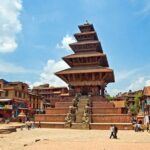
- Stop 6: Bhaktapur Durbar Square and Medieval-Style Charm
- Stop 7: Changunarayan (Changu Narayan) and the Free/Small-Hill Factor
- The Pace: A 7-Hour “Yes, You Can Do It” Day
- What This Tour Feels Like in Real Use
- Should You Book This Full Day Kathmandu Tour?
- FAQ
- How long is the Full Day Sightseeing Tour of Kathmandu?
- What sites are included in the full route?
- Can I choose a shorter itinerary instead of all seven sites?
- Is hotel pickup and drop-off included?
- Are entrance fees included in the tour price?
- Do I need to budget for food?
- What happens if weather is poor?
Key Things I’d Bet You’ll Care About
- Two itinerary styles: shorter highlights (4 landmarks) or full route (7 UNESCO sites)
- Hotel pickup and drop-off: less logistics stress, more time looking up at temples
- Small group size (max 15): you’re not lost in a crowd of hundreds
- Entrance fees not included: budget extra for Kathmandu, Bhaktapur, and Pashupatinath sites
- Good-weather requirement: you’ll likely need flexible expectations on rainy or poor days
- Mobile ticket option: reduces hassle once you arrive
Price and Value: What $40 Covers (and What It Doesn’t)
At $40 per person, this tour is priced like a smart “time-saver,” not a museum pass. The tour price mainly pays for the things that are hard to DIY in one day: transportation, a guide, and the simple promise that you’ll be moving between the big-name heritage stops with less coordination.
Here’s the part that changes your real total: entrance fees are listed as not included for most stops. The tour provides a maximum-fee guide per site (rates vary by nationality), including:
- Swayambhunath Temple: $1.50
- Boudhanath Stupa: $3.00
- Pashupatinath Temple: $7.50 (noted as free for Indian nationals)
- Kathmandu Durbar Square: $7.50
- Patan Durbar Square: $7.50
- Bhaktapur Durbar Square: $13.50
- Changu Narayan: itinerary says free, but the fee list also shows $3.00 maximum depending on nationality
If you do the full seven-site version and you’re paying those maximum rates, the entrance-fee line items add up to roughly $36, plus (of course) food and drinks. So you might be closer to about $76 total for the day, depending on your exact rates and whether any fees apply differently to you. Still, that can be good value when you consider you’re covering major UNESCO sites across multiple neighborhoods and cities.
You can also read our reviews of more tours and experiences in Kathmandu
Pickup, Timing, and the Group Size That Helps
This is built as a shared guided tour, running about 7 hours. You get hotel pick-up and drop-off, plus bottled water and parking support. That’s a small detail with big payoff: in Kathmandu traffic, shaving off even 30–45 minutes of wrangling transport can make the day feel way less exhausting.
The group maximum is 15 travelers, which matters more than it sounds. Smaller groups usually mean:
- your guide can keep everyone together without rushing
- you get easier “where do we go next?” clarity at each stop
- the mood stays friendly instead of chaotic
You’ll also be given a mobile ticket, so you don’t have to hunt around for printed paperwork on arrival.
Stop 1: Swayambhunath (Monkey Temple) and the View Moment
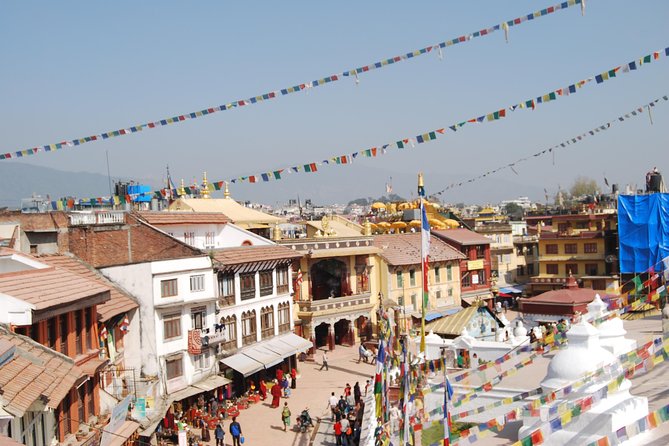
Swayambhunath is a hilltop Buddhist stupa known as the Monkey Temple. This is the classic early stop because you’ll likely get your first big “Kathmandu looks like this” perspective of the day.
What I like about starting here is the sensory mix: bright religious symbolism right away, plus the sense that you’ve arrived in Nepal’s long spiritual timeline. The stupa is described as having a glistening white dome and famous watchful designs on the stupa. Expect an easy-to-understand first landmark: you don’t need a long orientation to grasp why it’s iconic.
Practical catch: hilltop temples often mean stairs and uneven ground. If you’re sensitive to long climbing, wear grippy shoes and go slow the first few minutes so you don’t arrive at the next stop already tired.
Stop 2: Boudhanath Stupa and the Tibetan-Buddhist Atmosphere
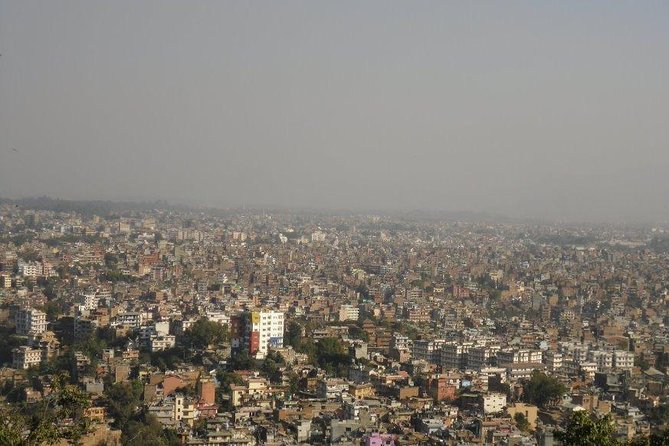
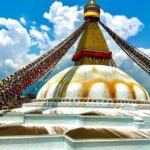
Next up is Boudhanath Stupa, one of Nepal’s largest stupas and a major center for Tibetan Buddhism. This stop feels different from many Hindu sites: the focus is on the stupa’s monumental shape, the surrounding prayer-flags, and the all-day rhythm of devotion.
The mandala design is front and center, and the stupa’s scale makes it hard not to slow your pace. If you’ve seen photos of Boudhanath before, you’ll understand why people keep photographing it: it reads instantly even when you’re in a crowd.
Time on-site is about 1 hour, which is usually enough to:
- walk in the surrounding areas
- observe prayer patterns without feeling rushed
- listen to your guide connect what you see to the larger religious picture
Entrance fee isn’t included, with a listed maximum rate.
Stop 3: Pashupatinath Temple and the Bagmati River Edge
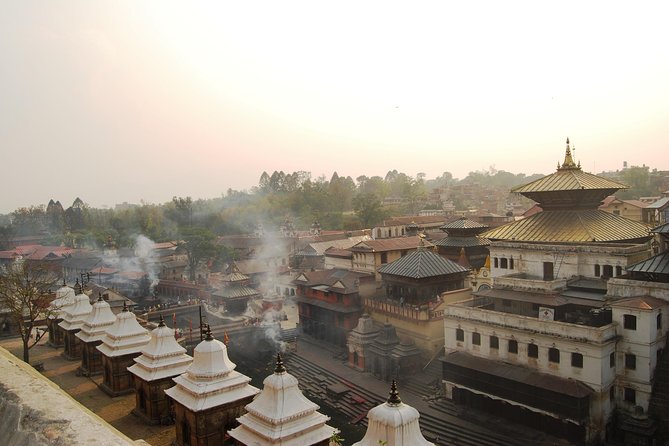
Pashupatinath is Nepal’s most sacred Hindu temple dedicated to Lord Shiva, set on the banks of the Bagmati River. This is the spiritual heavyweight of the route.
The descriptions highlight key features you should look for:
- intricate architecture
- the riverfront setting, and the famous cremation ghats
- an overall atmosphere that feels intensely ritual-centered
A word of advice: this stop can be emotionally intense for some people, especially if you’re not used to watching religious ceremonies. A guided group helps here because you’re not left guessing what you’re allowed to do or where to stand.
Entrance fee is listed with a maximum rate (noted as free for Indian nationals). Plan on cash or whatever payment approach your tour instructions support.

Stop 4: Kathmandu Durbar Square’s Royal-Seat Energy
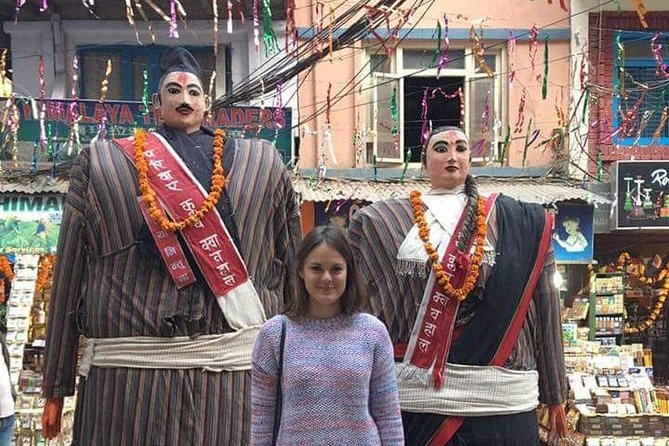
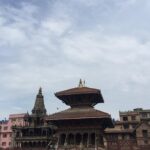
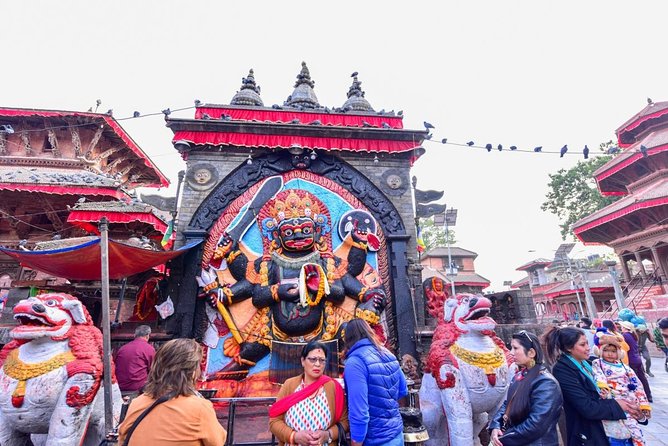
Then you move into Kathmandu city to Kathmandu Durbar Square, a historic royal palace complex with intricately carved wooden buildings. This is where the city’s identity hits you: art, architecture, and political history in one place.
Why this stop matters on a day like this: it turns “temple sightseeing” into “understanding the city.” A durbar square isn’t just pretty buildings. It’s where power and craft intersected for generations.
You’ll have about 1 hour here. That can be tight if you love details, but it’s workable if you take the guide’s pacing seriously. Quick strategy: decide what you want most—carving, courtyards, skyline views—and let the guide point you to the best angles.
Entrance fee isn’t included.
Stop 5: Patan Durbar Square and Newar Craft Close-Up
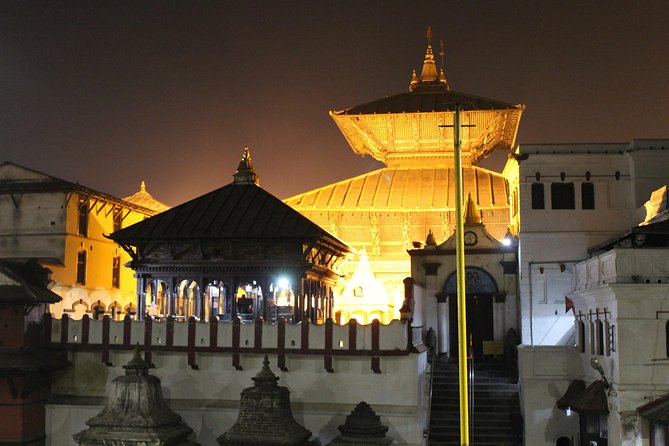
From Kathmandu, the tour continues to Patan Durbar Square, about 8 kilometers away. Patan is known for Newar architecture, and the square’s temples and courtyards are described as well-preserved.
I like Patan on this itinerary because it offers a different feel from Kathmandu Durbar Square. You’re seeing another royal complex, but with its own design language and emphasis. If you’re comparing styles, this is the moment where the route becomes more than a checklist.
Expect about 1 hour and use it actively:
- look for how the wood and stone meet
- note the layout of the square and the temple approach paths
Entrance fee isn’t included.
Stop 6: Bhaktapur Durbar Square and Medieval-Style Charm
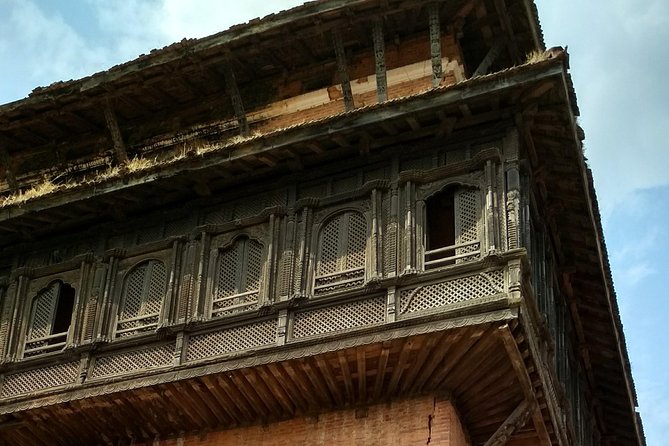
Next is Bhaktapur Durbar Square, in the neighboring city of Bhaktapur. This stop is described as a masterpiece of art with medieval charm and well-preserved heritage.
Bhaktapur is often the place where the day starts to feel “real old.” The square includes numerous temples, and with the time you get, it’s a chance to slow down slightly and notice the craftsmanship. The listed entrance fee maximum is higher here (compared with many other stops), so plan your budget accordingly.
This is also a good place to reassess your energy level. If you’ve been pushing hard since the morning, give yourself a short break inside your hour—especially if you’re dealing with altitude air that can dry you out.
Entrance fee isn’t included, with a listed maximum rate.
Stop 7: Changunarayan (Changu Narayan) and the Free/Small-Hill Factor
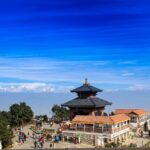
The day finishes at Changunarayan / Changu Narayan, on a hilltop near Bhaktapur. This temple is described as one of the oldest Hindu temples in Nepal, known for stone inscriptions and intricate woodwork.
This final stop is a smart choice. Durbar squares show you large-scale royal architecture. Changunarayan adds a different texture: older, more inscription-focused, and often a quieter-feeling end to the route.
One practical wrinkle: the itinerary text lists admission as free, but the fee table includes an entry with a listed maximum rate. So don’t assume it’s always zero. Keep some small cash ready, and let your guide handle the details on the day.
The Pace: A 7-Hour “Yes, You Can Do It” Day
This tour is built for efficiency, but it’s still a full day. You’re moving between seven heritage sites, with about 1 hour at each stop. That can feel long, mainly because travel time between locations in Kathmandu Valley can eat into your sightseeing energy.
What helps most:
- Comfortable shoes (you’ll deal with stairs and uneven surfaces)
- Water (bottled water is included)
- Patience at crowded sacred spaces
- A realistic attitude: you’re seeing the big landmarks, not studying them like a graduate seminar
The benefit is also clear. If you have limited time in Kathmandu, this is one of the most straightforward ways to stack major UNESCO highlights without coordinating transport, guides, and entrances site by site.
What This Tour Feels Like in Real Use
Here’s the practical vibe I’d expect from a day like this:
- You start with orientation at Swayambhunath
- You shift into Tibetan spiritual atmosphere at Boudhanath
- You switch to Hindu sacred power at Pashupatinath
- Then you move through the royal-square architecture: Kathmandu, Patan, Bhaktapur
- You finish with older temple craft at Changunarayan
It’s not just “go here, take a photo.” It’s a route that teaches you how Kathmandu Valley balances Buddhist and Hindu traditions, while also showing how royal architecture and religious practice shaped the city.
And the guide experience matters. The reviews specifically praised Sumit as a great guide. That’s the kind of difference you’ll feel: you’ll understand what you’re looking at faster, and you’ll waste less time standing in the wrong spot.
Should You Book This Full Day Kathmandu Tour?
Book it if:
- You want the most UNESCO value per day
- You prefer a planned route over figuring out logistics across Kathmandu Valley
- You’re okay with a long day and the reality of entrance fees
Skip it (or do a shorter highlights option) if:
- You hate crowds or long walking between stops
- You’re on a tight budget and entrance fees would be a problem
- You want slow, museum-style time at each site instead of a fast, guided circuit
If your goal is to get your bearings fast and see the major Kathmandu Valley heritage sites in one go, this is a strong choice—especially because the pickup, guide, and transportation make the day simpler than doing it piece by piece.
FAQ
How long is the Full Day Sightseeing Tour of Kathmandu?
It runs for about 7 hours.
What sites are included in the full route?
The tour includes Swayambhunath, Boudhanath Stupa, Pashupatinath Temple, Kathmandu Durbar Square, Patan Durbar Square, Bhaktapur Durbar Square, and Changunarayan (Changu Narayan).
Can I choose a shorter itinerary instead of all seven sites?
Yes. There are two options: a shorter highlights version covering four must-see landmarks, or a comprehensive itinerary that includes all seven heritage sites in one day.
Is hotel pickup and drop-off included?
Yes, hotel pick-up & drop-off are included.
Are entrance fees included in the tour price?
No. Entrance fees for the listed sites are not included. The tour provides maximum fee amounts per site, and rates can differ by nationality.
Do I need to budget for food?
Food and drinks are not included, so you’ll need to plan for meals during the day.
What happens if weather is poor?
The experience requires good weather. If it’s canceled due to poor weather, you’ll be offered a different date or a full refund.