REVIEW · KATHMANDU
Everest Flight , Mountain Flight in Nepal , Everest Experience
Book on Viator →Operated by Sunshine Travel Agency · Bookable on Viator
One morning changes your whole Nepal map. An Everest Flight from Kathmandu lets you see the Roof of the World fast, without a trek or a long stay in the mountains. You’ll have an English-speaking driver coordinating your 5 AM pickup from the Thamel area, then getting you back after the flight.
What I like most is that this isn’t just a quick Everest glance. You’re shown a whole string of major peaks—Langtang Lirung, Gauri Shankar, Melungtse, Pumori, Nuptse, and of course Everest Sagarmatha and Lhotse—so the sky feels like a moving panorama instead of a single moment. And at $150 per person with group discounts, it’s one of the cheaper ways to aim for an Everest view.
The catch is simple: you need good weather. If clouds roll in, your visibility can drop, and while the operator can offer a different date or a full refund, you’ll still want a flexible schedule.
In This Review
- Key highlights at a glance
- Why an early 5 AM Everest flight can be the smartest plan
- Getting to the plane: Thamel pickup plus a Kathmandu Airport round-trip
- The 50-minute sky route: what you’ll actually see
- The Everest moment: why it feels different from viewpoints on land
- How to set expectations for a 50-minute flight
- Best months for clear peaks: September through April
- Price, value, and why $150 can make sense here
- Who this Everest Experience fits best (and who should think twice)
- What to do on the day: practical tips that help you enjoy it
- Should you book Everest Flight (Mountain Flight in Nepal)?
- FAQ
- What time is pickup for this Everest flight?
- How long does the Everest flight last?
- Where does the flight depart from and where does it land?
- What meeting point is used for the start of the activity?
- How much does the Everest Experience cost?
- What happens if the weather is poor?
Key highlights at a glance
- 5 AM pickup from Thamel with an English-speaking driver and return transfer after the flight
- 50 minutes in the air for a quick Everest-focused experience
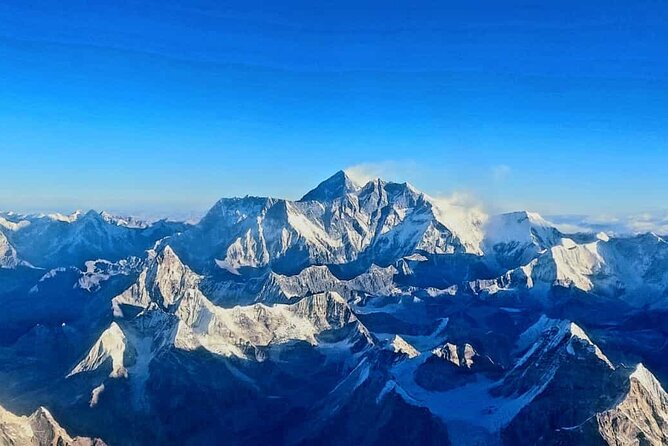
- A wide peak lineup you’ll fly past, including Everest Sagarmatha (8848 m) and Lhotse (8516 m)
- Clear-view season usually runs best in winter months, September to April
- Group size cap of 100 travelers, which helps keep things from feeling chaotic
- Kathmandu Airport round-trip, so the whole experience stays tightly based around Kathmandu
Why an early 5 AM Everest flight can be the smartest plan

Let’s be honest: waking up before sunrise in Kathmandu is not a relaxing hobby. Still, for many first-time visitors, it’s the trade-off that makes an Everest view possible without committing to weeks of trekking. This is built for people who want the Everest skyline moment and then want to keep the rest of their itinerary intact.
This kind of flight works especially well if you’re trying to get your bearings fast. From above, you understand how massive the Himalaya chain really is, and you spot major peaks from the same region you might otherwise only see in photos. Even if you later do a trek, this can help you connect the dots.
The early start also matters because your flight depends on weather and daylight conditions. The tour runs on a schedule, with pickup set for 5 AM, so you’re not spending the morning wandering for transport or waiting around uncertain timing.
You can also read our reviews of more tours and experiences in Kathmandu.
Getting to the plane: Thamel pickup plus a Kathmandu Airport round-trip
The experience is structured to reduce hassle. An English-speaking driver picks you up around 5 AM and returns you afterward, so you’re not left figuring out airport logistics in the dark. That’s a big deal if you’re staying in Thamel and you’d rather not run a mini scavenger hunt for buses, taxis, or the right meeting spot.
You fly from Kathmandu Airport, then land back at Kathmandu Airport. That round-trip setup keeps things simple and limits the number of moving parts in your day. The start point is Sunshine Travel Agency Pvt Ltd, Chaksibari, Kathmandu, and the activity ends back at the meeting point, but the practical plan is that the driver handles getting you to and from your area in Thamel.
One more small detail that you’ll appreciate: the meeting point is described as near public transportation. So if you’re staying somewhere slightly outside Thamel, you still have a realistic option if you need to coordinate your own way to the office.
The 50-minute sky route: what you’ll actually see
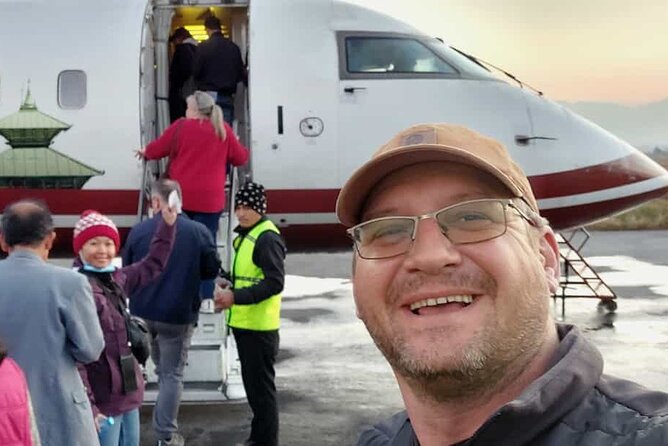
This is a mountain flight-seeing experience designed around close, clear views of major Himalayan peaks. The duration is listed as about 50 minutes, which means the window is short. The good news is that you’re not spending hours in transit to chase the view.
During the flight, you’ll see a long list of peaks. The names and elevations given include:
- Langtang Lirung (7234 m)
- Dorje Lakpa (6966 m)
- Phurbi Ghyachho (6637 m)
- Chhoba Bhamare (5970 m)
- Gauri Shankar (7134 m), noted as Lord Shiva
- Melungtse (7181 m)
- Chugimango (6297 m)
- Piggfera?go (6620 m) (spelling varies in listings, but it’s included in the peak list)
- Number (6957 m)
- Karyolung (6511 m)
- Cho Oyu (8201 m)
- Gyachungkang (7252 m)
- Pumori (7161 m)
- Nuptse (7161 m)
- Mount Everest Sagarmatha (8848 m)
- Lhotse (8516 m)
- Ama Dablam (6812 m)
- Chammlang (7319 m)
- Makalu (8463 m)
If you like “reading” the mountains like a map, this lineup is a gift. You’re not stuck looking at one peak and guessing what else you’re seeing. You can compare shapes, groupings, and spacing of summits as you fly past.
The Everest moment: why it feels different from viewpoints on land
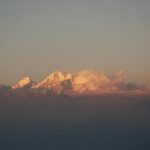
On a plane, Everest isn’t just tall. It’s present. You’re high enough that the peak looks more like a landmark than a distant postcard. And because the flight plan also includes other major neighboring peaks such as Lhotse and Nuptse, you don’t experience Everest as an isolated object.
There’s also a practical benefit. Many people who come to Nepal for the first time get overwhelmed by trekking routes and altitude talk. A flight gives you a fast visual framework. Even if you never trek to Everest Base Camp, you’ll still “get” what people mean when they say the Himalaya dominates the whole region.
How to set expectations for a 50-minute flight
Fifty minutes is enough for big views, but it’s not enough for lingering. So go in with a “watch and learn quickly” mindset. If you’re the type who wants to photograph for long periods, you might feel the time pressure. If you’re okay with quick bursts of looking, the flight format works.
Also remember: the whole thing requires good weather. Clear skies help you see details; haze or cloud cover can soften what you can distinguish.


Best months for clear peaks: September through April
This experience explicitly points to the clearest viewing season: September to April. That’s the winter window when snow can sparkle and when glaciers and mountain surfaces are described as more vividly visible. Translation: you have a better chance of crisp views when skies are clearer and the mountains look sharper.
If you’re planning around this flight, it’s worth aligning your Nepal days with that season. Booking later in the year can still work, but the information you’re given leans strongly toward winter months as your best shot for bright visibility.
I also like that this isn’t sold as a guarantee. It’s positioned as a weather-dependent mountain flight. That honesty helps you plan your expectations without getting stuck in disappointment.
Price, value, and why $150 can make sense here
At $150 per person, this tour sits in the “fast and focused” category rather than the “full adventure” category. A trek to see Everest takes time and money, often far beyond a day trip. A flight compresses the Everest view into a short window and gives you the core visual payoff quickly.
A few value points matter here:
- You don’t have to arrange airport transport yourself. Pickup and return transfer are part of the experience.
- It’s time-efficient: around 50 minutes of flight time, plus the early start and return.
- You’re shown many peaks, not just Everest, which makes the experience feel more like a mini aerial overview of the Himalaya.
Group discounts are included as a feature, which can help if you’re traveling with friends or want to split costs. The tour is also described as having group size up to 100 travelers, so it’s large enough to scale but still capped.
Another planning detail: on average, this is booked about 42 days in advance. That suggests people often line this up in the planning stage rather than leaving it for the last minute. If you’re aiming for the best chance at your preferred date (and you care about weather timing), booking earlier is a smart move.
Who this Everest Experience fits best (and who should think twice)

This flight is best for you if you want a practical Everest hit. Think: first-time visitors, people with limited time, and anyone who wants the aerial “wow” without turning the trip into a logistics-heavy trekking mission.
It’s also a good fit if you’re the kind of traveler who likes having options. Nepal offers many ways to experience the Himalaya, and a flight can be an easy add-on. You can still do sightseeing in Kathmandu after, and you don’t need to build your whole schedule around altitude acclimatization.
You might want to think twice if:
- You strongly dislike early mornings. Pickup is 5 AM, and you’ll want to be ready.
- You’re booking very late in your trip and can’t change dates if weather is poor.
- You expect a long, leisurely experience. This is about quick viewing in a short timeframe.
What to do on the day: practical tips that help you enjoy it
Because the flight requires good weather, treat the day like an outside-the-plane viewing day. Bring layers. Even if you don’t know exactly how cold it will feel, early flights often mean you’ll be waiting before everything starts.
Also, set your mental goal as “see and recognize.” With a list of peaks you can compare—Everest Sagarmatha, Lhotse, Ama Dablam, Cho Oyu, and more—you’ll get more out of the experience if you try to spot names as you go rather than only chasing the single biggest peak.
Finally, be ready for the short time window. A 50-minute flight doesn’t allow endless repositioning. The fun is in quick observation and the payoff is the scale you can’t really replicate from ground-level roads.
Should you book Everest Flight (Mountain Flight in Nepal)?
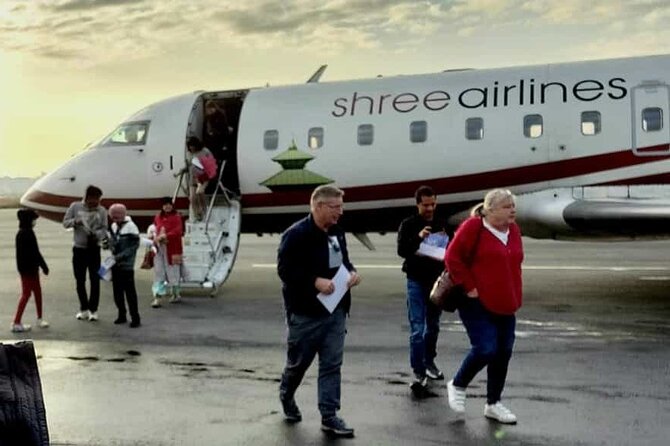
Book this if you want a fast, reasonably priced way to see Mount Everest Sagarmatha from above and you can handle a 5 AM start. The value here is the combination of an organized pickup/return, a round-trip Kathmandu Airport flight, and a peak lineup that includes Everest plus many major neighbors like Lhotse and Ama Dablam.
Skip it (or wait) if your schedule can’t flex for weather, or if you’re looking for a long guided mountain journey. This is a short viewing experience, and the quality of what you see depends on the skies.
If you’re in the prime season, September to April, and you want the Everest moment without committing to a trek, this one is a smart bet.
FAQ
What time is pickup for this Everest flight?
The pickup time is listed as 5 AM, with an English-speaking driver coming to receive you and returning you afterward.
How long does the Everest flight last?
The duration is listed as about 50 minutes (approx.).
Where does the flight depart from and where does it land?
You fly from Kathmandu Airport and land back at Kathmandu Airport.
What meeting point is used for the start of the activity?
The start point is Sunshine Travel Agency Pvt Ltd, Chaksibari, Kathmandu 44600, Nepal. The activity ends back at the meeting point.
How much does the Everest Experience cost?
The price is listed as $150.00 per person, and the experience includes group discounts.
What happens if the weather is poor?
The experience requires good weather. If it’s canceled due to poor weather, you’ll be offered a different date or a full refund. You can cancel up to 24 hours in advance for a full refund.